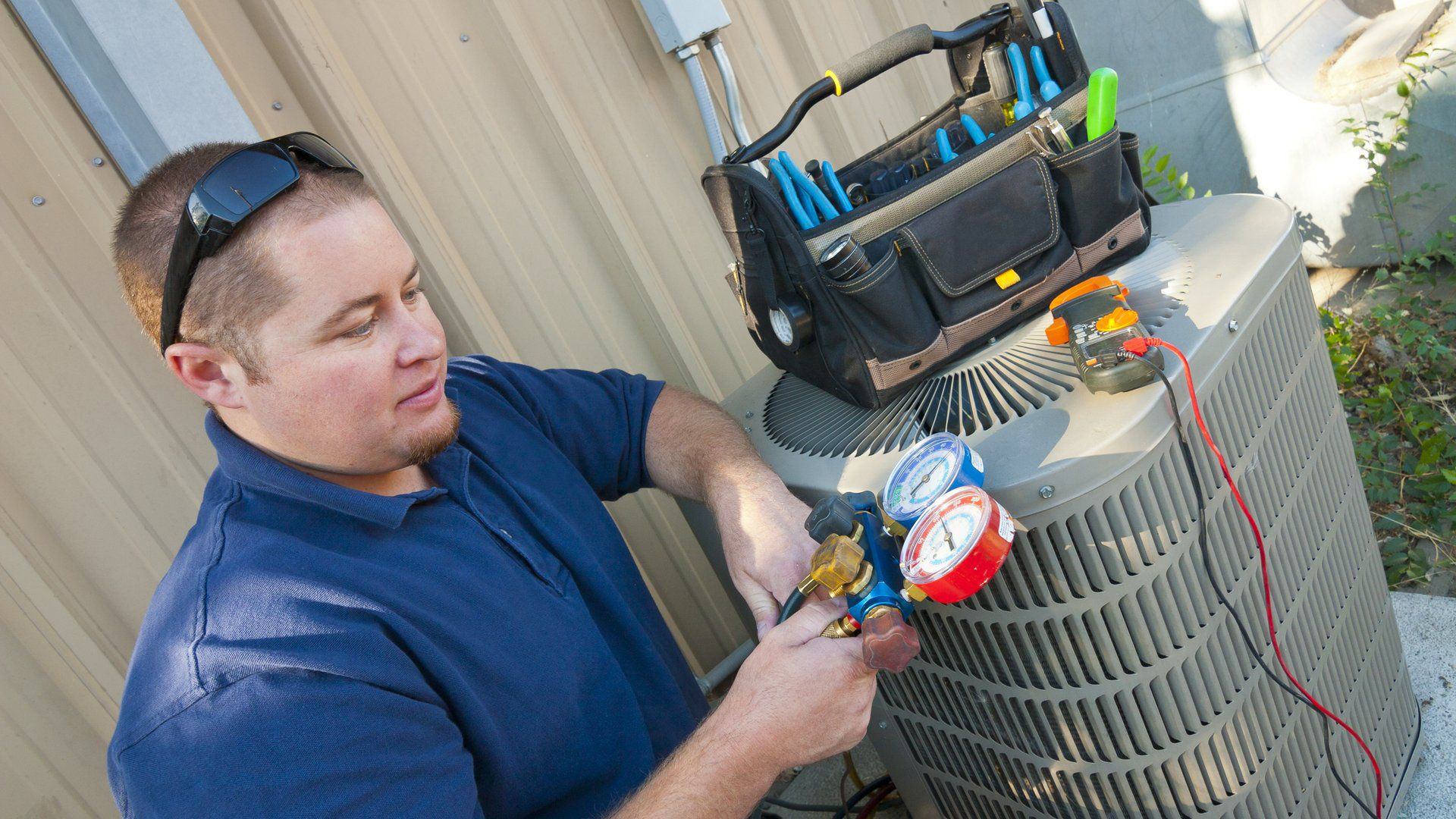
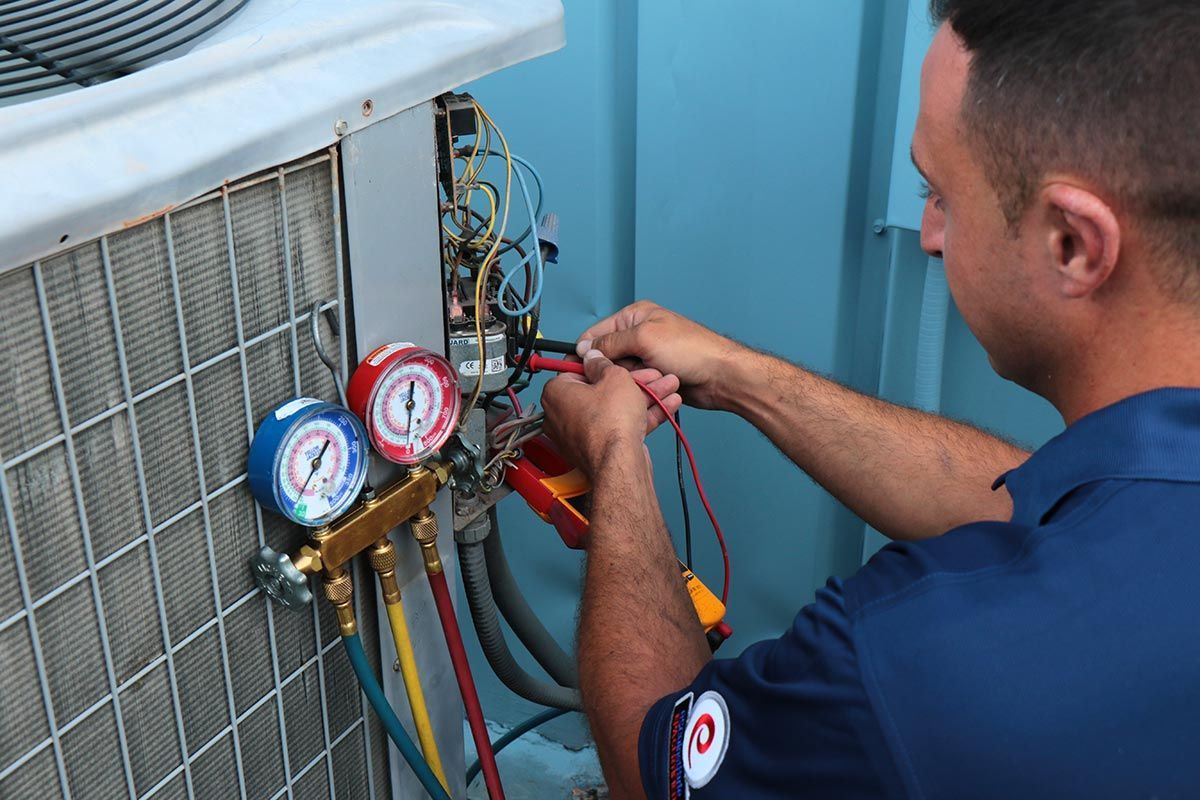
Navigating air conditioner repair in Charlotte, North Carolina, requires an understanding of local climate demands, common HVAC system failures, contractor licensing requirements, and expected service costs. Because Charlotte experiences long, humid summers that strain cooling equipment, knowing how to diagnose problems, select a qualified technician, and perform routine maintenance ensures indoor comfort while preventing premature system replacements.
Understanding Charlotte's Climate and Your Air Conditioner
Charlotte's humid subtropical climate places heavy demands on residential and commercial cooling systems. From late May through September, daytime temperatures regularly exceed 90 degrees Fahrenheit, accompanied by high relative humidity. This environmental pressure forces cooling systems to run for extended cycles, often operating thousands of hours per year.
When an air conditioning system fails during peak summer in Mecklenburg County, it is more than an inconvenience; it can create indoor air quality issues and unsafe living conditions for vulnerable occupants. Understanding how local weather conditions accelerate wear and tear helps homeowners recognize why timely maintenance and prompt repairs are necessary. Continuous high humidity causes condensate drains to clog more frequently, while heavy electrical loads stress capacitors, contactors, and compressor windings.
Common Signs Your Air Conditioner Needs Professional Repair
Recognizing the early indicators of cooling system failure can prevent minor component malfunctions from cascading into catastrophic compressor breakdowns. Homeowners should monitor their HVAC systems for several specific symptoms:
- Warm or Insufficient Airflow: If supply vents are blowing room-temperature or lukewarm air, the issue may stem from a restricted air filter, a failing compressor, or a refrigerant leak.
- Strange Noises: Grinding, squealing, screeching, or loud banging noises usually indicate mechanical failure. Squealing often points to a failing blower belt or motor bearing, while grinding suggests a severe motor issue.
- Foul Odors: A musty or moldy smell when the AC turns on typically indicates microbial growth within the evaporator coil or condensate drain pan. A burning electrical odor signals overheating wires or a failing motor winding.
- Frequent Cycling: Short-cycling—where the unit turns on and off rapidly without completing a full cooling cycle—can be caused by an oversized system, a dirty air filter, a malfunctioning thermostat, or a refrigerant charge issue.
- Pooling Water or Excessive Moisture: While air conditioners naturally produce condensation, water pooling around the indoor air handler indicates a clogged condensate drain line or a cracked drain pan.
Diagnosing Common HVAC Failures
Before calling a technician, homeowners can perform basic checks to rule out simple issues. However, any procedure involving electrical voltage or refrigerant handling must be left to licensed professionals.
Electrical and Capacitor Failures
The run capacitor and the start capacitor are among the most frequently replaced parts in a cooling system. These components store and release electrical energy to help motors start and run. When a capacitor fails due to age or heat stress, the compressor or outdoor fan motor may hum but fail to turn on.
Refrigerant Leaks
Air conditioners do not consume refrigerant; they circulate a closed loop of chemical refrigerant to absorb and release heat. If a system is low on refrigerant, it is due to a leak in the copper tubing, evaporator coil, or service valves. Simply adding refrigerant without locating and repairing the leak is a temporary fix that violates federal environmental regulations under United States Environmental Protection Agency (EPA) guidelines.
Thermostat Malfunctions
A faulty thermostat can disrupt communication between the control board and the HVAC unit. Dead batteries, calibration errors, or loose wiring terminals can prevent the system from registering indoor temperatures accurately or sending the proper 24-volt signal to engage the contactor.
Hiring a Licensed Air Conditioner Repair Contractor in North Carolina
In North Carolina, heating, ventilation, and air conditioning contracting is strictly regulated. Homeowners must verify that any technician or company performing major repairs or replacements holds the appropriate credentials issued by the North Carolina State Board of Examiners of Plumbing, Heating, and Fire Sprinkler Contractors.
Licensing and Insurance Requirements
North Carolina requires HVAC contractors to hold an active H-3 license (which covers heating and cooling system installation and service) depending on the scale and classification of the project. Hiring a licensed contractor ensures that the technician has demonstrated technical competency and adheres to state building codes. Additionally, reputable companies carry general liability insurance and workers' compensation coverage to protect homeowners from liability in case of property damage or workplace injury.
Questions to Ask Potential Service Providers
When evaluating local contractors in the Charlotte area, homeowners should inquire about:
- License Verification: Request the contractor's specific license number and verify it through the state licensing board portal.
- Diagnostic Fees: Clarify whether the company charges a flat dispatch fee or an hourly rate for troubleshooting the system.
- Warranty Coverage: Ask about warranties on labor and replacement parts. Quality repairs typically include a minimum one-year warranty on installed components.
- Flat-Rate Pricing: Ensure the company provides upfront, written estimates before beginning any physical repair work.
Cost Factors for Air Conditioner Repair in Charlotte
Repair expenses vary based on the complexity of the issue, the cost of replacement parts, and labor rates. Understanding average price ranges helps homeowners budget for unexpected breakdowns.
| Repair Service / Component | Estimated Cost Range (Parts & Labor) | Complexity & Urgency |
|---|---|---|
| Diagnostic / Service Call Fee | $75 – $150 | Low (Immediate dispatch) |
| Capacitor Replacement | $150 – $400 | Moderate (Common failure) |
| Contactor Replacement | $150 – $350 | Moderate (Electrical switch) |
| Condensate Drain Clearing | $100 – $250 | Low to Moderate (Preventative) |
| Blower Motor Replacement | $450 – $900 | High (Mechanical failure) |
| Refrigerant Leak Repair & Recharge | $400 – $1,500+ | High (Depends on leak size and refrigerant type) |
Note: Prices vary depending on system age, brand, accessibility, and emergency after-hours dispatch fees.
Preventive Maintenance to Avoid Future Breakdowns
The most effective strategy for minimizing repair costs is routine preventive maintenance. Scheduling professional tune-ups twice a year—once in the spring for cooling and once in the fall for heating—extends equipment lifespans and preserves energy efficiency.
- Filter Replacements: Homeowners should inspect air filters monthly and replace them every 30 to 90 days, depending on filter thickness, pet ownership, and household occupancy. Restricted airflow forces the system to work harder, accelerating component wear.
- Coil Cleaning: Outdoor condenser coils accumulate grass clippings, dirt, and pollen. Keeping the outdoor unit clear of debris and gently washing coils maintains proper heat exchange.
- Drain Maintenance: Pouring a cup of white vinegar or an approved algaecide down the condensate drain line monthly prevents biological growth and clogs that cause water damage.
Frequently Asked Questions
What should I do if my air conditioner stops working on a hot Charlotte afternoon?
First, check your electrical panel to see if a circuit breaker has tripped. If the breaker is tripped, reset it once. If it trips again immediately, do not reset it; call a professional, as this indicates an electrical short. Next, check your thermostat settings and replace the air filter if it is clogged. If these steps do not restore operation, contact a licensed HVAC technician.
Is it better to repair an older air conditioner or replace it entirely?
As a general rule, if the repair cost multiplied by the age of the equipment exceeds the cost of a new system (known as the "Rule of 50"), replacement is often more economical. For systems older than 10 to 12 years—especially those utilizing older, phased-out refrigerants like R-22—investing in a high-efficiency modern replacement provides long-term energy savings.
How often should I service my air conditioner?
You should schedule professional maintenance twice a year. A spring tune-up prepares the cooling system for summer demands, while a fall service prepares the heating components for winter operation.
Why is water leaking from my indoor air handler?
Water leaks are typically caused by a clogged condensate drain line due to algae or dust buildup, a disconnected drain tube, or a rusted, damaged drain pan. A technician can clear the line using specialized suction or nitrogen tools and treat the drain to prevent future clogs.
Next Actions for Charlotte Homeowners
If your air conditioning system is showing signs of failure, document the symptoms, check basic items like air filters and breakers, and contact a licensed local HVAC contractor for a professional diagnosis. Prioritizing timely repairs protects your investment, ensures home comfort, and maintains indoor air quality throughout the demanding summer season.