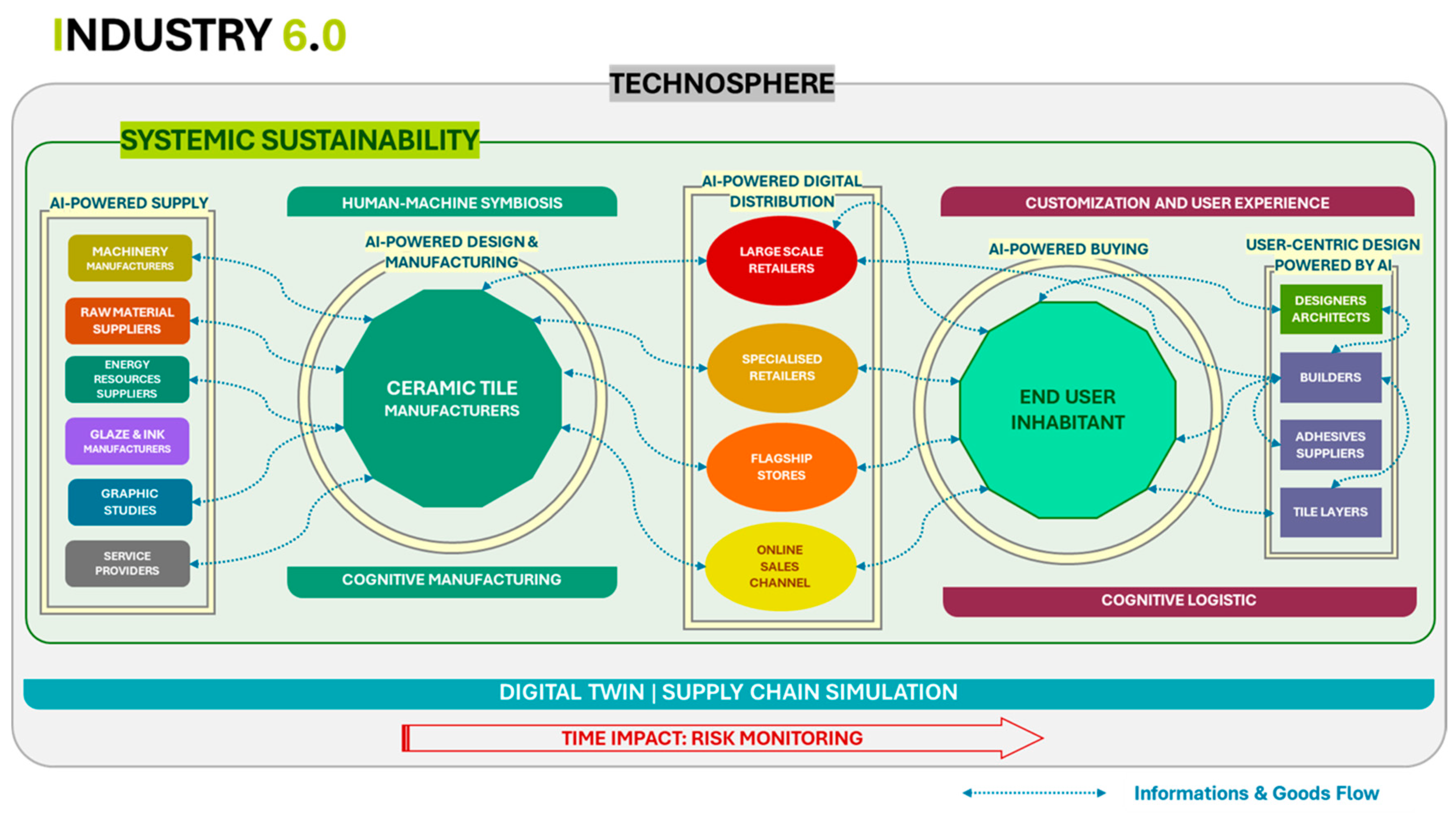
AI and manufacturing transformations represent the systematic integration of machine learning, computer vision, and predictive analytics into industrial production environments to optimize efficiency, quality, and supply chain resilience. This shift moves beyond traditional automation by enabling machines to analyze real-time data, anticipate mechanical failures, and adjust production parameters autonomously to meet dynamic market demands.
The Shift from Traditional Automation to Intelligent Manufacturing
Traditional industrial automation, which characterized the late 20th and early 21st centuries, focused on repetitive, rule-based tasks. Robotic arms, programmable logic controllers (PLCs), and standardized assembly lines excelled at high-volume output where variables were minimal. However, these systems remained rigid. If a component deviation occurred or a supply chain disruption materialized, the line would either continue to produce defective parts or cease operation entirely until human intervention restored the sequence.
AI-driven manufacturing—often associated with the broader Industry 4.0 framework—replaces this rigidity with adaptability. By leveraging neural networks and deep learning models, modern manufacturing systems process vast streams of telemetry data from IoT (Internet of Things) sensors. This allows for "closed-loop" manufacturing, where the production environment senses the environment, processes the information, and adjusts its own mechanical behavior without human input. The transformation is not merely about replacing human labor; it is about extending the capability of the machinery to handle the complexity that humans cannot perceive in high-speed, high-precision environments.
Core Pillars of AI-Integrated Production
To achieve a successful transformation, organizations typically focus on three foundational technical pillars. Each addresses a specific bottleneck in the traditional manufacturing value chain.
1. Predictive Maintenance (PdM)
In traditional maintenance, machinery is serviced either on a scheduled calendar basis or after a failure occurs (reactive maintenance). Both methods are inefficient. PdM uses vibration analysis, thermal imaging, and acoustic monitoring to predict the "remaining useful life" (RUL) of critical components. AI models analyze the frequency of anomalies in motor bearings or cooling pumps to signal maintenance teams before a breakdown occurs, drastically reducing unplanned downtime.
2. AI-Powered Quality Assurance (Machine Vision)
Computer vision systems are now capable of inspecting parts at speeds and precision levels that far exceed human capability. Using convolutional neural networks (CNNs), these systems classify defects in micro-components, semiconductor wafers, or surface coatings in real time. By identifying patterns of defects, the system can trace the source of the issue back to a specific tool or ambient condition, allowing for immediate corrective action.
3. Generative Design and Optimization
Generative design software uses AI to iterate through thousands of potential part geometries based on constraints such as weight, material, and stress load. Once a design is chosen, AI algorithms optimize the supply chain, production scheduling, and energy consumption required to manufacture that part. This creates a digital thread that links design, manufacturing, and logistics.
Comparative Analysis: Traditional vs. AI-Enabled Manufacturing
The following table outlines the fundamental differences in operational philosophy between legacy systems and AI-integrated environments.
| Metric | Traditional Automation | AI-Enabled Manufacturing |
|---|---|---|
| Logic | Fixed algorithms/Rule-based | Probabilistic/Self-learning |
| Maintenance | Scheduled or Reactive | Predictive/Prescriptive |
| Quality Control | Human inspection/Sample-based | Continuous/Computer Vision |
| Supply Chain | Static inventory levels | Dynamic, demand-responsive |
| Flexibility | High effort to reconfigure | Agile, software-defined retooling |
| Primary Goal | Throughput optimization | Efficiency, adaptability, and resilience |
Implementation Prerequisites: Requirements for Success
Transforming a manufacturing facility into an AI-ready environment requires more than just purchasing hardware. It requires a robust data infrastructure. Organizations that fail to prepare their digital architecture often find that AI initiatives stall during the pilot phase, a phenomenon known as "pilot purgatory."
- Data Governance and Connectivity: AI is only as effective as the data it consumes. Manufacturers must ensure that legacy equipment (brownfield sites) is retrofitted with sensors to extract data. This data must be harmonized and standardized, moving from "siloed" machine data to a unified data lake that supports enterprise-wide analytics.
- Edge Computing Architecture: Sending massive amounts of raw sensor data to the cloud introduces latency. In high-speed manufacturing, decisions must be made in milliseconds. Implementing edge computing—processing data locally on the shop floor—is a critical technical requirement for real-time control.
- Cybersecurity Resilience: As manufacturing systems become connected to enterprise networks and the internet, the attack surface grows significantly. Protecting proprietary production IP and ensuring the integrity of the AI models against adversarial inputs is a prerequisite for long-term operational continuity.
- Skills and Organizational Culture: The workforce must transition from operators to "system supervisors." This requires training in data literacy and the ability to interpret AI-generated insights, ensuring that the human team knows when to trust the system and when to override it.
Challenges and Operational Limitations
While the promise of AI in manufacturing is substantial, several limitations remain. First, data sparsity is a persistent issue. Even in modern factories, high-quality data regarding "failure states" is rare because operators strive to keep systems running smoothly. Without sufficient examples of failure, AI models struggle to learn the precursors to those failures, necessitating the use of synthetic data or transfer learning.
Second, the explainability of AI (XAI) poses a challenge for high-stakes environments. In industries like aerospace or medical device manufacturing, a "black box" algorithm that optimizes production but cannot explain why it made a specific adjustment is often unacceptable. Regulatory bodies require audit trails and clear logic behind manufacturing decisions, pushing the industry toward more interpretable machine learning models.
Finally, the high initial capital expenditure (CAPEX) for sensor retrofitting, infrastructure upgrades, and software licensing can be prohibitive for mid-sized manufacturers. The return on investment (ROI) is often long-term, requiring stakeholders to possess a high degree of patience and a clear strategic roadmap that extends beyond quarterly financial targets.
Frequently Asked Questions
1. Is AI in manufacturing primarily about replacing human workers? No. Most AI implementations in 2026 focus on "augmentation" rather than replacement. AI handles the high-frequency analysis of vast data sets, allowing human workers to focus on complex troubleshooting, creative problem-solving, and strategic decision-making that AI cannot yet replicate.
2. What is the difference between IIoT and AI in a manufacturing context? IIoT (Industrial Internet of Things) is the infrastructure layer—the sensors and network connections that collect data. AI is the cognitive layer that interprets that data to perform tasks, make predictions, or optimize processes. You need IIoT to provide the inputs that make AI useful.
3. How do I start an AI transformation without disrupting current production? The most effective path is to begin with a high-impact, low-risk pilot program, such as predictive maintenance on a single critical asset. This allows the team to validate the data pipeline and the model’s efficacy without interfering with the primary production flow.
4. What are the legal risks of using AI in manufacturing? Legal risks generally involve product liability if an AI-controlled system causes a manufacturing error. It is essential to maintain "human-in-the-loop" protocols for critical safety systems and to ensure all AI deployments comply with existing industrial safety standards and local data privacy regulations.
5. How do I measure the ROI of AI integration? ROI should be tracked through metrics such as OEE (Overall Equipment Effectiveness), reductions in scrap rates, decreased unplanned downtime, and energy savings per unit produced. Benchmarking these metrics before and after deployment provides the clearest proof of value.
Strategic Recommendations for Implementation
For organizations embarking on this transformation, the recommended next step is to conduct a Digital Maturity Assessment. Identify one specific, high-cost operational pain point—such as frequent tool breakage or inconsistent product finishes—and build a proof-of-concept (PoC) around it.
Ensure that your project involves a cross-functional team including operational technology (OT) experts who know the machines, IT experts who know the data infrastructure, and data scientists who can bridge the gap. By focusing on a specific, measurable problem rather than a generic "AI strategy," manufacturers can demonstrate value early, secure internal support, and build the foundation for a fully integrated, intelligent manufacturing ecosystem.