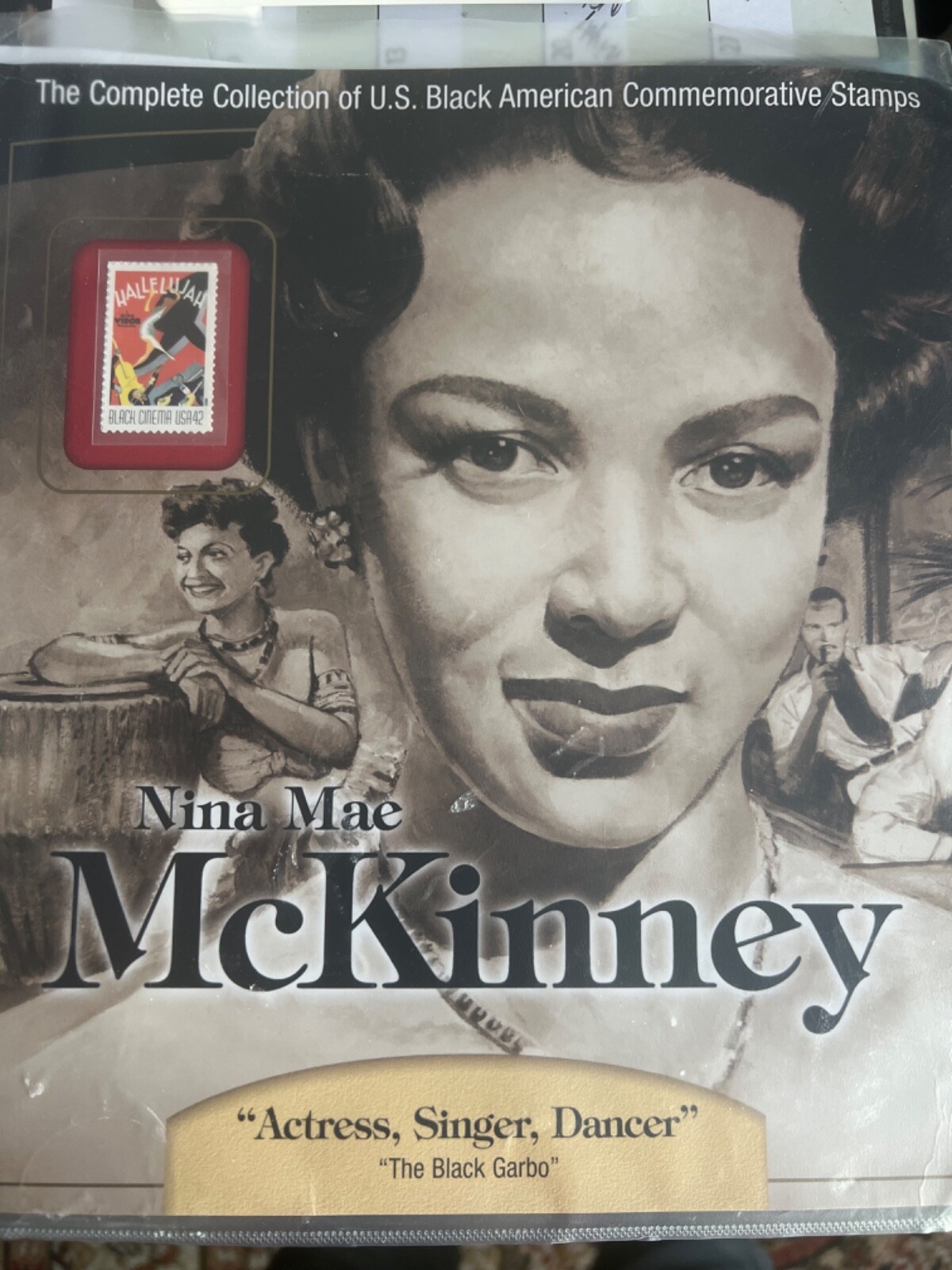
African American stamps represent a vital evolution in United States postal history, transitioning from systemic exclusion to the sustained celebration of Black achievement. Since the 1940 issuance of the Booker T. Washington stamp, the United States Postal Service (USPS) has honored hundreds of individuals and cultural milestones, most notably through the prestigious Black Heritage series, which has remained a cornerstone of American philately for nearly half a century.
The Long Road to Representation (1847–1940)
For nearly a century after the United States issued its first postage stamps in 1847, the faces depicted on mail were exclusively white. This exclusion mirrored the broader social and legal "invisibility" of African Americans in official government portraiture during the era of Jim Crow and legal segregation. It was not until the mid-20th century, following years of advocacy from Black educational institutions and civic leaders, that the "color barrier" in US philately was finally broken.
The journey toward representation began in earnest during the 1930s. The Tuskegee Institute, along with various Black newspapers and the NAACP, lobbied the Roosevelt administration and the Post Office Department (the precursor to the USPS) to recognize the contributions of African Americans to the nation’s progress. These efforts were met with both political resistance and logistical hurdles, but they eventually culminated in a historic decision by Postmaster General James A. Farley.
The 1940 Booker T. Washington Issue
On April 7, 1940, the first US postage stamp to feature an African American was released: the 10-cent Booker T. Washington stamp. This issue was part of the "Famous Americans" series, a massive 35-stamp undertaking that honored figures in categories such as authors, poets, educators, and scientists. Washington was included in the "Educators" category.
The design, crafted by William A. Roach, featured a portrait of Washington based on a photograph by Frances Benjamin Johnston. Despite its historical significance, the stamp’s 10-cent denomination meant it was primarily used for special delivery or international mail, rather than common 3-cent first-class domestic letters. This limited its daily visibility among the general public, yet it served as a monumental symbolic victory. Over 14 million copies were printed, and the first-day-of-issue ceremony at Tuskegee, Alabama, became a major national event in Black history.
The George Washington Carver Stamp (1948)
Following Washington, the next major milestone occurred in 1948 with the issuance of a stamp honoring George Washington Carver. Released on the fifth anniversary of his death, the 3-cent stamp commemorated Carver’s immense contributions to agricultural science and his work at the Tuskegee Institute. Unlike the 1940 Washington stamp, this was a 3-cent issue, making it accessible for standard first-class mail and ensuring that Carver’s image reached a wider cross-section of the American population.
The Civil Rights Era and the Shift in Philatelic Policy
As the Civil Rights Movement gained momentum in the 1950s and 1960s, the Post Office Department began to feel increased pressure to reflect the diversity of the American experience. This period saw a shift from rare, "token" commemorations to a more integrated approach within broader stamp series.
In 1967, Frederick Douglass was featured on a 25-cent stamp as part of the "Prominent Americans" definitive series. This was a significant departure from earlier commemorations; Douglass was not being honored just as a "Black leader," but as one of the foundational thinkers and orators of the American political tradition. The use of Douglass on a definitive stamp—stamps printed in large quantities for long-term use—signaled a move toward making Black figures a permanent fixture in the nation's postal identity.
Other notable issues during this transformative era included:
- W.C. Handy (1969): Honoring the "Father of the Blues," marking an increased recognition of African American contributions to the arts.
- Henry O. Tanner (1973): The first African American painter to be featured in the "American Arts" series.
- Paul Laurence Dunbar (1975): A 10-cent stamp honoring the influential poet and novelist.
The Black Heritage Series: A Philatelic Institution
The most significant development in the history of African American stamps began in 1978 with the establishment of the Black Heritage Series. This ongoing series was designed to ensure that the contributions of Black Americans were recognized annually through a dedicated commemorative issue. As of 2026, it remains the longest-running commemorative stamp series in USPS history.
The Inaugural Issue: Harriet Tubman (1978)
The series launched on February 1, 1978, with a stamp featuring Harriet Tubman. Designed by Jerry Pinkney, the stamp portrayed the Underground Railroad conductor with a determined expression, set against a background of a horse-drawn wagon. The Tubman stamp was an immediate success, both as a tool for mail and as a collector’s item, setting the standard for the series' high artistic and historical quality.
Evolution of the Series
Since its inception, the Black Heritage series has honored a vast array of figures across various disciplines. The selection process involves the Citizens’ Stamp Advisory Committee (CSAC), which reviews thousands of public suggestions each year to determine who will be featured.
Some of the most influential entries in the series include:
- Martin Luther King Jr. (1979): The second in the series, released just a year after Tubman. This was a critical step in the national movement to establish a federal holiday in his honor.
- Jackie Robinson (1982): Marking the series' expansion into the realm of sports and social integration.
- Sojourner Truth (1986): A recognition of both Black history and the women’s suffrage movement.
- Madam C.J. Walker (1998): Celebrating entrepreneurship and economic self-determination.
- Constance Baker Motley (2024): The 47th stamp in the series, honoring the first Black woman to serve as a federal judge.
The aesthetic of the series has also evolved. Early stamps often featured realistic, oil-on-masonite portraits, while later issues have utilized photography, digital illustration, and more contemporary graphic design styles to capture the spirit of the honorees.
Cultural Milestones and Special Collections
Beyond the Black Heritage series, the USPS has recognized African American culture through various thematic collections and "Celebrate" series stamps. These issues often focus on collective movements or cultural phenomena rather than individual biographies.
The "I Have a Dream" and Civil Rights Stamps
In 1999, the USPS released the "Celebrate the Century" series, which included several stamps dedicated to the Civil Rights Movement, including images of the 1963 March on Washington. In 2013, to mark the 50th anniversary of that march, a limited edition "I Have a Dream" stamp was issued, featuring a stylized depiction of the crowd and the Lincoln Memorial.
Music and Literature
The "American Music" and "Literary Arts" series have frequently highlighted African American geniuses. For instance:
- Legends of Jazz (1995): A popular sheet featuring icons like Louis Armstrong, Coleman Hawkins, and Ella Fitzgerald.
- James Baldwin (2004): Part of the Literary Arts series, recognizing the profound impact of his essays and novels on American discourse.
- Voices of the Harlem Renaissance (2020): A multi-stamp set featuring figures like Alain Locke, Nella Larsen, and Anne Spencer, celebrating the 100th anniversary of that cultural explosion.
Science and Innovation
The USPS has also been diligent in highlighting "Hidden Figures" in science. The 2011 "American Scientists" set included Percy Julian, a pioneer in the chemical synthesis of medicinal drugs. More recently, increased focus has been placed on pioneers like Katherine Johnson and Dorothy Vaughan, who contributed to the NASA space program.
Philatelic Technicalities: Collecting and Value
For collectors, African American stamps offer a rich field of study known as Topical Collecting. Within this niche, enthusiasts often focus on specific areas such as "Black Firsts" or "Civil Rights on Stamps."
Rarity and Market Value
Generally, modern commemorative stamps—including most in the Black Heritage series—are printed in such large quantities (often tens of millions) that they do not appreciate significantly in monetary value. They are valued more for their historical and educational significance. However, there are exceptions:
- First Day Covers (FDCs): Envelopes bearing a stamp cancelled on its first day of issue, often featuring "cachets" (specially designed artwork), can be more valuable.
- Errors: Occasionally, printing errors occur (misperforations or color shifts). While rare in modern computerized printing, historical errors from the 1940s or 1960s are highly sought after by specialists.
- Plate Blocks: Collecting blocks of stamps with the printer's plate number remains a traditional philatelic practice.
Technical Specifications
Since 2007, most commemorative stamps have been issued as "Forever" stamps. This means their value is always equal to the current first-class one-ounce postage rate, regardless of when they were purchased. For the Black Heritage series, this transition occurred mid-series, meaning older stamps (like the 1978 Tubman) have a specific cent value (13 cents), while all issues from the 2010s onward are "Forever" stamps.
| Year | Subject | Series | Key Significance |
|---|---|---|---|
| 1940 | Booker T. Washington | Famous Americans | First African American featured on a US stamp. |
| 1948 | George Washington Carver | Commemorative | Recognition of Black achievement in agricultural science. |
| 1967 | Frederick Douglass | Prominent Americans | First Black figure on a definitive (non-commemorative) stamp. |
| 1978 | Harriet Tubman | Black Heritage | Launch of the longest-running Black history stamp series. |
| 1979 | Martin Luther King Jr. | Black Heritage | Solidified the series as a vehicle for Civil Rights recognition. |
| 2007 | Ella Fitzgerald | Black Heritage | First year the series utilized the "Forever" pricing model. |
| 2024 | Constance Baker Motley | Black Heritage | 47th entry; honoring legal and judicial pioneering. |
| 2026 | [Upcoming/Announced] | Black Heritage | Continued commitment to diversity in the 21st century. |
The Impact of Representation
The inclusion of African Americans in postal history is more than a philatelic hobby; it is a narrative of the nation’s changing self-image. When a stamp is issued, it is a statement of what the government deems "official" history. For decades, the absence of Black faces suggested their contributions were tangential to the American story. The proliferation of these stamps in the late 20th and early 21st centuries corrected that narrative.
Furthermore, stamps serve as "miniature posters" for education. In the pre-digital era, stamps were often a child’s first introduction to historical figures. Even in 2026, where digital communication dominates, physical mail remains a primary touchpoint for government-to-citizen interaction, ensuring these images continue to circulate in the public consciousness.
Frequently Asked Questions
Who was the first African American on a US stamp?
The first African American to appear on a US postage stamp was Booker T. Washington. The stamp was released on April 7, 1940, as part of the "Famous Americans" series. It was a 10-cent stamp printed in a dark brown color.
What is the Black Heritage Series?
The Black Heritage Series is a long-standing initiative by the USPS, started in 1978, to honor the achievements of African Americans. It releases at least one new stamp every year, usually during February to coincide with Black History Month. Harriet Tubman was the inaugural subject.
How are individuals chosen to be featured on these stamps?
Subjects are chosen by the Citizens’ Stamp Advisory Committee (CSAC). The public can submit nominations for any American figure, provided they have been deceased for at least three years (a rule intended to ensure a lasting historical perspective, though exceptions have occasionally been made for former presidents). The committee evaluates suggestions based on national interest and historical impact.
Are older African American stamps valuable?
Most African American stamps from the late 20th century were printed in high volumes and are worth their face value or slightly more to collectors. However, unusual formats, such as full sheets with no "selvage" damage, or rare postal history items like autographed first-day covers, can command higher prices at auction.
How many African Americans have been featured on US stamps?
While the Black Heritage series accounts for nearly 50 individuals, the total number of African Americans featured across all US stamp issues—including the "Legends of Hollywood," "American Music," and various "Civil Rights" sets—exceeds 200 individuals and groups.
Practical Guidance for Collectors and Educators
For those interested in exploring this history further, the following steps are recommended:
- Visit the National Postal Museum: The Smithsonian National Postal Museum in Washington, D.C., maintains extensive records and physical displays of these issues, including original artwork for the Black Heritage series. You can explore their digital archives at the National Postal Museum website.
- Utilize the USPS Newsroom: For information on the latest and upcoming releases in the 2026 and 2027 calendar years, the USPS Newsroom provides official announcements regarding subjects and design reveals.
- Start a Topical Collection: Beginners can start by purchasing "Year Sets" from the USPS or philatelic dealers. These sets often include the annual Black Heritage release along with a descriptive booklet explaining the subject's history.
- Educational Integration: Teachers can use the Library of Congress philatelic records to create lesson plans that use stamps as primary source documents to discuss the evolution of civil rights and cultural recognition in America.
By engaging with these stamps, we do more than collect paper; we preserve the visual legacy of the men and women who shaped the American experiment through their courage, intellect, and creativity.