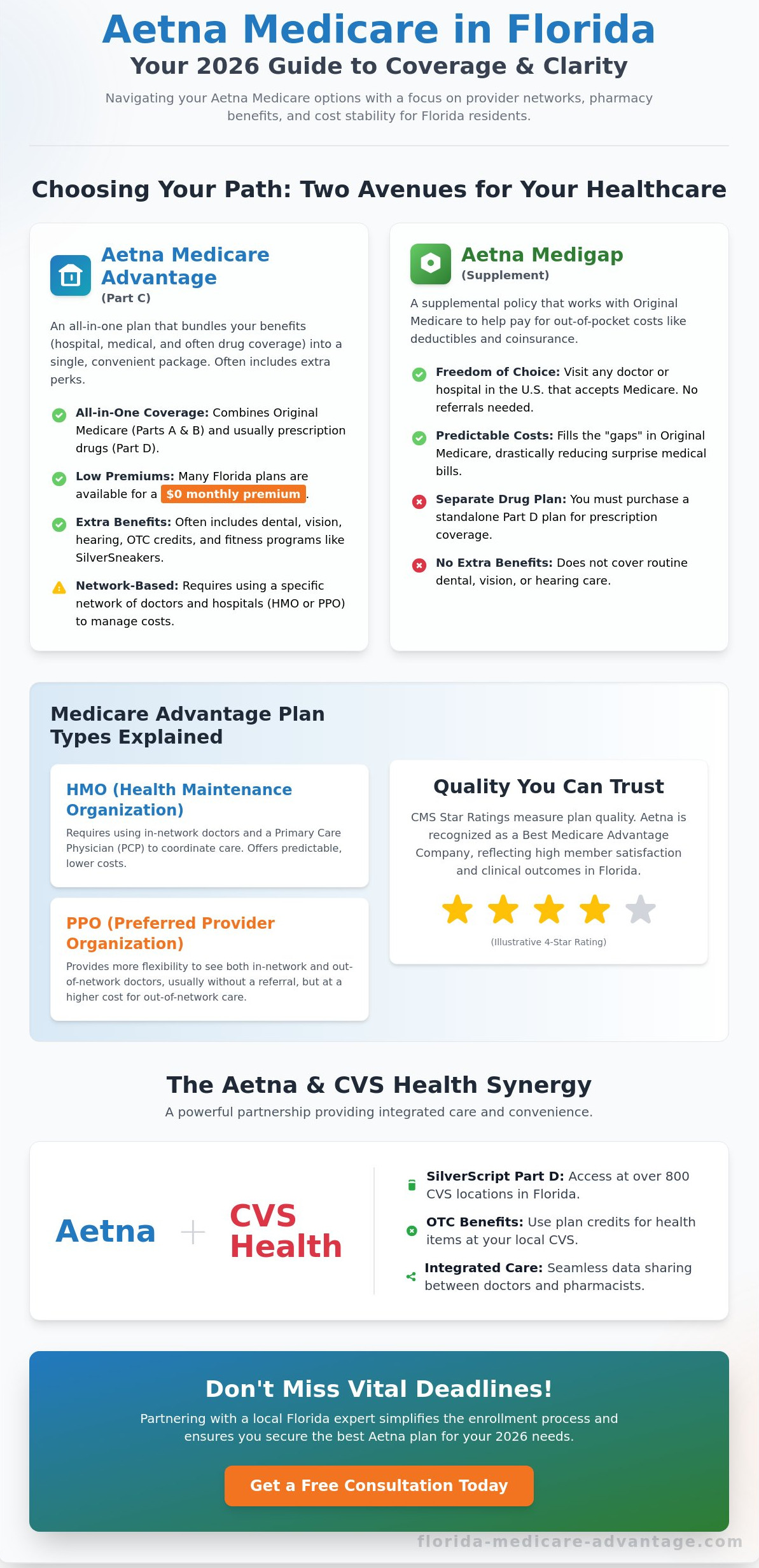
Aetna offers a variety of Medicare Advantage plans that utilize branding such as "Golden" to designate specific tiers of coverage, often associated with retiree benefits or regional specialized offerings. These plans combine Part A and Part B benefits into a single policy, frequently including integrated prescription drug coverage and additional wellness benefits designed for seniors and individuals with specific health requirements.
Clarifying the Terminology: What is an Aetna Golden Medicare Plan?
When searching for an "Aetna golden medicare plan," you are likely encountering a naming convention used for specific Medicare Advantage (Medicare Part C) products. It is important to clarify that "Golden" is not a standardized federal term; rather, it is a product name used by Aetna, a CVS Health company, to distinguish specific plan designs. In many cases, these plans are categorized under Aetna’s broader "Medicare Eagle" or "Medicare Silver" portfolios, or they are specific group retiree plans branded as "Golden" for institutional clients.
To effectively navigate these options, you must first verify whether you are looking at an Individual Medicare Advantage plan or a Group Medicare Advantage plan. Group plans are typically negotiated between a former employer or union and Aetna, meaning the "Golden" benefits are customized for that specific group and may not be available to the general public. Individual plans, conversely, are available to any Medicare-eligible resident in the plan's service area.
Eligibility and Enrollment Prerequisites
Before evaluating the nuances of an Aetna Medicare plan, you must meet the foundational requirements for Medicare enrollment. Under current federal guidelines in 2026, you generally qualify for Medicare if you are 65 or older, or if you are under 65 and have certain disabilities, such as End-Stage Renal Disease (ESRD) or Amyotrophic Lateral Sclerosis (ALS).
To enroll in an Aetna Medicare Advantage plan, you must:
- Be enrolled in Medicare Part A (Hospital Insurance).
- Be enrolled in Medicare Part B (Medical Insurance).
- Reside within the specific service area of the Aetna plan you are selecting.
- Not have End-Stage Renal Disease (with limited exceptions).
The timing of your enrollment is governed by the Initial Enrollment Period (IEP), which begins three months before your 65th birthday and ends three months after. If you miss this window, you may need to wait for the Annual Enrollment Period (AEP), which occurs from October 15 to December 7 each year, or a Special Enrollment Period (SEP) if you experience a qualifying life event, such as moving to a new service area or losing creditable employer-sponsored coverage.
Comparing Aetna Medicare Advantage Features
Aetna’s Medicare Advantage offerings, including those often referred to under various branding tiers, typically follow the structure of Health Maintenance Organizations (HMO) or Preferred Provider Organizations (PPO). Understanding these structures is vital for determining your out-of-pocket costs and access to specialists.
| Feature Type | HMO (Health Maintenance Organization) | PPO (Preferred Provider Organization) |
|---|---|---|
| Provider Network | Generally limited to in-network providers. | Offers in-network and out-of-network access. |
| Referrals | Usually required to see a specialist. | Typically not required for specialists. |
| Flexibility | Lower premiums but less provider choice. | Higher flexibility with potentially higher costs. |
| Out-of-Network | Not covered except for emergencies. | Partial coverage for out-of-network care. |
Choosing between these two models depends on whether you have established relationships with specific physicians who are in a particular network and whether you value the freedom to see providers without primary care physician referrals.
Essential Coverage Components
Aetna plans are designed to simplify the management of your health by consolidating coverage. When evaluating a specific plan, you should look for four core pillars:
1. Hospital and Medical Services
Every Aetna Medicare Advantage plan is required to cover at least the same benefits as Original Medicare (Parts A and B). This includes inpatient hospital stays, outpatient surgery, physician visits, and laboratory services. However, Aetna often augments this with lower copayments or coinsurance for common procedures, effectively reducing the financial barrier to accessing care.
2. Prescription Drug Coverage (Part D)
Most Aetna Medicare Advantage plans include integrated Part D coverage. This is a critical component to verify, as it covers medications under a formulary—a list of drugs covered by the plan. Always check if your current daily medications are on the plan’s 2026 formulary and which tier they fall under, as tier placement directly dictates your copayment amount.
3. Supplemental Benefits
Modern Medicare Advantage plans frequently include "extra" benefits that Original Medicare does not provide. Common additions in Aetna plans include:
- Dental, Vision, and Hearing: Coverage for routine exams, cleanings, eyewear, and hearing aids.
- Fitness Programs: Access to the SilverSneakers® program or similar health club memberships.
- Telehealth: The ability to consult with healthcare providers via video or phone, which is increasingly standard in 2026 for non-emergency medical needs.
4. Out-of-Pocket Maximums
One of the most significant advantages of an Aetna Medicare Advantage plan is the Maximum Out-of-Pocket (MOOP) limit. Original Medicare does not have a cap on how much you might pay for covered services in a year. Aetna plans set a ceiling; once you reach that limit in a calendar year, the plan pays 100% of covered medical costs for the remainder of that period, providing essential financial protection against catastrophic health events.
Evaluating Costs Beyond Premiums
When examining the costs associated with an Aetna Medicare plan, do not look at the monthly premium in isolation. Often, a plan with a $0 monthly premium may have higher copayments for specialist visits or inpatient admissions. You should calculate your "Total Expected Annual Cost," which includes:
- Monthly Premiums: The fixed cost paid to the insurer, even if you do not use medical services.
- Deductibles: The amount you pay out-of-pocket before the plan begins to share costs.
- Copayments/Coinsurance: The flat fee (copayment) or percentage (coinsurance) you pay for each visit, procedure, or prescription fill.
- Network Status: The difference in cost between visiting a preferred provider and an out-of-network provider.
Common Pitfalls and Troubleshooting
Navigating Medicare requires attention to detail. Many beneficiaries fall into the trap of choosing a plan based solely on a high-profile advertisement or a recommendation from a friend without checking if their specific local hospital or doctor accepts that exact Aetna plan.
Mistake 1: Assuming all Aetna plans are the same. Aetna offers different plans in different counties. Even if a plan is titled "Golden" in one zip code, the benefits and network in a neighboring county may differ significantly. Always use your specific zip code when retrieving plan documents.
Mistake 2: Ignoring the Pharmacy Network. Even if a plan covers your medication, your preferred pharmacy might not be in the plan's preferred network. Filling a prescription at a non-preferred pharmacy can result in significantly higher costs. Check both the drug formulary and the pharmacy directory.
Troubleshooting Enrollment or Coverage Denials: If you encounter issues—such as a denied claim or trouble with enrollment processing—the first step is to contact the member services department listed on your Aetna member ID card. If the issue involves a disagreement over a coverage decision, you have a formal right to file an appeal. The Summary of Benefits document provided by Aetna will outline the specific steps for filing an appeal, which involves submitting documentation from your physician regarding the "medical necessity" of the service.
How to Select the Right Plan for Your Needs
To select the most appropriate plan for 2026, take the following systematic approach:
- Inventory Your Needs: List your current medications, dosages, and the doctors you visit regularly.
- Review the Provider Directory: Use the online Aetna search tool to confirm that your doctors are in the network of the specific plan you are considering.
- Compare Formularies: Ensure your medications are covered and see which tier they occupy. Check for "Prior Authorization" or "Step Therapy" requirements, which are rules that may require you to try a cheaper alternative medication before the plan covers a more expensive one.
- Examine the Summary of Benefits (SOB): This document is the gold standard for understanding your potential costs. Pay close attention to the MOOP and the cost-sharing for inpatient hospital stays.
- Seek Independent Advice: You can contact the State Health Insurance Assistance Program (SHIP) for unbiased, free counseling. They do not sell insurance and can help you compare plans based strictly on your personal health requirements.
Frequently Asked Questions
Does Aetna provide Medicare plans for retirees through former employers? Yes. Many "Golden" or similarly branded plans are actually Group Medicare Advantage plans. If you are a retiree, contact your former employer's benefits administrator to see if they offer an Aetna plan and what specific benefits that contract includes, as these are often exclusive to that organization.
Can I switch my Aetna Medicare plan if I am unhappy with it? You can generally only change your Medicare Advantage plan during the Annual Enrollment Period (October 15 – December 7) or if you qualify for a Special Enrollment Period (SEP). Changes typically take effect on the first of the following month.
Do all Aetna Medicare Advantage plans cover dental services? Not all plans provide the same level of dental coverage. Some offer basic preventative care (cleanings and exams), while others provide comprehensive coverage (fillings, crowns, or extractions). You must check the specific plan's Summary of Benefits to see the scope of dental services included.
What happens if my doctor stops accepting my Aetna plan? Aetna will typically provide notice if there are changes to their provider network. If a physician leaves the network, you may need to find a new in-network provider to keep your costs lower. If you are undergoing an active course of treatment, there may be "continuity of care" provisions that allow you to continue seeing that provider for a limited time.
Are Aetna Medicare Advantage plans the same as Medigap (Medicare Supplement Insurance)? No. They are fundamentally different. Medigap policies only supplement Original Medicare and do not include prescription drug coverage (you would need a separate Part D plan). Aetna Medicare Advantage plans are an alternative way to receive your Medicare benefits, replacing Original Medicare for your medical and hospital coverage.
Final Recommendation
When considering an Aetna Medicare plan, your primary focus should be the "Summary of Benefits" document for your specific zip code. Do not rely on generic marketing materials or broad branding. Verify your specific provider network and medication formulary before committing to an enrollment. If you are transitioning from employer coverage, ensure you coordinate with your benefits department to understand how an Aetna plan integrates with any remaining employer-sponsored benefits you may be eligible to retain.