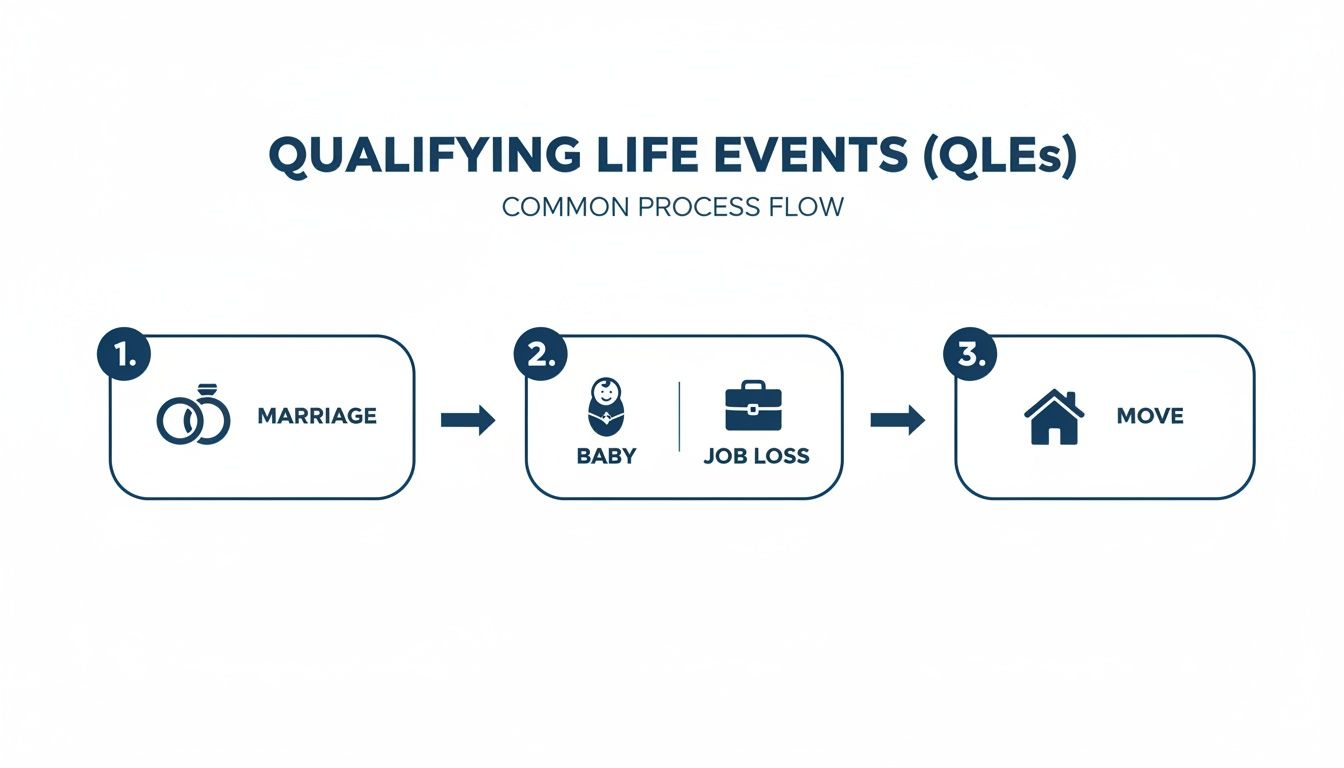
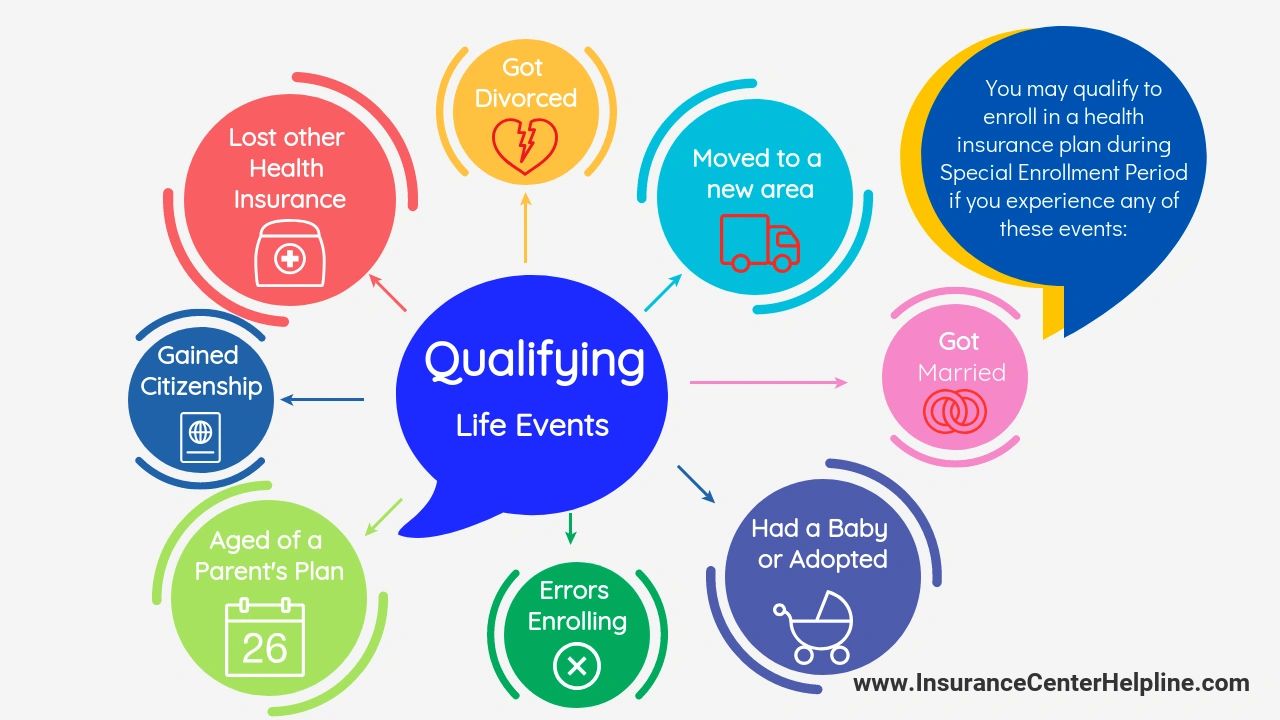
When your life circumstances shift—such as getting married, welcoming a new child, or losing other health coverage—you encounter what insurance regulators call a Qualifying Life Event (QLE). These events trigger a Special Enrollment Period (SEP), allowing you to modify your health insurance policy outside the standard annual open enrollment window. Understanding how to leverage this window is essential for maintaining continuous, comprehensive healthcare coverage during periods of significant personal transition.
Understanding the Special Enrollment Period (SEP)
The standard health insurance market operates on a cycle defined by Open Enrollment, a specific timeframe during which individuals can sign up for or change plans. However, life does not always adhere to a calendar-based schedule. The Special Enrollment Period is a regulatory protection designed to ensure that individuals who experience involuntary changes in their personal or financial status are not left without access to necessary medical coverage.
A Special Enrollment Period typically lasts for 60 days following the date of the qualifying life event. During this time, you have the legal standing to select a new health insurance plan or adjust your current coverage level to match your new needs. If you miss this 60-day window, you generally must wait until the next annual Open Enrollment period to make changes, which could leave you underinsured or without coverage for an extended duration.
Qualifying Life Events: What Qualifies?
Not every life change qualifies for a Special Enrollment Period. Insurance providers and government exchanges define these events strictly to prevent adverse selection, where individuals might only purchase insurance when they anticipate high medical costs. Common qualifying life events recognized under current insurance guidelines include:
- Loss of Essential Health Coverage: This includes losing job-based coverage, aging out of a parent’s plan, or the expiration of COBRA (Consolidated Omnibus Budget Reconciliation Act) benefits.
- Changes in Household Size: Marriage, divorce, the birth or adoption of a child, or the death of a policyholder are primary triggers.
- Changes in Residence: Moving to a new ZIP code or county that offers different plan options can qualify you for a change, provided you had minimum essential coverage for at least one day in the 60 days prior to the move.
- Income Changes: Certain changes in household income that impact your eligibility for Marketplace subsidies or Medicaid can create a special window.
- Change in Enrollment Status: Becoming a U.S. citizen, leaving incarceration, or a change in status for members of federally recognized tribes.
The Process of Advocating for Coverage Changes
Advocating for yourself when seeking coverage following a life event requires meticulous documentation. You are essentially proving to an insurance provider or a government marketplace that you have experienced a verified disruption in your status.
First, gather all relevant legal documentation. If the event is a marriage, you will need your marriage certificate. If it is the birth of a child, the birth certificate or hospital records are required. If you have lost employer-sponsored coverage, you must obtain a "Letter of Creditable Coverage" or a termination notice from your previous insurer or employer.
Second, verify the "effective date" of your new coverage. In many cases, if you select a plan before the 15th of the month, your coverage may begin on the first day of the following month. If you enroll after the 15th, coverage may be delayed until the month after next. Understanding these timelines is crucial to ensure there is no gap in coverage between your old plan and your new one.
Comparing Coverage Options After a Life Event
When you are triggered into a Special Enrollment Period, you are not limited to your previous carrier. This is an opportune time to reassess your healthcare needs. A major life event often dictates a change in utilization—for instance, a growing family may require a plan with a lower deductible or a different provider network that covers local pediatricians.
| Feature | Employer-Sponsored Plan | Marketplace (ACA) Plan | Short-Term Insurance |
|---|---|---|---|
| Eligibility | Employment-based | Residence/Life Event | Varies by state |
| Pre-existing Conditions | Guaranteed coverage | Guaranteed coverage | Often excluded |
| Subsidies | Usually unavailable | Income-based | None |
| Enrollment | Often automatic/SEP | 60-day window | Year-round |
While short-term or "bridge" plans may appear cost-effective, they frequently do not meet the standards of the Affordable Care Act (ACA), meaning they may not cover essential health benefits like maternity care, mental health services, or chronic condition management. Always prioritize plans that offer comprehensive coverage to avoid high out-of-pocket costs during times of transition.
The Financial Implications of Changing Coverage
Adjusting your health insurance during a mid-year life event can have significant financial consequences. If you are moving from an individual plan to a family plan, your premiums will naturally increase. Conversely, if you are transitioning from a spouse’s plan to your own, you may experience a shift in tax liability if you qualify for Premium Tax Credits through the Health Insurance Marketplace.
It is vital to use the Marketplace calculators to determine if your new household income makes you eligible for cost-sharing reductions. Even if you earn a higher income than you did previously, the addition of new dependents can change your eligibility for assistance. Never assume that your previous financial status dictates your current insurance affordability.
Common Pitfalls and How to Avoid Them
The most frequent error applicants make is assuming that the grace period for enrollment applies to the date they learned about the event rather than the date the event occurred. If you move to a new state on January 1st, your 60-day clock begins on January 1st, regardless of when you finally unpack your boxes or update your driver's license.
Another common mistake is failing to verify the network status of your current medical providers. A plan that looks ideal on paper may not include your primary care physician or your preferred specialist in its network. Use the provider search tools on the insurance company’s website to confirm that your doctors remain "in-network" before you commit to a plan change.
Lastly, do not wait until the final days of your 60-day window. Technical glitches, verification delays, or missing documentation can easily push you past the deadline. Submitting your application at least two weeks before your window closes provides a buffer for troubleshooting.
Frequently Asked Questions
1. Does moving to a new apartment in the same city qualify as a move? Generally, no. To qualify for a Special Enrollment Period based on a move, you must move to a new rating area. This typically involves moving to a different county or ZIP code where the available insurance plans are different.
2. Can I change my coverage if I simply find a cheaper plan? Finding a cheaper plan mid-year does not, by itself, qualify you for a Special Enrollment Period. You must experience a qualifying life event to trigger the ability to change plans outside of the annual Open Enrollment window.
3. What happens if I fail to provide documentation for my life event? If you apply for coverage via an SEP but fail to submit the requested proof (such as a birth or marriage certificate) within the specified timeframe, your application will likely be denied, and any premiums paid may be refunded. Your coverage will not take effect.
4. Can I add only one family member to my plan during an SEP? Yes. A life event like the birth of a child allows you to add that child to your existing plan or switch to a family plan that covers everyone. You have the flexibility to choose the configuration that best suits your family’s needs during the enrollment process.
5. Is the 60-day window the same for all types of insurance? While the 60-day rule is standard for Marketplace (ACA) plans, employer-sponsored plans may have different administrative deadlines. Always consult your Human Resources department immediately following a life event to ensure you comply with internal company policies, which may be more restrictive than federal requirements.
Final Next Steps for Policyholders
If you are currently navigating a life-changing event, prioritize these three steps to secure your coverage:
- Notify your current insurer or employer: Alert them to the life event immediately to see if you can modify your current plan internally.
- Verify your documents: Keep digital and physical copies of your marriage license, birth certificates, or proof of termination from previous coverage in a single folder.
- Consult the Health Insurance Marketplace: If you are losing employer coverage, visit your state’s health insurance exchange or HealthCare.gov to compare available plans for which you may be eligible based on your new circumstances.
By acting proactively and maintaining strict adherence to the 60-day verification window, you ensure that your healthcare security remains intact despite the volatility of life's transitions.