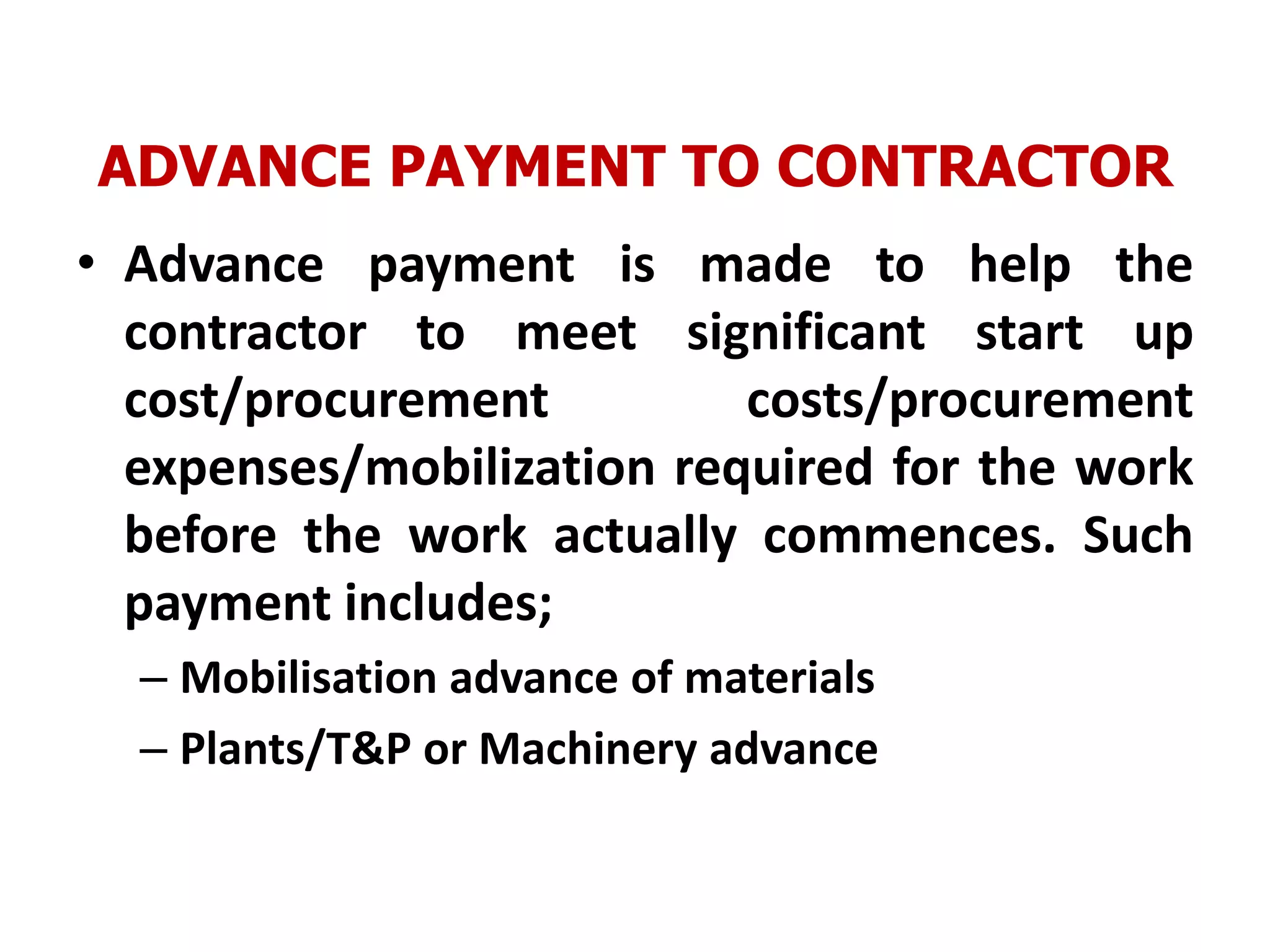
A corporate advance is a temporary financial arrangement where an employer provides funds to an employee before they are officially earned or to cover authorized business expenses. This mechanism bridges immediate liquidity needs and standard payroll or expense reimbursement cycles, operating under specific legal, tax, and accounting protocols.
Defining the Corporate Advance
To understand how a corporate advance works, it is essential to distinguish it from a standard salary, a traditional bank loan, or an unvouched cash bonus. A corporate advance represents an outlay of company capital issued to an individual—most commonly an employee, contractor, or corporate officer—with the explicit expectation that the funds will either be repaid in cash, offset against future earnings, or substantiated through valid business expense documentation.
Corporate finance departments use advances to keep operations moving forward without placing undue personal financial strain on staff members. For example, when an employee must travel internationally for a high-stakes client acquisition meeting, the out-of-pocket costs for flights, lodging, and client entertainment can easily total thousands of dollars. Requiring an employee to absorb these costs until a standard bi-weekly reimbursement cycle processes can create severe financial hardship. A corporate advance mitigates this barrier by supplying company funds upfront.
However, because these funds belong to the organization until they are formally earned or accounted for, they are subject to rigorous internal controls. Accounting teams track advances closely to ensure compliance with corporate governance policies, labor regulations, and tax laws. Mismanaged advances can trigger complex tax liabilities, turning what was intended as a helpful financial bridge into a taxable fringe benefit or a disputed debt.
Common Types of Corporate Advances
Organizations structure corporate advances in several distinct ways depending on the underlying business purpose. Recognizing these variations helps clarify the mechanics of issuance, tracking, and resolution.
Expense Advances
Expense advances are disbursed to cover anticipated business costs. These are most prevalent in industries involving frequent travel, field service operations, or remote project execution. The employee receives a specific sum for a defined trip or project. After the activity concludes, the employee must submit itemized receipts and expense reports. Any unused funds must be returned to the company immediately, while valid expenses are cleared against the advance balance.
Salary or Wage Advances
A salary advance is an early payout of earned wages or an advance against future earnings. If an employee faces an unexpected emergency—such as urgent medical bills or emergency home repairs—some corporate policies permit them to draw a portion of their upcoming paycheck early. Unlike a payday loan, a salary advance carries little to no interest, but it directly reduces the net pay of the subsequent paycheck to clear the ledger balance.
Officer and Executive Advances
Corporate advances to executive officers or board members are subject to heightened regulatory scrutiny, particularly under modern corporate governance standards like the Sarbanes-Oxley Act in the United States. These advances often involve larger sums, such as relocation allowances, equity exercise financing, or emergency bridging loans. Because executives possess significant control over corporate resources, these transactions require explicit board approval and transparent financial disclosures to prevent conflicts of interest or unlawful loans.
| Type of Advance | Primary Purpose | Settlement Method | Typical Duration |
|---|---|---|---|
| Expense Advance | Anticipated business travel or project costs | Expense reports and receipt reconciliation | 1 to 4 weeks |
| Salary Advance | Personal liquidity or emergency bridge | Payroll deduction from upcoming paychecks | 1 pay cycle |
| Executive Advance | Relocation, bridge financing, or authorized perks | Contractual repayment terms or bonus offset | Varies (Months to Years) |
The Mechanics: From Request to Resolution
The lifecycle of a corporate advance follows a structured workflow designed to protect company assets while providing necessary liquidity. Each stage requires specific documentation and administrative oversight.
1. Request and Business Justification
The process begins when an employee submits a formal request. This document outlines the required amount, the precise business or personal justification, and a timeline for settlement. For expense advances, this request typically coincides with approved travel itineraries or project budgets. For salary advances, human resources and payroll departments review the request against company policy limits, which usually cap advances at a fraction of the employee's gross monthly earnings.
2. Approval Workflow
Once submitted, the request moves through a multi-tier approval chain. Direct supervisors must verify the operational necessity, while finance or accounting departments evaluate liquidity and credit risk. If the advance involves executive leadership, compensation committees or legal counsel may need to review the terms to ensure compliance with corporate bylaws and statutory regulations.
3. Disbursement of Funds
Upon final approval, the finance department disburses the funds. This is typically executed via direct deposit into the employee's primary bank account, though corporate check issuance or loading funds onto a corporate travel card are also common methods. The accounting team records the disbursement as an asset (a receivable from the employee) on the corporate balance sheet rather than an immediate operating expense.
4. Utilization and Monitoring
The recipient utilizes the funds for the approved purpose. During this phase, the employee holds fiduciary responsibility for the money. For expense advances, maintaining meticulous records of every transaction is mandatory. Losing receipts or spending advance funds on unauthorized personal items breaches corporate policy and accelerates repayment demands.
5. Settlement and Reconciliation
The final phase involves clearing the advance from the corporate ledger. For expense advances, the employee submits an expense report matching the disbursed amount against actual receipts. Any surplus cash is refunded to the organization via payroll deduction or direct check. For salary advances, the payroll processor automatically deducts the advanced amount from the employee's next standard paycheck.
Tax Implications and Regulatory Considerations
Handling corporate advances incorrectly can lead to severe tax complications for both the employer and the employee. Tax authorities, such as the U.S. Internal Revenue Service (IRS), maintain strict guidelines distinguishing legitimate business reimbursements and bona fide wage advances from taxable income.
Under an accountable plan, expense advances are not treated as taxable income to the employee, provided they meet three strict criteria:
- Business Connection: The expenses must have a direct business connection, meaning the employee incurred them while performing services for the employer.
- Substantiation: The employee must substantiate the expenses within a reasonable period, typically providing receipts, dates, amounts, and business purposes.
- Return of Excess: The employee must return any advance amounts that exceed substantiated expenses within a reasonable timeframe.
If an advance does not meet these criteria—for instance, if an employee fails to submit receipts for an expense advance within the company's mandated window—the tax authorities may recharacterize the unverified advance as taxable wages. In such cases, the employer is legally obligated to report the amount on the employee's Form W-2 (or regional equivalent), withholding income and employment taxes accordingly. Furthermore, large or unrecovered corporate advances to executives can be scrutinized as disguised corporate distributions or prohibited loans under securities laws.
Advantages and Disadvantages of Corporate Advances
Like any financial tool, corporate advances offer distinct operational benefits alongside notable administrative and financial risks.
Benefits for Employees
- Elimination of Out-of-Pocket Burden: Employees do not need to drain personal savings or max out personal credit cards to fund company operations or business travel.
- Emergency Financial Relief: Salary advances offer a safe, non-predatory alternative to payday lenders or high-interest credit card cash advances during personal crises.
- Equitable Participation: Ensures that lower-income or mid-level employees can participate in mandatory travel or client-facing projects without facing personal financial exclusion.
Benefits for Employers
- Operational Agility: Enables rapid deployment of staff for time-sensitive projects, client meetings, or emergency field repairs without administrative bottlenecks.
- Control Over Expenses: Advance tracking encourages employees to stay within established project budgets and adhere to corporate travel guidelines.
- Talent Retention: Offering flexible support options like salary advances enhances employee satisfaction and organizational loyalty.
Risks and Drawbacks
- Administrative Overhead: Accounting teams must invest significant time tracking, auditing, and reconciling open advances to prevent fraud or ledger discrepancies.
- Default and Recovery Risk: If an employee leaves the company—voluntarily or involuntarily—before an advance is settled, recovering the funds can become legally complex and costly.
- Cash Flow Friction: Disbursing cash upfront temporarily ties up organizational liquidity, requiring careful working capital management.
Best Practices for Managing Corporate Advances
To maximize the utility of corporate advances while minimizing risk, organizations must establish clear, enforceable policies. A robust corporate advance framework relies on several core components:
- Written Policy Documentation: Every organization should maintain a transparent, easily accessible employee handbook policy detailing who is eligible for advances, maximum limits, allowed purposes, and strict settlement deadlines.
- Automated Expense Platforms: Utilizing modern expense management software helps automate receipt collection, tracks advance balances in real-time, and flags overdue reconciliations before they become financial liabilities.
- Prompt Reconciliation Windows: Establishing tight turnaround times—such requiring expense advance reconciliation within five business days of trip completion—drastically reduces lost receipts and uncollected balances.
- Clear Exit Protocols: Human resources and payroll departments must coordinate exit interviews and final paycheck calculations to ensure any outstanding salary or expense advances are fully deducted from termination payouts, where legally permitted by local labor laws.
Corporate advances remain a vital bridge between organizational capital and individual execution. By balancing access with stringent oversight, businesses can empower their workforce while protecting their financial integrity.