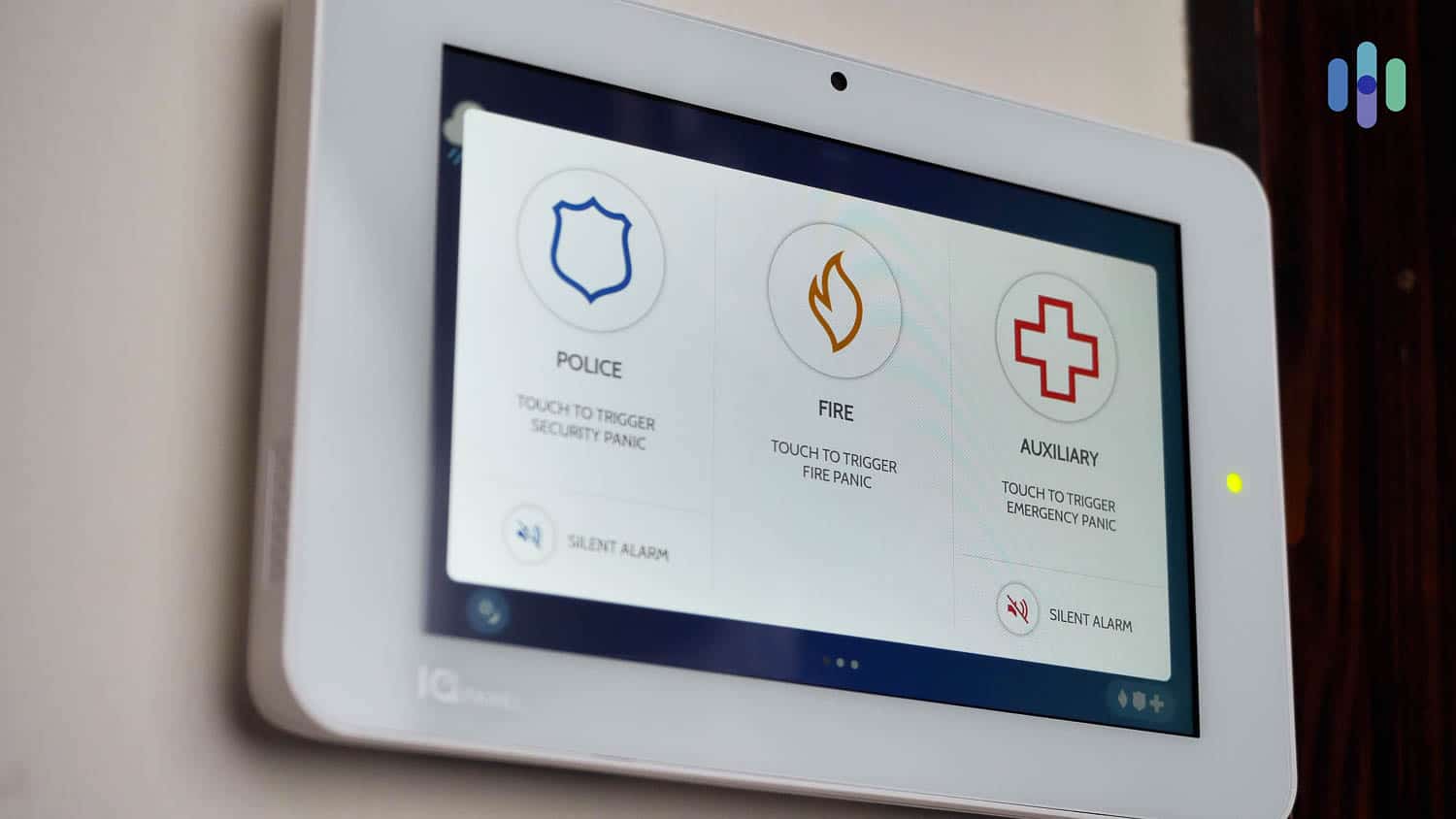
ADT Canada home security services provide 24/7 professional central station monitoring, environmental safety detection, and integrated smart home automation for residential and commercial properties across Canada. Following the acquisition of ADT Canada by TELUS in late 2019, residential services operate primarily under the TELUS SmartHome Security banner while retaining legacy ADT infrastructure, cellular monitoring networks, and hardware support.
Understanding ADT in Canada: Acquisition and Service Evolution
For decades, ADT Security Services Canada, Inc. was the primary provider of monitored electronic security for Canadian homeowners. In November 2019, Canadian telecommunications provider TELUS acquired ADT Security Services Canada for approximately $700 million CAD. This transaction included the rights to ADT’s Canadian customer base, operational centers, and service infrastructure across all ten provinces.
As a result of this transition, original ADT residential operations in Canada were integrated into TELUS SmartHome Security. While the ADT logo and brand continue to operate independently within the United States, Canadian residential home security services previously sold as ADT Canada are now supported, billed, and serviced through the TELUS network. Existing legacy ADT panel installations retain their continuous monitoring links to local Canadian central monitoring stations, while new subscribers access updated smart hardware and unified cellular backbones under the TELUS ecosystem.
Understanding this operational structure is essential for Canadian consumers evaluating home security options. Whether managing a legacy ADT security system (such as an Command, Safewatch Pro, or DSC panel) or selecting a new home alarm package, the underlying monitoring infrastructure relies on Canadian central alarm stations compliant with Underwriters Laboratories of Canada (ULC) standards.
Core Components of ADT and TELUS Home Security Services
Monitored security in Canada combines perimeter detection, interior intrusion monitoring, environmental sensors, and continuous central station communications. The core components of modern and legacy ADT services in Canada encompass several primary security layers:
- Sensors & Cameras
- Smart Control Panel
- Dual-Path LTE/IP
- ULC Central Monitoring Station
- Local Emergency Dispatch
1. 24/7 Professional Central Station Monitoring
Professional monitoring remains the centerpiece of the ADT security service model. Unlike self-monitored systems that rely solely on smartphone push notifications, professionally monitored systems maintain a constant link to ULC-listed monitoring centers situated in Canada.
When an intrusion sensor, smoke alarm, or panic button triggers:
- Signal Transmission: The control panel transmits an encrypted alarm event via dedicated cellular (LTE) networks or dual-path IP connections.
- Verification Protocol: Trained monitoring operators receive the alert within seconds and initiate two-way communication or call contact numbers listed on the account to verify the emergency.
- Emergency Dispatch: If the alarm is confirmed or if the property owner cannot be reached, operators immediately contact local municipal emergency services (police, fire department, or emergency medical services).
2. Intrusion Detection Hardware
Physical security detection relies on specialized hardwired or wireless sensors positioned strategically around the building envelope:
- Door and Window Contacts: Magnetic reed switches installed on entry points detect when a door or window opens, breaking the electrical circuit and alerting the central panel.
- Motion Detectors: Passive Infrared (PIR) sensors track thermal heat signatures moving across a field of view. Modern units feature pet-immunity settings, ignoring small animals under 18 to 36 kilograms (40 to 80 pounds) to reduce false alarms.
- Glass Break Detectors: Acoustic sensors tuned to the specific dual-frequency audio signatures of breaking plate, tempered, or laminated glass. A single glass break detector can cover all windows within a 7.6-meter (25-foot) line-of-sight radius.
3. Environmental Hazard Protection
ADT security services extend beyond burglary prevention to protect homes from severe structural damage caused by environmental events common in Canadian climates:
- Monitored Smoke and Heat Detectors: Unlike standard battery-operated smoke alarms, monitored units remain active 24/7 regardless of system arming status, automatically dispatching the fire department even when the home is unoccupied.
- Carbon Monoxide (CO) Sensors: Electrochemical sensors detect dangerous levels of odorless carbon monoxide gas generated by furnaces, water heaters, or attached garages.
- Flood and Low-Temperature Sensors: Critical for Canadian winter conditions, these sensors alert monitoring stations to plumbing leaks or furnace failures before ambient indoor temperatures drop below freezing, preventing costly burst pipes.
Smart Home Automation and Mobile App Integration
Modern home security in Canada bridges traditional alarm monitoring with Z-Wave smart home automation. Managed through smartphone applications (such as the TELUS SmartHome app or Alarm.com platform), users control their entire security perimeter remotely.
- UNIFIED MOBILE PLATFORM
- SECURITY CONTROLS
- Arm / Disarm System
- Real-Time Sensor Status
- Event Log History
- Instant Push Alerts
- AUTOMATION & CAMERAS
- Smart Door Lock Management
- Thermostat & Energy Scheduling
- Live HD Video & Two-Way Audio
- Automated Geo-Fencing Rules
- SECURITY CONTROLS
Remote Arming and Disarming
Subscribers can check the status of their alarm system from any Location, arm the system in "Away" or "Stay" mode, or disarm the alarm for arriving family members, service workers, or guests. Real-time push notifications notify users when specific user codes disarm the panel.
Smart Access Control
By integrating Z-Wave deadbolts, homeowners can remotely lock or unlock doors, set up unique temporary access codes, and receive activity logs indicating exactly who entered the property and at what time.
Automated Climate Control
Integrating smart thermostats allows users to reduce heating overhead during harsh Canadian winters. Automated rules can lower target temperatures when the security system is armed to "Away" and automatically restore comfortable heating schedules upon disarming.
Video Surveillance & AI Detection
HD indoor, outdoor, and video doorbell cameras provide real-time streaming and cloud event recording. Modern video analytics utilize onboard machine learning algorithms to differentiate between humans, vehicles, animals, and background motion (such as blowing tree branches), reducing unnecessary mobile notification alerts.
ADT / TELUS Service Package Comparison
Security service offerings in Canada are categorized into structured package tiers based on hardware requirements and monitoring depth. The table below outlines standard service package configurations available for residential properties:
| Feature / Capability | Basic Security | Automation & Security | Complete Video & Security |
|---|---|---|---|
| Primary Target | Standard Intrusion Detection | Smart Access & Climate | Full Video & Automation |
| 24/7 Professional Monitoring | Included (ULC-Certified) | Included (ULC-Certified) | Included (ULC-Certified) |
| Cellular Signal Path | Dedicated LTE Panel Connection | Dedicated LTE Panel Connection | Dedicated Dual-Path (LTE/IP) |
| Control Panel Type | Digital Touchscreen Keypad | Touchscreen Smart Hub | Touchscreen Smart Hub |
| Perimeter Sensors | Doors/Windows & Motion | Doors/Windows & Motion | Doors/Windows & Motion |
| Smart Home Automation | Not Supported | Z-Wave Locks, Lights, Climate | Z-Wave Locks, Lights, Climate |
| Video Surveillance | None | None | Indoor/Outdoor HD & Doorbell |
| Video Analytics (AI) | Not Applicable | Not Applicable | Human/Vehicle Detection |
| Mobile App Access | Basic Arming/Status | Full Smart Automation Controls | Live Stream, Clips & Control |
| Standard Contract Term | 36 or 60 Months | 36 or 60 Months | 36 or 60 Months |
Technical Specifications and Wireless Protocols
Understanding the underlying communication standards ensures compatible hardware integration when expanding or repairing an existing installation.
- PANEL ARCHITECTURE
- Security RF Zone (319.5/345/433 MHz)
- Z-Wave Wireless Mesh (908.42 MHz Automation)
- Main Touchscreen Hub
- Dual-Path Cellular (Primary LTE Uplink)
- IP Wi-Fi Network (Camera Streams)
Security RF Frequencies
Traditional ADT legacy hardware operating in Canada relies on unencrypted or encrypted radio frequency (RF) bands to communicate between sensors and the central control unit:
- 319.5 MHz: Commonly used by Interlogix, GE, and Qolsys panels.
- 345 MHz: Standard frequency for Honeywell, Ademco, and 2GIG hardware.
- 433 MHz: Utilized by legacy DSC (Digital Security Controls) power-series hardware, widely installed throughout Western Canada and Ontario.
- PowerG (915 MHz): Advanced commercial-grade wireless frequency featuring multichannel Frequency Hopping Spread Spectrum (FHSS) and 128-bit AES encryption to resist radio jamming and extend battery life up to eight years.
Z-Wave Protocols
Smart devices (locks, light switches, thermostats, and water shutoff valves) communicate with the primary control hub using Z-Wave or Z-Wave Plus (908.42 MHz in North America). Z-Wave creates a mesh network, where each hard-wired AC-powered device acts as a repeater to extend signal coverage across larger residences.
Primary and Backup Signaling Channels
Modern installations utilize dual-path communication. The primary alert signaling path uses an integrated cellular transmitter (AT&T, Telus, or Rogers LTE networks) operating independently of residential electrical wiring, landlines, or home internet. If the home loses utility power, internal rechargeable backup battery systems sustain panel operation for up to 24 hours.
Installation Options: Professional vs. Self-Installation
Homeowners securing alarm services in Canada must choose between professionally installed configurations and self-installed (DIY) hardware packages.
Professional Installation
Under professional installation, an authorized field technician evaluates property entry points, conducts radio frequency signal tests, mounts equipment, wires power transformers, and configures zone parameters.
- Pros: Guaranteed sensor placement accuracy, physical mounting on hard surfaces (brick, steel, plaster), installation of hardwired elements, hands-on user training.
- Cons: Requires scheduled appointment windows, potential professional installation fees, fixed sensor positions.
Self-Installation (DIY Setup)
Modern security packages allow subscribers to receive pre-configured touchscreen control panels and wireless peel-and-stick sensors directly by mail.
- Pros: Zero technician scheduling, lower initial startup costs, easy movement of hardware for renters.
- Cons: Requires user configuration, potential placement errors (e.g., placing motion sensors near heat vents, causing false alarms), limited suitability for complex hardwired layouts.
Costs, Contracts, and Fee Structures
Operating an ADT / TELUS security system in Canada involves upfront hardware expenses, monthly subscription costs, and regional administrative licensing fees.
Monthly Monitoring Fees
Monthly residential monitoring service pricing typically ranges between $30 CAD and $60+ CAD per month, depending on selected tier features:
- Basic Monitoring: $30 – $40 CAD/month (Intrusion and basic environmental protection).
- Smart Security: $40 – $50 CAD/month (Adds smart lock, lighting, and thermostat control).
- Video & Smart Security: $50 – $65+ CAD/month (Includes multi-camera streaming, cloud video storage, and video analytics).
Equipment Charges
Depending on ongoing promotions and contract terms, basic security hardware bundles may be provided for $0 upfront in exchange for a multi-year service commitment. Upgraded hardware (such as outdoor cameras, touchscreen keypads, or smart door locks) can be purchased outright ($100 to $300 per device) or financed into monthly billing statements over 24 to 60 months.
Term Commitments
Standard residential security agreements in Canada generally mandate 36-month or 60-month contract commitments. Early termination penalties apply if a customer cancels services prior to agreement expiration, typically requiring payment of a percentage of the remaining monthly balance. Month-to-month service options exist primarily when consumers bring fully owned, compatible hardware to the network.
Municipal Alarm Permit Regulations
Many Canadian municipalities (including Calgary, Edmonton, Toronto, and Vancouver) enforce local alarm system bylaws. Homeowners must obtain a municipal alarm permit to allow police dispatch to their address.
- Annual permit fees range from $10 to $50 CAD.
- Unregistered properties may face steep fines or reduced police dispatch priority for unverified alarm signals.
- Most municipalities enforce "False Alarm Charges" for repeated unverified dispatch requests caused by user error or faulty third-party equipment.
Legacy ADT Canada Account Support and Transitions
Homeowners living in residences equipped with legacy ADT hardware installed prior to the TELUS acquisition frequently ask how to manage, convert, or upgrade their systems.
Hardware Compatibility
Most legacy ADT wall keypads (such as Honeywell Safewatch 3000 or DSC PowerSeries) use hardwired security zones connected to a central metal panel board. These legacy systems can often be updated rather than completely replaced:
- Communicator Upgrade: Replacing obsolete 2G/3G cellular communicators with modern LTE modules restores remote app access and 24/7 central station monitoring.
- Hardwire-to-Wireless Translators: Modules such as the Qolsys IQ Hardwire 16-F convert existing hardwired door and window loops into encrypted wireless signals recognized by modern touchscreen panels.
Account Administration
Billing statements, panel service appointments, and emergency contact updates for Canadian accounts are managed through TELUS SmartHome Security support channels. Existing contracts entered prior to late 2019 remain legally valid under their original terms until renewal, at which point accounts migrate fully to current TELUS monitoring agreements.
Pros and Cons of ADT / TELUS Home Security Services in Canada
Evaluating security services requires balancing system reliability against long-term financial commitments.
Advantages
- Proven Central Station Infrastructure: Redundant Canadian monitoring stations ensure quick alarm signal processing compliant with strict ULC standards.
- Comprehensive Sensor Ecosystem: Access to wide-ranging hazard protection, including low-temperature, water leak, carbon monoxide, and perimeter intrusion detection.
- Strong Cellular Coverage: Primary panel signals rely on established Canadian LTE wireless networks, bypassing vulnerable landlines and local home internet outages.
- Insurance Premium Discounts: Installing a professionally monitored home security system with fire and flood protection can qualify homeowners for discounts of 5% to 15% on property insurance policies.
Considerations & Limitations
- Contract Length: Standard 3-to-5-year binding agreements limit flexibility compared to contract-free self-monitored alternatives.
- Cancellation Penalties: Terminating service before contract expiration incurs costly early termination fees.
- Municipal Permit Requirements: Property owners must manage local police alarm permits and pay potential fines for false alarm dispatches.
Frequently Asked Questions
Does ADT still operate directly under the ADT name in Canada?
No. The residential operations of ADT Canada were acquired by TELUS in late 2019. New home security installations, customer service, and monitoring subscription plans are provided under the TELUS SmartHome Security brand. Legacy ADT hardware remains fully compatible and supported within this Canadian network.
Can I monitor an existing ADT Canada system myself without a contract?
Legacy ADT hardware installed as a standalone local alarm will trigger local sirens when doors open or motion is detected. However, remote app integration, push notifications, and 24/7 emergency dispatch require an active monthly monitoring subscription through a supported Canadian alarm service provider.
What happens to my security system during a power outage?
All standard ADT and TELUS control panels include an internal backup battery that provides power to the system for 12 to 24 hours during utility grid failures. Because signal transmission relies on dedicated LTE cellular communicators, the system can send emergency alarms to the central station even if electrical power and home Wi-Fi networks go offline.
Will pets trigger the home security motion sensors?
Standard security motion sensors utilize Passive Infrared (PIR) detection designed to ignore small animals weighing under 18 to 36 kilograms (40 to 80 pounds). Proper sensor mounting height and location selection by a technician prevent domestic pets from triggering false alarms.
How do emergency services get dispatched when an alarm goes off?
When a sensor triggers, the panel sends an alert signal to the Canadian central monitoring station. An operator immediately calls the primary phone numbers registered on the account to verify if the event is a false alarm. If there is no answer or the user confirms an actual emergency, the operator contacts the local municipal emergency communications center to dispatch police, fire, or paramedic services.
Summary and Recommended Next Actions
Selecting an appropriate security system requires matching property vulnerabilities with clear technical features and budget requirements:
- Conduct a Property Risk Audit: Identify critical entry points, basement floor drain locations for flood sensors, and main living areas needing motion or glass break coverage.
- Verify Municipal Bylaws: Check your local city or town office regarding home alarm permit requirements to ensure uninterrupted emergency dispatch capabilities.
- Inspect Existing Equipment: If your property already contains hardwired ADT sensors or DSC keypads, request a system takeover evaluation to reuse functional hardware and reduce initial startup expenses.
- Select the Right Service Tier: Choose basic intrusion protection if perimeter security is your sole requirement, or select video and automation tiers if remote door locking, climate management, and camera recording are essential.