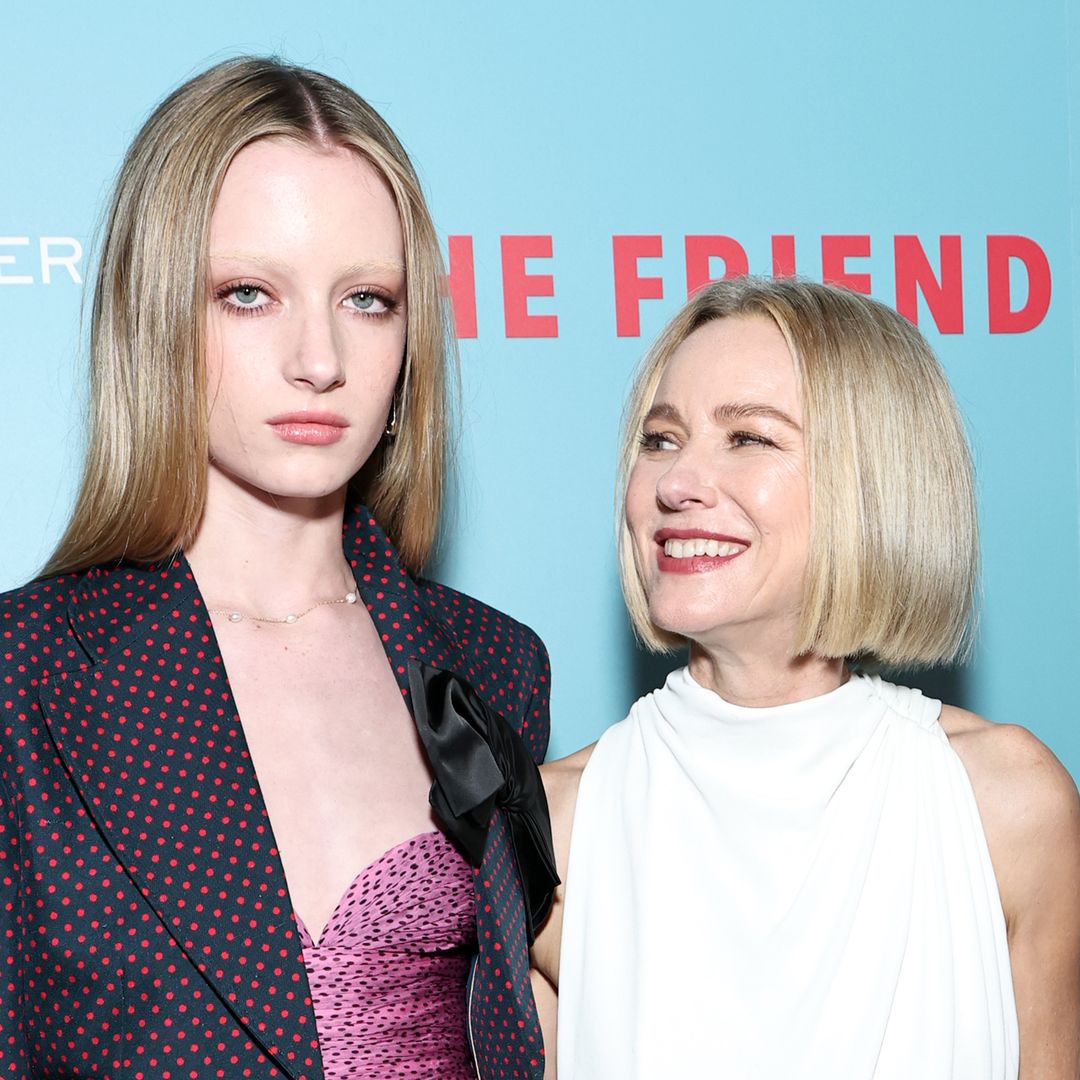
Naomi Watts is a critically acclaimed Anglo-Australian actress whose career is defined by her ability to navigate complex psychological roles, transforming from a struggling performer into an Academy Award-nominated Hollywood mainstay. Her journey, marked by both professional resilience and intentional personal privacy, reflects a career trajectory built on intense character study and artistic integrity.
The Early Years and Relocation
Born on September 28, 1968, in Shoreham, Kent, England, Naomi Ellen Watts experienced a peripatetic childhood. Following the death of her father, Peter Watts, a sound engineer who worked with Pink Floyd, and her parents' earlier separation, she moved extensively throughout England before settling in Australia at the age of 14. This period of transition profoundly influenced her perspective, fostering a sense of adaptability that would later become a hallmark of her acting style.
In Sydney, Watts began studying drama and pursued modeling, which eventually led to her first film appearance in For Love Alone (1986). However, the path to mainstream success was not immediate. Despite securing roles in Australian television and independent film—notably Flirting (1991), where she appeared alongside her lifelong friend Nicole Kidman—Watts spent a significant portion of the 1990s navigating the challenges of being an expatriate actor in Los Angeles. She frequently auditioned for high-profile projects but often found herself cast in minor or unfulfilling roles, a time she has frequently cited as a period of extreme professional stagnation.
The Breakthrough: Mulholland Drive
The pivot point in Watts's career occurred in 2001 with David Lynch’s surrealist neo-noir mystery, Mulholland Drive. Playing the dual role of Betty Elms—an aspiring actress—and Diane Selwyn, Watts delivered a performance that was widely considered a masterclass in duality. The film’s non-linear narrative and intense psychological demands required a high degree of technical precision, which brought Watts to the attention of the global film industry at age 33.
The critical reception of Mulholland Drive provided the credibility necessary for her transition into major studio productions. It effectively dismantled the "struggling actor" narrative that had defined her previous decade in Hollywood, proving that her range could sustain heavy, character-driven storytelling.
Establishing a Reputation in Dramatic Cinema
Following her breakthrough, Watts carefully selected projects that favored emotional depth over commercial spectacle. Her collaboration with director Alejandro González Iñárritu in 21 Grams (2003) resulted in her first Academy Award nomination for Best Actress. In the film, she portrayed Cristina Peck, a woman grappling with the tragic loss of her family. Her performance was noted for its raw, unfiltered depiction of grief, solidifying her reputation as one of the most capable dramatic actresses of her generation.
This era of her career also saw her venturing into large-scale productions, most notably Peter Jackson’s King Kong (2005). While blockbusters generally require a different technical approach compared to independent films, Watts brought an earnest, grounded quality to the character of Ann Darrow, ensuring that the film’s emotional core remained intact despite the heavy reliance on motion-capture technology and post-production visual effects.
Notable Career Milestones
The following table highlights key film projects that defined distinct phases of Watts's career trajectory:
| Film Title | Year | Genre | Significance |
|---|---|---|---|
| Mulholland Drive | 2001 | Mystery/Thriller | Career breakthrough; gained international acclaim. |
| 21 Grams | 2003 | Drama | First Academy Award nomination; critical validation. |
| King Kong | 2005 | Adventure/Fantasy | Entry into major studio franchise filmmaking. |
| The Impossible | 2012 | Biographical Drama | Second Academy Award nomination; physical endurance. |
| Birdman | 2014 | Black Comedy/Drama | Part of an ensemble that won the SAG Award. |
| Watcher | 2022 | Psychological Thriller | Demonstrates current interest in psychological genre work. |
Personal Life and Public Presence
While Naomi Watts is widely recognized for her work on screen, she has maintained a disciplined boundary between her professional life and her private affairs. She is the mother of two sons, Alexander "Sasha" and Samuel "Kai," from her long-term relationship with actor Liev Schreiber. The pair separated in 2016 after 11 years together, and they have been noted for their public commitment to co-parenting and maintaining a supportive family dynamic post-separation.
In 2023, Watts married actor Billy Crudup. Her personal life, particularly her experiences with aging in the public eye, has become a point of advocacy for her. Watts has been vocal about the importance of destigmatizing menopause, partnering with various health initiatives to provide information and support to women navigating mid-life transitions. By framing her personal experiences as universal rather than exceptional, she has aligned her public persona with themes of accessibility and common human experience.
Navigating the Industry as a Lead and Producer
In recent years, Watts has expanded her influence beyond performance by taking on roles as an executive producer. This move allows her to influence the development phase of projects, ensuring that the narratives she supports align with her creative interests. Producing requires a different skill set than acting, involving the management of budgets, the acquisition of rights, and the coordination of production schedules, all of which Watts has balanced with her ongoing acting commitments.
Her involvement in producing, particularly in psychological thrillers like The Watcher and Penguin Bloom, reflects a desire to curate stories that explore themes of family resilience, trauma, and identity. This shift is common among established actors who seek to protect the quality of their work and ensure that they are not relegated to one-dimensional roles as they progress through different stages of their careers.
Frequently Asked Questions
What is Naomi Watts's current focus in her acting career? As of 2026, Watts continues to balance lead roles in psychological thrillers with independent dramas. She has also increased her focus on executive production, allowing her to have more creative control over the projects she participates in, often favoring stories that prioritize character development over high-concept action.
Did Naomi Watts win an Academy Award? While Naomi Watts has received two Academy Award nominations for Best Actress (21 Grams and The Impossible), she has not yet won an Oscar. However, she has received numerous accolades, including multiple Screen Actors Guild (SAG) Award nominations and various international film festival honors.
How does Naomi Watts balance her career and family? Watts has frequently spoken about the logistical challenges of balancing film production schedules with raising two children. She has been noted for her collaborative approach to co-parenting with Liev Schreiber, which has allowed both parties to maintain active careers while ensuring stability for their family.
What is the significance of Naomi Watts’s work regarding menopause awareness? Watts has become a prominent advocate for menopause education. By using her platform to discuss the physical and psychological realities of the transition, she aims to reduce the societal stigma surrounding it, providing a more transparent narrative that contrasts with the often-silenced experiences of women in mid-life.
How does Naomi Watts approach character preparation? Watts is known for a methodology rooted in deep psychological research. Rather than focusing solely on physical transformation, she often spends extensive time understanding the emotional history of her characters, a trait she developed early in her career and refined through her collaborations with demanding directors like David Lynch and Alejandro González Iñárritu.
Next Actions for Fans and Aspiring Professionals
For those interested in studying Naomi Watts’s professional growth, the best approach is to examine her filmography in chronological order, specifically noting the transition from her indie roots in the 1990s to her high-stakes performances in the early 2000s. Her career serves as an excellent case study for actors on the importance of patience and the strategic selection of roles during the "breakout" phase of a professional journey. Aspiring producers may also find value in researching her production credits to understand how a performer can leverage their influence to bring underrepresented scripts to the screen.