Over the decades, the cinematic and televised portrayal of one of America's most notorious serial killers has required intense psychological transformations from a select group of dedicated performers. Bringing John Wayne Gacy to the screen involves navigating dark subject matter, complex historical contexts, and the heavy burden of representing real-life trauma. From early television movies of the week to modern psychological crime dramas and streaming true-crime series, actors who have taken on this chilling mantle have approached the role through various artistic lenses, ranging from naturalistic humanization to theatrical menace.
Analyzing the actors who played John Wayne Gacy in film and television reveals a fascinating evolution in how true crime stories are told on screen. As public appetite for psychological thrillers and true-crime adaptations has grown, the methods of portraying these historical figures have shifted from sensationalized shock value to deeper examinations of systemic failures, societal blind spots, and the disturbing duality of a seemingly normal community figure.
The Historical Context of Portraying John Wayne Gacy on Screen
When John Wayne Gacy was arrested in December 1978 after the disappearance of 15-year-old Robert Piest, the sheer scale of his crimes shocked the world. Gacy had murdered at least 33 young men and boys in Cook County, Illinois, burying most of them in the crawl space of his Norwood Park Township home. Because Gacy operated in plain sight—working as a contractor, participating in local politics, and famously dressing up as "Pogo the Clown" for children's parties—his persona offered a disturbing archetype that fascinated filmmakers and true-crime chroniclers alike.
Translating this dark history to the screen presented early television and film producers with strict broadcast standards and ethical dilemmas. Early portrayals focused heavily on the police procedural aspect, the shock of the discovery, and the psychological cat-and-mouse game between law enforcement and the killer. As the media landscape evolved into cable networks and prestige streaming platforms, the narrative focus shifted toward character studies, victim perspectives, and the chilling normalcy of evil. Consequently, the actors cast in these roles were no longer just playing standard villains; they were tasked with embodying a complex, contradictory figure who hid behind a facade of civic engagement.
Brian Dennehy in To Catch a Killer (1992)
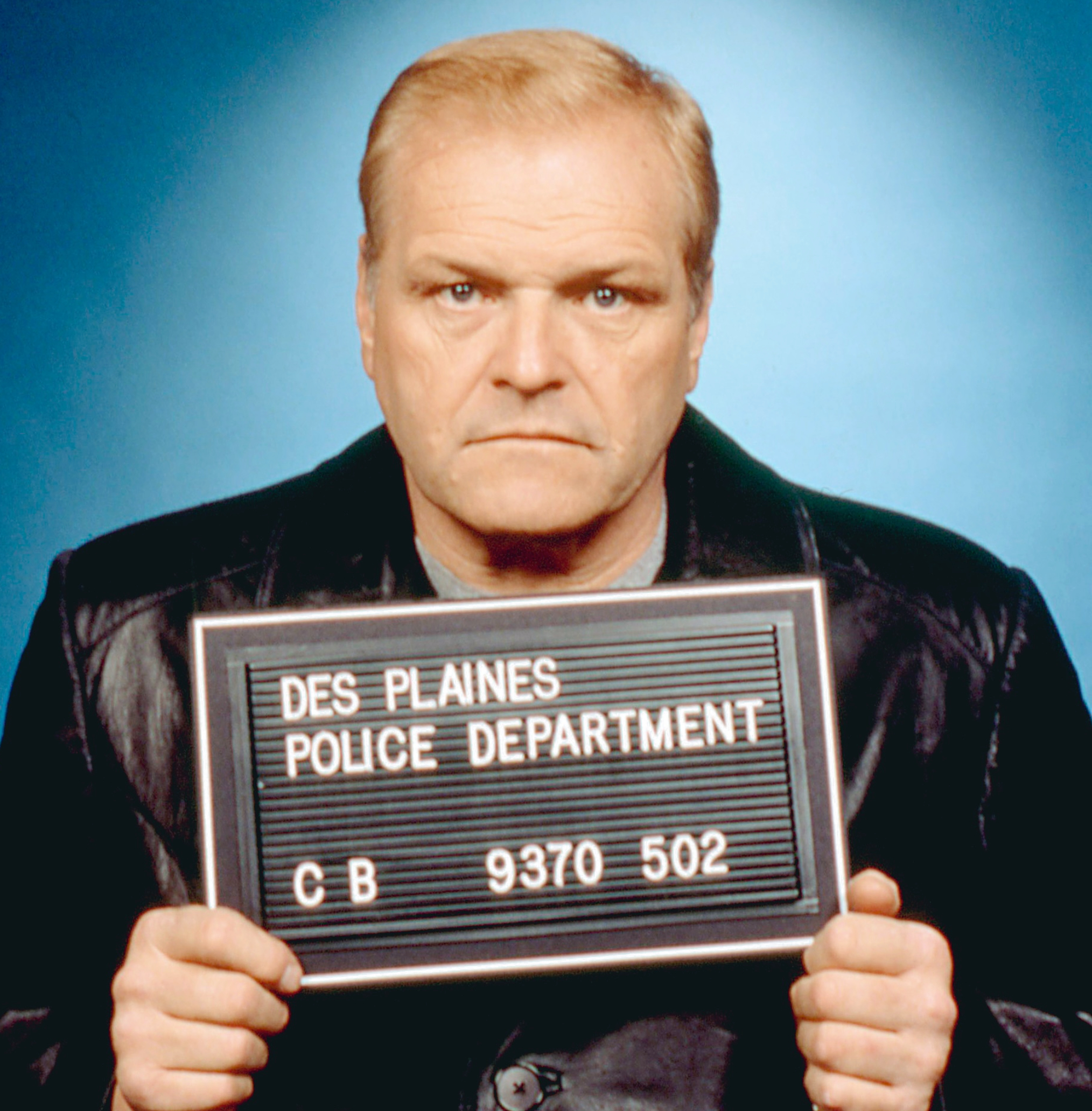
The most monumental early depiction of the serial killer came in the 1992 syndicated television miniseries To Catch a Killer, where veteran actor Brian Dennehy took on the role of John Wayne Gacy (renamed "John Wayne Gagsy" in early promotional materials before settling on "Randall Kramer" in the film's fictionalized narrative, though directly mirroring Gacy's life, crimes, and police investigation). Dennehy’s performance remains a masterclass in tension, earning him an Emmy Award nomination for Outstanding Lead Actor in a Miniseries or Special.
| Actor | Project | Format & Release Year |
|---|---|---|
| Brian Dennehy | To Catch a Killer | Television Miniseries (1992) |
| Mark Holton | Gacy | Feature Film (2003) |
| Michael Reilly Burke | Catching Serial Killers | True-Crime Docudrama (2004) |
| Gabriel Byrne | Monster: The Lyle Story | Feature Film (Unproduced/Other) |
| Richard Keith | Dear Mr. Gacy | Feature Film (2010) |
| Michael Dempsey | Various Documentaries | Archival/Re-enactment (Various) |
| Dominic Burgess | Dr. Death (Season 2) | Streaming Anthology Series |
Unlike later, more intimate character studies, To Catch a Killer focused heavily on the relentless pursuit by the Des Plaines Police Department, led by investigator Joseph Kozenczak (played by Michael Rooker). Dennehy portrayed Gacy not as a cartoonish monster, but as an intimidating, manipulative, and strangely charismatic narcissist. His imposing physical stature matched Gacy's real-world dominance, allowing Dennehy to project a suffocating aura of intimidation during the interrogation scenes. This performance set the benchmark for all subsequent actors attempting to channel the killer's unsettling duality.
Mark Holton in Gacy (2003)
In 2003, independent filmmaker Clive Saunders directed the feature film Gacy, starring Mark Holton in the title role. Best known for comedic and character-actor turns in films like Pee-wee's Big Adventure and Teen Wolf, Holton delivered a surprisingly chilling and grounded dramatic performance that shifted the narrative focus entirely inside the killer's household.
Holton’s interpretation emphasized the compartmentalized nature of Gacy's psyche. The film explores his dual life as a pillar of the local Jaycees community and a sadistic predator operating within his own walls. Holton played Gacy with an unsettling volatility, capturing the sudden shifts from jovial neighbor to cold-blooded aggressor. By casting an actor primarily recognized for approachable or quirky supporting roles, the production tapped into the real-world horror of how easily predators can blend into suburban life. The film relies heavily on psychological claustrophobia, utilizing Gacy's home as a literal and figurative tomb that mirrors the decay of his inner life.
Michael Reilly Burke in Dear Mr. Gacy (2010)
Moving into the 2010 cinema landscape, Dear Mr. Gacy (directed by Svetozar Ristovski and based on the memoir The Last Victim by former college student Jason Moss) approached the subject matter through the lens of psychological manipulation and true-crime obsession. Michael Reilly Burke stepped into the role of Gacy, delivering a performance that focused on the intellectual sparring between the incarcerated killer and an eager criminology student trying to understand the criminal mind.
Burke portrayed an aging, imprisoned Gacy who retained his cunning, manipulative intellect. Confined mostly to a prison visiting room, Burke used vocal inflection, subtle facial expressions, and psychological warfare to dominate the scenes. His performance highlighted Gacy's desperate need for attention, notoriety, and control, even from behind bars. This portrayal offered a different challenge for an actor: rather than staging the physical violence of the crimes, Burke had to project lethal menace entirely through dialogue, posture, and psychological gamesmanship, demonstrating how Gacy continued to victimize those around him through emotional entanglement.
Dominic Burgess in Dr. Death (2023)
In the second season of the Peacock anthology series Dr. Death (released in late 2023), the narrative expanded its scope beyond medical malpractice to explore parallel themes of institutional failure and predatory behavior. Actor Dominic Burgess took on the role of John Wayne Gacy in a gripping guest arc that tied historical context into the modern anthology framework.
Burgess approached the character with an acute awareness of modern psychological profiling and historical accuracy. Rather than leaning into theatrical villainy, Burgess focused on the banality of evil—highlighting the mundane, bureaucratic, and socially awkward elements of Gacy's day-to-day interactions. This performance resonated with contemporary audiences who view true crime through a critical lens that emphasizes victim advocacy and systemic analysis. Burgess captured the chilling reality of a man who weaponized societal prejudices and community trust to elude justice for years.
Comparative Analysis of Acting Techniques and Interpretations
Portraying a figure as universally reviled as John Wayne Gacy requires distinct artistic choices. Actors cannot rely on traditional audience sympathy; instead, they must manage how an audience processes repulsion and fascination.
- Physicality and Presence: Actors like Brian Dennehy and Mark Holton leaned into Gacy's physical size and imposing suburban presence, utilizing space to convey dominance and physical threat.
- Psychological Manipulation: Performers such as Michael Reilly Burke focused on intellectual dominance, dialogue rhythm, and emotional gaslighting, showcasing how Gacy controlled his victims and correspondents through psychological leverage.
- The Banality of Evil: Modern portrayals, including Dominic Burgess's work, emphasize ordinary behaviors and social masking, reinforcing the unsettling truth that serial killers rarely look like cinematic monsters.
Ethical Considerations and Challenges in True-Crime Acting
For any performer stepping into the shoes of a real-life murderer, ethical boundaries and psychological toll present significant hurdles. Actors frequently discuss the heavy emotional burden of immersing themselves in dark research, reviewing police reports, autopsy files, and court transcripts.
Furthermore, filmmakers face intense public scrutiny regarding the ethical implications of true-crime dramatization. Critics often question whether cinematic depictions risk glorifying killers or traumatizing the families of victims anew. Responsible productions navigate this by shifting narrative emphasis away from graphic violence and toward the systemic failures of law enforcement, the resilience of survivors, and the tragic humanity of the victims whose lives were cut short. The actors who succeed in these roles are those who honor this gravity, treating the material not as mere entertainment, but as a sobering historical examination.
Frequently Asked Questions
Which actor gave the most critically acclaimed performance as John Wayne Gacy?
Brian Dennehy’s portrayal in the 1992 television miniseries To Catch a Killer received widespread critical acclaim, earning him a Primetime Emmy Award nomination. His intense, commanding presence set the standard for dramatic portrayals of the killer.
Did any actors portray Gacy in comedic or satirical contexts?
While the subject matter is overwhelmingly dark, Gacy's alter ego as "Pogo the Clown" has frequently inspired fictional pop-culture parodies, urban legends, and horror archetypes in independent cinema and television (such as appearances in American Horror Story). However, serious biographical films and dramas strictly avoid comedic framing to respect the victims and their families.
How do actors prepare to play real-life serial killers?
Actors typically review public court records, historical documentaries, FBI behavioral analysis files, and interviews. Many focus heavily on vocal coaching, physical posture, and psychological profiling to accurately reflect the historical subject without slipping into caricature.
Are these films and series accurate to real-life events?
While productions like To Catch a Killer and Gacy adhere closely to the historical timeline of the police investigation and court trials, dramatic license is often taken to condense timelines, merge secondary characters, or dramatize private conversations that were never officially recorded.
Where can I watch films and series featuring these performances?
Availability changes frequently depending on streaming platform licensing agreements, but titles like To Catch a Killer, Gacy, and Dr. Death are regularly hosted across major video-on-demand services, physical media releases, and specialized streaming networks.
Conclusion and Next Actions
For viewers and researchers exploring the cinematic history of true crime, examining the actors who played John Wayne Gacy offers a unique window into how television and film have evolved over the last four decades. To dive deeper into this subject, consider reading primary source investigative books such as The Chicago Massacre by Terry Sullivan (the lead prosecutor on the Gacy case) or reviewing archived contemporary news broadcasts from the late 1970s and early 1980s to separate Hollywood dramatization from historical reality.