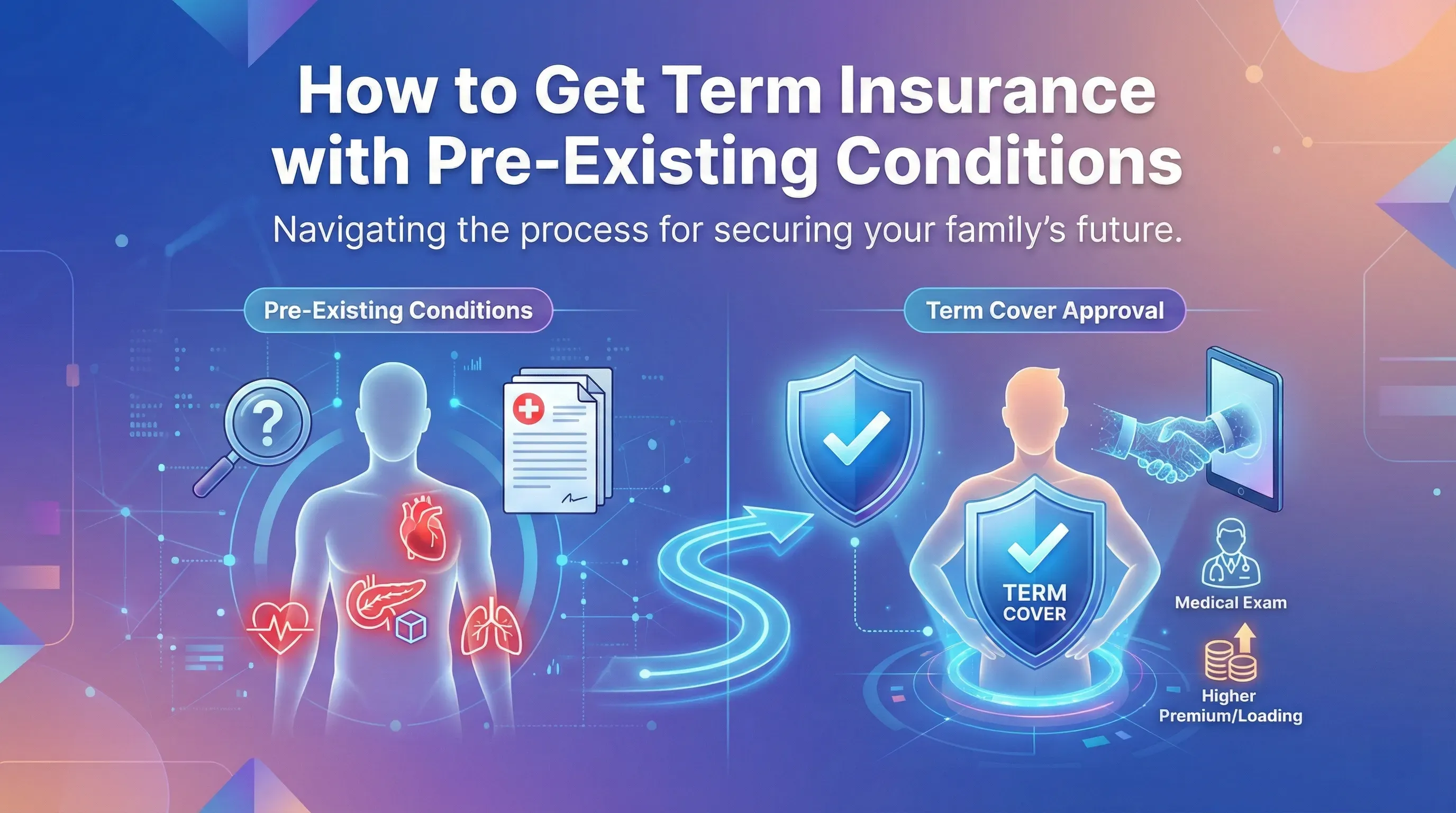
AARP life insurance, underwritten by New York Life Insurance Company, provides specific pathways for individuals with pre-existing conditions to obtain coverage. While Term and Permanent plans involve medical questions, the Guaranteed Acceptance Life Insurance program requires no medical exam or health history disclosures, ensuring that members cannot be turned down due to chronic illnesses or past medical issues.
Understanding the Landscape of AARP Life Insurance
For millions of Americans over the age of 50, securing financial protection for their beneficiaries is a primary concern. However, the presence of pre-existing conditions—ranging from hypertension and diabetes to more severe diagnoses like heart disease or cancer—often creates significant barriers in the traditional life insurance market. The AARP Life Insurance Program, which has been managed by New York Life for decades, is designed specifically to address these hurdles by offering a tiered approach to underwriting.
In 2026, the program continues to serve as a cornerstone for seniors seeking "simplified issue" or "guaranteed issue" policies. It is important to distinguish between the various products offered under the AARP umbrella, as the treatment of pre-existing conditions varies significantly between them. The primary goal of these policies is to provide enough capital to cover final expenses, such as funeral costs, medical bills, or small outstanding debts, rather than functioning as high-value wealth transfer vehicles.
The Role of New York Life and AARP
AARP does not issue insurance policies directly. Instead, it lends its brand and marketing reach to New York Life Insurance Company, one of the oldest and most financially stable mutual life insurers in the United States. This partnership is vital because it combines the advocacy and member-focus of AARP with the actuarial expertise and claims-paying ability of a top-tier carrier.
When applying for coverage, your contract is with New York Life. This means that the underwriting standards, the processing of claims, and the management of policy cash values are all handled by New York Life professionals. For those with pre-existing conditions, this stability is a major benefit, as it ensures that once a policy is issued, the carrier has the financial strength to honor the death benefit years or decades into the future.
Analyzing Coverage Options for Different Health Profiles
The impact of your health history on your application depends entirely on which of the three main AARP life insurance products you select.
1. AARP Level Benefit Term Life Insurance
This plan offers coverage for a specific period, usually until the insured reaches age 80. It is often the most affordable option for those in relatively good health. However, it uses "simplified underwriting." This means you must answer several health questions on the application.
If you have a pre-existing condition that is well-controlled—such as mild high blood pressure—you may still qualify. However, serious conditions like recent heart surgery, active cancer, or chronic kidney disease will likely result in a denial for the Term Life product.
2. AARP Permanent Life Insurance
Unlike Term Life, Permanent Life Insurance (a form of whole life insurance) is designed to last your entire lifetime, provided premiums are paid. It also builds cash value over time. Like the term product, this plan requires answering health questions.
While it is more inclusive than many "fully underwritten" policies found on the open market, it is not a "no-questions-asked" policy. If your pre-existing conditions are deemed too high-risk, New York Life may decline the application or suggest a different product.
3. AARP Guaranteed Acceptance Life Insurance
This is the flagship solution for individuals with significant pre-existing conditions. As the name implies, acceptance is guaranteed for AARP members within the eligible age range (typically 50 to 80, with spouses eligible starting at age 45).
- No Medical Exams: You do not need to undergo blood tests, physicals, or urine samples.
- No Health Questions: The application does not ask about your medical history, current prescriptions, or past surgeries.
- Approval Status: You cannot be denied coverage based on your health.
The "Graded Death Benefit" Caveat
While Guaranteed Acceptance life insurance solves the problem of eligibility, it introduces a specific limitation known as the graded death benefit. This is a standard industry practice for policies that do not require medical underwriting.
In 2026, the AARP Guaranteed Acceptance policy typically maintains a two-year waiting period. If the insured individual passes away from natural causes (such as illness or old age) during the first two years of the policy, the beneficiaries do not receive the full face value of the death benefit. Instead, they receive a refund of all premiums paid to date, plus a specific percentage of interest (usually 10%).
However, if the death is accidental (such as a car accident or a fall), the full death benefit is paid from day one. After the initial two-year period has passed, the full death benefit is payable for any cause of death. This mechanism protects the insurance company from "anti-selection," where individuals might buy a policy only when they are terminally ill.
Comparing AARP Life Insurance Products (2026)
| Feature | Term Life Insurance | Permanent Life Insurance | Guaranteed Acceptance |
|---|---|---|---|
| Medical Exam Required | No | No | No |
| Health Questions | Yes (Simplified) | Yes (Simplified) | No |
| Max Issue Age | 74 | 80 | 80 |
| Coverage Duration | To age 80 | Lifetime | Lifetime |
| Cash Value Growth | No | Yes | Yes (Limited) |
| Waiting Period | Immediate Full Benefit | Immediate Full Benefit | 2-Year Graded Benefit |
| Pre-existing Condition Limit | May cause denial | May cause denial | None (100% Accepted) |
Common Pre-existing Conditions and Eligibility
Prospective applicants often wonder how specific diagnoses affect their chances. Below is a breakdown of how New York Life generally views common conditions for the AARP program.
Cardiovascular Issues
If you have had a heart attack, stroke, or bypass surgery within the last 12 to 24 months, you will likely be steered toward the Guaranteed Acceptance plan. If these events occurred more than two or three years ago and you are currently stable on medication, you might qualify for the Permanent Life Insurance plan, though this is subject to the specific questions asked during the application.
Diabetes
Diabetes is one of the most common pre-existing conditions. For the Term or Permanent plans, New York Life will look at the age of onset, whether you are insulin-dependent, and if there are complications like neuropathy or retinopathy. Type 2 diabetics who manage their condition through diet and oral medication often qualify for simplified underwriting. Type 1 diabetics or those with complications are usually better served by the Guaranteed Acceptance option.
Cancer History
Active cancer treatment is generally an automatic disqualifier for simplified underwriting products (Term and Permanent). However, if you have been in remission for several years (typically 3–5 years depending on the type of cancer), you may be eligible for the standard plans. If you are currently in treatment, the Guaranteed Acceptance plan is the only viable path within the AARP program.
Respiratory Conditions (COPD and Asthma)
Mild asthma rarely interferes with a Life Insurance application. However, Chronic Obstructive Pulmonary Disease (COPD) or any condition requiring supplemental oxygen will usually lead to a denial for Term or Permanent coverage. In these cases, the "no-questions-asked" nature of the Guaranteed Acceptance plan provides a necessary safety net.
Cost Considerations and Premium Structures
Pricing for AARP life insurance is based on your age at the time of application, your gender, and the amount of coverage you select. For the Term Life product, premiums increase every five years as you enter a new age bracket. For the Permanent and Guaranteed Acceptance products, the premium is locked in at the time of purchase and will never increase as long as the policy remains in force.
Because Guaranteed Acceptance plans carry the highest risk for the insurer (since they accept everyone regardless of health), they are more expensive per dollar of coverage than simplified or fully underwritten plans. In 2026, many seniors find that while the cost per thousand is higher, the certainty of coverage makes it a worthwhile investment for final expense planning.
How to Apply for Coverage in 2026
The application process for AARP life insurance is streamlined to accommodate the needs of seniors.
- AARP Membership: You must be an active AARP member to apply. If you are not a member, you can usually join during the insurance application process.
- Request a Quote: Use the official AARP/New York Life portal to input your age, state, and desired coverage amount.
- Select Your Plan: Based on your health, decide if you want to try for the simplified Term/Permanent plans or go straight to Guaranteed Acceptance.
- Complete the Form: For Guaranteed Acceptance, this is a very short form requiring only basic personal information and beneficiary designations.
- First Premium Payment: Coverage typically begins once the application is processed and the first premium is received.
Alternatives to AARP for Seniors with Health Issues
While AARP is a prominent choice, it is not the only option. In 2026, other companies provide competitive products for those with pre-existing conditions.
- Mutual of Omaha: Known for their "Living Promise" whole life insurance, they offer both simplified and guaranteed issue options.
- Gerber Life: A long-standing provider of guaranteed life insurance for seniors, often used for small funeral-expense policies.
- State Farm or Northwestern Mutual: These may be better options for individuals who have mild pre-existing conditions but are willing to undergo more rigorous underwriting to get lower rates or higher coverage amounts.
Frequently Asked Questions
Can I be denied for AARP Guaranteed Acceptance life insurance?
No. As long as you are an AARP member and fall within the eligible age range (typically 50-80), you cannot be denied for medical reasons. There are no health questions or exams. The only reasons for denial are being outside the age range or not being a member of AARP.
What happens if I lie about a pre-existing condition on a simplified application?
If you apply for Term or Permanent life insurance and fail to disclose a condition, you risk the "Contestability Period." In the first two years of a policy, the insurer can investigate the death claim. If they find you misrepresented your health, they can deny the claim entirely. This is why the Guaranteed Acceptance plan is safer for those with significant health issues.
Does AARP life insurance cover funeral costs directly?
The death benefit is paid in cash to your designated beneficiaries. While the intent is often to cover funeral costs, the beneficiaries have the flexibility to use the funds for any purpose, including medical bills, debt, or daily living expenses.
Is the cash value in the Guaranteed Acceptance plan significant?
No. While Guaranteed Acceptance is a form of whole life insurance, its primary purpose is the death benefit. It does build a small amount of cash value over many years, but it should not be viewed as a primary investment or savings vehicle.
Can I have more than one AARP life insurance policy?
Yes, members often hold a Term policy and a Guaranteed Acceptance policy. However, there are limits on the total "aggregate" amount of coverage you can have across all AARP/New York Life products, which is typically capped at $100,000 for term and much lower for guaranteed issue (often $25,000).
Practical Recommendation
If you have a serious pre-existing condition and need life insurance in 2026, your first step should be to evaluate the AARP Guaranteed Acceptance Life Insurance plan. Because it removes the risk of denial, it provides immediate peace of mind. However, before committing, compare the monthly premium against your budget and ensure you understand the two-year graded benefit period. If your health is only moderately compromised (e.g., controlled diabetes), it is worth attempting the simplified Permanent Life application first, as it offers a full death benefit from day one. Always keep your beneficiary information updated to ensure the funds reach the intended person without legal delay.