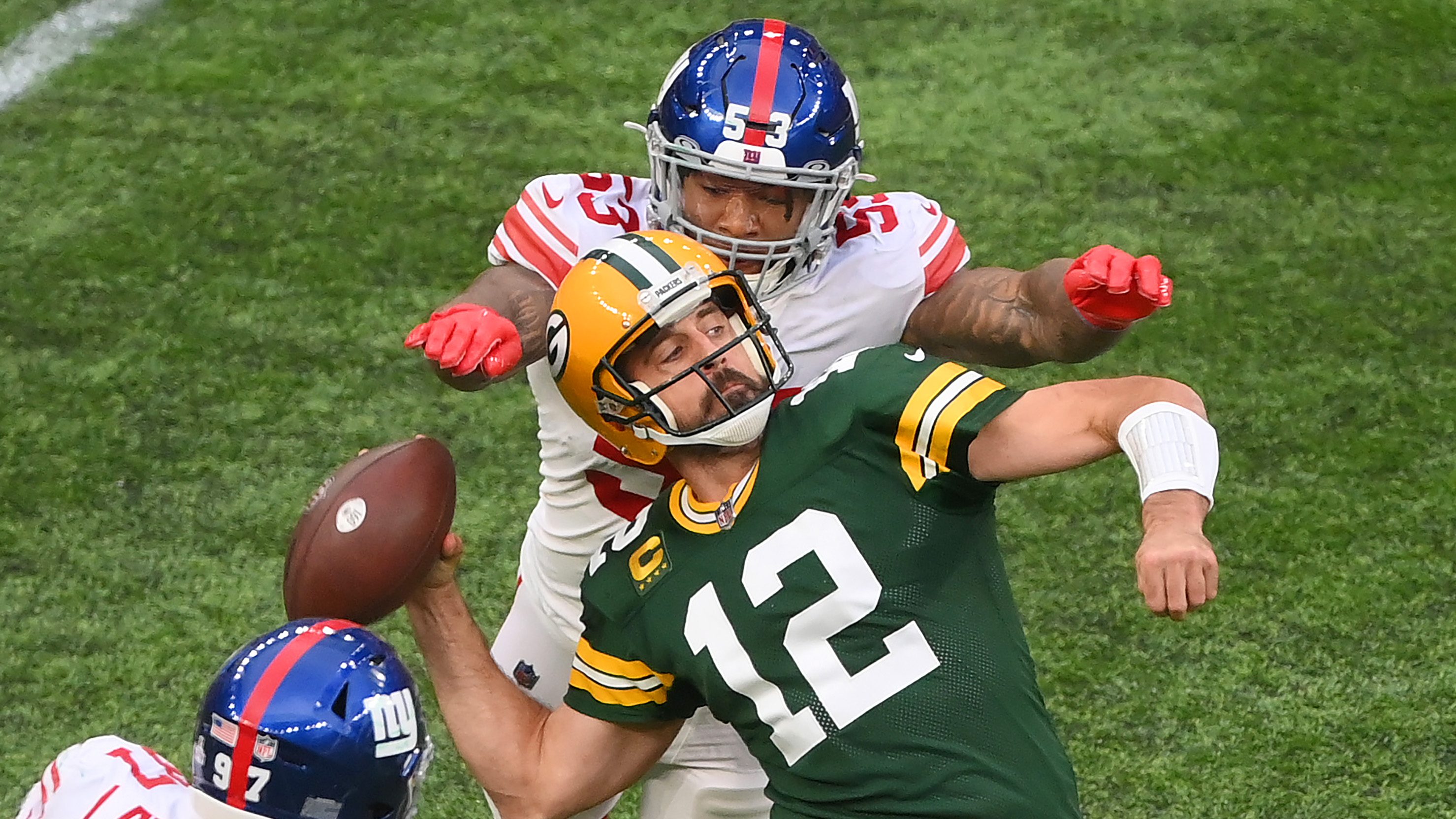
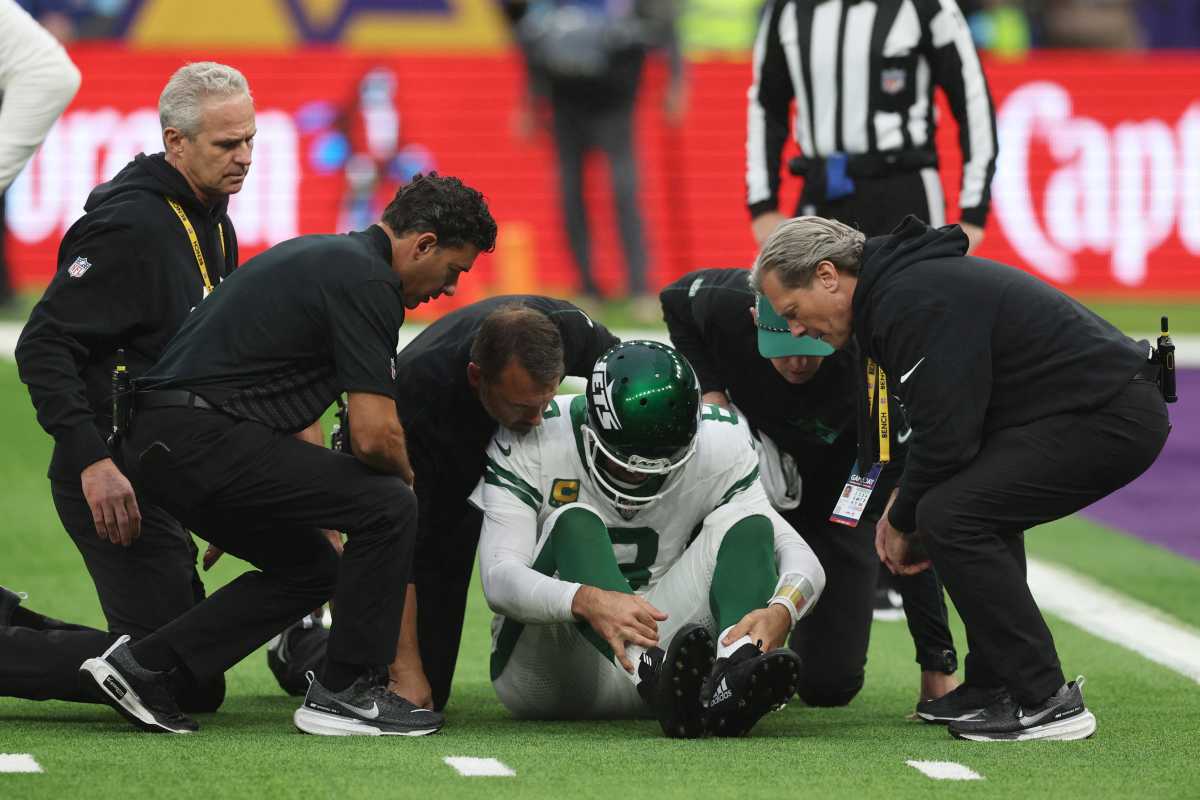
During his long and storied tenure in the National Football League, Aaron Rodgers has faced various physical setbacks, with frequent public and media inquiry regarding his facial and upper-body health. Understanding these incidents requires distinguishing between specific, documented medical events and the general physical toll associated with a decades-long career in professional football. This article clarifies the medical reality behind reports concerning his facial health, how injuries of this nature are managed in elite sports, and the broader context of player safety.
Distinguishing Documented Incidents from Speculation
In the world of professional sports, high-profile athletes are often the subject of intense scrutiny regarding their physical appearance. Facial injuries—ranging from orbital fractures and lacerations to neurological concerns—are relatively common in the NFL due to the high-impact nature of the game. However, much of the public interest regarding "Aaron Rodgers’ face" has stemmed from visual observations by fans and media during games or press conferences rather than specific medical disclosures by his teams.
It is vital to differentiate between acute trauma, such as a broken nose or jaw, and the natural wear and tear or minor, non-reportable incidents that occur during intense athletic activity. Throughout his career with the Green Bay Packers and later the New York Jets, Rodgers has faced significant injuries, most notably to his collarbone, knee, and Achilles tendon. When fans search for information regarding facial injuries, they are often attempting to reconcile visual changes or minor cosmetic issues—such as swelling or bruising after a game—with official injury reports. To date, Rodgers has not been sidelined for a significant period due to an officially disclosed, severe facial injury that would require surgical reconstruction or long-term rehabilitation.
The Anatomy of Football-Related Facial Trauma
When an NFL quarterback experiences a facial injury, it is typically the result of direct contact. The standard protocol for such injuries involves a multidisciplinary approach focusing on immediate stabilization, concussion screening, and long-term diagnostic imaging.
Common Mechanisms of Injury
- Direct Impact: Helmet-to-helmet contact or impact from a defender’s shoulder pad can cause orbital fractures, nasal fractures, or zygomatic (cheekbone) fractures.
- Whiplash Effects: Sudden stops or rapid directional changes can cause secondary trauma to the head and neck area, which may manifest as facial discomfort or bruising.
- Lacerations: Contact with equipment or turf can lead to skin tears requiring suture or medical-grade adhesive.
In the case of a professional quarterback, the primary goal for medical staff is to ensure the integrity of the player’s vision and airway. Orbital injuries, for instance, are treated with extreme caution because even minor displacement of a bone can affect eye movement and depth perception, both of which are critical for an elite passer’s performance.
Diagnostic Protocols in the NFL
When an athlete is suspected of having a facial or cranial injury, the NFL’s "Return to Participation" protocols are triggered. These guidelines are designed to protect the long-term health of the player while providing a structured path back to the field.
- Immediate Sideline Assessment: Medical staff evaluate the player for signs of concussion, which often accompany facial trauma. This involves a standardized SCAT (Sport Concussion Assessment Tool) evaluation.
- Imaging: If facial bone integrity is questioned, CT scans are the gold standard for identifying fractures that may not be apparent during a physical exam.
- Specialist Consultation: Team physicians often coordinate with maxillofacial surgeons or ophthalmologists to determine if the injury poses an immediate threat to the player’s functionality or cosmetic outcome.
For a veteran like Rodgers, who has played for over two decades, the threshold for medical intervention is high. The focus shifts from merely "fixing" the injury to managing pain, preventing infection, and ensuring that any protective equipment (such as a custom-fitted visor or reinforced facemask) does not impede the player's performance.
Comparative Injury Risk: Quarterbacks vs. Other Positions
While quarterbacks are protected by specific NFL rules regarding roughing the passer, they remain vulnerable to facial injuries during scrambling or when they choose to engage in blocking or tackle attempts. The following table outlines how different types of facial-area impacts are typically managed within the professional sphere.
| Injury Type | Typical Severity | Primary Concern | Common Management |
|---|---|---|---|
| Nasal Fracture | Low to Moderate | Airway, bleeding | Protective mask, surgery post-season |
| Orbital Fracture | High | Vision, eye motility | Surgical stabilization or rest |
| Zygomatic Fracture | Moderate to High | Facial symmetry, sensation | Internal fixation or observation |
| Soft Tissue/Contusion | Low | Discomfort, swelling | Ice, compression, anti-inflammatories |
Understanding this breakdown helps clarify why some players appear with "swollen" or "bruised" faces after games but continue to play. In many cases, these are soft tissue contusions that do not require surgical intervention and can be managed through localized treatment, allowing the player to remain on the active roster.
Protecting the Face: Equipment Evolution
Modern NFL equipment has evolved significantly to mitigate facial injuries. The introduction of improved polycarbonate visors, specialized padding in the interior of the helmet, and custom-molded face masks provides a layer of protection that was absent in previous decades.
For a player like Aaron Rodgers, the choice of helmet and facemask is a highly personalized decision. Quarterbacks often prioritize field of vision, choosing mask designs that provide protection without obstructing their sightlines. When an injury does occur, medical staff may work with the equipment team to temporarily modify a helmet’s padding or the angle of the facemask to protect the injured area from further impact. These adaptations are standard practice for athletes who choose to play through minor facial trauma rather than sitting out.
The Psychological Component of Playing with Injury
One aspect of professional sports that is often overlooked is the athlete’s decision to continue playing while injured. In the context of a quarterback, facial injuries that do not affect the ability to throw or read a defense are often managed through the duration of the season.
This decision-making process involves a conversation between the head coach, the team doctor, and the player. As a leader on the field, a quarterback’s presence is often viewed as essential for team morale and tactical consistency. However, this is always balanced against the long-term risks. If an injury—such as a fracture—could be exacerbated by another hit, the medical team will usually veto the player’s desire to return to the field until the bone has reached a sufficient level of stability.
FAQ: Addressing Common Questions
Does a facial injury always trigger a concussion protocol? Not necessarily. While many facial injuries occur in collisions that also cause head movement, the concussion protocol is triggered by neurological symptoms, not just facial contact. If a player sustains a facial laceration but shows no signs of vestibular or cognitive dysfunction, they may return to the game after the wound is addressed.
Why do some players play with masks or tinted visors? Players may wear tinted visors to reduce glare or, in the case of medical necessity, to protect light-sensitive eyes following an injury. In instances of facial fractures, specialized, reinforced masks are sometimes used to distribute the force of an impact away from the broken area.
Are facial injuries more common in the late stage of a career? Not inherently. Age does not necessarily make a player more susceptible to facial fractures, though recovery times for soft tissue inflammation may increase slightly as an athlete ages. The primary driver of injury risk remains the frequency and intensity of contact during play.
How does an orbital fracture affect a quarterback’s performance? An orbital fracture can lead to double vision (diplopia) or restricted eye movement. Because a quarterback must track receivers and secondary defenders simultaneously, any impairment to binocular vision would likely result in the player being sidelined until the eye muscles are functioning normally.
What is the standard recovery time for a broken nose in the NFL? For a simple nasal fracture, a player can often return the following week with a protective mask. If the fracture is displaced and requires reduction (re-setting the bone), the player might sit out for a period, though this is rarely a season-ending event for a quarterback.
Recommendations for Maintaining Health and Safety
For aspiring athletes or those interested in the medical management of professional players, the primary takeaway is the importance of early detection and professional oversight. If an injury occurs, attempting to "tough it out" without professional imaging can lead to chronic complications, such as misaligned bones or permanent nerve damage in the face.
The standard of care demonstrated by the NFL’s medical personnel serves as a blueprint for athletes at all levels: seek immediate medical evaluation, prioritize diagnostic imaging, and follow a structured, evidence-based return-to-play timeline. For Aaron Rodgers, as for all veteran players, the focus remains on leveraging these professional resources to extend his career longevity while mitigating the inherent risks of a high-contact sport. When rumors regarding facial injuries surface, it is best to rely on team-issued medical reports, as these represent the only verified information regarding a player's true physical status.