Finding the perfect gift for a 10-year-old boy involves balancing his growing physical independence with his emerging interest in specialized sports performance and skill development. At this age, a boy is likely transitioning from general play to more structured athletic competition, making high-quality, functional gear more rewarding than simple toys. The following list highlights seven categories of gifts that provide tangible benefits to his training, recovery, and overall enjoyment of physical activity.
Selecting the right sports-friendly gift requires assessing the child’s specific interests, the level of intensity in his current sports involvement, and the practical utility of the item in his daily training regimen. Whether he is focused on team sports like soccer and basketball or individual pursuits like swimming or cycling, the best gifts bridge the gap between recreational fun and purposeful athletic growth.
1. High-Performance Training Agility Sets
For a 10-year-old looking to gain an edge in speed, coordination, and footwork, a comprehensive agility training set is an invaluable investment. These kits typically include adjustable hurdles, a speed ladder, cones, and resistance bands. At this developmental stage, mastering motor patterns is critical. Agility sets provide a structured way to practice drills at home, allowing for incremental improvements in balance and reaction time that translate directly to the field or court.
When choosing a set, prioritize durability and portability. The equipment should be weather-resistant if used on grass or asphalt, and it should come with a carry bag to ensure the gear remains organized. Focus on sets that include an instructional guide or access to online tutorials, as this helps the child understand proper form, which is essential for preventing injuries while maximizing the effectiveness of the drills.
2. Professional-Grade Sports Rebounder Net
A sports rebounder is one of the most effective tools for solo practice. Unlike a traditional goal or wall, a rebounder provides immediate feedback by returning the ball to the player at various angles and speeds. This is particularly effective for soccer players practicing first-touch control or baseball players working on fielding ground balls.
The primary benefit of a rebounder for a 10-year-old is the ability to sustain high-repetition practice without needing a partner. Look for models with adjustable tension and frame angles. A sturdy steel or heavy-duty powder-coated frame is necessary to withstand consistent impact. Verify that the netting material is UV-treated to prevent degradation, especially if the gift will be kept outdoors in varying weather conditions through 2026.
3. Ergonomic Hydration and Performance Gear
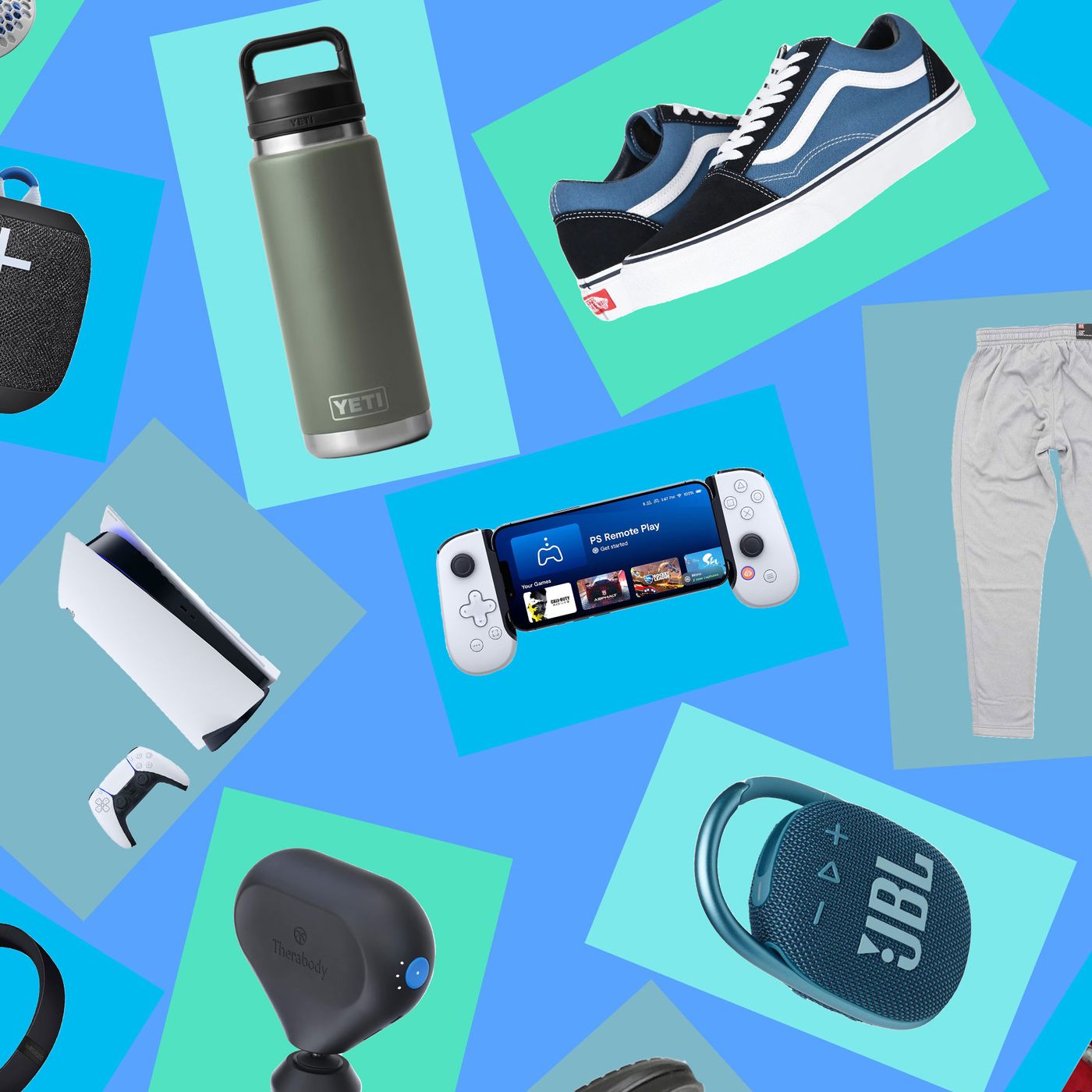
Proper hydration is a non-negotiable aspect of youth sports. A 10-year-old athlete requires a durable, leak-proof hydration vessel that is easy to carry during practice and games. Instead of standard plastic bottles, opt for high-quality, insulated stainless steel bottles designed for athletics. Features like a "one-touch" lid or a secure straw mechanism are highly functional, as they allow for quick hydration during short breaks without the need to unscrew a cap.
Beyond the bottle itself, consider other performance-enhancing accessories such as moisture-wicking compression shirts or high-impact athletic socks. These items might seem basic, but they significantly improve comfort during long tournaments or summer training sessions by managing sweat and reducing friction, which prevents common issues like blisters or chafing.
4. Sport-Specific Skill Development Targets
Sometimes the best gift is one that gamifies practice. Skill targets are attachments designed to turn any net, hoop, or wall into an accuracy-focused game. For a basketball enthusiast, this might mean a specialized hoop attachment that forces the ball to bounce back only on "swishes." For a soccer player, it might be a target net that covers the goal, requiring the player to kick the ball into specific corners to score points.
These targets change the focus of practice from simple repetition to precision. By giving a 10-year-old a visual goal to aim for, you encourage a "deliberate practice" mindset. When evaluating these, ensure they are compatible with the equipment he already owns and that they can be easily installed and removed without permanent modifications to the sports gear.
5. Adjustable Resistance Training Equipment
By age 10, many boys are beginning to engage in light resistance training to build strength and prevent sports-related injuries. While heavy weightlifting is not recommended at this age, bodyweight-based resistance training—such as using gymnastic rings, pull-up bars, or light resistance bands—is excellent for building core stability and functional strength.
Focus on equipment that grows with him. For example, a doorway-mounted pull-up bar can be adjusted as he grows taller, and resistance bands come in varying tension levels, allowing him to increase the challenge as he gets stronger. Always emphasize that this equipment should be used with adult supervision or clear, age-appropriate safety guidelines to ensure that training remains safe and effective for his developmental stage.
6. Smart Activity Trackers and Heart-Rate Monitors
Data-driven training is no longer reserved for professional athletes. A rugged, waterproof activity tracker designed for youth can help a 10-year-old learn about his own activity levels, sleep quality, and heart rate during intense physical exertion. By seeing his progress in numbers, a young boy can become more motivated to maintain consistency in his training.
When selecting a tracker, look for models that prioritize simplicity and durability over complex "smartwatch" features. The device should be lightweight, comfortable to wear during contact sports, and have long battery life. Privacy settings are also paramount; ensure the device allows for data management that aligns with parental standards for internet safety.
7. High-Quality Protective Gear Upgrades
Safety is the foundation of any athletic career. As a child moves toward more competitive sports, the equipment provided by school teams or leagues is often entry-level. Gifting professional-grade, upgraded protective gear—such as custom-fit shin guards, high-impact mouthguards, or specialized wrist and ankle braces—shows that you value his safety and longevity in his sport.
Comfort is the main reason athletes often avoid wearing protection. Investing in a high-quality, custom-molded mouthguard or low-profile, impact-dispersing shin guards ensures he is more likely to wear them consistently. These gifts offer peace of mind for parents and improved protection for the athlete, making them a high-value choice for any young competitor.
Comparative Overview of Sports Gifts
| Gift Category | Primary Benefit | Recommended Use Case |
|---|---|---|
| Agility Sets | Coordination & Speed | Solo field training |
| Rebounder Net | Technical Repetitions | Ball control/Fielding practice |
| Insulated Hydration | Health & Recovery | Daily practice & Game days |
| Accuracy Targets | Precision & Focus | Skill-specific drills |
| Resistance Tools | Functional Strength | Home strength conditioning |
| Activity Tracker | Progress Monitoring | Overall health tracking |
| Upgraded Protection | Injury Prevention | Competitive contact sports |
Frequently Asked Questions
What should I consider before buying sports-specific equipment for a 10-year-old? Focus on the child’s level of interest and the frequency of his training. Avoid purchasing overly expensive, professional-grade items that are intended for adults, as they may be too heavy or cumbersome for a 10-year-old. Always prioritize equipment that allows for adjustment, as children in this age range grow rapidly.
Is it safe for a 10-year-old to use resistance bands? Yes, when used correctly, resistance bands are a safe way to introduce tension-based strength training. They provide a lower risk of injury compared to free weights because the resistance is gradual and adjustable. Ensure the boy is taught proper form and never pushes the band beyond its manufacturer-recommended limit.
How do I know which size or specification to choose? Check the sizing guides provided by the manufacturer. If the equipment is for a team sport (like cleats or pads), consult his coach or the league's equipment manager regarding specific requirements or safety standards. For non-sport-specific items like activity trackers, look for "youth" or "small" versions specifically designed for smaller wrists.
Can these gifts help if he is just starting out in sports? Absolutely. While some items are designed for skill refinement, agility sets and hydration gear are fundamental for any beginner. They instill good habits early on, such as the importance of warming up, staying hydrated, and focusing on form rather than just intensity.
Are there any maintenance requirements for these items? Most equipment mentioned here—specifically rebounders and agility sets—should be stored indoors or under cover during inclement weather to prevent rusting or UV damage. Regularly inspect straps, nets, and frames for signs of wear and tear, especially before the start of a new sports season.
Practical Recommendation
The most impactful gift is often the one that facilitates "deliberate practice." If you are unsure which specific sport he will gravitate toward in the long term, a high-quality, portable agility training set is the most versatile choice. It improves fundamental athletic capabilities—speed, balance, and coordination—that are applicable to almost every sport, providing a solid foundation for his future physical development.