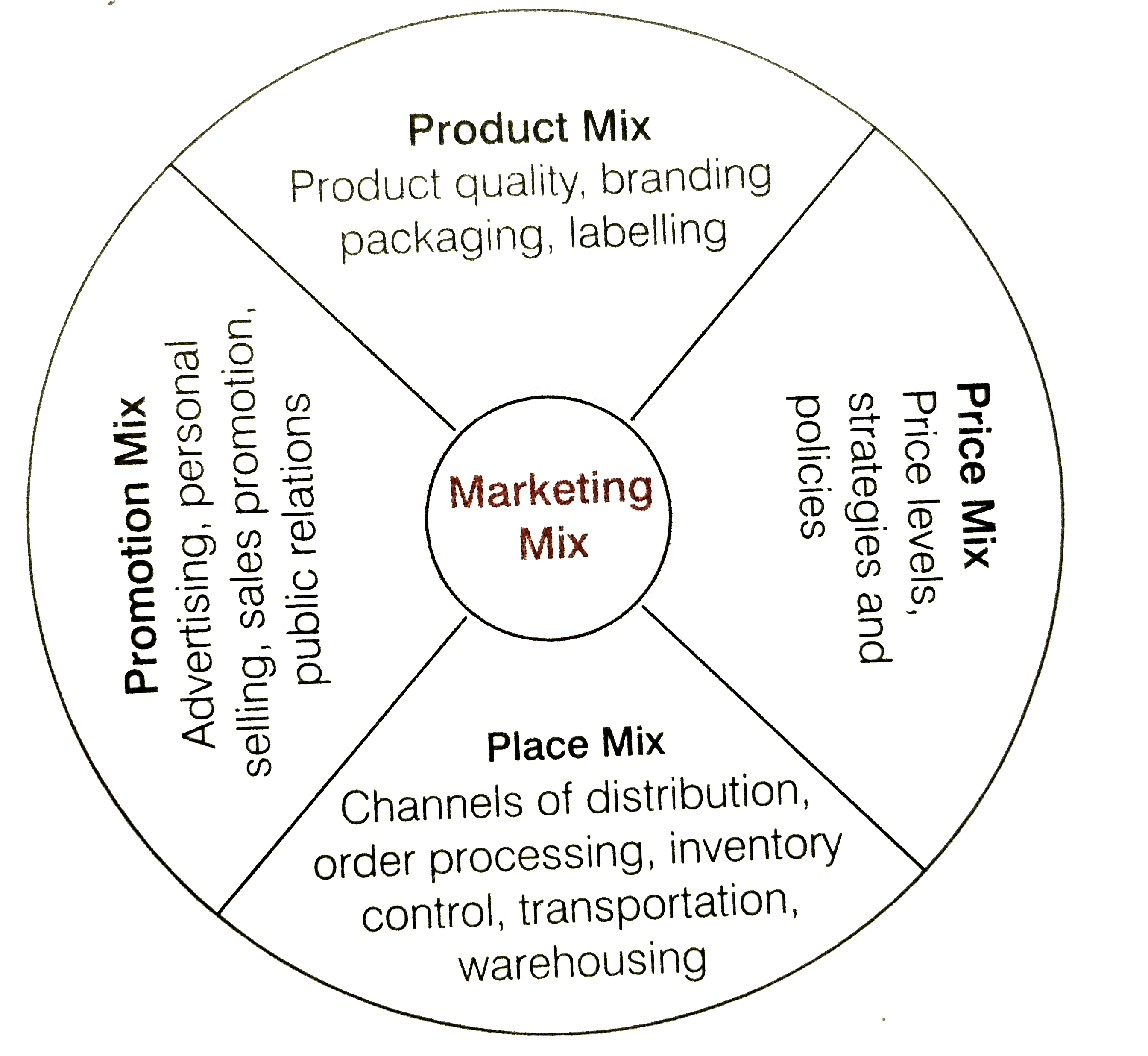
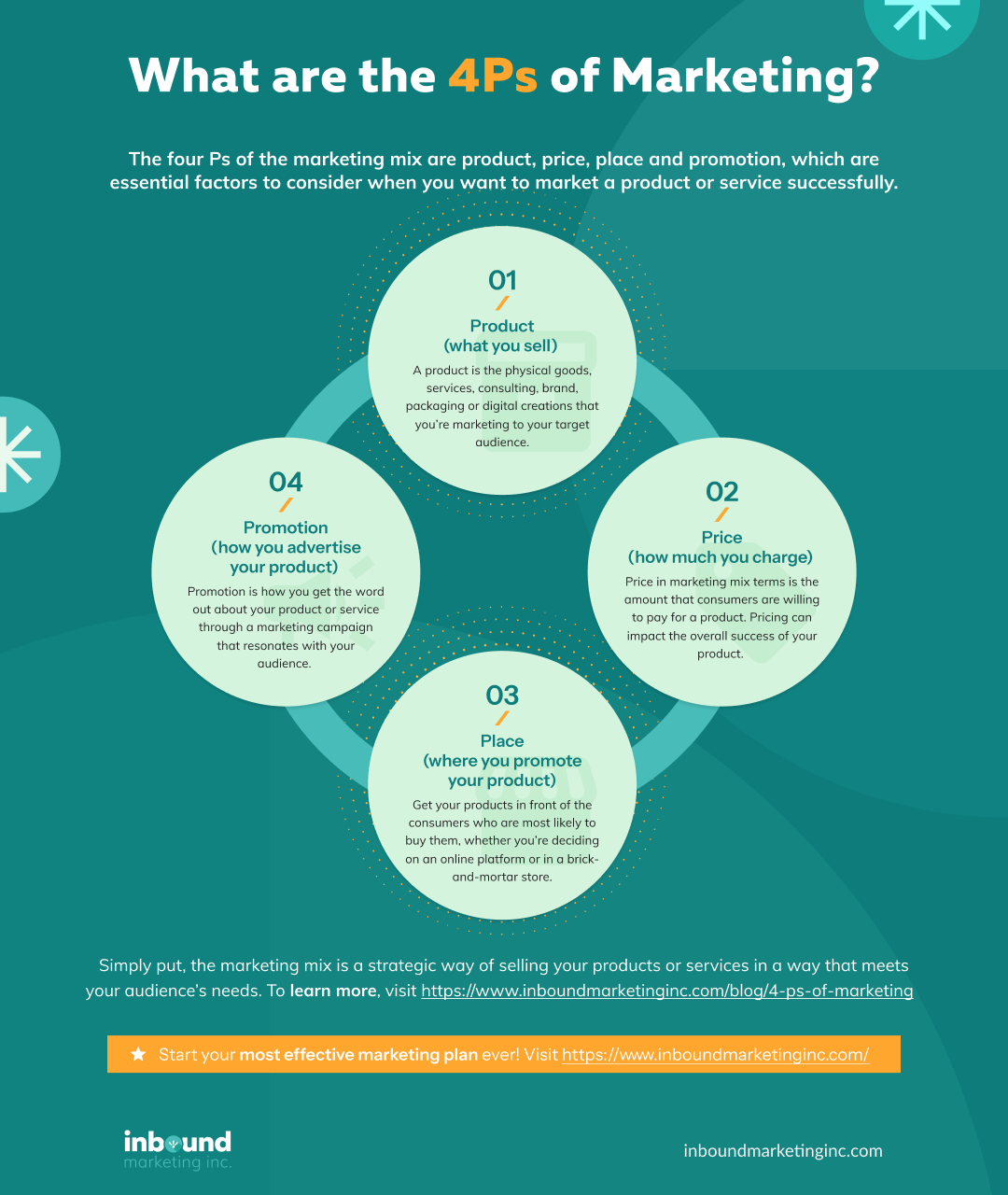
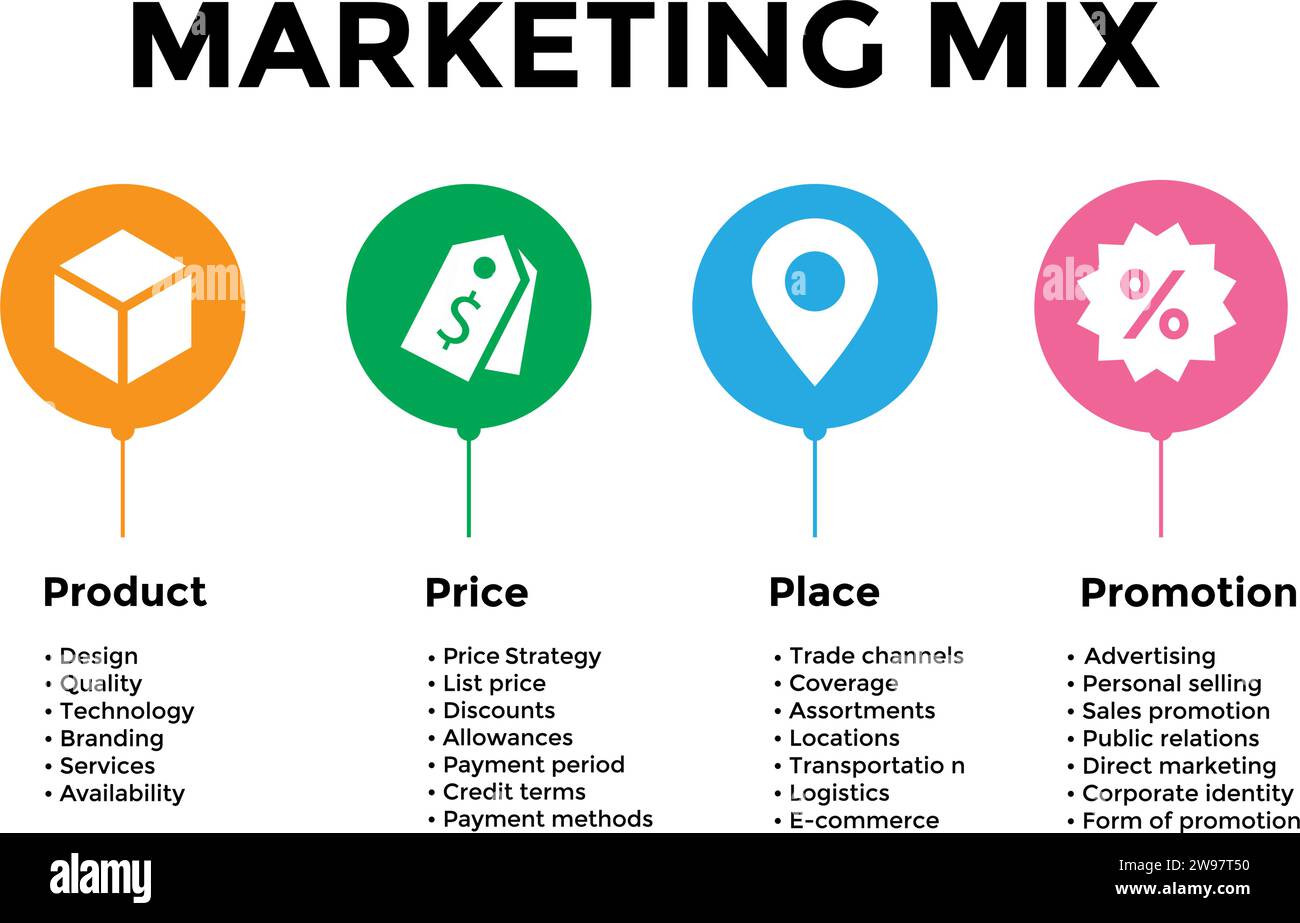
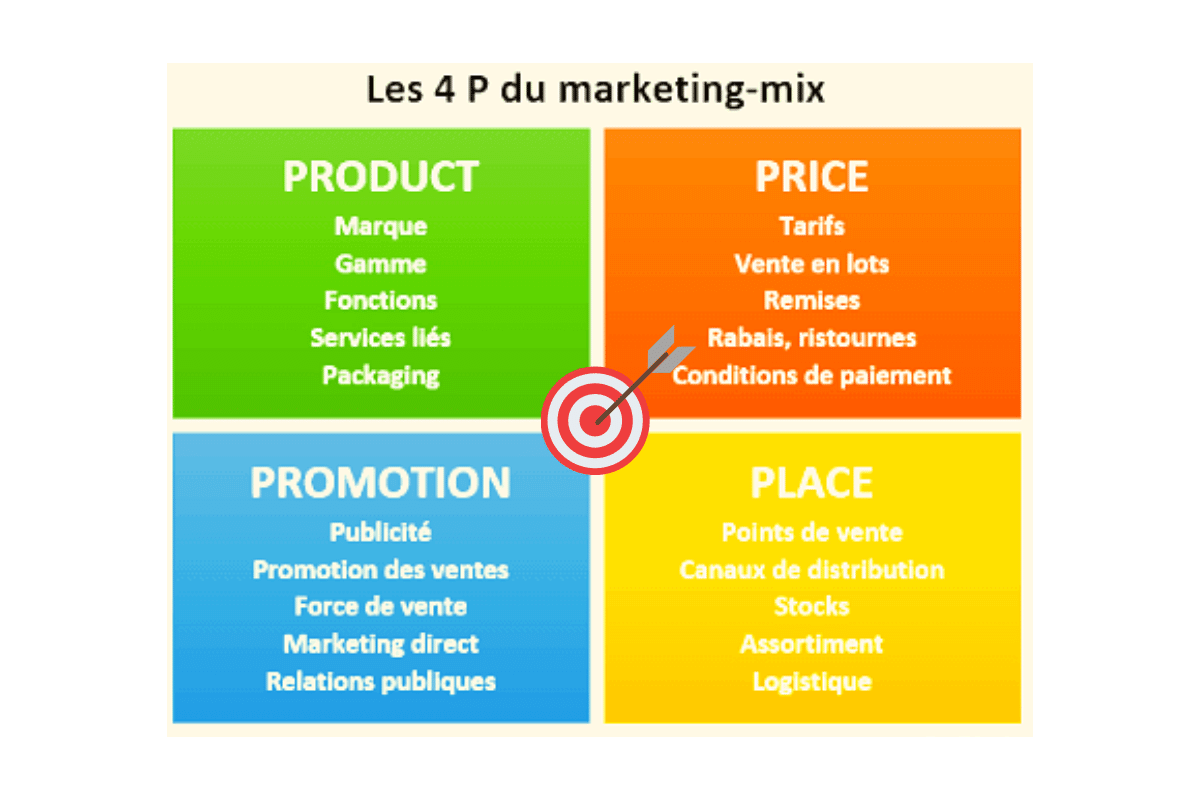
The 4Ps of business—Product, Price, Place, and Promotion—represent the foundational "marketing mix" used to bring a value proposition to market. This framework enables organizations to align their internal capabilities with external consumer demands, ensuring that the right product is sold at the right price, in the right location, using the most effective communication channels.
Originally conceptualized by E. Jerome McCarthy in 1960 and popularized by Philip Kotler, the 4Ps remain the bedrock of strategic marketing. Even in 2026, as artificial intelligence and hyper-personalization redefine consumer behavior, these four pillars provide the structural integrity required to build a sustainable brand. By mastering these core elements, businesses can transition from simply selling a commodity to delivering a meaningful solution that resonates with a specific target audience.
1. Product: Defining the Value Proposition
The first "P" in the marketing mix is Product. This refers to the physical goods, services, or digital experiences a business offers to solve a specific customer problem. In a sophisticated market, a product is rarely just a tangible object; it is a bundle of benefits designed to satisfy a need or a want.
The Levels of a Product
To understand the "Product" element deeply, one must look at it through three distinct layers:
- The Core Benefit: This is the fundamental need the customer is satisfying. For a smartphone, it is communication and information access.
- The Actual Product: This includes the brand name, quality level, design, features, and packaging. In 2026, "Actual Product" considerations often include sustainability metrics and carbon footprint transparency.
- The Augmented Product: These are the non-tangible benefits, such as warranties, customer support, delivery, and credit. This is where many modern businesses differentiate themselves in a crowded marketplace.
Product Life Cycle (PLC) Management
Effective product management requires an understanding of the product life cycle, which consists of introduction, growth, maturity, and decline. Strategic shifts are necessary at each stage. For instance, during the growth stage, the focus is often on adding new features or expanding the product line. In the maturity stage, the goal shifts to defending market share through branding and incremental improvements.
In 2026, the product element also encompasses User Experience (UX) and Customer Interface (UI) for digital services. A product is no longer a static entity; it is a dynamic offering that often involves regular software updates or iterative improvements based on real-time user data.
2. Price: Determining Value and Profitability
Price is the only element of the marketing mix that generates revenue; the other three represent costs. Pricing is a delicate balance between covering expenses, staying competitive, and accurately reflecting the value perceived by the customer.
Primary Pricing Strategies
Selecting a pricing strategy depends on the business's overall goals and the competitive landscape:
- Value-Based Pricing: Setting prices based on the perceived value to the customer rather than the cost of production. This is common in luxury goods and specialized software.
- Cost-Plus Pricing: Adding a standard markup to the cost of the product. While simple, it often fails to account for market demand.
- Penetration Pricing: Setting a low initial price to gain market share quickly. This is frequently used by tech startups and new consumer packaged goods (CPG) brands.
- Price Skimming: Launching at a high price to capture "innovators" and then gradually lowering the price to reach broader market segments.
The Role of Dynamic Pricing in 2026
In the current 2026 landscape, dynamic pricing has become standard across many industries beyond airlines and hotels. Powered by AI and machine learning, businesses now adjust prices in real-time based on demand fluctuations, inventory levels, and competitor movements. However, companies must navigate the ethical implications of dynamic pricing to avoid "price gouging" perceptions, which can damage long-term brand equity.
Understanding price elasticity—how sensitive customers are to changes in price—is crucial. A product with high elasticity (like a generic snack) will see a significant drop in demand if the price rises slightly, whereas inelastic products (like life-saving medication) maintain demand regardless of price fluctuations.
3. Place: Distribution and Accessibility
Place refers to where and how a product is distributed to customers. The goal of this element is to ensure the product is available at the right time and in the right location to facilitate a purchase.
Distribution Channels
Businesses must choose between several distribution models:
- Direct-to-Consumer (DTC): Selling directly to the end user via a company website or flagship stores. This offers higher margins and better data collection.
- Indirect Distribution: Using intermediaries like wholesalers, retailers, or brokers. This allows for wider reach but involves sharing profits with partners.
- Omnichannel Distribution: A seamless integration of physical and digital storefronts. In 2026, the "phygital" experience—where customers might research a product on a mobile app while standing in a physical showroom—is the industry standard.
Logistics and the "Last Mile"
The "Place" element also encompasses the supply chain and logistics. The "last mile" of delivery has become a critical competitive battleground. With the rise of automated delivery systems and local micro-fulfillment centers, customers expect rapid, reliable delivery. A failure in the "Place" strategy—such as an out-of-stock item or a late delivery—can negate the effectiveness of an excellent product and a compelling promotion.
4. Promotion: Communication and Engagement
Promotion involves all the methods used to communicate the product’s benefits to the target audience and persuade them to buy. It is the "voice" of the brand.
The Promotional Mix
A modern promotional strategy utilizes a mix of various tools:
- Advertising: Paid communication through social media, search engines, television, or out-of-home (OOH) displays.
- Public Relations (PR): Building a positive image and managing communication with the media and the public.
- Sales Promotion: Short-term incentives like coupons, contests, or "buy-one-get-one" (BOGO) offers to stimulate immediate sales.
- Personal Selling: Direct interaction between a sales representative and a customer, common in B2B (business-to-business) sectors.
- Content Marketing: Providing valuable, relevant content to attract and retain a clearly defined audience.
The Shift from Broadcasting to Engagement
In 2026, promotion has shifted away from intrusive "interruption marketing" toward community-led growth and influencer partnerships. Brands now focus on building ecosystems where customers interact with the brand and each other. The use of generative AI allows for hyper-personalized messaging, ensuring that promotional content is relevant to the individual's specific needs and stage in the buyer's journey.
Integrated Marketing Communications (IMC) ensures that the message remains consistent across all platforms. Whether a customer sees a video on a social feed, receives an email newsletter, or visits a physical store, the brand's identity and value proposition should be unmistakable.
Comparing the 4Ps Across Business Models
The application of the 4Ps varies significantly depending on the nature of the business and its target market.
| Element | B2C Physical Retail (e.g., Apparel) | B2B Software (SaaS) | Professional Services (Consulting) |
|---|---|---|---|
| Product | Physical design, fabric quality, seasonal trends. | Features, API integrations, security, uptime. | Expertise, methodology, reputation, deliverables. |
| Price | Competitive pricing, frequent seasonal discounts. | Subscription tiers, per-user seat pricing, annual contracts. | Hourly rates, project-based fees, or value-based retainers. |
| Place | E-commerce sites, malls, boutique shops. | Cloud-based access, app marketplaces, direct sales. | Remote consultations, office visits, LinkedIn presence. |
| Promotion | Social media ads, influencer marketing, window displays. | White papers, webinars, LinkedIn ads, SEO. | Thought leadership, networking, referrals, speaking engagements. |
Integrating the 4Ps into a Cohesive Strategy
The 4Ps do not exist in isolation; they are highly interdependent. A change in one element almost always necessitates a change in the others. For example, if a company decides to position its Product as a luxury, high-end item, the Price must be high to reflect that status, the Place must be exclusive (not a discount warehouse), and the Promotion must use sophisticated, high-quality imagery and targeted media.
This internal consistency is what creates a strong brand. When a customer experiences a "mismatch"—such as a high-priced item sold in a low-quality environment—it creates cognitive dissonance, leading to a loss of trust and a failed sale.
The Evolution: Moving Toward the 7Ps and 4Cs
While the 4Ps remain the core, many businesses, especially in the service sector, have expanded the model to include:
- People: The staff who deliver the service.
- Process: The procedures and flow of activities by which the service is delivered.
- Physical Evidence: The environment in which the service is delivered (e.g., the cleanliness of a hotel lobby).
Additionally, some marketers prefer the 4Cs model (Customer Solution, Cost, Convenience, and Communication), which looks at the mix from the customer's perspective rather than the marketer's perspective. Regardless of the framework used, the fundamental objective remains the same: creating and delivering value.
Frequently Asked Questions
Which of the 4Ps is the most important?
No single "P" is more important than the others, as they must work in harmony. However, the Product is often considered the starting point; without a viable solution to a customer problem, pricing, placement, and promotion have nothing to support. In a competitive market, Price often becomes a critical differentiator, but its success still depends on the quality of the product and the effectiveness of the distribution.
How have the 4Ps changed since their original inception?
The core concepts remain the same, but the execution has been revolutionized by technology. Place now includes virtual reality storefronts and global e-commerce. Promotion is data-driven and algorithmic rather than based on broad demographics. Price is now dynamic and personalized, and Product often includes a service component or a digital "twin."
Can the 4Ps be applied to non-profit organizations?
Yes. Non-profits use the 4Ps to "sell" their cause. The Product is the social impact or service provided; the Price is the donation or time contributed by volunteers; the Place is the accessibility of the service or the donation platform; and Promotion is the awareness campaigns and fundraising efforts used to engage donors.
What is a common mistake when developing a marketing mix?
A frequent error is siloed planning, where different departments handle each "P" without communication. For example, the product team might design a feature-rich item that the marketing team cannot promote effectively at the price point required to break even. Another mistake is failing to adapt the mix to different geographic markets, assuming a "one size fits all" approach will work globally.
How does "Place" work for a digital product?
For digital products like software or streaming services, Place refers to the platforms and ecosystems where the product can be accessed. This includes the Apple App Store, Google Play, a proprietary web portal, or integration within other platforms (like a Slack integration). The focus shifts from physical logistics to server reliability, download speeds, and ease of installation.
Practical Recommendation for 2026
To successfully implement the 4Ps in 2026, businesses should conduct a Marketing Mix Audit every quarter. Start by identifying your "Core Benefit" and ensure it still aligns with changing consumer values, such as sustainability and data privacy. Use AI-driven analytics to test different Price points and Promotion messages in small, controlled environments before a full-scale rollout. Finally, ensure your Place strategy is truly omnichannel; a customer should be able to start a transaction on one device and finish it on another, or in a physical store, without any friction.
By continuously refining these four elements, you ensure that your business remains agile and customer-centric in an ever-evolving marketplace.