To fix a slag foundation, you must first perform professional petrographic testing to confirm chemical expansion, followed by the complete excavation and removal of the expansive slag material. Once the source is removed, the structure must be stabilized using helical piers or deep footings before installing a comprehensive moisture management system to prevent further volumetric changes.
Foundations built using blast furnace slag—a byproduct of the steel-making process—were once considered a cost-effective and durable solution in industrial regions. However, as we have observed through 2026, many of these structures have developed severe "slag heave." This occurs when specific types of slag, particularly those high in sulfur or unweathered minerals, react with moisture and oxygen to expand. This expansion is not a simple "settling" issue; it is an internal chemical explosion of the material itself that can lift entire houses, snap floor slabs, and displace load-bearing walls.
Repairing a slag foundation is a high-stakes engineering project. Unlike standard concrete repairs, you cannot simply "patch" slag heave. Because the material itself is the problem, the solution focuses on removal and structural redirection.
Understanding the Slag Expansion Mechanism
Before diving into the steps, it is essential to understand why these foundations fail. Slag expansion is typically driven by the formation of ettringite or the oxidation of iron sulfides. When water infiltrates the slag, these chemical reactions cause the material to increase in volume by as much as 10% to 20%.
In many homes built during the mid-20th century, slag was used either as the aggregate in the concrete mix or as "fill" material beneath the basement slab. If it is in the slab, the floor will dome and crack. If it is in the footer or the foundation walls, the entire structural integrity of the home is at risk. By 2026, building codes in most jurisdictions have strictly regulated the use of slag, but for owners of older properties, the legacy of these materials remains a primary concern for property value and safety.
Step 1: Forensic Engineering and Chemical Profiling
The first and most critical step is a professional diagnosis. You cannot fix what you do not fully understand, and slag expansion often mimics other foundation issues like hydrostatic pressure or expansive clay soils.
Professional Consultation
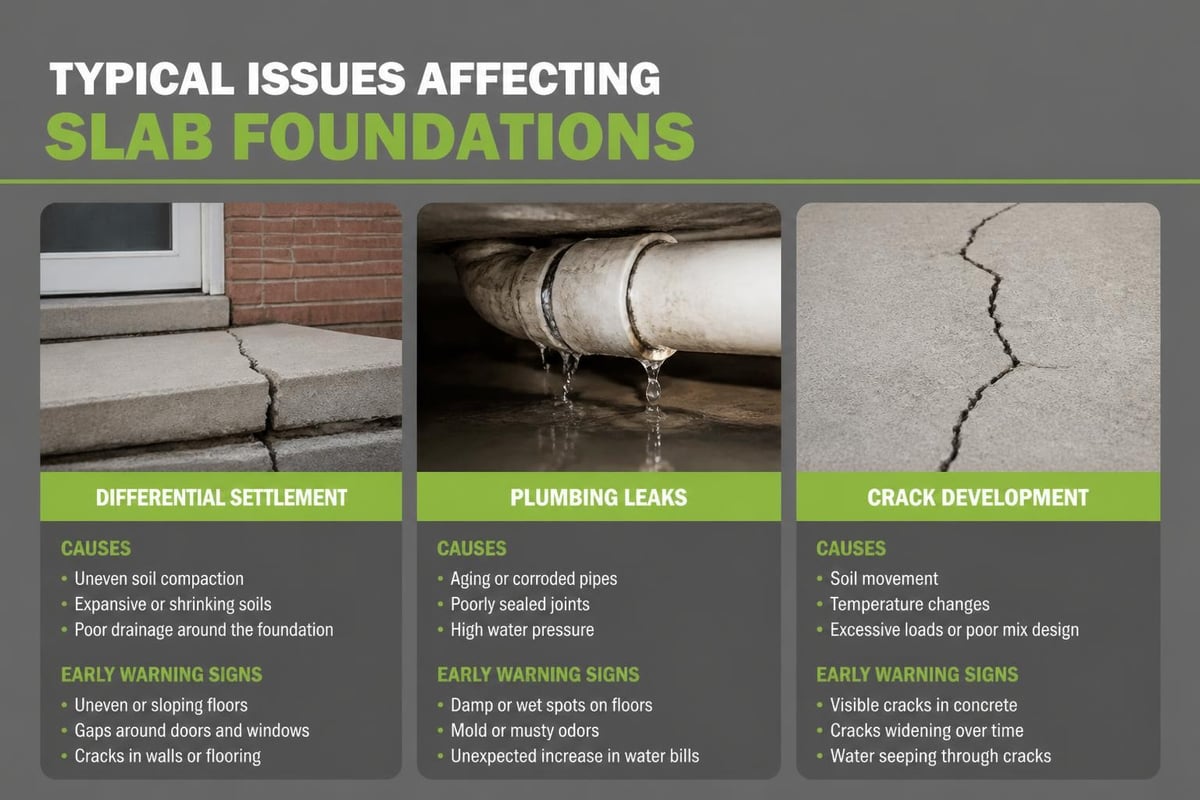
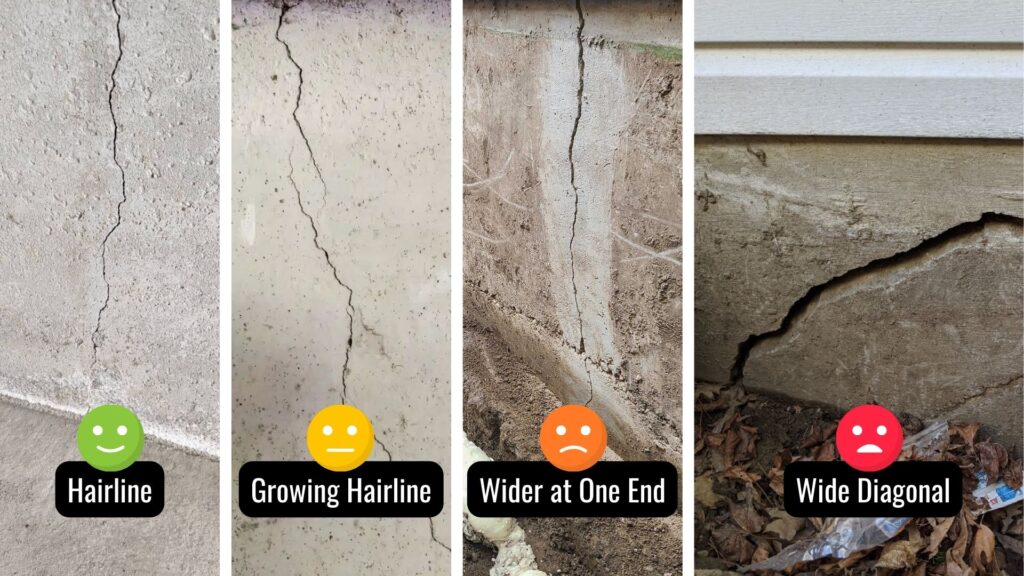
Engage a structural engineer who specializes in forensic petrography. General contractors may misidentify the cracks as simple settling. A specialist will look for "map cracking"—a distinct web-like pattern—and signs of upward heaving rather than downward sinking. In 2026, engineers often use Ground Penetrating Radar (GPR) to map the density and extent of the slag fill beneath the surface without initial destructive testing.
Core Sampling and Laboratory Analysis
The engineer will take core samples of the concrete and soil/fill material. These samples are sent to a lab for X-ray diffraction (XRD) or Scanning Electron Microscopy (SEM). These tests identify the presence of:
- Melilite: Common in slag but usually stable.
- Oldhamite (Calcium Sulfide): A major red flag; it reacts with water to produce gypsum and ettringite, causing massive expansion.
- Unsound Lime or Magnesia: These can hydrate and expand over years.
Establishing a Baseline
Before work begins, "crack monitors" or digital tiltmeters should be installed. These devices track whether the movement is active. If the slag has already fully reacted (which is rare but possible in very old structures), the repair strategy might be less aggressive. However, if the chemical profile shows unreacted sulfides, full removal is usually the only permanent path forward.
Step 2: Material Extraction and Source Removal
Once the lab confirms that expansive slag is present, the second step is the physical removal of the offending material. This is often the most labor-intensive and expensive phase of the project.
Internal Slab Demolition
If the slag is located as fill beneath the basement floor, the entire concrete slab must be jackhammered and removed. The underlying slag fill—which may look like grey, stony gravel—must be excavated. It is common to find that the slag has expanded so much that it has compressed the surrounding soil or put lateral pressure on the foundation walls.
Perimeter Excavation
If the slag was used in the footings or exterior backfill, the perimeter of the house must be excavated. This requires heavy machinery and often involves shoring up the house with temporary steel beams (cribbing) to ensure the structure does not collapse while its "feet" are being replaced.
Proper Disposal
Excavated slag is often classified as a specific type of industrial waste depending on its chemical runoff (such as high pH or sulfur content). In 2026, environmental regulations require that this material be disposed of at licensed facilities. You cannot simply use it as fill elsewhere on your property, as the expansion cycle will simply restart in a new location.
Step 3: Structural Underpinning and Load Transfer
With the expansive material removed, the house is effectively "floating" on temporary supports. Step three involves building a new, stable foundation system that does not rely on the contaminated ground.
Deep Foundation Piering
Because the soil where the slag was removed may be disturbed or unstable, "underpinning" is required. The most common 2026 standard is the use of Helical Piers. These are steel shafts with screw-like plates that are bored deep into the earth until they reach competent load-bearing strata or bedrock.
- Push Piers: These are driven into the ground using the weight of the house.
- Helical Piers: These are screwed in using hydraulic equipment and are generally preferred for slag-damaged sites because they don't require the structure's weight to be used as resistance during a delicate phase of the repair.
Casting New Footings and Slabs
Once the piers are in place and the load of the house has been transferred to them via heavy-duty steel brackets, new concrete can be poured. It is vital to use Type V Sulfate-Resistant Portland Cement if there is any trace of sulfur left in the surrounding soil. This concrete is specifically formulated to resist the chemical attacks that likely destroyed the original foundation.
Void Filling
In some cases, the expansion of the slag may have created "heave voids" or uneven pockets in the soil. Engineers may use high-density polyurethane foam injection to fill these voids and stabilize the soil before the new slab is poured. This ensures there is no future "settling" into the spaces once occupied by expanded slag.
Step 4: Comprehensive Moisture Isolation and Drainage
The final step is to ensure that the environment remains dry. Since moisture is the catalyst for slag expansion, controlling the water table around the new foundation is the best insurance policy against a recurrence.
Interior and Exterior Drainage
A "French Drain" or perimeter drain tile system should be installed both inside and outside the new footings. These pipes should lead to a high-capacity sump pump system with battery backups. Even though the slag has been removed, you want to protect your new concrete from the high mineral content that may still be present in the local groundwater.
Vapor Barriers and Waterproofing
Modern 2026 standards suggest using a 20-mil polyolefin vapor barrier beneath the new basement slab. This prevents capillary rise (moisture wicking up through the concrete). On the exterior walls, a crystalline waterproofing membrane should be applied. Unlike traditional "tar" coatings, crystalline membranes penetrate the concrete and create an impermeable barrier that actually becomes stronger when exposed to water.
Grading and Gutter Management
The final touch is "hardscaping" for drainage. Ensure the soil around the foundation slopes away at a minimum of 5% grade (6 inches of drop over the first 10 feet). All downspouts should be piped at least 15 feet away from the foundation to a bubbler pot or a municipal storm drain.
Comparison of Foundation Issues: Slag vs. Traditional Failures
Understanding the difference between slag heave and other issues is vital for selecting the correct repair method.
| Feature | Slag Expansion (Heave) | Traditional Soil Settling | Hydrostatic Pressure |
|---|---|---|---|
| Direction of Movement | Upward (Heaving) | Downward (Sinking) | Inward (Bowing) |
| Primary Cause | Internal Chemical Reaction | Poor Soil Compaction | Excessive Ground Water |
| Crack Pattern | Web-like / "Map Cracking" | Vertical or Stair-step | Horizontal (middle of wall) |
| Material State | Concrete crumbles/powders | Concrete remains dense | Concrete remains dense |
| 2026 Repair Cost | Very High ($30k - $100k+) | Moderate ($10k - $30k) | Low to Moderate ($5k - $15k) |
| Urgency | Critical (Material is active) | Moderate (Usually slow) | High (Wall collapse risk) |
Frequently Asked Questions
Does homeowners insurance cover slag foundation repair?
In most cases, standard homeowners insurance policies do not cover slag expansion. Most policies have specific exclusions for "latent defects," "industrial pollutants," and "earth movement." However, if you can prove the slag was a result of a specific collapse or if you have a specialized structural rider, there may be a path to a claim. In 2026, some specialized "hidden defect" insurance products have entered the market for buyers of older homes in industrial corridors.
Can I just seal the cracks in a slag foundation?
No. Sealing the cracks is a cosmetic fix that fails to address the underlying chemical reaction. Because the slag is expanding, the internal pressure will simply create new cracks or blow out the patches you have applied. Until the moisture source is removed or the slag itself is excavated, the movement will continue.
How long does the 4-step repair process take?
A full slag remediation project typically takes 4 to 8 weeks. This includes the diagnostic phase (1 week), the demolition and excavation (2-3 weeks), the piering and pouring of new concrete (2 weeks), and the final waterproofing and site restoration (1 week). During this time, the basement is usually unusable, and in extreme cases, the occupants may need to vacate the property while the house is on temporary supports.
Is a house with a repaired slag foundation safe to buy?
Yes, provided the repair was engineered and permitted. If the expansive material was removed and the structure was underpinned with piers, the "new" foundation is often stronger than a standard foundation. However, buyers in 2026 should always demand the "Certificate of Completion" from the structural engineer and a transferrable warranty from the foundation repair company.
Can I use "Slab Jacking" to fix a slag foundation?
Absolutely not. Slab jacking (pumping grout under a slab to level it) is designed for settling foundations. If you pump grout under a heaving slag foundation, you are adding more material to an already over-pressurized system. This can accelerate the damage to your walls and potentially lead to a catastrophic structural failure.
Final Recommendations
Fixing a slag foundation is an arduous process that requires professional intervention at every stage. If you suspect your foundation is suffering from slag heave, your first action should be to contact a member of the American Society of Civil Engineers (ASCE) or a similar regional body to find a forensic specialist.
Avoid "quick-fix" contractors who promise to solve the issue with simple carbon fiber straps or epoxy injections. These methods address tension but cannot counteract the massive compressive forces of chemical expansion. By following the four-step methodology—Diagnosis, Extraction, Underpinning, and Moisture Control—you can permanently stabilize your home and restore its structural integrity and market value for the long term.