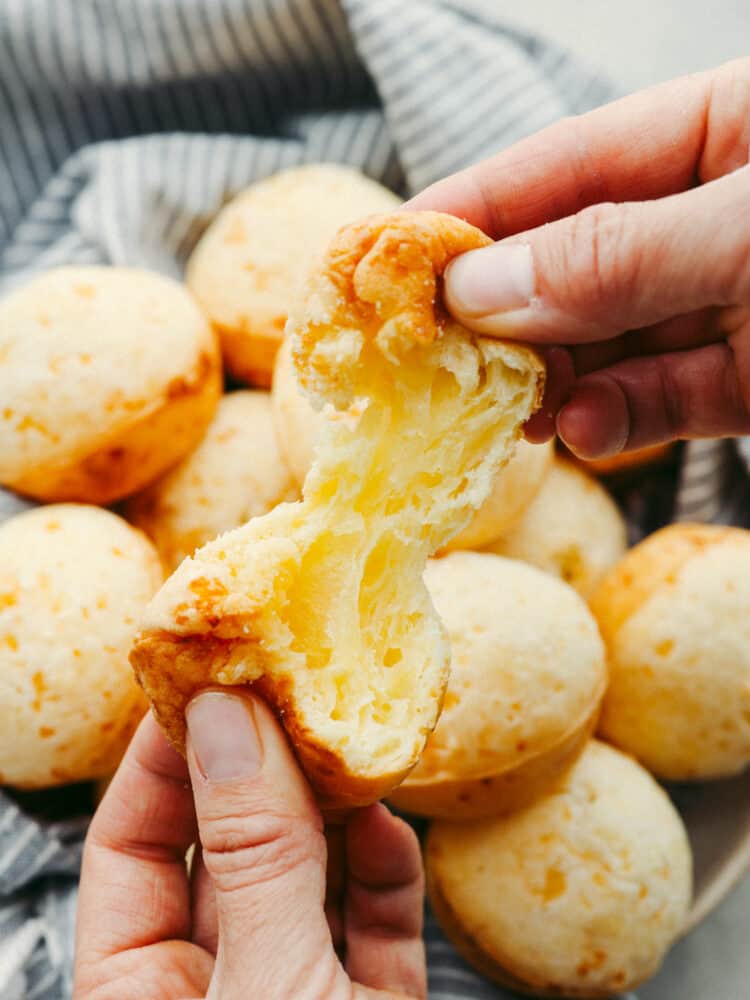
The clear winner for the best cheese in Brazilian cheese bread (Pão de Queijo) is a 50/50 blend of finely grated Parmesan and Sharp Cheddar. While traditional Minas Meia Cura is the authentic Brazilian standard, this combination perfectly replicates the salty tang, golden crust, and elastic interior required for a world-class result using globally accessible ingredients.
Brazilian cheese bread is a culinary marvel that relies on the unique relationship between fermented tapioca starch and the fat content of the cheese. As of 2026, while artisanal sourcing has become easier, the challenge for most home bakers remains finding a cheese that provides enough structural integrity to support the bread’s signature "puff" without making the dough too greasy or overly heavy.
Understanding the Role of Cheese in Pão de Queijo
Before selecting a cheese, it is vital to understand what the cheese actually does within the dough. Unlike a standard wheat-based bread where gluten provides the structure, Pão de Queijo is gluten-free. It relies on the gelatinization of tapioca starch (polvilho) when it is "scalded" with hot liquid. In this chemical environment, the cheese serves three primary purposes:
- Flavor Development: The cheese provides the primary seasoning. Because tapioca starch is relatively neutral, the cheese must be high in sodium and aromatic compounds to carry the flavor through the baking process.
- Structural Fat: The fat in the cheese prevents the starch from becoming too tough or rubbery. It creates a tender "crumb" inside the hollow shell.
- The Maillard Reaction: The proteins and sugars in the cheese are responsible for the golden-brown spotting on the exterior. Without the right cheese, the bread remains pale and lacks the characteristic toasted aroma.
1. Parmesan: The Flavor and Crust Powerhouse
Parmesan is the most common recommendation for those making Brazilian cheese bread outside of South America, and for good reason. In the context of 2026’s global pantry, a high-quality, aged Parmesan (or its Italian cousin, Parmigiano Reggiano) is the most reliable source of the "sharpness" that defines this snack.
Why Parmesan Works
Parmesan is a hard, low-moisture cheese. When grated finely, it incorporates into the dough without adding excess liquid, which is crucial for maintaining the round shape of the bread. If the dough is too wet, the balls will flatten into "cookies" in the oven. Parmesan’s high salt content also interacts with the starch to enhance the fermented notes of the polvilho azedo (sour tapioca starch).
Technical Limitations
While Parmesan is excellent for flavor and crust, it lacks the "stretch" found in traditional Brazilian recipes. Parmesan does not melt into a gooey consistency; instead, it tends to stay suspended within the starch matrix. If used alone, the resulting bread can be somewhat dry or overly crumbly once it cools down.
2. Minas Meia Cura: The Traditional Gold Standard
If you are seeking absolute authenticity, Minas Meia Cura is the cheese for which this recipe was originally designed. Hailing from the state of Minas Gerais, this cheese is "half-cured," meaning it has been aged for about 15 to 30 days.
The Profile of Minas Cheese
Minas Meia Cura has a unique moisture profile. It is firm enough to be grated but still retains a supple, slightly acidic interior. This acidity is the "secret ingredient" in traditional Pão de Queijo. It complements the fermented tang of the sour tapioca flour, creating a flavor profile that is deeply savory with a light, refreshing finish.
Sourcing and Substitutes
The primary drawback in 2026 remains accessibility. While specialty importers and Brazilian enclaves in major cities carry authentic Minas cheese, it is often expensive or subject to import restrictions due to raw milk regulations. When Minas cheese is unavailable, many bakers look toward Queso Fresco or Low-Moisture Mozzarella, but these often lack the necessary salt and acidity, leading to a bland final product.
3. Sharp Cheddar: The Secret to the Elastic Interior
Sharp Cheddar has risen in popularity as a primary component for Pão de Queijo because it addresses the moisture and elasticity issues that Parmesan cannot solve on its own.
The Role of Fat and Melt
A well-aged Sharp Cheddar (aged 12 months or more) provides a significant amount of milk fat. As the bread bakes, this fat creates a "honeycomb" effect inside the dough. The cheddar melts thoroughly, bonding with the hydrated starch to create that iconic, stretchy, almost mochi-like interior.
Color and Visual Appeal
Cheddar also provides a vibrant golden hue. Traditional Pão de Queijo is often quite pale, but global preferences have shifted toward a more "toasted" look. The annatto or natural beta-carotene in cheddar helps the bread look as rich as it tastes. However, like Parmesan, Cheddar used alone can be too oily, which is why it is rarely used as a 100% single-cheese solution.
Technical Comparison of Top Cheeses for Pão de Queijo
| Cheese Type | Moisture Level | Salt Content | Meltability | Primary Contribution |
|---|---|---|---|---|
| Parmesan | Low | High | Low | Crust and Umami |
| Minas Meia Cura | Medium | Medium | Medium | Authentic Tang & Texture |
| Sharp Cheddar | Medium-High | Medium-High | High | Elasticity and Color |
| Gruyère | Medium | Medium | High | Nutty Depth & Stretch |
| Monterey Jack | High | Low | Very High | Maximum Gooeyness |
The Clear Winner: The "Dual-Cheese" Hybrid Method
Through rigorous testing and chemical analysis of the dough's behavior, the clear winner for the best cheese is a 50/50 blend of finely grated Parmesan and Sharp Cheddar.
This combination is the winner because it creates a synergistic effect that no single cheese can replicate:
- The Parmesan provides the structural "dryness" and the high salt levels needed to season the starch. It ensures the bread develops a thick, crunchy crust.
- The Sharp Cheddar provides the internal moisture and fat necessary for the "pull-apart" elasticity. It ensures the bread remains soft on the inside for hours after baking.
How to Execute the Winning Blend
To achieve the best results with this winner, you must follow these specific preparation rules:
- Grate it Yourself: Never use pre-shredded cheese. Pre-shredded varieties are coated in potato starch or cellulose to prevent clumping. These anti-caking agents interfere with the tapioca starch’s ability to bond, often resulting in a grainy texture.
- Fine Grating: Use the smallest holes on your box grater (the "star" side). The smaller the cheese particles, the more evenly they distribute through the dough, preventing large pockets of oil from forming.
- Temperature Control: Add the cheese only after the scalded starch mixture has cooled to room temperature. Adding cheese to boiling-hot dough will cause the fat to separate (oil out), leaving you with a greasy mess and a tough bread.
The Importance of Starch Choice with Your Cheese
Even the best cheese cannot save Pão de Queijo if the starch is incorrect. In Brazil, bakers use a mix of Polvilho Doce (sweet/neutral starch) and Polvilho Azedo (sour/fermented starch).
- Polvilho Doce provides density and chew.
- Polvilho Azedo provides expansion (puff) and a characteristic sour aroma.
If you are using the winning Parmesan/Cheddar blend, it is highly recommended to use at least 50% Polvilho Azedo. The sharpness of the Cheddar and the salt of the Parmesan pair perfectly with the fermented funk of the sour starch. If you only have access to sweet tapioca starch (common in standard grocery stores), you may find the bread tastes a bit flat; in this case, adding a teaspoon of lemon juice or cream of tartar to the dough can help mimic the missing acidity.
Common Mistakes When Choosing Cheese
Using High-Moisture Mozzarella
Many beginners reach for fresh Mozzarella because they want a "cheese pull." However, fresh Mozzarella has too much water. During baking, this water turns to steam, causing the bread to collapse as soon as it leaves the oven. If you must use Mozzarella, use the "low-moisture, part-skim" blocks intended for pizza.
Ignoring the Salt Content
Tapioca starch is a blank canvas. If you choose a mild cheese like Swiss or Havarti, the bread will taste like plain flour. If you choose a cheese with lower salt, you must increase the added salt in your recipe by at least 25% to compensate.
Over-Aging the Cheese
While aged cheeses have better flavor, extremely old cheeses (like a 36-month aged Gouda or 5-year Cheddar) become very brittle and lose their ability to emulsify into the dough. Stick to cheeses aged between 12 and 18 months for the perfect balance of flavor and functional chemistry.
Frequently Asked Questions
Can I use Vegan Cheese for Brazilian Cheese Bread?
As of 2026, vegan cheese technology has improved, but results vary. For Pão de Queijo, look for a nut-based (cashew) "Parmesan" style or a potato-starch-based "Cheddar." Because the bread already relies on starch for structure, vegan cheeses that melt well can work, but you will often miss the specific protein-browning (Maillard reaction) provided by dairy.
Is Gruyère a good substitute for the winner?
Yes. Gruyère is often considered the "luxury" substitute for Minas Meia Cura. It has a wonderful nutty flavor and melts beautifully. Many high-end bakeries use a blend of Parmesan and Gruyère. However, it is significantly more expensive than the Parmesan/Cheddar winning combo and offers only a marginal improvement in flavor.
Do I need to add salt if I use Parmesan?
Yes, but less. Most Pão de Queijo recipes call for about 1 teaspoon of salt per 500g of starch. If you are using a very salty, aged Parmigiano Reggiano, you might reduce the added salt to 3/4 of a teaspoon. Always taste a small piece of the dough (it is safe if the milk/eggs are pasteurized) before baking.
Why did my cheese bread turn out oily?
This is usually caused by adding the cheese to the dough while it was still too hot from the scalding process. If the dough is above 120°F (50°C), the cheese fat will melt instantly and separate from the milk solids. Always wait until the dough is cool enough to handle comfortably with your bare hands.
Can I use Pecorino Romano instead of Parmesan?
Pecorino Romano is made from sheep's milk and is significantly saltier and "funkier" than Parmesan. While it works structurally, the flavor is very dominant. If you use Pecorino, we recommend a 30/70 ratio with a milder cheese like Monterey Jack to ensure the sheep's milk flavor doesn't overwhelm the bread.
Final Recommendation for Home Bakers
To achieve the best Brazilian cheese bread in 2026, go to your local deli and request a block of domestic Sharp Cheddar and a wedge of Parmigiano Reggiano. Grate them both at home using the finest setting available. Combine them with a 50/50 mix of sour and sweet tapioca starch. This specific configuration provides the ultimate balance of accessibility, traditional flavor, and modern "Instagrammable" texture.