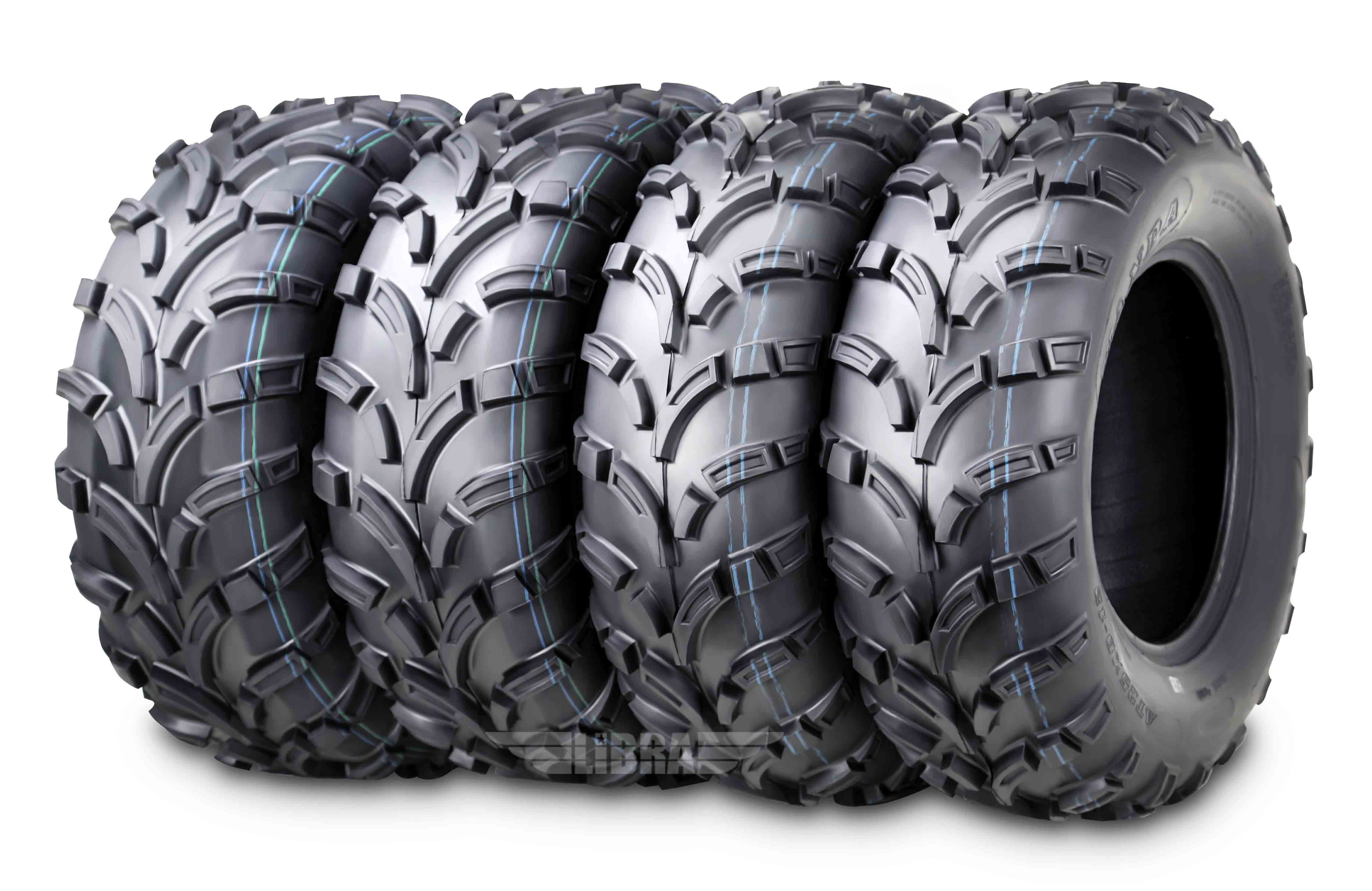
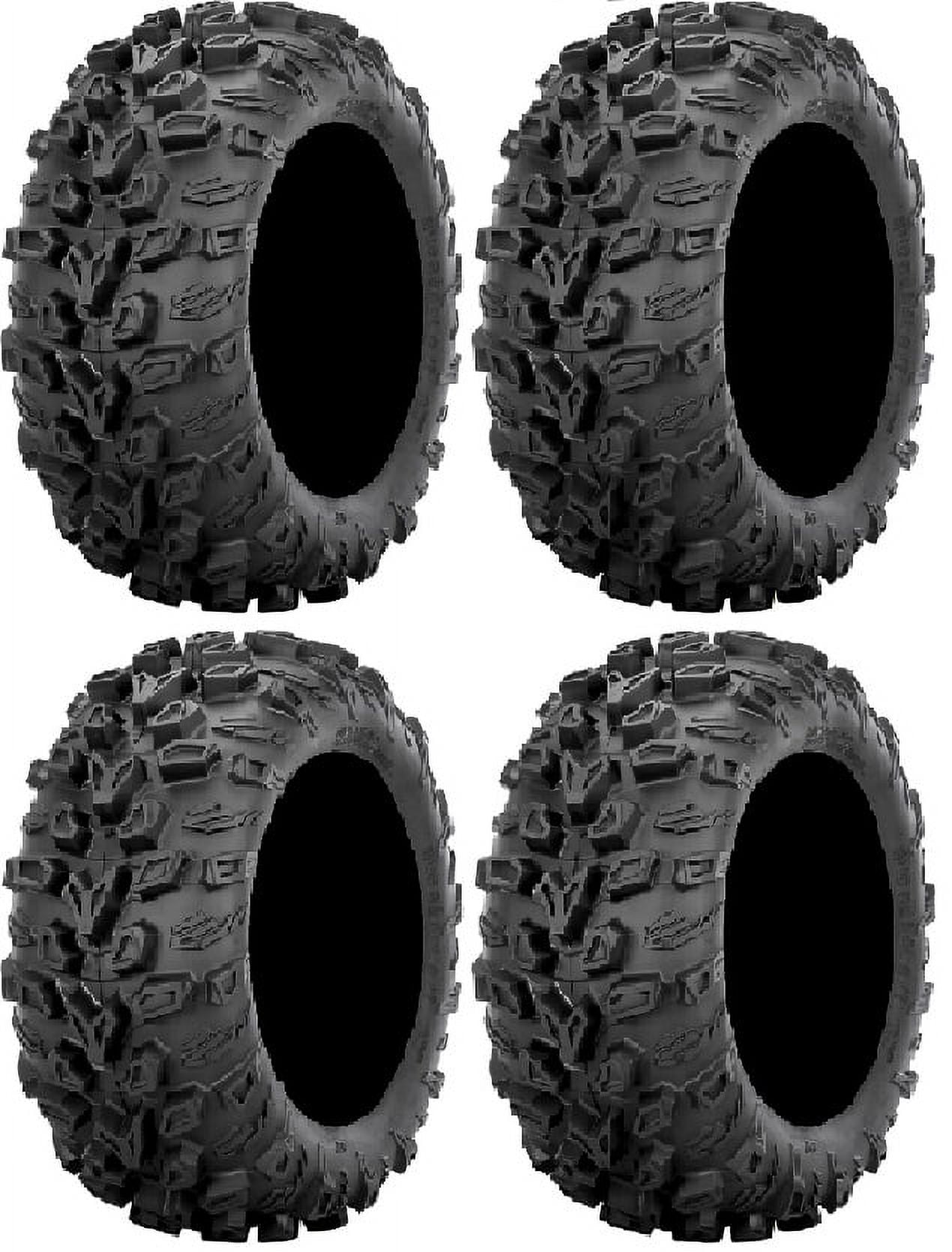
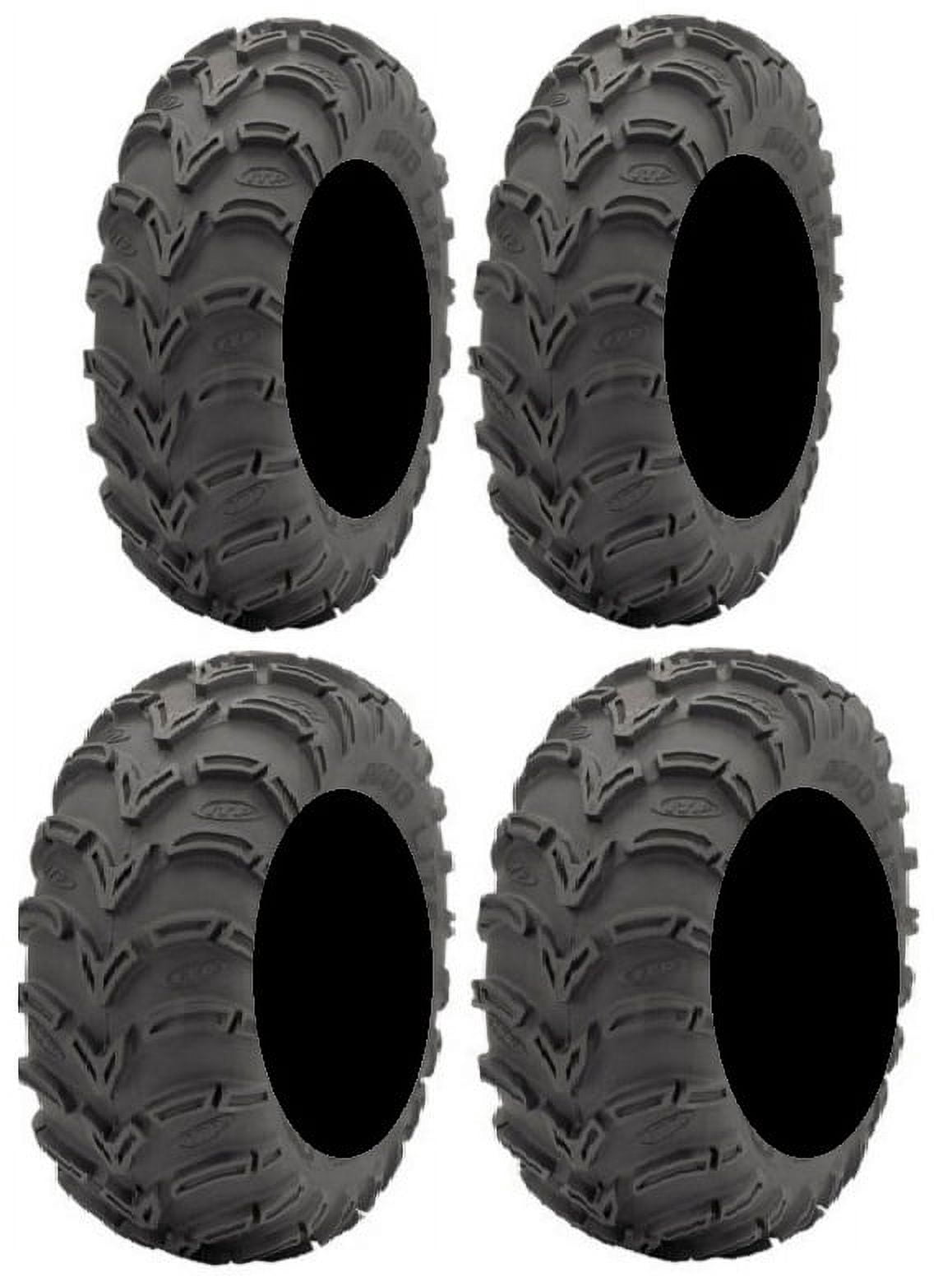
Selecting the correct tire size for an All-Terrain Vehicle (ATV) or Utility Task Vehicle (UTV) is a critical maintenance task that directly impacts machine performance, handling, and safety. The designations 25x8-12 and 25x11-12 represent the most common staggered tire setup found on mid-sized sport and utility ATVs, where the front tires differ in width from the rear tires to optimize steering precision and traction.
Deconstructing the Tire Size Code
To understand these specific tire measurements, one must look at the standard nomenclature used by off-road tire manufacturers. The format follows a logical progression: Height x Width – Rim Diameter.
25x8-12 Specifications
- 25: This is the overall diameter of the tire in inches when inflated to the manufacturer’s recommended pressure and mounted on the appropriate rim.
- 8: This indicates the cross-section width of the tire in inches. A width of 8 inches is considered standard for front ATV tires, providing enough contact patch for steering grip without causing excessive "heavy" steering feel.
- 12: This is the wheel diameter, measured in inches. This signifies that the tire is engineered specifically for a 12-inch rim.
25x11-12 Specifications
- 25: The tire retains the same 25-inch overall diameter as the front tire, which is essential for maintaining consistent final drive ratios and preventing drivetrain damage.
- 11: This indicates a width of 11 inches. The extra 3 inches of width compared to the front tire creates a wider contact patch, which is vital for putting power to the ground and providing flotation in soft terrain.
- 12: The rim diameter remains constant at 12 inches, ensuring compatibility with the vehicle’s axle and hub assembly.
Why Manufacturers Use Staggered Setups
The combination of 25x8-12 (front) and 25x11-12 (rear) is not accidental. It is a calculated engineering decision designed to balance two competing needs: agility and traction.
Steering Agility
The narrower 8-inch front tire offers several advantages. By reducing the contact patch surface area, the tire requires less steering input from the rider. In technical trail riding, this reduces rider fatigue and makes the vehicle feel more responsive in tight corners. Additionally, a narrower tire is less likely to "tram-line" (follow ruts or grooves in the trail), providing a more predictable steering feel.
Traction and Stability
The rear tires are responsible for transmitting the engine's torque to the ground. The 11-inch width provides a significantly larger footprint, which allows for better grip on loose surfaces like mud, sand, or loose dirt. Because the rear of an ATV carries a high percentage of the vehicle's weight and the load of the rider, the wider tire distributes this pressure more effectively, preventing the vehicle from digging into soft ground.
Critical Considerations Before Replacing Tires
Replacing your tires is an investment in your vehicle’s capability. Before purchasing a new set, you must verify your machine's requirements to avoid mechanical failure.
Drivetrain Compatibility
Most 4WD ATVs rely on a specific tire diameter to ensure that the front and rear wheels rotate at the appropriate speed relative to one another. If you were to install a tire with a different diameter than what the manufacturer specified, you would effectively change the "gear ratio" of the drivetrain. This can cause the front and rear differentials to fight each other, leading to premature wear or catastrophic failure of the differential gears or the transmission.
Clearance and Rubbing
The 25-inch diameter is a standard size, but aftermarket tires often have aggressive tread patterns, including deep lugs that extend beyond the nominal 25-inch diameter. Always check the clearance between your tires and the frame, shock absorbers, and plastics of the vehicle. If you upgrade to an extremely aggressive mud tire, a 25-inch tire may actually have a larger effective diameter than the stock tire, leading to rubbing during full suspension compression or tight turns.
Load Range and Ply Rating
ATV tires are categorized by "ply ratings" (e.g., 4-ply, 6-ply, or 8-ply). While modern tires are rarely made of the actual number of plies indicated, this rating refers to the load-carrying capacity and puncture resistance.
- 4-ply: Suitable for light trail riding and recreational use.
- 6-ply or higher: Recommended for riders who carry heavy loads, traverse rocky terrain, or prioritize puncture resistance.
Comparison of Standard Tire Configurations
The following table outlines how these measurements compare to other common industry standards found on 12-inch rims.
| Tire Size (F/R) | Typical Application | Handling Characteristic | Traction Profile |
|---|---|---|---|
| 25x8-12 / 25x11-12 | Trail / Utility | Agile steering | Versatile, reliable |
| 26x9-12 / 26x11-12 | Mud / All-terrain | Slightly heavier | High flotation |
| 24x8-12 / 24x10-12 | Sport / Racing | High precision | Lower surface area |
Installation and Maintenance Best Practices
When installing new tires, consistency is key. Always replace tires as a set if possible, or at least replace both front tires or both rear tires simultaneously to ensure even tread depth across an axle.
Monitoring Tire Pressure
Tire pressure is the single most important factor in the longevity and performance of your 25x8-12 and 25x11-12 tires. Because ATV tires often operate at low pressures (typically 4 to 8 PSI), a small deviation in pressure can significantly alter the tire's profile.
- Low Pressure: Increases the risk of "bead failure," where the tire unseats from the rim, especially during aggressive cornering.
- High Pressure: Causes the tire to crown (bulge in the center), which leads to uneven tread wear and a harsh, bouncy ride.
The Importance of Uniformity
Never mix different tread patterns or brands on the same axle. Different rubber compounds and tread designs will have different traction coefficients, which can lead to unpredictable handling, especially when engaging the 4WD system on hard-packed surfaces. If your machine is equipped with a locking differential, it is even more important that the tires on a single axle have identical grip characteristics to prevent mechanical bind.
Troubleshooting Common Issues
Even with high-quality tires, users may encounter performance degradation over time.
Vibration at High Speed
If you notice a vibration, first inspect for mud or debris trapped inside the wheel. Because the 25x11-12 tires are wide, they are prone to collecting mud in the inner rim. If the wheels are clean, check the tire for "out of round" conditions or cupping, which occurs when a tire is consistently under-inflated or used on a vehicle with worn suspension components.
Premature Tread Wear
If your tires are wearing out faster on one side of the tread than the other, this is usually an indication of an alignment issue. Most ATVs require periodic adjustments to the tie rods to keep the front wheels in proper toe-in or toe-out alignment. If the alignment is off, the 25x8-12 front tires will experience "scrub," which wears down the rubber rapidly.
Frequently Asked Questions
Can I install a wider tire than 11 inches on my rear 12-inch rim?
Yes, but you must ensure there is sufficient clearance between the tire and the vehicle's rear shocks, swingarm, and exhaust. Installing a significantly wider tire may also affect the steering geometry and cause the machine to feel sluggish.
Is it necessary to change the tire pressure when switching from dirt to rocks?
Yes. When riding on sharp, rocky terrain, slightly increasing the tire pressure can help prevent the tire from deforming too much around sharp objects, reducing the risk of sidewall punctures. Conversely, dropping the pressure slightly on loose sand or mud increases the contact patch and improves flotation.
How do I know if my rims are compatible with 25x8-12 and 25x11-12 tires?
Check the stamp on your existing wheels. The width of the wheel (measured in inches) must be compatible with the width of the tire. A 12-inch diameter wheel is mandatory, but you should also ensure the width of the rim is within the manufacturer's recommended range for an 8-inch or 11-inch wide tire to prevent the tire from popping off the bead during hard maneuvers.
Can I run the same size tire on the front and rear?
Some riders choose to run the same size tire on all four corners (e.g., all 25x10-12) to allow for easier tire rotation. While this can save money on maintenance, it often changes the handling characteristics of the vehicle, making the steering feel heavier and potentially altering the way the machine engages in 4WD. Consult your owner's manual for manufacturer recommendations.
Does the ply rating affect the ride quality?
Yes. A higher ply rating (such as an 8-ply tire) uses stiffer sidewalls to achieve its puncture resistance. This will result in a firmer ride compared to a 4-ply tire, as the tire is less capable of absorbing small bumps. If you primarily ride on smooth, flat trails, a lower ply rating is often more comfortable.
Final Recommendation
When purchasing replacement tires, prioritize the specific requirements of your terrain. If your riding environment is primarily rocky, look for tires with high puncture resistance and reinforced sidewalls, even if they are slightly heavier. If you prefer trail riding in varied conditions, the stock configuration of 25x8-12 and 25x11-12 provides the best balance of longevity, fuel economy, and handling performance. Always ensure that your new tires are balanced by a professional if you plan on reaching higher speeds on gravel or pavement, and verify your tire pressure before every ride to ensure peak performance and safety.