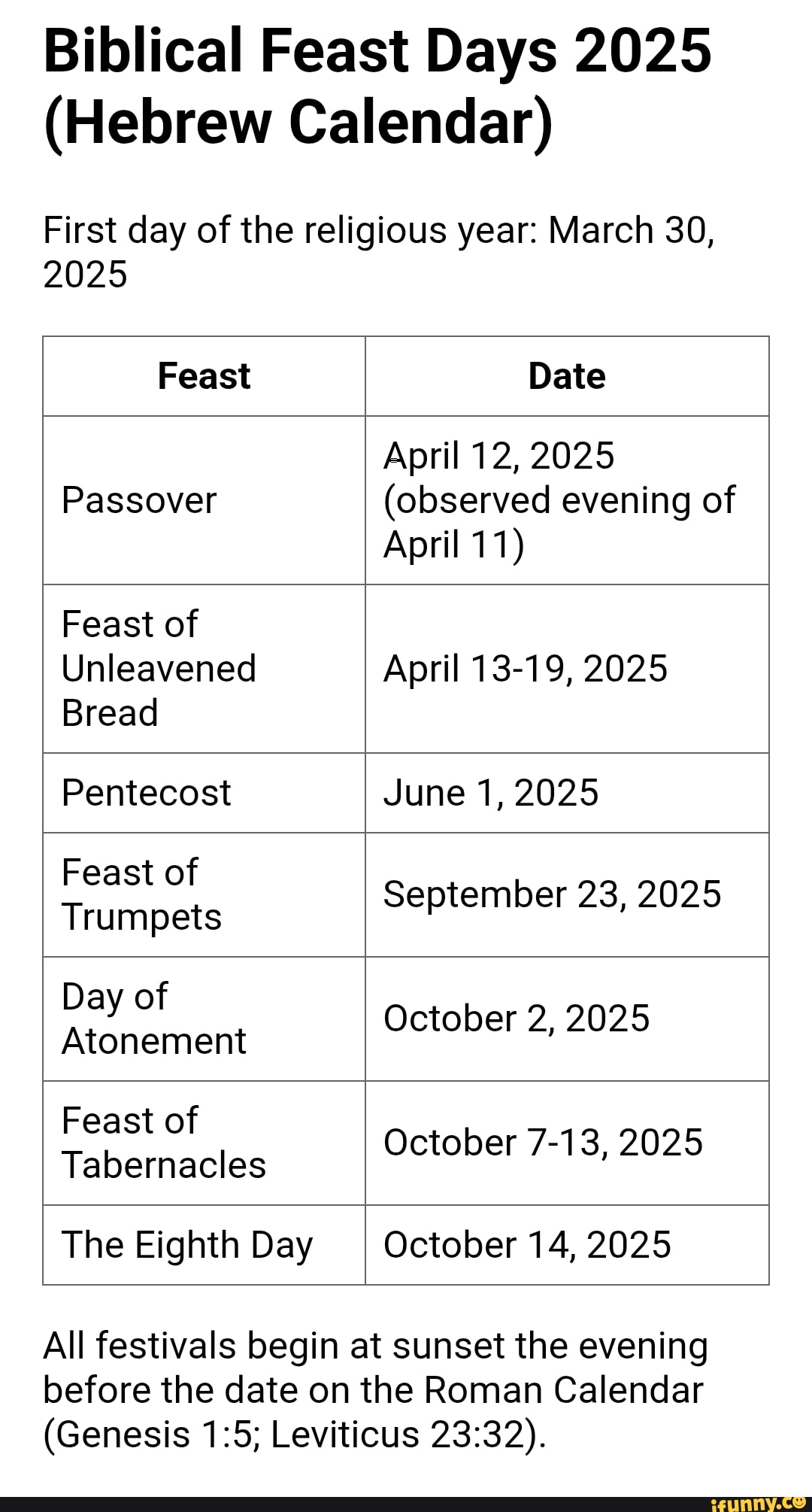
Passover 2025 begins at sundown on Saturday, April 12, and concludes at nightfall on Sunday, April 20, for communities observing an eight-day festival, or Saturday, April 19, for those observing seven days. This timing shapes the holiday's preparation schedule, travel arrangements, and community gatherings for millions of Jewish households worldwide.
Introduction to the Jewish Calendar and Passover Timing
The timing of Passover—known in Hebrew as Pesach—is determined by the Hebrew lunisolar calendar rather than the standard Gregorian calendar. This structural difference causes the dates of the holiday to shift relative to the solar year, generally falling in March or April. Understanding how these calendars intersect explains why the 2025 festival fell during these mid-April days and how the lunar cycle dictates the rhythm of spring holidays in Jewish tradition.
The Hebrew calendar balances lunar months with solar years through a complex intercalation system. A standard lunar year is approximately 354 days, which is roughly 11 days shorter than the solar year of 365.25 days. To ensure that holidays like Passover always occur in the spring—as mandated by biblical law, which requires Pesach to coincide with the harvest season of Aviv—the calendar adds a leap month (Adar II) approximately every two to three years in a 19-year Metonic cycle.
In the lead-up to the 2025 observance, Jewish communities around the globe began preparations well in advance. Because the Hebrew calendar day begins at sunset, the first Seder took place on the evening of April 12, 2025, right after the Sabbath ended in many parts of the world, creating a unique back-to-back observance of sacred time that required careful logistical planning for food preparation and holiday travel.
The Structure of Passover: Days of Significance
Passover spans either seven or eight days, depending on geographic location and religious denomination. In Israel and among Reform Jewish communities worldwide, the holiday lasts for seven days. In the Diaspora (outside of Israel) among Orthodox, Conservative, and many traditional communities, the holiday lasts for eight days due to historical uncertainties regarding the exact sighting of the new moon in antiquity.
| Passover Day (2025) | Gregorian Date | Observance Type | Key Rituals and Themes |
|---|---|---|---|
| Erev Pesach / First Seder | Saturday, April 12, 2025 (Evening) | Festival Beginning | Search for chametz, morning burning, evening Seder, reading the Haggadah. |
| First Day of Passover | Sunday, April 13, 2025 | Full Holiday (Yom Tov) | Synagogue services, complete restriction on labor, festive meals. |
| Second Day of Passover | Monday, April 14, 2025 | Full Holiday (Yom Tov) / Diaspora Second Seder | Second festive Seder in the Diaspora, continuation of Yom Tov restrictions. |
| Intermediary Days (Chol HaMoed) | Tuesday, April 15 – Thursday, April 17, 2025 | Semi-Festive Days | Working is permitted with restrictions, eating unleavened bread (matzah) continues. |
| Seventh Day of Passover | Friday, April 18, 2025 | Full Holiday (Yom Tov) | Commemoration of the parting of the Red Sea, candle lighting before sunset. |
| Eighth Day of Passover | Saturday, April 19, 2025 | Full Holiday / Diaspora Conclusion | Final day of Diaspora observance, Yizkor memorial service, conclusion at nightfall. |
The structural division of the week highlights why the specific dates of April 12 through April 20 required meticulous schedule management. The convergence of the initial festival days with the weekend in 2025 influenced everything from school closures and university accommodations to workplace scheduling for employees requesting time off for religious observances.
Practical Preparations and the Prohibition of Chametz
The defining ritual requirement of Passover is the complete removal and avoidance of chametz—leavened grain products made from wheat, barley, rye, oats, or spelt that have fermented. Preparing a household for this restriction is a rigorous process that typically begins weeks before the first Seder on April 12, 2025.
Deep Cleaning and Kitchen Purging
Families thoroughly clean their homes to eliminate any stray crumbs or food particles containing leaven. Kitchens require specialized preparation, including:
- Scrubbing and Polishing: Countertops, cabinets, ovens, and refrigerators are washed with heavy-duty cleaners.
- Koshering Surfaces: Depending on the material, countertops and stovetops are often purged with boiling water or extreme heat to render them fit for Passover use.
- Dedicated Utensils: Many households maintain separate sets of cookware, dinnerware, and cutlery used exclusively during the eight days of Passover.
The Search and Burning of Chametz (Bedikat Chametz and Biur Chametz)
On the night before the first Seder—Friday night, April 11, 2025—families perform a traditional candlelit search of the home (Bedikat Chametz) to find any remaining leavened items, traditionally using a feather, a wooden spoon, and a candle. The following morning, Saturday, April 12, before a specific halachic deadline, the gathered crumbs are burned in a ritual known as Biur Chametz, accompanied by a formal declaration nullifying any unseen leaven remaining in one's possession.
The Seder Experience: April 12 and April 13, 2025
The high point of the Passover observance occurs during the first two nights of the festival—specifically the evening of April 12 and the evening of April 13, 2025, in the Diaspora. The Seder, meaning "order," is a ritual feast that guides participants through the narrative of the Exodus from Egypt using symbolic foods, historical storytelling, and communal song.
The central text of the evening is the Haggadah, which fulfills the biblical commandment to retell the story of the Israelite liberation from slavery to each successive generation. Around the Seder table, participants engage with several key ritual elements:
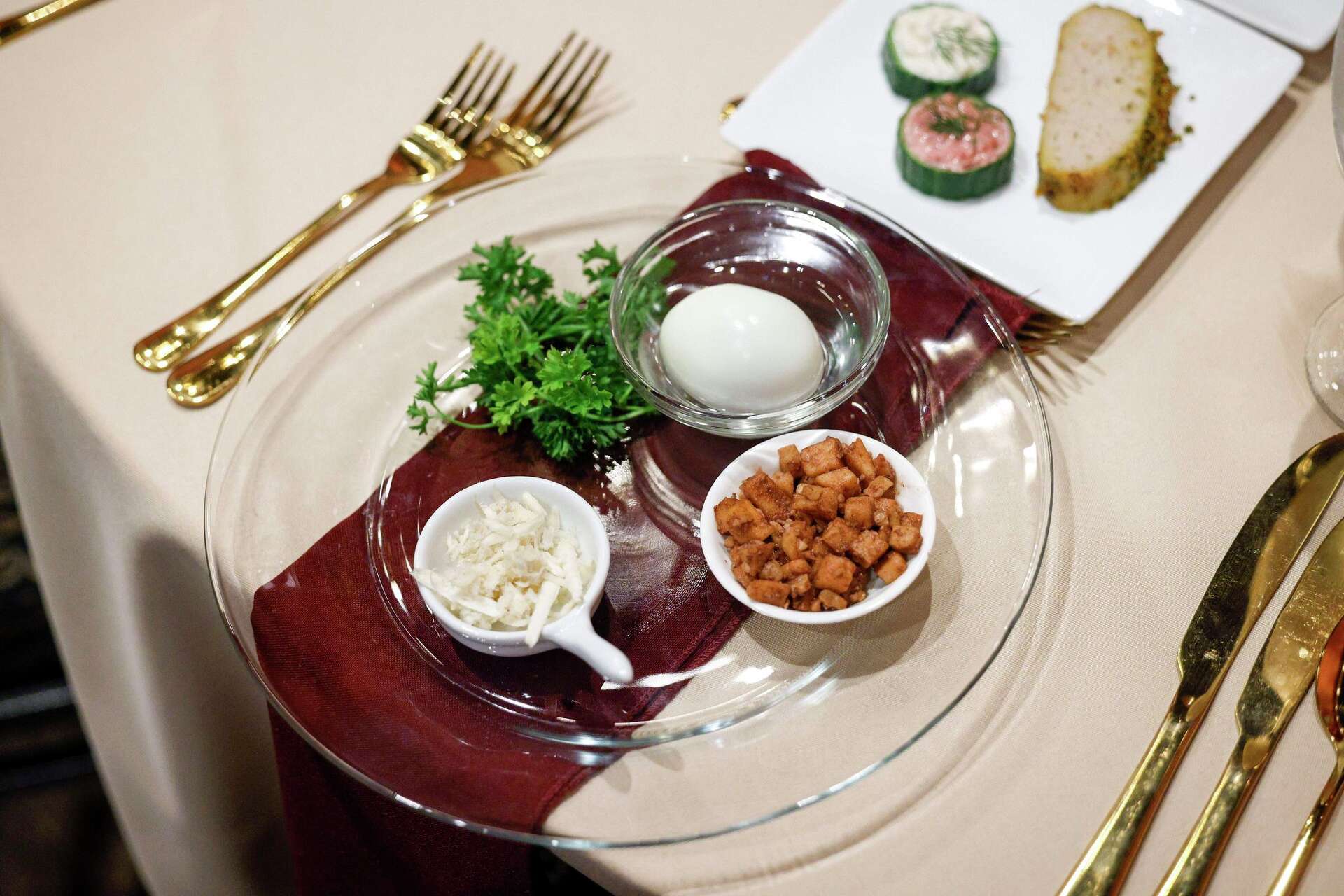
- The Seder Plate: Displaying symbolic foods including zeroa (a roasted bone or beet), beitzah (an egg), maror and chazeret (bitter herbs), karpas (a vegetable dipped in saltwater), and charoset (a paste of fruits, nuts, and wine).
- Four Cups of Wine: Representing the four expressions of redemption promised in the Book of Exodus.
- Matzah: The unleavened bread eaten to commemorate the haste with which the Israelites left Egypt, giving no time for their dough to rise.
- The Afikoman: A hidden piece of matzah broken early in the meal and consumed at the end as a symbolic dessert.
For families in 2025, the timing of the first Seder on a Saturday night presented unique preparation challenges. Because traditional Sabbath laws prohibit cooking or food preparation for a festival until the Sabbath has completely ended, all Seder preparations had to be completed before the onset of Shabbat on Friday evening, or timed precisely so that cooking could take place using a pre-existing flame (Yov Tov candle transfer) once Saturday night arrived.
Frequently Asked Questions
Why do Passover dates change every year on the Gregorian calendar?
Passover dates change because the Jewish calendar is lunisolar, meaning months are based on the lunar cycle while years are adjusted to match the solar cycle. Because the lunar year is roughly 11 days shorter than the solar year, holidays drift relative to the standard Gregorian calendar and must be recalibrated using a 19-year leap-month cycle.
What is the difference between a seven-day and eight-day Passover observance?
The duration depends on geographic location and religious denomination. In Israel and among Reform communities worldwide, Passover is observed for seven days. In the Diaspora (outside Israel) among Orthodox, Conservative, and traditional communities, it is observed for eight days due to ancient uncertainties regarding calendar announcements sent out from Jerusalem.
Can you work during the intermediary days of Passover?
Yes, the intermediary days, known as Chol HaMoed (April 15 through April 17, 2025), are semi-festive. While certain types of labor are restricted or discouraged depending on community custom to maintain the festive atmosphere of the holiday, most everyday work, business operations, and travel are permitted.
What foods are strictly forbidden during Passover?
Any food containing chametz—leavened grain products derived from wheat, barley, rye, oats, or spelt that have been allowed to ferment—is forbidden. This includes standard bread, pasta, cookies, beer, and most whiskies. Additionally, many Ashkenazi Jewish communities observe customs prohibiting kitniyot (legumes, corn, rice, and soy) during the holiday, though Sephardic traditions permit them.
When did the 2025 Passover holiday officially end?
For those observing an eight-day festival outside of Israel, Passover ended at nightfall on Sunday, April 20, 2025. For those observing a seven-day festival in Israel or within Reform communities, it concluded at nightfall on Saturday, April 19, 2025, after which regular foods (chametz) could be eaten again.
Conclusion and Next Actions
The 2025 Passover period from April 12 to April 20 brought together ancient traditions, community gatherings, and careful household management. For individuals navigating similar holiday schedules in future years, success relies on early logistical planning, understanding calendar conversions, and preparing the home well in advance of the festival's sunset arrival. Review local community calendars and rabbinic guidelines to confirm precise candle-lighting times and holiday end-points for your specific geographical timezone.