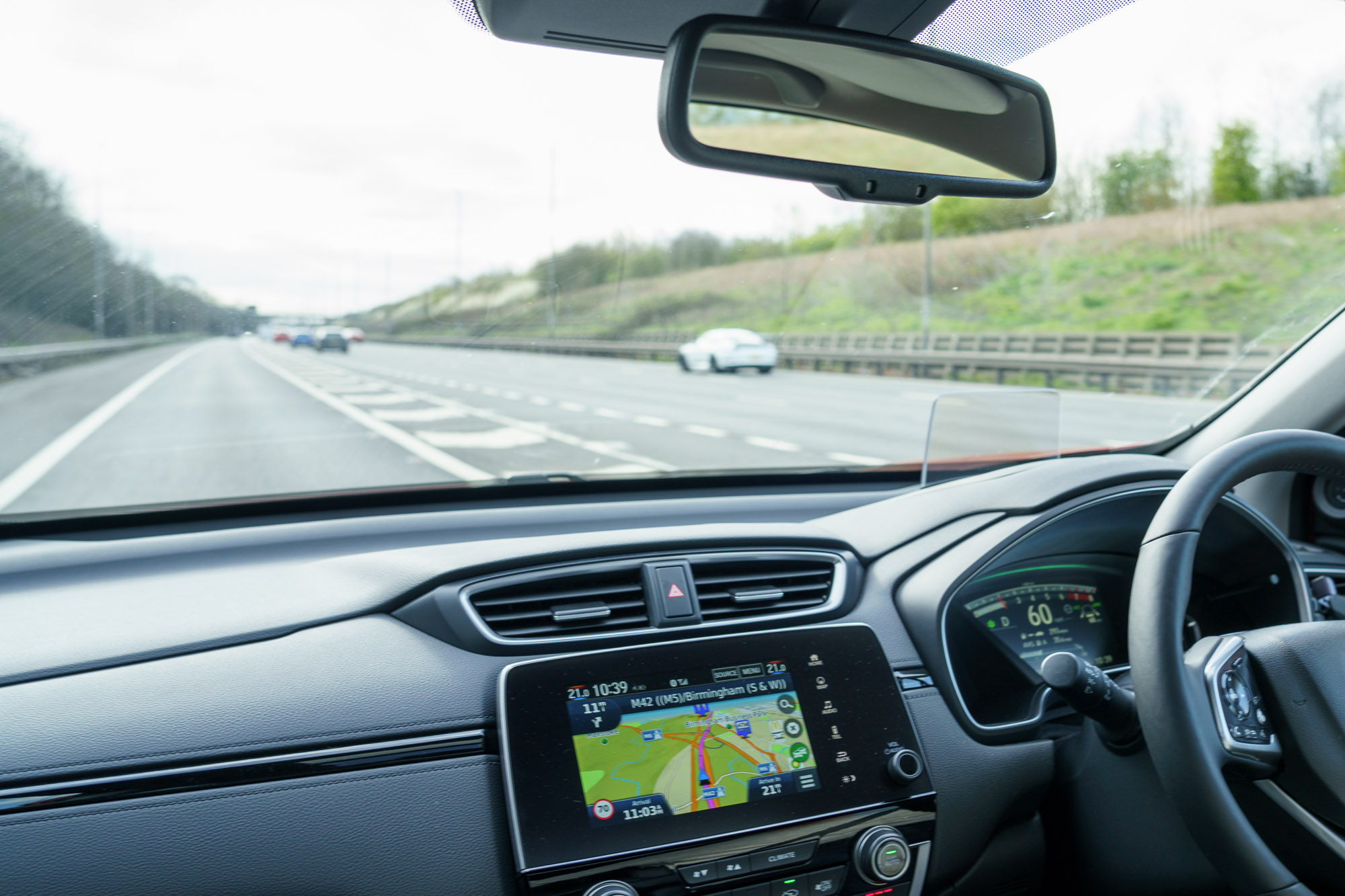
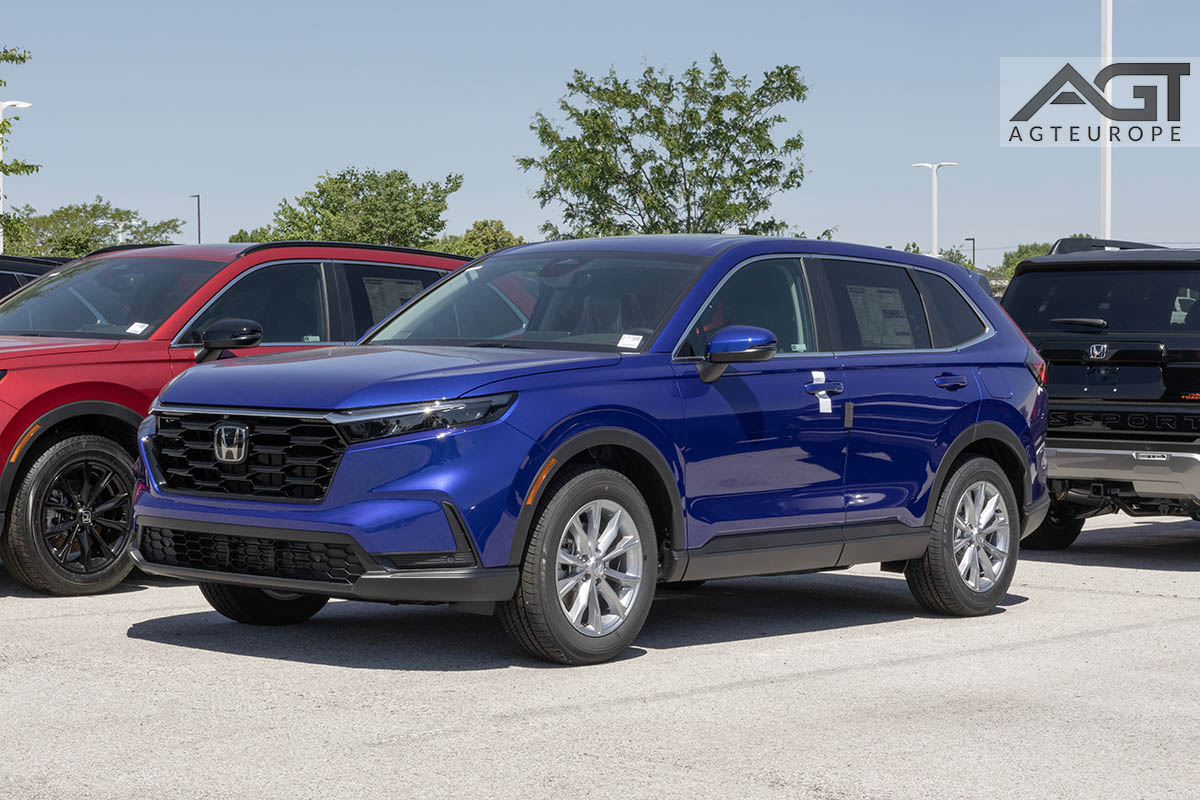
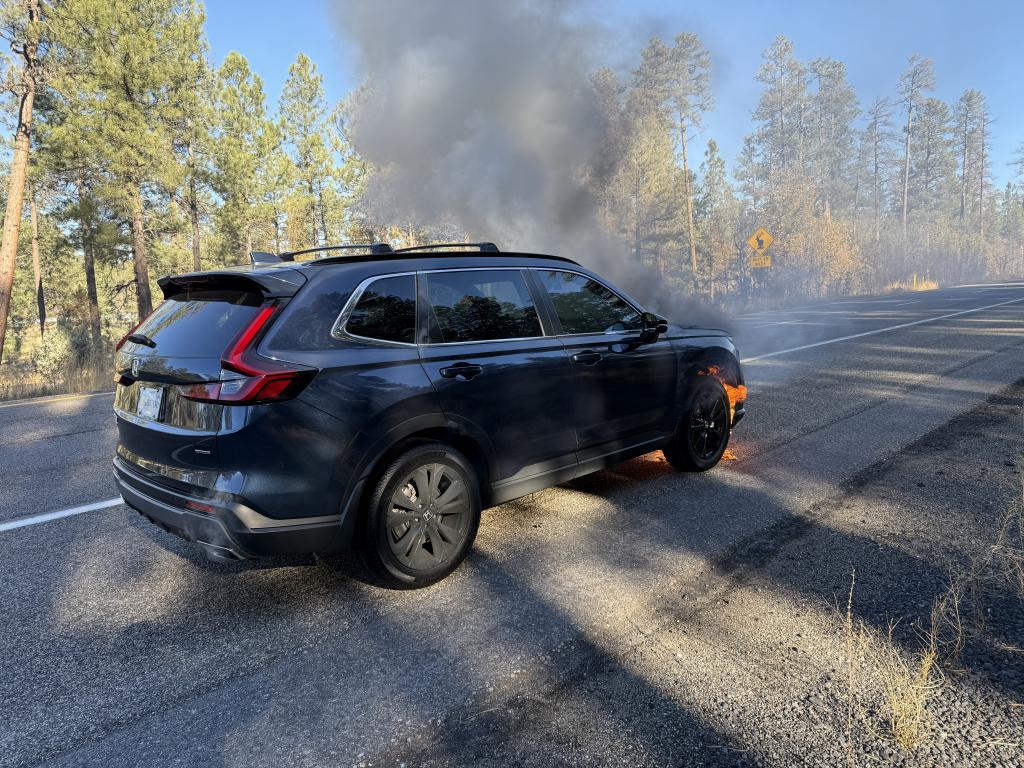
The 2020 Honda CR-V is widely recognized as a practical, spacious, and fuel-efficient compact SUV, but it also accumulated significant owner complaints and technical bulletins regarding heating system failures, oil dilution, battery drains, and malfunctioning electronic safety features. Understanding these documented issues helps prospective buyers and current owners diagnose symptoms, verify repair campaigns, and evaluate long-term reliability.
Introduction to the 2020 Honda CR-V Model Year
The 2020 model year marked a significant refresh for the fifth-generation Honda CR-V. Honda introduced a revised exterior styling, discontinued the older 2.4-liter naturally aspirated engine in favor of making the 1.5-liter turbocharged inline-four standard across all gas-powered trims, and rolled out the long-awaited CR-V Hybrid variant to the North American market. Additionally, the Honda Sensing suite of advanced driver-assistance systems (ADAS) became standard equipment on all trim levels, ranging from the base LX to the top-tier Touring.
While these updates enhanced the vehicle's market appeal, they also introduced new mechanical and electrical complexities. As mileage accumulated on these vehicles, owners and automotive technicians began documenting recurring patterns of failure. Regulatory bodies such as the National Highway Traffic Safety Administration (NHTSA) received thousands of complaints, leading to official investigations, technical service bulletins (TSBs), and manufacturer-backed warranty extensions.
Analyzing these problems requires looking past the vehicle's high sales volume and examining specific powertrain behaviors, climate control deficiencies, electrical quirks, and structural or body hardware complaints. By reviewing verified data from owner logs, service campaigns, and mechanical evaluations, drivers can better navigate ownership responsibilities and maintenance strategies.
Powertrain and Engine Performance Complaints
The 1.5-liter turbocharged engine powering the non-hybrid 2020 Honda CR-V models has been the subject of considerable technical scrutiny. While praised for its balance of power and efficiency, the powerplant carries over historical concerns from preceding model years while developing new operational anomalies.
Oil Dilution and Fuel Infiltration Concerns
Oil dilution—a phenomenon where unburned fuel bypasses piston rings and accumulates in the engine crankcase—was a major talking point for earlier iterations of Honda’s 1.5T engine. Although Honda implemented software calibrations and hardware adjustments prior to the 2020 model year, complaints regarding rising oil levels and a strong smell of gasoline in the oil dipstick persist among some 2020 owners, particularly those who frequently drive in cold weather or take short, stop-and-go urban trips.
When a vehicle operates consistently below optimal operating temperatures, the fuel injected into the cylinders does not completely vaporize. It washes down the cylinder walls and mixes with the engine oil. Over time, this decreases the lubricating properties of the oil, potentially accelerating wear on critical engine components such as the camshafts and turbocharger bearings. Owners experiencing this issue are advised to monitor oil levels regularly and consult dealerships for updated software patches or oil change intervals tailored to severe driving conditions.
Turbocharger Wastegate and Actuator Behavior
Another recurring powertrain complaint involves the turbocharger system, specifically concerning sluggish acceleration, limp mode activation, or diagnostic trouble codes (DTCs) related to boost pressure. In some instances, the electronic wastegate actuator or the mechanical linkage experiences sticking or calibration drift. When this occurs, the engine control unit (ECU) limits turbo boost to protect the motor, resulting in a noticeable loss of power during highway merging or passing maneuvers. Addressing this typically requires dealership diagnostic procedures to reset, adjust, or replace the turbocharger assembly under powertrain warranty parameters.
Climate Control and Cabin Heating Deficiencies
One of the most widespread and frustrating complaints lodged by 2020 Honda CR-V owners relates to the vehicle's heating system during cold-weather operation. This issue gained significant traction in northern geographic regions across the United States and Canada.
Inadequate Cabin Heat in Cold Weather
Numerous owners reported that the 1.5-liter turbocharged engine failed to generate sufficient cabin heat during sub-freezing ambient temperatures, even after long periods of driving. Because turbocharged engines are inherently thermally efficient, they waste less heat through the exhaust than traditional naturally aspirated engines. Combined with the large cabin volume of a compact SUV, the HVAC system struggled to maintain comfortable interior temperatures.
To address this widespread dissatisfaction, Honda issued Technical Service Bulletins (TSBs) outlining corrective procedures. These solutions typically involved:
- Updating the Powertrain Control Module (PCM) and Climate Control Unit (CCU) software to alter engine warm-up strategies and blower fan behaviors.
- Replacing or reprogramming the radiator shutter grille to ensure it stays closed during cold starts, trapping engine heat more effectively.
- Inspecting and replacing thermostat assemblies that may be opening prematurely.
Owners experiencing weak heating performance should verify whether their vehicle has received these specific dealer-installed software updates and hardware modifications.
Electrical Systems, Battery Drain, and Infotainment Quirks
Modern compact SUVs rely heavily on complex electrical architectures, and the 2020 Honda CR-V is no exception. Electrical complaints span parasitic battery drains, malfunctioning infotainment screens, and intermittent sensor failures.
Unexplained Battery Drain
A frequent frustration among owners is waking up to a completely dead battery. In many cases, diagnostic investigations revealed that the vehicle's electrical system experienced a parasitic draw caused by the infotainment system failing to enter a "sleep" mode when the ignition was turned off. Other contributors included faulty door handle touch sensors keeping the body control module awake and misbehaving telematics control units.
Honda addressed these concerns through software updates designed to properly shut down background modules and, in some cases, by replacing batteries that had suffered terminal degradation from deep discharge cycles. Owners who frequently park their vehicles for extended periods without driving are encouraged to utilize a trickle charger or ensure all software campaigns are up to date.
Infotainment Screen Freezing and Glitches
The 7-inch touchscreen infotainment system found in most 2020 CR-V trims has been criticized for lagging, freezing, or spontaneously rebooting. Owners utilizing smartphone integration features like Apple CarPlay and Android Auto frequently reported connection drops or unresponsive audio controls. While hard resets or factory restores often temporarily resolve these software hiccups, persistent issues usually require a firmware update applied via USB at a dealership service center.
Honda Sensing ADAS Malfunctions and Phantom Braking
The inclusion of the Honda Sensing suite as standard equipment on the 2020 CR-V brought advanced safety features—such as Collision Mitigation Braking (CMBS), Lane Keeping Assist (LKAS), and Adaptive Cruise Control (ACC)—to a wider audience. However, these systems have been the source of notable safety complaints.
Phantom Braking and Sensor Sensitivity
"Phantom braking" occurs when the vehicle's forward-facing radar and camera system misinterprets an obstacle, road sign, overhead bridge, or shadow as an imminent collision, triggering an abrupt and unexpected emergency brake application. This startling behavior creates a significant rear-end collision hazard if traffic is following closely behind.
Additionally, owners reported frequent dashboard warning messages stating that the "Honda Sensing Radar Blocked" or "Camera Out of Calibration," even in clear weather conditions. These alerts temporarily disable critical safety features. Causes range from physical dirt accumulation over the front bumper radar sensor and windshield camera housing to misaligned camera brackets following minor windshield replacements. Ensuring that the windshield remains pristine around the camera area and having dealerships recalibrate the sensors resolves many of these operational anomalies.
| Complaint Category | Primary Symptoms | Common Resolution / Action Required |
|---|---|---|
| Climate Control | Slow warm-up times, blowing cold air in freezing weather. | PCM/CCU software updates, thermostat inspection, grille shutter check. |
| Powertrain (1.5T) | Fuel smell in oil, rising oil levels, sluggish boost response. | Oil level monitoring, software reflashes, turbo actuator service. |
| Electrical / Battery | Dead battery after overnight parking, infotainment freezing. | Telematics/infotainment firmware updates, parasitic draw testing. |
| Honda Sensing ADAS | Unprovoked emergency braking, camera/radar error messages. | Sensor cleaning, windshield alignment, ADAS recalibration at dealership. |
Structural, Body, and Interior Hardware Issues
Beyond mechanical and electronic gremlins, the 2020 Honda CR-V has accumulated a smaller volume of complaints regarding body integrity, weatherstripping, and interior trim durability.
Tailgate Operation and Latch Failures
Power tailgate equipped trims (EX-L and Touring) occasionally experience issues where the liftgate fails to open or close fully, reverses direction unexpectedly, or refuses to latch securely. These symptoms are often traced to misaligned power struts, weak gas struts in colder climates, or sensitivity issues within the pinch-protection rubber weatherstripping strips. Resetting the power tailgate memory height or replacing faulty strut motors typically resolves the problem.
Windshield Cracking and Glass Susceptibility
Several owner forums and regulatory logs note an unusually high incidence of stress cracks or easy chipping on the 2020 CR-V factory windshields. While flying road debris causes standard stone chips, some owners experienced sudden cracks originating from the lower edge near the defroster vents, suggesting potential thermal stress or factory installation tension. When replacing windshields on ADAS-equipped vehicles like the CR-V, vehicle owners must ensure that professional glass shops perform a precise camera recalibration to maintain proper Honda Sensing functionality.
Frequently Asked Questions
Are the problems on the 2020 Honda CR-V severe enough to avoid buying a used model?
No, the 2020 Honda CR-V remains a highly reliable compact SUV overall, but buyers should perform due diligence. Many of the most common issues—such as the cold-weather heating defect and battery drain—can be permanently resolved via factory TSB software updates. Always check the vehicle's maintenance history and VIN via official recall databases before purchasing.
How can I check if a used 2020 Honda CR-V has outstanding recalls or TSBs?
You can verify open recalls and campaign status by entering the vehicle's 17-digit Vehicle Identification Number (VIN) into the official NHTSA recall lookup tool or the Honda Owner portal. Dealership service departments can also run the VIN to confirm whether all relevant technical service bulletins have been completed.
Did Honda extend the warranty for the heating system issue?
While Honda did not issue a universal blanket warranty extension for every climate control complaint, they released specific TSBs outlining free-of-charge software updates for eligible vehicles under standard factory warranty terms. Owners outside the original warranty window may be responsible for diagnostic and labor fees unless covered by extended service contracts.
Is the 1.5L Turbo engine in the 2020 CR-V reliable for long-term ownership?
Yes, when properly maintained with regular oil changes and up-to-date software calibrations, the 1.5-liter turbocharged engine is capable of high mileage. However, strict adherence to recommended maintenance schedules is vital to mitigate risks associated with fuel dilution and turbocharger wear.
What should I do if my Honda Sensing system experiences phantom braking?
If your vehicle exhibits unprovoked emergency braking, first ensure that the front bumper emblem (behind which the radar sits) and the upper interior windshield glass near the rearview mirror are completely clean. If the issue persists, visit a certified Honda dealership to check for sensor alignment issues or software calibration faults.
Final Recommendations for Owners and Buyers
Navigating the 2020 Honda CR-V ownership experience requires proactive maintenance and awareness of known technical service bulletins. If you currently own a 2020 model, verify with a local dealership that all powertrain, climate control, and electrical software updates have been successfully applied to your vehicle. Maintaining strict oil change intervals—especially for drivers who primarily navigate short, urban commutes—will safeguard the 1.5-liter turbocharged engine against potential fuel dilution wear.
For prospective used car buyers, prioritizing models with a documented service history at authorized Honda facilities ensures that previous owners addressed early manufacturing quirks. Inspect the vehicle specifically for cold-weather heating performance, infotainment stability, and clean ADAS sensor operation during a pre-purchase test drive to secure a reliable, safe, and comfortable compact SUV experience.