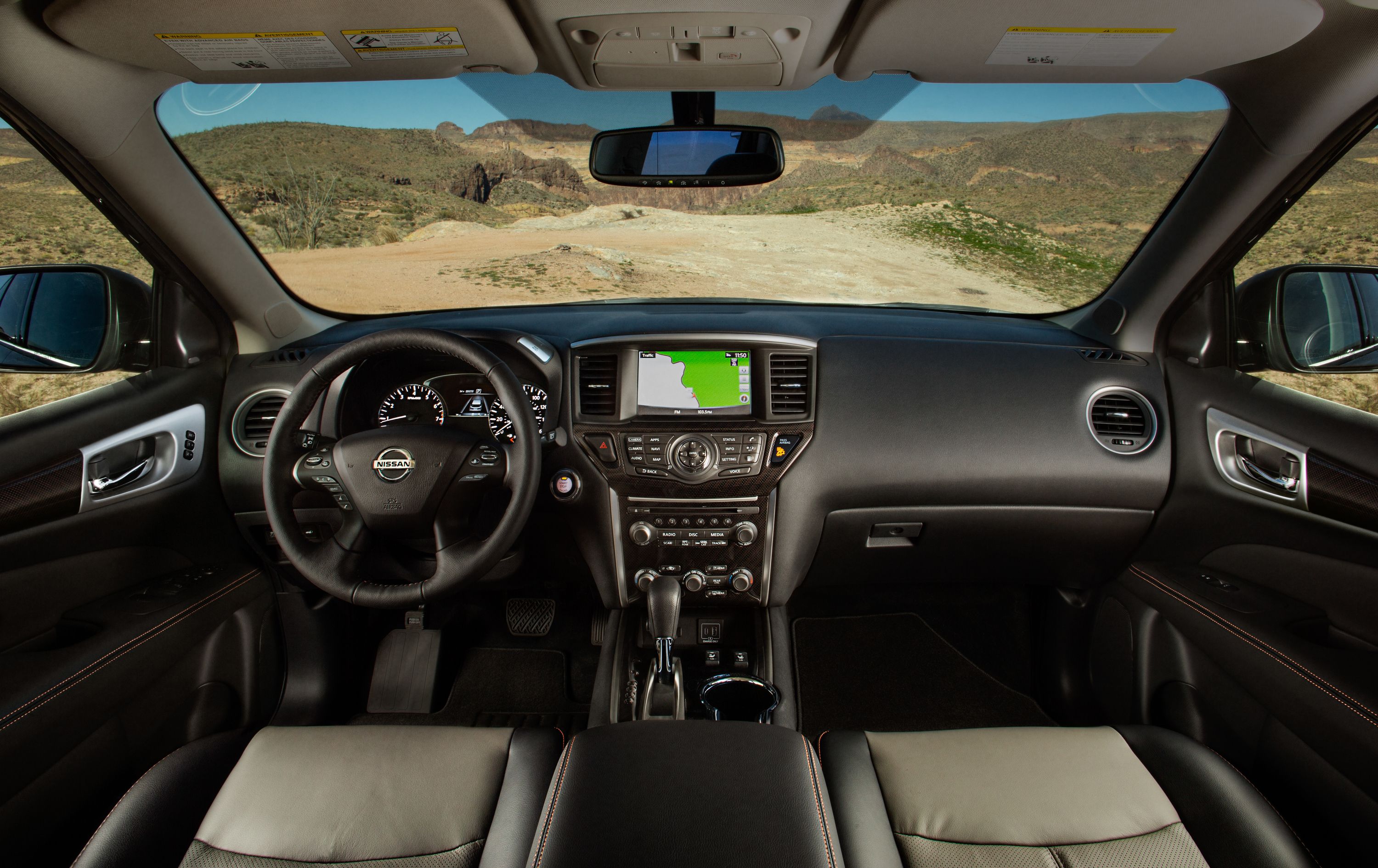
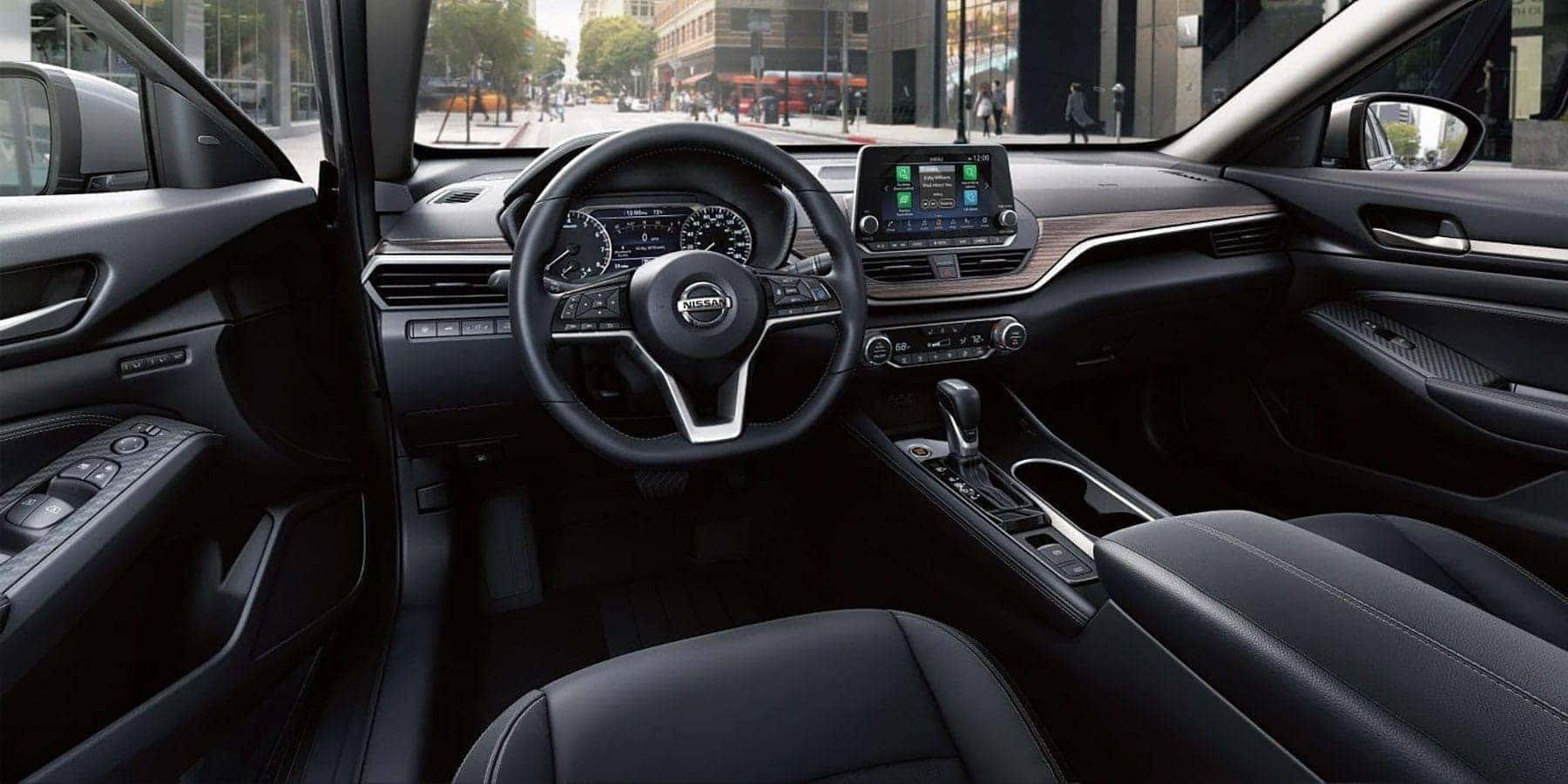
The 2019 Nissan vehicle lineup represented a pivotal point in the brand’s interior design philosophy, emphasizing a shift toward more ergonomic "Zero Gravity" seating, improved material quality, and the integration of Apple CarPlay and Android Auto across most core models. These interiors balanced functional minimalism with high-utility storage, catering to commuters and families through refined cabin acoustics and intuitive center-stack layouts.
Evolution of the 2019 Nissan Cabin Experience
By 2019, Nissan had successfully standardized several hallmark features across its diverse portfolio, ranging from the compact Versa to the large-scale Armada. The primary design objective during this model year was to increase occupant comfort while streamlining the driver's interface. Unlike earlier generations that relied heavily on cluttered physical button arrays, the 2019 interiors transitioned toward "Gliding Wing" dashboard designs—a structural approach that prioritized horizontal lines to make the cabin feel more spacious and orderly.
For the buyer or secondary-market enthusiast, understanding the 2019 interior requires distinguishing between the brand’s entry-level, mid-tier, and premium offerings. While materials varied significantly—moving from hard-touch, durable plastics in the subcompacts to soft-touch synthetic leathers and wood-tone trim in the luxury-oriented trims—the fundamental geometry of the seating and the logic of the infotainment placement remained consistent across the brand.
Ergonomics and the Zero Gravity Seat Technology
The most significant technical achievement within 2019 Nissan vehicles was the widespread application of "Zero Gravity" seating. Developed through joint research with NASA, these seats were engineered to mimic the natural posture of the human body in a weightless environment.
The technical implementation involved a continuous-support structure that focused on pressure distribution across the lower and upper back, pelvis, and thighs. In models like the Altima and Maxima, these seats featured specialized foam density and articulated side bolsters to reduce fatigue during extended travel. When evaluating a 2019 model, the condition of this seat bolstering is a critical metric for long-term comfort, as the foam is designed to maintain its shape over high-mileage cycles if properly maintained.
Infotainment and Connectivity Standards
The 2019 model year was a watershed moment for Nissan’s integration of digital connectivity. Most 2019 models—including the Sentra, Altima, Rogue, and Murano—received the NissanConnect infotainment system, which prioritized the user interface over complex sub-menus.
- Smartphone Integration: The inclusion of Apple CarPlay and Android Auto became standard or widely available on most trim levels by 2019. This allowed users to bypass the factory navigation in favor of familiar mobile applications.
- Audio Systems: Nissan partnered heavily with Bose for their premium audio configurations. The 2019 Maxima and Pathfinder, in particular, featured custom-tuned speaker placements designed to account for the specific acoustic properties of their respective cabin volumes.
- Physical Interface: Despite the industry push toward fully touch-based systems, 2019 Nissan interiors maintained physical dials for volume and tuning. This decision addressed a common user complaint regarding the difficulty of adjusting audio settings while driving, offering a tactile reliability that modern, screen-heavy interiors often lack.
Material Quality and Cabin Aesthetics
Interior aesthetics in 2019 were categorized by the market segment the vehicle occupied. At the entry level, the focus was on wear resistance. Nissan utilized textured surfaces intended to hide scratches and resist the bleaching effects of UV rays, which is a major factor in interior longevity.
In the mid-to-high trim levels—specifically the SL and Platinum trims—Nissan introduced high-contrast stitching, piano-black accents, and, in the case of the Murano, "semi-aniline" leather seating surfaces. These materials were chosen not only for their tactile appeal but also for their breathability. However, users should note that the piano-black plastic trim, while aesthetically pleasing when new, is prone to micro-scratches and fingerprint accumulation, necessitating the use of specialized, non-abrasive cleaning agents.
Comparative Analysis of Interior Configurations
The interior experience shifted dramatically depending on the chassis. The following table highlights the primary cabin characteristics of the most popular 2019 models.
| Model | Primary Seating Focus | Infotainment Interface | Notable Cabin Feature |
|---|---|---|---|
| Versa | Basic Comfort/Durability | 7-inch Touchscreen | High interior volume to footprint ratio |
| Sentra | Utility and Space | 7-inch Touchscreen | Rear-seat legroom priority |
| Altima | Ergonomics/Zero Gravity | 8-inch NissanConnect | Minimalist "Gliding Wing" dash |
| Rogue | Versatility/Family | 7-inch Touchscreen | Divide-N-Hide Cargo System |
| Murano | Luxury/Premium feel | 8-inch Touchscreen | Enhanced noise-canceling acoustics |
| Armada | Capacity/Luxury | 8-inch Touchscreen | 3-row climate control zones |
Practical Considerations: Noise, Vibration, and Harshness (NVH)
An often-overlooked aspect of the 2019 interior is the acoustic engineering. Nissan implemented thicker glass in the front side windows of the Maxima and Murano to mitigate wind noise. For potential owners, understanding that these vehicles utilize specific sound-deadening materials behind the dash and within the door panels is essential.
If a 2019 Nissan interior appears to be experiencing increased cabin noise, it is rarely due to a design failure but rather the degradation of door weather stripping or the loss of plastic clips that hold interior panels in place. Owners can often rectify minor rattling issues by ensuring that the trim panels are correctly seated or by replacing worn rubber seals, which are common wear items after six or seven years of operation.
Maintenance and Interior Care
Maintaining the 2019 interior requires an understanding of the specific surfaces used.
- Leather Care: The factory leather in higher trims requires periodic conditioning to prevent the natural oils from drying out, which leads to cracking.
- Dashboard Protection: Because the 2019 dashboards use varied textures, avoid silicone-based protectants that create a high-gloss, greasy finish. Instead, use a water-based interior detailer that provides UV protection without leaving a slippery, reflective residue.
- Fabric Maintenance: For base-trim cloth interiors, use an upholstery cleaner specifically formulated for high-durability synthetic fabrics. Avoid over-wetting the seats, as this can lead to mold or moisture buildup in the seat heating elements if equipped.
Addressing Common User Questions
1. Is the 2019 Nissan interior compatible with modern smartphones? Yes, because the 2019 lineup adopted Apple CarPlay and Android Auto as standard features in most configurations, the vehicles remain highly compatible with modern smartphones via a wired USB connection.
2. Are the Zero Gravity seats actually better for long drives? Yes. The design is intended to reduce the muscle activation required to maintain an upright position. For long-haul drivers, this reduces the sensation of "hip creep" and lower back soreness compared to conventional automotive seating.
3. What is the "Divide-N-Hide" cargo system? Found primarily in the 2019 Rogue, this system uses an adjustable floor panel to allow for 18 different cargo configurations. It is designed to keep groceries or loose items secure during transit by acting as a shelf or a floor divider.
4. How do I update the infotainment software on a 2019 Nissan? Most 2019 models do not support over-the-air (OTA) updates. Map and system software updates are typically performed by a dealership using a proprietary USB drive. If you are experiencing connectivity issues, ensure your phone’s operating system is updated, as these vehicles were built to rely on the phone’s processing power for navigation and media.
5. How can I minimize dashboard glare? The 2019 dashboards feature a textured, matte finish to prevent glare. If you notice significant reflections, avoid using high-gloss protectants, as they alter the surface finish and introduce glare that the vehicle was designed to avoid.
Final Assessment for Prospective Owners
When evaluating a 2019 Nissan, the interior is arguably its strongest asset. The focus on ergonomic consistency, specifically the widespread inclusion of the NASA-inspired seating technology, offers a level of comfort that remains competitive even by 2026 standards. While the infotainment screens are smaller than what is currently found in newer models, the inclusion of Apple CarPlay and Android Auto ensures that the primary digital interface remains functional and relevant.
For the best experience, prioritize mid-to-high trim levels if material quality and cabin quietness are primary concerns. Ensure that the physical buttons on the center stack remain tactile and that the audio system has been tested across different sources. By focusing on the structural integrity of the seats and the health of the door-seal components, a 2019 Nissan provides an interior environment that balances utility with a sophisticated, driver-focused layout.