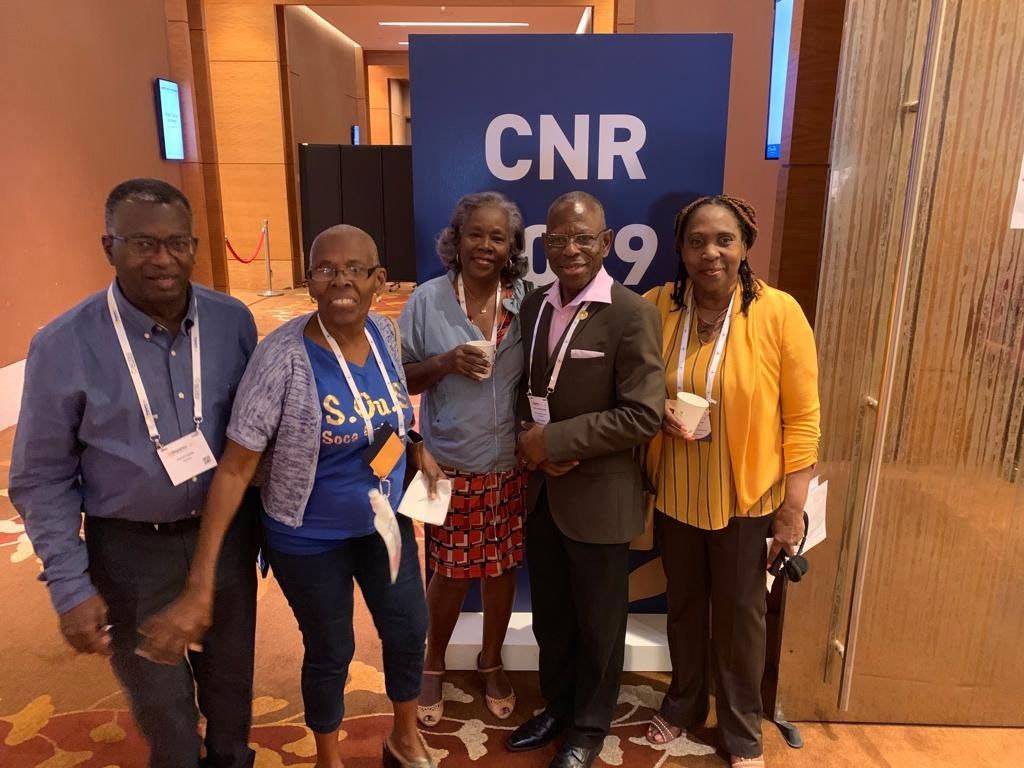
The year 2019 represented a high-water mark for the global events industry, serving as the final full year of traditional, large-scale, in-person professional gatherings before the widespread disruption caused by the global pandemic. These conferences acted as vital hubs for cross-industry networking, product launches, and technological knowledge transfer, establishing professional standards and market trajectories that remain observable in 2026.
The Landscape of Professional Events in 2019
To understand the impact of the 2019 conference circuit, one must first recognize the scale of the ecosystem at that time. Industry reports from that period indicate that business travel and the meetings, incentives, conferences, and exhibitions (MICE) sector were experiencing steady, robust growth. Major international hubs, including Las Vegas, Barcelona, and Dubai, hosted record-breaking attendance numbers.
The 2019 model relied heavily on the "centralization" philosophy: gathering thousands of industry stakeholders in a single physical location to foster serendipitous interaction. The value proposition was built on high-fidelity human connection, which was widely believed to be irreplaceable by digital alternatives. This period was characterized by massive exhibition halls, complex logistics for global speakers, and a reliance on hospitality infrastructure that was pushed to its absolute capacity.
Key Sectors and Their Defining Events
The impact of these conferences was not uniform across all sectors. Instead, specific industries utilized the 2019 landscape to cement their dominance or pivot their technological roadmaps.
Technology and Software Development
The tech sector relied on 2019 conferences to showcase the maturation of artificial intelligence and early edge computing. Conferences like CES 2019 and various developer summits functioned as the launchpads for hardware that would eventually integrate into the remote-work infrastructure adopted globally just one year later. These events provided the social proof required for corporations to commit to digital transformation budgets.
Academic and Scientific Research
For the global scientific community, 2019 conferences were critical venues for peer-reviewed dissemination. The academic calendar was tightly synced with these physical meetings, where early-career researchers built their networks. The impact here was longitudinal; the collaborations formed in the coffee breaks and poster sessions of 2019 fostered research partnerships that continued via digital means through the subsequent years.
Healthcare and Pharmaceutical Innovation
Healthcare conferences in 2019 prioritized the globalization of best practices. These events were essential for clinical trial coordination and the standardization of patient care protocols. By facilitating the exchange of sensitive data and emerging treatment methodologies in secure, face-to-face environments, these conferences helped establish the baseline standards used in the healthcare sector today.
Comparative Analysis: 2019 vs. Contemporary Standards
The transition from the 2019 physical-first model to the hybrid and virtual-heavy landscape of 2026 is one of the most significant shifts in professional operations. The following table highlights the structural differences between the standards set in 2019 and the expectations of the current professional environment.
| Feature | 2019 Industry Standard | 2026 Industry Standard |
|---|---|---|
| Primary Format | Exclusively In-Person | Hybrid / Multi-modal |
| Attendance Basis | Geographic Proximity | Digital Accessibility |
| Networking Style | Spontaneous/Serendipitous | Curated/AI-Matched |
| Content Delivery | Live Lectures | On-Demand/Asynchronous |
| Sustainability | High Carbon Footprint | Carbon-Neutral Prioritization |
| Cost Structure | Premium Travel + Fees | Subscription-based/Lower Tier |
The "Hidden" Impacts of 2019 Conferences
Beyond the explicit goal of knowledge exchange, the 2019 conference cycle had structural impacts on the global economy that are often overlooked.
Infrastructure and Local Economies
The massive influx of attendees into major cities created "event-driven" local economies. The reliance on 2019-era conference schedules meant that hotels, catering services, and local transportation systems were optimized for high-volume, short-duration traffic. When this model stopped in 2020, the subsequent recovery necessitated a complete overhaul of how these service industries function, leading to the more flexible, agile service models seen in 2026.
The Networking Legacy
Perhaps the most lasting impact of the 2019 conference year was the fortification of professional networks. Because in-person interaction was essentially guaranteed, individuals invested significant resources in attending these events. The bonds forged in 2019 proved to be resilient. Many of the business partnerships and joint ventures currently active in 2026 have their origins in the handshakes and face-to-face meetings that occurred during the 2019 circuit.
Professional Development and Mentorship
For younger professionals, 2019 was a foundational year for mentorship. The accessibility of industry veterans in physical conference spaces allowed for a level of observational learning that is difficult to replicate in a virtual meeting. The "impromptu mentoring" that happened during 2019 sessions created a talent pipeline that stabilized many industries during the turbulent transition periods that followed.
Prerequisites for Evaluating Past Conference Impact
When analyzing the effectiveness of a 2019 conference today, researchers and analysts must consider several factors to ensure their conclusions are accurate.
- Contextual Scope: Was the event global or regional? A regional 2019 event had a different local impact than a global industry "summit" that dictated international standards.
- Technical Limitations: In 2019, remote broadcasting capabilities were significantly less sophisticated. An event that "failed" to provide a virtual stream in 2019 was simply following the standard, not necessarily being negligent.
- Attendee Demographics: Analyze the ratio of decision-makers to individual contributors. The 2019 conferences that prioritized "C-suite" access were often the most influential, even if they were not the largest by volume.
Common Misconceptions Regarding the 2019 Model
A frequent error in current assessments is the belief that the 2019 conference model was "inefficient." While the travel and venue costs were high, the "efficiency" of these events was measured in transaction speed and trust building. In the era before widespread high-speed remote collaboration, the physical gathering was a highly effective mechanism for reducing the friction of negotiation and complex problem solving.
Another misconception is that all 2019 events had a long-term impact. In reality, many of the smaller, specialized events served as "status markers" rather than hubs for genuine innovation. Distinguishing between high-utility industry summits and low-utility social gatherings is essential for an objective historical analysis.
Troubleshooting Your Retrospective Research
If you are attempting to locate specific data or reports from 2019 conferences today in 2026, you may encounter several challenges:
- Link Rot: Many event websites from 2019 have been archived or deleted. Use the Internet Archive’s Wayback Machine to recover event agendas and speaker lists.
- Media Hosting: Videos of 2019 presentations may have been moved from private enterprise portals to broader platforms like YouTube or company archives.
- Organizational Rebranding: Some organizations that hosted major conferences in 2019 have since merged or changed names. Ensure you are referencing the parent company’s historical records for the year 2019.
Frequently Asked Questions
Did the 2019 conferences directly influence current workplace trends? Yes. The 2019 event circuit accelerated the conversation around digital transformation and automation. By exposing leaders to the potential of new software suites and connectivity tools, these conferences created the demand for the remote and hybrid work systems that are standard in 2026.
Why is 2019 considered the "baseline" year for event statistics? 2019 was the last year before the international event industry underwent forced structural change. Because it was the final year of "pre-pandemic" operations, it serves as the most accurate benchmark for measuring the growth, cost-efficiency, and reach of traditional event models.
How can I verify the impact of a specific 2019 conference on my industry? Look for annual reports, investor summaries, or white papers published by the hosting organization in early 2020. These documents often reflect on the success and primary outcomes of the preceding year’s flagship events, providing the most reliable data on industry impact.
Were there any sustainability-focused conferences in 2019? While the industry was not as strictly regulated regarding carbon emissions as it is in 2026, several major 2019 trade shows began implementing waste-reduction programs. You can find information on these early initiatives in the CSR (Corporate Social Responsibility) reports released by major conference venues in 2020.
Is it possible to attend 2019-style conferences in 2026? Yes, the industry has largely returned to in-person hosting. However, the 2026 versions of these events incorporate the digital, accessibility, and sustainability requirements learned from the intervening years, creating an "augmented" experience compared to the 2019 prototype.
Next Steps for Professionals
To effectively leverage the history of 2019 conferences for your current business strategy, you should audit the major events in your niche that took place that year. Review the agendas from 2019 to identify the "cutting edge" topics that were discussed but perhaps not yet implemented. Many of the challenges discussed in 2019 have reached full maturity by 2026. By mapping these historical discussions to your current business objectives, you can identify "forgotten" solutions that were proposed before the market became crowded with modern alternatives. If you are planning an event today, look back at the attendance lists and session structures of the 2019 conferences in your field to understand what drove engagement prior to the current era of digital oversaturation.