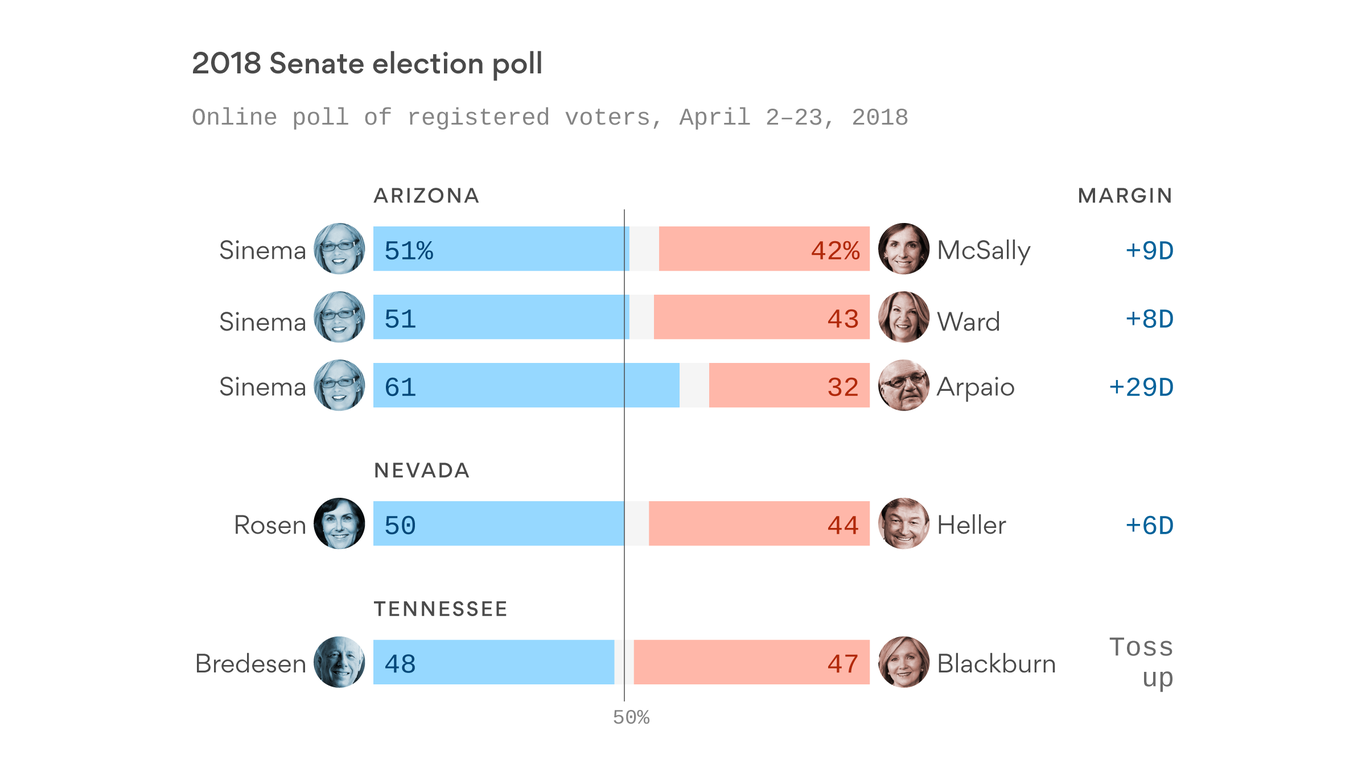
The 2018 Nevada Senate race was a pivotal midterm election contest between incumbent Republican Senator Dean Heller and Democratic challenger Jacky Rosen. Characterized by high voter turnout and intense national focus, the election resulted in a victory for Rosen, marking a significant shift in Nevada’s political landscape and contributing to the Democratic Party's strategy of targeting swing states during the 2018 cycle.
The Political Context of Nevada in 2018
To understand the 2018 Nevada Senate race, one must first recognize Nevada’s status as a critical "purple state." Throughout the early 21st century, Nevada became a battleground where neither the Republican nor the Democratic Party held a permanent lock on statewide offices. The 2018 midterms occurred during the second year of the Donald Trump presidency, a period historically associated with a "referendum" effect on the sitting president's party.
Dean Heller, who had been appointed to the seat in 2011 and subsequently elected in 2012 and 2014, represented the moderate wing of the Republican Party, though he faced pressure to align with the populist base during the 2018 cycle. His opponent, Jacky Rosen, was a freshman member of the U.S. House of Representatives representing Nevada's 3rd Congressional District. The race was viewed by national political analysts as one of the most competitive in the country, largely because it featured a Republican incumbent running in a state that Hillary Clinton had won in the 2016 presidential election.
Profiles of the Primary Candidates
Dean Heller: The Republican Incumbent
Dean Heller’s political career in Nevada was extensive, spanning positions in the state assembly, the office of Secretary of State, and the House of Representatives before his elevation to the Senate. In 2018, Heller faced a complex balancing act. He had initially been critical of Donald Trump during the 2016 campaign, which led to friction with the president's base. However, as the 2018 cycle progressed, Heller worked to solidify his standing with Trump, an effort that included a high-profile visit to the White House and public affirmations of support for the administration’s judicial appointments and tax policies.
Jacky Rosen: The Democratic Challenger
Jacky Rosen, a former computer programmer and president of a synagogue in Henderson, Nevada, had only entered electoral politics two years prior to the Senate race, winning her House seat in 2016. Her candidacy for the Senate was bolstered by strong support from the national Democratic Party and the grassroots network associated with the late Senator Harry Reid. Her platform centered on protecting the Affordable Care Act (ACA), environmental protections, and economic policies aimed at the working class.
Key Issues Defining the Campaign
The campaign was fought over a series of high-stakes policy debates that resonated deeply with the Nevada electorate.
- Healthcare and the Affordable Care Act: Healthcare was arguably the most significant issue. Heller had previously voted for various versions of legislation aimed at repealing or replacing the ACA. Rosen made the defense of the ACA, and specifically the protection of coverage for those with pre-existing conditions, the cornerstone of her campaign.
- Tax Reform: The Tax Cuts and Jobs Act of 2017 was a major legislative achievement for the Republican-controlled Congress. Heller championed the tax cuts as a catalyst for economic growth in Nevada. Conversely, Rosen argued that the benefits of the law skewed heavily toward corporations and the wealthy, failing to provide substantial relief to middle-class Nevadans.
- National Political Climate: The shadow of the Trump administration loomed large. For voters in suburban areas, particularly in Clark County (home to Las Vegas), the race became a surrogate for their approval or disapproval of the president’s rhetoric and executive actions.
Electoral Mechanics and Voter Demographics
Nevada’s electorate is highly concentrated in Clark County, which includes Las Vegas and its suburbs. Winning a statewide office in Nevada historically requires success in Clark County, coupled with either winning or keeping the margin of defeat small in Washoe County (Reno) and the state's rural counties.
The 2018 race saw a substantial surge in early voting, a trend that typically favors Democratic candidates in Nevada’s modern political history. Both campaigns invested heavily in "get-out-the-vote" (GOTV) operations. The demographic shifts in suburban Las Vegas, characterized by a growing population of diverse, younger, and college-educated voters, played directly into the hands of the Democratic strategy.
Comparative Analysis of Campaign Strategies
| Strategic Focus | Dean Heller (Republican) | Jacky Rosen (Democrat) |
|---|---|---|
| Healthcare | Emphasized market-based reform. | Focused on preserving the ACA. |
| Tax Policy | Defended the 2017 tax cuts. | Argued for middle-class tax fairness. |
| Key Base | Rural counties and core GOP voters. | Urban/Suburban, young, diverse voters. |
| Alignment | Aligned with Trump-era populism. | Ran as a pragmatic, results-oriented alternative. |
| Primary Messaging | Economic prosperity and growth. | Protection of public services and rights. |
The Impact of External Influences
The 2018 race attracted massive amounts of outside spending. Super PACs and national political committees poured millions of dollars into television advertising and digital outreach. These ads were often negative, focusing on the voting records and personal character of the candidates.
One notable development was the involvement of labor unions, particularly the Culinary Workers Union, which has a massive membership in the Las Vegas hospitality sector. Their ground game, which involves thousands of canvassers knocking on doors, provided a significant infrastructure advantage for the Democratic ticket. The Republican effort, while well-funded, struggled to match the ground-level engagement of the union-backed voter turnout machine.
Election Results and Analysis
When the polls closed on November 6, 2018, the results confirmed a victory for Jacky Rosen. She secured approximately 50.4% of the vote, while Dean Heller garnered 45.4%. The five-point margin was clearer than many pre-election polls—which had consistently shown a dead heat—had predicted.
The results highlighted several critical lessons:
- Suburban Realignment: The trend of suburban voters shifting toward the Democratic Party was clearly visible in the Nevada data.
- The Power of the Base: The high turnout among minority voters and younger demographics proved sufficient to overcome the strength of the Republican vote in rural areas.
- The Midterm Referendum: The election served as a signal that the president’s party faced structural challenges in states that had previously leaned toward the Democrats in presidential cycles.
Aftermath and Historical Significance
For Dean Heller, the defeat marked the end of a long legislative career in Washington, D.C. It also represented the last time a Republican held a Senate seat in Nevada; since 2018, both of the state’s Senate seats have remained in Democratic hands.
For Jacky Rosen, the victory was the start of her tenure as a key member of the Democratic caucus. She would later go on to win re-election, further solidifying her political standing in the state. The 2018 race also set the template for future Nevada elections: highly expensive, driven by massive national investment, and focused heavily on suburban mobilization in Clark and Washoe counties.
Frequently Asked Questions
1. Was the 2018 Nevada Senate race considered an upset? While the race was highly competitive and polls showed a tight contest, many analysts viewed the outcome as a probable result given the national political climate of 2018 and the demographic trends in Nevada. It was not a significant upset, but rather a reflection of shifting partisan leanings in the state.
2. How did the 2017 Tax Cuts affect the election? The tax cuts were a major campaign topic. Heller used them to tout economic success, while Rosen successfully framed them as a policy that neglected the working class. The debate highlighted a fundamental disagreement on fiscal priorities that helped define the candidates' platforms.
3. What role did Clark County play in the outcome? Clark County, encompassing Las Vegas, is the population center of Nevada. Because of its size, whoever wins Clark County by a significant margin almost always wins the state. Rosen’s strong performance in the suburban areas of the county was the primary driver of her victory.
4. Did the 2018 race influence future Nevada elections? Yes. The 2018 race confirmed the potency of the "union-led" ground game in Nevada and highlighted the necessity for candidates to perform well with suburban voters. It also cemented the status of Nevada as a premier swing state in every federal election cycle.
5. How accurate were the polls for the 2018 Senate race? The polls were largely reflective of a "toss-up" race. While the final margin of five points was larger than the average of many polls, most polling data correctly identified the competitive nature of the contest and accurately captured the narrow lead shift toward the challenger in the final weeks.
Recommendation for Further Study
For those interested in the intricacies of the 2018 campaign, the best approach is to examine the official reports provided by the Nevada Secretary of State’s office, which contains the certified canvass of the vote. Additionally, tracking historical campaign finance disclosures through the Federal Election Commission (FEC) provides a clear picture of how outside spending shaped the narrative of the race. Understanding the 2018 cycle is essential for any student of Nevada political history, as it remains the primary case study for how competitive statewide elections are won in the modern era.