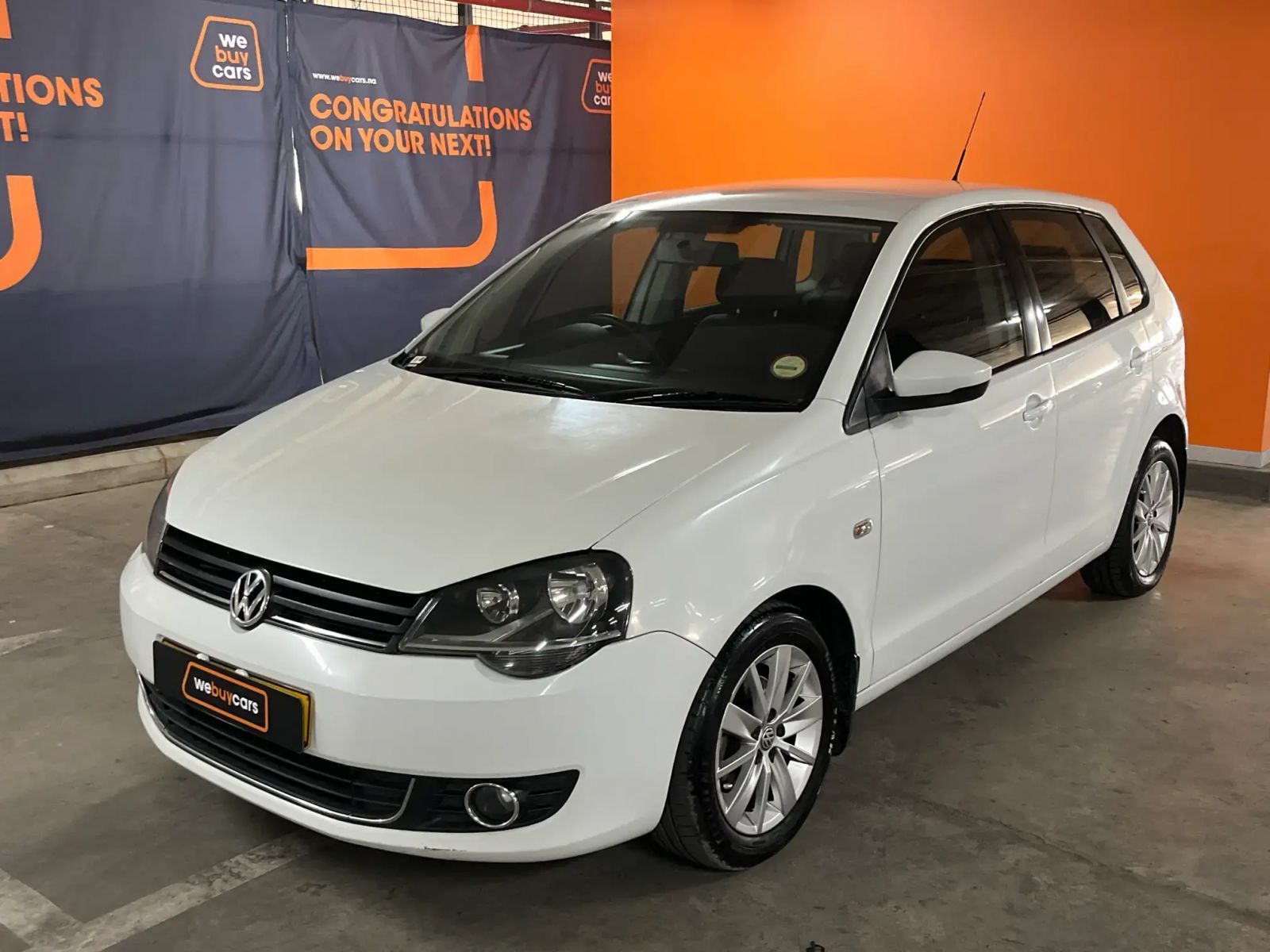
The 2016 Volkswagen Polo remains a staple of the used car market due to its class-leading refinement, premium interior materials, and enduring design. However, its legacy is defined by a dichotomy: while it offers superior build quality compared to its peers, it is also tethered to the complexities of the "Dieselgate" emissions scandal and known mechanical sensitivities in its DSG transmissions and early downsized engines.
The Context of the 2016 Volkswagen Polo (Mk5 6C)
By 2016, the Volkswagen Polo was in the twilight years of its fifth generation, specifically the "6C" facelift version. This iteration was a significant technological leap over the original 2009 "6R" model. In the landscape of 2026, looking back a decade, the 2016 Polo represents the peak of the PQ25 platform. It was the last of the "smaller" Polos before the model grew significantly in 2017 to accommodate the MQB-A0 architecture.
The 2016 model year was particularly notable because it sat at the heart of Volkswagen’s transition. The company was aggressively modernizing its infotainment systems and safety tech to compete with the Ford Fiesta and Opel/Vauxhall Corsa, while simultaneously navigating the fallout of the global emissions crisis. For buyers today, the 2016 Polo is often viewed as a "safe" bet for a first car or a city runabout, but that safety is contingent on understanding the specific engine and transmission combinations that define its reliability profile.
Engineering and Powertrain Diversity
The 2016 Polo offered a broad range of engines, moving away from the older, less efficient units to the EA211 petrol family and the EA288-based diesels. This shift was crucial for meeting Euro 6 emissions standards, which remains a vital consideration for drivers in 2026 who must comply with urban Clean Air Zones (CAZ) or Ultra Low Emission Zones (ULEZ).
The Petrol Range: MPI vs. TSI
The entry-level 1.0-liter MPI engines (60hp and 75hp) were designed for city use. They are naturally aspirated, three-cylinder units that are relatively simple and inexpensive to maintain. However, they lack the torque required for comfortable motorway cruising.
The 1.2-liter TSI engines (90hp and 110hp) represented the sweet spot for most buyers. These turbocharged four-cylinder units provided a punchy, refined driving experience. Critically, by 2016, VW had largely moved away from the problematic timing chains of the earlier EA111 engines, replacing them with timing belts in the EA211 series. This significantly improved the long-term reliability of the 2016 model compared to its 2011–2013 predecessors.
The Diesel Perspective
The 1.4-liter TDI replaced the older 1.6-liter units in many markets for the 2016 model year. This three-cylinder diesel was aimed at maximum efficiency, often claiming over 70 MPG in laboratory tests. While economical, these engines are significantly noisier and less refined than their petrol counterparts. In the current market, these diesels are scrutinized heavily for their Diesel Particulate Filter (DPF) health, especially if they have been used primarily for short city trips over the last decade.
The Legacy of the "Dieselgate" Scandal
It is impossible to discuss a 2016 Volkswagen without mentioning the emissions scandal. While the 2016 Polo was largely fitted with Euro 6 compliant engines that utilized different hardware than the original "defeat device" units, the brand's reputation took a significant hit during this production year.
For the 1.4 TDI models specifically, many underwent "technical measures" (software updates) mandated by regulators. Some owners reported a change in fuel economy or EGR (Exhaust Gas Recirculation) valve longevity following these updates. When inspecting a 2016 Polo today, verifying the service history to see how the vehicle responded to these recall actions is a critical step in the due diligence process.
Interior Quality and Infotainment Standards
One area where the 2016 Polo continues to excel, even by 2026 standards, is interior perceived quality. Volkswagen utilized "slush-molded" soft-touch plastics on the dashboard of higher-trim models (SE, SEL, and BlueGT), which has aged far better than the hard, scratchy plastics found in the era's Ford Fiesta or Renault Clio.
The 2016 model year saw the widespread adoption of the "Composition Media" system. This was a 6.5-inch touchscreen that, in many versions, supported Apple CarPlay and Android Auto (often branded as VW App-Connect). This feature alone makes the 2016 model significantly more usable in the modern era than the 2014 or 2015 models, which frequently lacked the hardware necessary for smartphone mirroring.
Technical Specifications Comparison
The following table outlines the most common engine configurations found in the 2016 Polo range, helping to distinguish between the various performance and efficiency brackets.
| Engine Type | Horsepower | Torque | 0-62 mph (100km/h) | Euro Rating | Primary Benefit |
|---|---|---|---|---|---|
| 1.0 MPI | 60 hp | 95 Nm | 15.5s | Euro 6 | Low Insurance/Simple Maintenance |
| 1.2 TSI | 90 hp | 160 Nm | 10.8s | Euro 6 | Balanced Performance/Refinement |
| 1.2 TSI | 110 hp | 175 Nm | 9.3s | Euro 6 | Motorway Capability/6-Speed Manual |
| 1.4 TDI | 75 hp | 210 Nm | 12.9s | Euro 6 | Exceptional Fuel Economy (Long Distance) |
| 1.8 TSI (GTI) | 192 hp | 320 Nm | 6.7s | Euro 6 | Enthusiast Performance |
Common Mechanical Concerns and Troubleshooting
Despite its "premium" positioning, the 2016 Polo has a few documented "weak points" that have become evident over ten years of service.
1. The DQ200 DSG Gearbox
The 7-speed dry-clutch Direct Shift Gearbox (DSG) is perhaps the most controversial aspect of the Polo’s legacy. While it offers lightning-fast shifts and improved economy over a traditional torque converter, the DQ200 unit is prone to mechatronics failure and premature clutch wear. Symptoms include shuddering when pulling away, "slipping" gears, or a flashing gear indicator on the dashboard. In 2026, a 2016 Polo with an unrepaired DSG issue can result in repair costs that exceed the vehicle's market value.
2. Suspension Component Wear
The Polo’s ride is sophisticated, but the front suspension bushings and drop links are known to wear out every 50,000 to 60,000 miles. Drivers often report "clunking" or "creaking" noises when going over speed bumps. Fortunately, these are relatively inexpensive to fix with high-quality aftermarket parts.
3. Water Pump and Thermostat Housing
In the 1.2 TSI engines, the water pump and thermostat housing are made of plastic and can develop slow leaks over time. If a 2016 Polo smells faintly of coolant after a drive or shows a dropping coolant level in the expansion tank, this assembly is the likely culprit.
4. Carbon Buildup (TSI Engines)
As direct-injection engines, the TSI units can suffer from carbon buildup on the intake valves over high mileages. This can lead to rough idling and a decrease in power. Periodic "Italian tune-ups" (sustained high-RPM driving) or professional walnut blasting may be required for cars approaching the 100,000-mile mark.
Ownership Costs and 2026 Value Proposition
In the 2026 used car market, the 2016 VW Polo occupies a middle ground. It is more expensive to buy than a comparable Korean or French hatchback of the same age, but it holds its value better.
- Insurance: Most Polos (except the GTI and BlueGT) fall into low insurance groups, making them ideal for younger drivers.
- Taxation: Depending on the specific CO2 emissions (many 1.0 and 1.2 models are below 110g/km), annual road tax remains modest in most jurisdictions.
- Fuel Economy: Real-world testing suggests the 1.2 TSI 90hp can easily achieve 45–50 MPG in mixed driving, which remains competitive even against newer mild-hybrid alternatives.
Comparison: Polo vs. The Competition
When the 2016 Polo was new, its main rival was the Ford Fiesta (Mk7). The Fiesta was widely considered the better "driver’s car" due to its superior steering feel and chassis balance. However, the Polo won on interior longevity and highway refinement.
Compared to the Toyota Yaris of 2016, the Polo feels significantly more substantial and "Germanic," though it cannot match the Yaris Hybrid’s urban fuel economy or Toyota’s legendary reliability record. For a buyer in 2026, the choice between a Polo and its rivals often comes down to whether they value "feel and finish" over "pure utility."
Frequently Asked Questions
Is the 2016 VW Polo ULEZ compliant?
Yes, almost all petrol and diesel engines in the 2016 VW Polo range meet Euro 6 standards. This makes them compliant with the Ultra Low Emission Zone (ULEZ) in London and similar Clean Air Zones across Europe. However, always verify the specific VIN on official government portals, as some very early 2016 registrations might still carry Euro 5 certifications.
Does the 2016 Polo 1.2 TSI have a timing belt or a chain?
The 2016 1.2 TSI (EA211 engine) uses a timing belt. This is a significant improvement over the pre-2014 1.2 TSI engines (EA111), which used a timing chain prone to stretching and failure. The belt should typically be replaced every 5 to 7 years or roughly 60,000 to 80,000 miles, depending on local service guidelines.
Is the 1.4 TDI engine reliable?
The 1.4-liter three-cylinder diesel is mechanically robust but sensitive to its driving environment. It is equipped with a DPF that requires regular long-distance trips to regenerate. If used exclusively for short city hops, the DPF will clog, leading to expensive "limp mode" repairs. It is also less refined than the 1.6 TDI it replaced.
Why is the DSG transmission considered "risky"?
The DQ200 DSG used in the Polo is a "dry" dual-clutch system. Unlike "wet" clutch systems used in more powerful VWs, the DQ200 does not have oil to cool the clutch plates. This leads to higher heat buildup in stop-and-go traffic, which can damage the mechatronics control unit or wear the clutches prematurely. Frequent fluid changes (though not officially mandated by VW for all regions) are often recommended by specialists to prolong life.
What should I look for during a test drive?
Listen for any rattling from the engine on cold start, which could indicate a failing water pump or belt tensioner. Ensure the infotainment screen is responsive and free of "ghost touches." Most importantly, if testing an automatic, check for smooth gear transitions and the absence of shuddering when moving from a standstill.
Final Recommendation: Should You Buy One in 2026?
The 2016 Volkswagen Polo is a "recommend with caveats" vehicle. If you can find a manual 1.2 TSI model with a documented service history—specifically one that shows a timing belt change—it represents one of the most refined and pleasant compact cars of its era. It offers a level of "big car" feel that many of its contemporaries lack.
However, caution is advised when considering high-mileage DSG models or diesels that have spent their lives in congested traffic. The "mixed legacy" of the Polo stems from the fact that while the body and interior can easily last twenty years, the more complex mechanical components require proactive and sometimes expensive maintenance. For the best ownership experience in 2026, prioritize the 1.2 TSI manual in SE or SEL trim, as this configuration avoids the most common pitfalls while maximizing the car's inherent strengths.