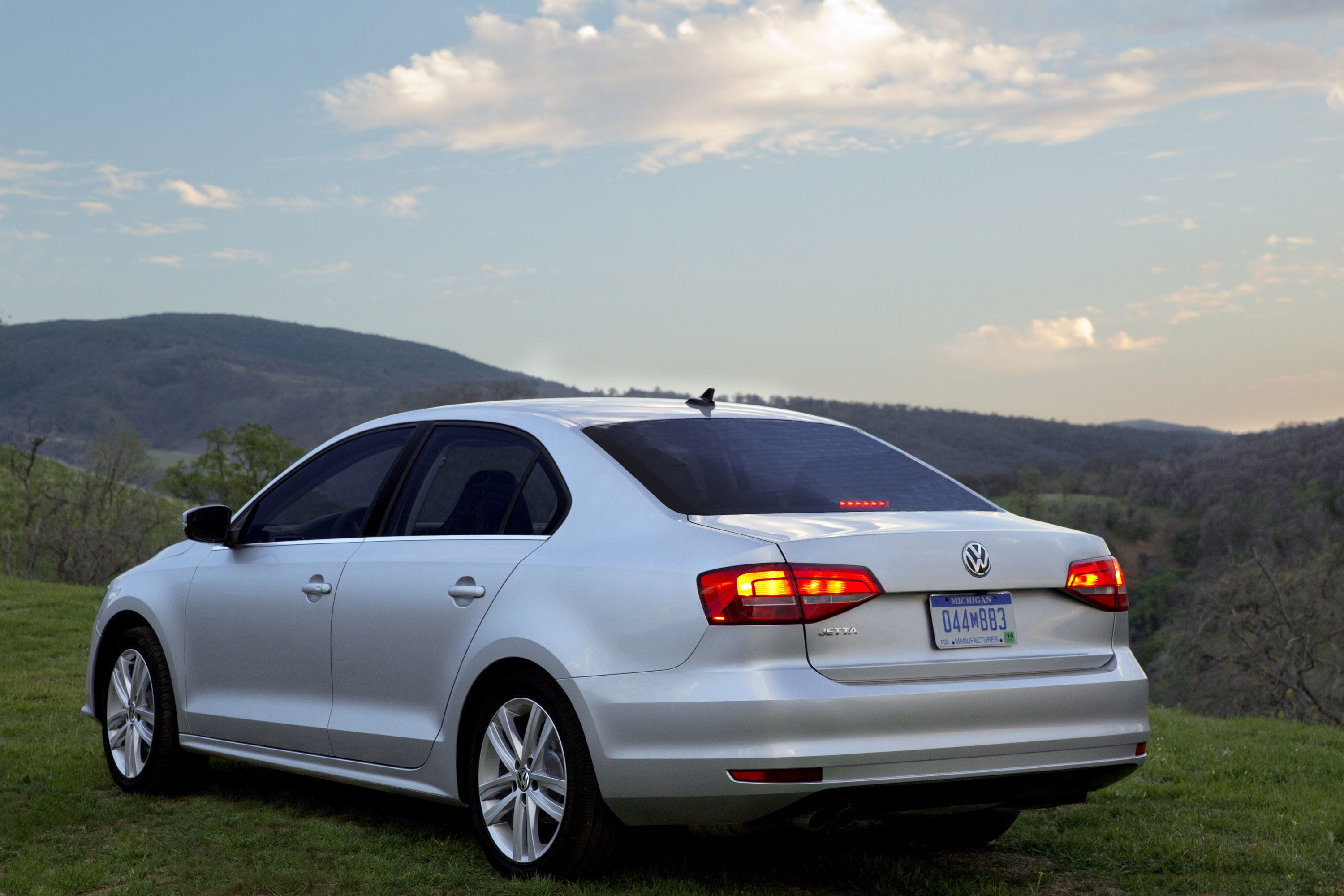
The 2015 Volkswagen Jetta TDI (Turbocharged Direct Injection) represents a pivotal moment in automotive history, serving as the final iteration of the diesel-powered Jetta in North America. Known for its exceptional highway fuel economy, high torque output, and the shadow of the "Dieselgate" emissions scandal, it remains a sought-after vehicle in the 2026 secondary market for high-mileage commuters and diesel enthusiasts seeking mechanical longevity.
The 2015 Volkswagen Jetta Diesel features the EA288 2.0-liter engine, producing 150 horsepower and 236 lb-ft of torque. It is distinguished from previous years by its updated Selective Catalytic Reduction (SCR) system and a mild exterior facelift. While its reputation was impacted by the 2015 emissions scandal, "fixed" versions now offer a blend of legal compliance and class-leading efficiency.
The EA288 Engine: A Technical Shift
The 2015 model year introduced the EA288 diesel engine, replacing the long-running EA189. This was not merely a software update but a significant mechanical redesign. The EA288 was engineered to be more modular, reducing internal friction and improving thermal management to reach operating temperatures faster—a critical factor for diesel efficiency and emissions control.
Unlike the 2014 and earlier Jetta TDIs, which relied largely on a Lean NOx Trap, the 2015 Jetta Diesel utilized Selective Catalytic Reduction (SCR). This system requires Diesel Exhaust Fluid (DEF), commonly known as AdBlue, to break down nitrogen oxides into harmless nitrogen and water. The inclusion of the AdBlue tank, located near the rear of the vehicle, required a redesign of the rear trunk floor and influenced the vehicle's weight distribution.
The performance characteristics of the EA288 are defined by its low-end grunt. With 236 lb-ft of torque available as low as 1,750 RPM, the Jetta TDI provides effortless merging and passing power that belies its 150-horsepower rating. In 2026, this engine is still regarded for its "highway legs," capable of maintaining high speeds with minimal fuel consumption.
The Dieselgate Context and the "Fix"
It is impossible to discuss the 2015 Volkswagen Jetta Diesel without addressing the emissions scandal that broke in late 2015. Volkswagen admitted to using a "defeat device" that allowed the car to pass emissions tests while emitting higher levels of NOx during real-world driving.
For the 2015 model year, the "fix" approved by the EPA and CARB was more effective than for older models because the 2015 cars already possessed the necessary SCR hardware. The modification primarily involved:
- Software Updates: Recalibrating the engine control unit (ECU) and transmission control unit (TCU) to optimize the use of AdBlue and manage the Diesel Particulate Filter (DPF) more aggressively.
- Hardware Maintenance: In some cases, replacing specific sensors or the DPF itself to ensure long-term durability under the new software parameters.
In the current 2026 market, almost every 2015 Jetta TDI on the road has undergone this modification. While some owners reported a slight decrease in fuel economy (roughly 1–2 MPG) and a change in DSG shifting patterns, the 2015 models generally retained their driving dynamics better than the 2011–2014 models.
Design and Interior Refinements
The 2015 Jetta received a mid-cycle "facelift" that brought it closer to the aesthetics of the larger Passat. The front grille was updated with three cross-slabs, and the lower air intakes were widened. Aerodynamics were improved through the use of shutters behind the grille that close when cooling demand is low, reducing drag.
Inside, the 2015 Jetta Diesel moved away from some of the "cost-cutting" measures seen in the 2011–2013 versions.
- Materials: Soft-touch plastics returned to the dashboard in higher trims (SE and SEL).
- Instrumentation: The "tube" style gauges provided a more premium, sporty look.
- Technology: Depending on the trim, the 2015 model offered the Fender Premium Audio system, a touchscreen navigation unit, and a rearview camera—features that, while dated by 2026 standards, remain functional and intuitive.
The trunk space remains a highlight of the Jetta. Despite the AdBlue tank's presence, the Jetta offers 15.5 cubic feet of cargo space. This practicality, combined with the 40+ MPG highway capability, makes it a premier choice for long-distance travel.
Performance and Efficiency in 2026
In 2026, the primary reason buyers seek out the 2015 Jetta TDI is its efficiency. While modern hybrids have narrowed the gap in city driving, the TDI remains a king of the open road. Real-world testing often shows that a well-maintained 2015 Jetta Diesel can achieve 45–50 MPG on the highway, significantly exceeding its original EPA ratings in the right conditions.
Transmission Options
The vehicle was offered with two main transmission choices:
- 6-Speed Manual: Favored by purists for its engagement and slightly better long-term reliability.
- 6-Speed DSG (Direct Shift Gearbox): An automated dual-clutch transmission that provides lightning-fast shifts. It requires a specific fluid and filter change every 40,000 miles, which is a non-negotiable maintenance item for longevity.
The driving experience is characterized by stability. The 2015 Jetta uses a multi-link rear suspension (unlike the torsion beam found in earlier base models), which provides a more sophisticated ride and better handling over mid-corner bumps.
Maintenance and Reliability Concerns in 2026
As these vehicles surpass the decade mark in 2026, prospective owners must be aware of specific maintenance requirements inherent to modern diesel engines.
The Emissions System (DPF and AdBlue)
The Diesel Particulate Filter (DPF) captures soot from the exhaust. Periodically, the car performs a "regeneration" to burn off this soot. If the car is only driven on short city trips, the DPF may clog because it never reaches the temperatures necessary for regeneration. In 2026, replacing a failed DPF can be expensive, often exceeding $2,000.
Timing Belt Service
The EA288 engine uses a timing belt rather than a chain. The recommended interval for replacement is typically 130,000 miles. If a used 2015 Jetta is approaching this mileage in 2026, the timing belt, water pump, and tensioners must be replaced to prevent catastrophic engine failure.
High-Pressure Fuel Pump (HPFP)
While the EA288's fuel pump is generally more robust than the one found in the earlier EA189, it remains sensitive to fuel quality. Using high-quality diesel and potentially a lubricity additive is a common practice among TDI enthusiasts to protect the HPFP from wear caused by "dry" ultra-low sulfur diesel (ULSD).
Technical Specifications: 2015 Jetta TDI
The following table outlines the core technical specifications for the 2015 Jetta Diesel model.
| Feature | Specification |
|---|---|
| Engine Type | 2.0L Inline 4-Cylinder Turbocharged Diesel (EA288) |
| Horsepower | 150 hp @ 3,500 - 4,000 RPM |
| Torque | 236 lb-ft @ 1,750 - 3,000 RPM |
| Fuel System | Common Rail Direct Injection |
| Emissions Control | SCR with AdBlue (DEF) |
| Transmission | 6-Speed Manual or 6-Speed DSG |
| EPA Fuel Economy (Hwy/City) | 46 / 31 MPG (Original Estimates) |
| Fuel Tank Capacity | 14.5 Gallons |
| Oil Specification | VW 507.00 Synthetic Only |
| Timing Belt Interval | 130,000 Miles |
Buying a 2015 Jetta Diesel in 2026
When evaluating a 2015 Jetta TDI today, the vehicle's history is paramount. Many of these cars were bought back by Volkswagen, stored for years in parking lots, and then resold after the emissions fix was applied.
What to Look For:
- Extended Emissions Warranty: Most 2015 TDIs came with an extended warranty as part of the settlement (often 10 years or 120,000 miles from the original in-service date, or 4 years/48,000 miles from the fix date). By 2026, many of these warranties have expired, so a pre-purchase inspection (PPI) is vital.
- Service Records: Ensure the DSG fluid was changed every 40k miles and that the correct VW 507.00 spec oil was used. Diesel engines are unforgiving of incorrect oil types, which can ash-load the DPF prematurely.
- AdBlue System Integrity: Check for white crystalline buildup around the injector or tank, which indicates a leak.
The 2015 Jetta TDI remains one of the few ways to own a modern, "clean" diesel sedan without moving into the luxury segment (e.g., BMW or Mercedes-Benz). Its combination of a refined chassis, immense highway range (often over 600 miles per tank), and the torque-rich EA288 engine makes it a unique tool for the right driver.
Frequently Asked Questions
Is the 2015 Jetta Diesel reliable for city driving?
Diesel engines with DPF systems are generally not ideal for exclusive city driving or short commutes. The DPF requires sustained highway speeds to perform "active regeneration" and burn off accumulated soot. Frequent short trips in 2026 can lead to "limp mode" and expensive exhaust repairs.
What is AdBlue, and how often does it need to be refilled?
AdBlue is a urea-based fluid used to reduce NOx emissions. In a 2015 Jetta, the AdBlue tank typically needs to be refilled every 10,000 miles, coinciding with standard oil change intervals. The car will provide several warnings as the fluid gets low; if it runs out completely, the engine will not restart once turned off.
Does the Dieselgate fix affect the car's performance?
Most drivers of the 2015 model year report negligible changes in performance. The EA288 engine was designed for SCR from the beginning, making the software fix less invasive than on older models. You might notice more frequent cooling fan operation after the car is turned off, which is a normal part of the post-fix regeneration cycle.
Why was 2015 the last year for the Jetta TDI?
Following the emissions scandal, Volkswagen shifted its global strategy toward electrification. The legal and financial hurdles of certifying diesel engines in the U.S. became prohibitive, leading VW to discontinue all TDI models in North America after the 2015 model year (though some 2015 models were sold as late as 2017).
Is diesel fuel more expensive to maintain than gasoline?
While diesel fuel itself can fluctuate in price relative to gasoline, the maintenance is generally higher due to the cost of synthetic oil, fuel filters (replaced every 20k miles), DSG services, and potential emissions system repairs. However, these costs are often offset by the 30-40% improvement in fuel economy over gasoline counterparts.
Practical Recommendation
If you are considering a 2015 Volkswagen Jetta Diesel in 2026, it is most suitable for drivers who cover more than 15,000 miles annually, with a majority of those miles being on the highway. Prioritize finding a "Phase 2" fixed vehicle with documented service history, specifically focusing on the DSG service and timing belt. If you find a low-mileage example that has been properly maintained, it offers a level of efficiency and cruising comfort that few modern internal combustion vehicles can match.