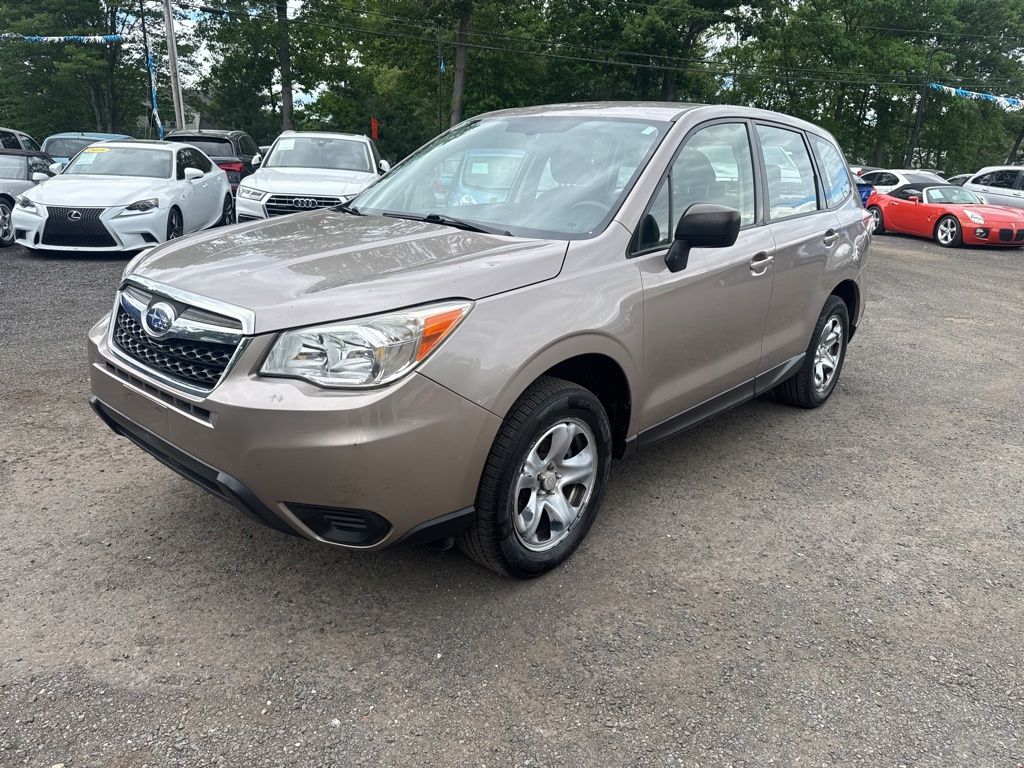
Determining the trade-in value of a 2014 Subaru Forester requires evaluating several key factors, including vehicle mileage, mechanical condition, trim level, and prevailing regional market demands. Because trade-in values fluctuate based on automotive industry trends, current market data, and seasonal supply shifts, understanding how dealerships and online valuation tools calculate this figure ensures you can negotiate effectively or decide whether a trade-in is your best financial option.
Understanding the Market Context for the 2014 Subaru Forester
The 2014 Subaru Forester holds a unique position in the used car market. As a compact crossover SUV featuring standard symmetrical all-wheel drive, it appeals to budget-conscious buyers, families, and outdoor enthusiasts alike. Even as it ages, its utility, safety ratings, and reputation for longevity help it retain a baseline value that often outpaces some domestic and European competitors from the same model year.
When you request a trade-in value from a dealership, an online valuation platform like Edmunds or Kelley Blue Book, or an instant cash offer service, they do not pull a single static number. Instead, they examine wholesale auction results, local inventory levels, and historical depreciation curves. For a 2014 model, the market has largely absorbed its primary depreciation, meaning its value depends heavily on its individual condition and maintenance history rather than just age alone.
Key Factors That Influence Valuation
A standard valuation is calculated by starting with a base book value and applying adjustments based on specific vehicle attributes. Recognizing these variables helps you anticipate what an appraiser will look for during a physical inspection.
Mileage and Wear
Mileage remains one of the most heavily weighted factors in any vehicle trade-in valuation. The average driver accumulates roughly 12,000 to 15,000 miles per year. For a 2014 model, an odometer reading significantly below 120,000 miles will command a higher valuation, whereas high-mileage examples exceeding 160,000 miles will see notable deductions. Beyond the raw numbers, wear and tear on high-touch surfaces—such as the steering wheel, driver’s seat bolsters, and carpeting—provide immediate visual cues to an appraiser regarding how the vehicle was treated.
Trim Levels and Factory Options
The 2014 Subaru Forester was offered in several distinct trim levels, each carrying different base trade-in values:
- 2.5i (Base): The entry-level model with standard features, steel wheels (on early production models), and a manual or available Lineartronic CVT (Continuously Variable Transmission).
- 2.5i Premium: Adds alloy wheels, a panoramic sunroof, a power driver's seat, and available All-Weather Package features.
- 2.5i Limited: Introduces leather-trimmed upholstery, automatic climate control, a power rear liftgate, and fog lights.
- 2.5i Touring: The top non-turbo trim featuring premium audio, keyless access, HID headlights, and navigation options.
- 2.0XT Premium and 2.0XT Touring: High-performance turbocharged variants that appeal to a niche audience of driving enthusiasts, often commanding a different pricing trajectory than the naturally aspirated 2.5-liter models.
Mechanical Health and Maintenance History
Subaru vehicles are engineered for durability, but certain components require rigorous upkeep. Appraisers and service managers look closely for evidence of consistent oil changes, transmission service, and suspension health. Head gasket issues, which plagued older Subaru generations, are less common in the FB25 engine found in the 2014 model, but oil consumption issues and CVT longevity are points of scrutiny. A documented service history from a certified mechanic or dealership can significantly protect your trade-in value against low initial offers.
Comparing Valuation Channels
Before visiting a dealership, you should utilize multiple valuation tools to establish a realistic baseline. Relying on a single source can leave money on the table.
| Valuation Method | Primary Advantage | Potential Drawback | Best Used For |
|---|---|---|---|
| Instant Cash Offers (e.g., Carvana, CarMax) | Fast, guaranteed cash price valid for several days; zero negotiation required. | Often conservative to leave room for reconditioning and resale margins. | Establishing a solid cash floor and avoiding dealership trade-in hassle. |
| Wholesale Guidebooks (KBB, NADA, Edmunds) | Comprehensive industry data factoring in regional adjustments and trim details. | Estimates only; does not account for unseen mechanical flaws or cosmetic damage. | Preparation for negotiation and setting price expectations. |
| Traditional Dealership Appraisal | Direct application toward tax savings on a new vehicle purchase; convenient bundling. | Subject to subjective inspection and high-pressure sales tactics. | Buyers who want to leverage trade-in equity directly into a new car loan. |
Tax Advantages of Trading In
One of the most compelling financial reasons to trade your 2014 Subaru Forester directly to a dealership rather than selling it privately is the trade-in tax credit. In many jurisdictions, sales tax on a vehicle purchase is calculated on the difference between the price of the new vehicle and the trade-in value of your old car.
For example, if you purchase a new vehicle for $30,000 and receive a $7,000 trade-in value for your Forester, you may only pay sales tax on the remaining $23,000 balance. Depending on your state or local tax rate, this credit can save you hundreds or even thousands of dollars, effectively narrowing the gap between a private-party sale price and a wholesale trade-in offer.
Common Mistakes That Lower Your Trade-In Value
Sellers frequently leave money on the table due to avoidable errors during the appraisal process. Recognizing these pitfalls helps preserve your vehicle's worth:
- Neglecting Minor Cosmetic Fixes: While you should not invest thousands into major repairs before a trade-in, failing to wash the car, vacuum the interior, or replace a burned-out headlight creates a poor first impression that appraisers factor into reconditioning costs.
- Ignoring Dashboard Warning Lights: Showing up with an illuminated Check Engine Light or Tire Pressure Monitoring System (TPMS) light invites the appraiser to assume the worst-case mechanical scenario, leading to heavily reduced offers.
- Failing to Gather Documentation: Arriving without a clean title, a record of regular maintenance, or spare keys forces the dealership to account for administrative and replacement costs in their valuation.
- Accepting the First Offer: Dealership initial offers are often starting points designed to leave negotiation room. Always obtain competing online offers to use as leverage.
Steps to Maximize Your 2014 Subaru Forester Trade-In Value
To secure the highest possible trade-in value, treat the process as a business transaction that requires preparation and research.
- Check Your Vehicle's Condition Objectually: Review guidebook definitions for "Good," "Very Good," and "Excellent" conditions. Be honest; most vehicles over a decade old fall into the "Good" or "Fair" category due to normal cosmetic wear.
- Run a Vehicle History Report: Pull a CARFAX or AutoCheck report to verify that your accident history, title status, and mileage records are accurate and transparent.
- Address Low-Cost Cosmetic Items: Clean the interior thoroughly, remove personal items, and fix minor items like wiper blades or missing floor mats.
- Get Multiple Quotes: Secure at least two online instant cash offers and consult two distinct guidebook valuations before stepping onto a dealership lot.
- Negotiate Separately: Keep your trade-in negotiation completely separate from the purchase price of your next vehicle and any financing discussions. Do not let salespeople bundle the numbers together.
Frequently Asked Questions
What is the average trade-in value for a 2014 Subaru Forester?
Trade-in values vary widely based on mileage, condition, and location, typically ranging between $5,000 and $10,000 for well-maintained models with average mileage. High-mileage or mechanically compromised units will fetch lower figures, while clean-title, lower-mileage Touring or Limited trims sit at the higher end of the spectrum.
Is it better to trade in a 2014 Subaru Forester or sell it privately?
Selling privately usually yields a higher financial return because you avoid dealer reconditioning margins. However, trading in offers significant convenience, saves time, and often provides a sales tax credit that can offset the price difference.
Does the CVT transmission affect the trade-in value of a 2014 Forester?
Yes. The 2014 model year was among the early iterations utilizing Subaru's Lineartronic CVT. Appraisers check transmission performance closely during test drives. Smooth operation preserves value, while slipping, shuddering, or hesitation will prompt a major valuation deduction for potential transmission replacement.
Should I fix mechanical problems before trading in my car?
Generally, no. Major repairs—such as transmission overhauls or engine work—rarely increase the trade-in value by as much as the repair costs out of pocket. Dealerships have access to wholesale parts and in-house labor, meaning they can recondition the vehicle more cheaply than you can retail.
What documents do I need to bring when trading in my vehicle?
You must bring the vehicle title (or payoff information if you still hold a loan), a valid government-issued photo ID, current vehicle registration, proof of insurance, all sets of keys and remotes, and your printed maintenance records.
Conclusion
Maximizing the trade-in value of your 2014 Subaru Forester relies on thorough preparation, realistic condition assessment, and leveraging competing market offers. By understanding how dealerships appraise older crossover SUVs, acknowledging the benefits of regional tax credits, and avoiding common preparation mistakes, you can approach the transaction with confidence and secure a fair financial return for your vehicle.