The year 2014 marked a pivotal turning point for Motorola Mobility, characterized by the launch of critically acclaimed second-generation flagships, affordable powerhouse devices, and a high-profile corporate acquisition by Lenovo from Google. This era cemented Motorola's reputation for delivering near-stock Android experiences, exceptional ergonomics, and disruptive pricing across multiple market tiers.
Introduction to Motorola in 2014: Corporate Context and Market Strategy
To understand the portfolio of Motorola smartphones released in 2014, one must examine the unique corporate landscape of the era. Early in the year, Google owned Motorola Mobility, having acquired it largely for its patent portfolio while attempting to steer its hardware division toward lean, high-value Android reference devices. By October 2014, Google finalized the sale of Motorola Mobility to Lenovo for approximately $2.91 billion. Despite this massive ownership shift, the product pipeline conceived under Google's stewardship rolled out smoothly, maintaining a unified design philosophy: clean software, purposeful hardware features, and aggressive pricing that undercut traditional tier-one competitors like Samsung and Apple.
During this period, the smartphone market was shifting away from expensive carrier-subsidized handsets toward unlocked, SIM-free devices purchased directly by consumers. Motorola capitalized on this trend by introducing devices that punched far above their weight class. Rather than chasing specifications for marketing purposes, Motorola focused on user experience: ambient display notifications, reliable battery life, customizable designs via Moto Maker, and a fluid, bloatware-free operating system.
The Flagship Contender: Moto X (2nd Generation)
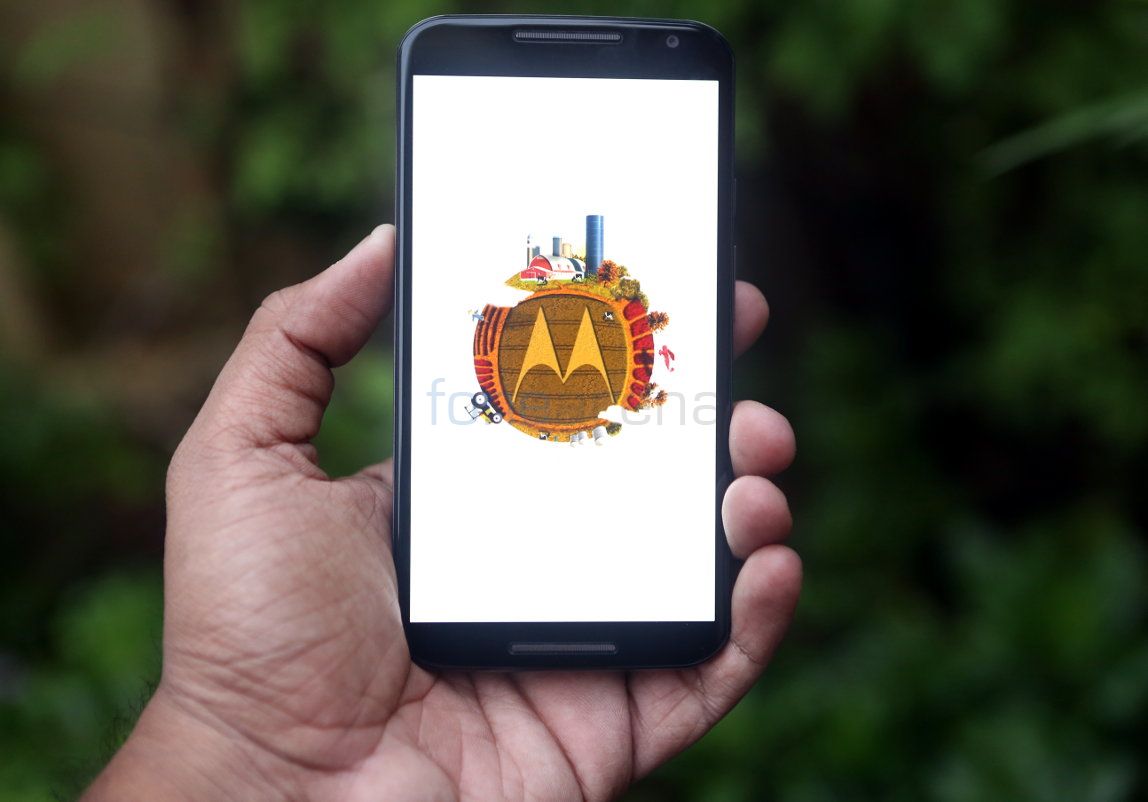
At the pinnacle of Motorola’s 2014 lineup stood the second-generation Moto X, often referred to as the Moto X (2014) or Moto X+1 prior to release. Building upon the success of the original 2013 Moto X, this iteration brought significant internal upgrades while retaining the highly praised physical ergonomics and distinctive curved back.
Design, Display, and Customization
The Moto X (2014) featured a larger 5.2-inch AMOLED display with a resolution of 1920x1080 pixels (Full HD), resulting in a sharp pixel density of approximately 423 pixels per inch. The choice of AMOLED technology allowed for deep blacks and vibrant colors, which paired natively with Motorola’s innovative Moto Display feature—lighting up only the necessary pixels to show notifications without waking the entire screen.
The chassis was framed in real metal, giving the device a premium in-hand feel. Through the online Moto Maker portal, buyers could customize their phones with various back panels, including genuine walnut and bamboo wood finishes, or Horween leather options, alongside a vast array of colored plastic trims. This level of hardware customization was virtually unheard of at the time for a mainstream smartphone.
Hardware Specifications and Performance
Under the hood, the Moto X (2014) was powered by a Qualcomm Snapdragon 801 quad-core processor clocked at 2.5 GHz, coupled with an Adreno 330 GPU and 2 GB of LPDDR3 RAM. Storage options were configured at 16 GB or 32 GB, with no microSD card expansion slot available—a design choice that mirrored Google's Nexus philosophy.
| Feature / Spec | Moto X (2nd Generation, 2014) |
|---|---|
| Display | 5.2-inch AMOLED (1920 x 1080, ~423 ppi) |
| Processor | Quad-core 2.5 GHz Qualcomm Snapdragon 801 |
| RAM & Storage | 2 GB RAM; 16 GB or 32 GB internal storage |
| Rear Camera | 13 MP, dual-LED ring flash, 4K video recording |
| Front Camera | 2 MP (1080p video) |
| Battery Capacity | 2300 mAh (Non-removable) |
| Operating System | Android 4.4.4 KitKat (Upgradable to Android 6.0) |
Software Features and User Experience
The software experience was one of the device's strongest selling points. Running a nearly stock version of Android 4.4.4 KitKat, the Moto X was largely free of heavy manufacturer skins or duplicate applications. Motorola added a suite of intelligent software enhancements managed through the Moto app:
- Moto Display: Discreetly pulses notifications on the screen when the phone is moved or notifications arrive.
- Moto Voice: Allows users to set a custom launch phrase (e.g., "OK Moto X") to execute hands-free web searches, calls, and command actions without touching the device.
- Moto Actions: Utilizes infrared sensors on the front bezel to detect hand gestures, enabling users to silence calls or snooze alarms with a simple wave.
- Moto Assist: Automatically silences the phone during meetings based on calendar entries or triggers "sleeping mode" at night.
Despite its stellar reviews for performance and design, the Moto X (2014) faced criticism for its relatively small 2300 mAh battery, which struggled to deliver all-day endurance under heavy workloads compared to competitors with larger footprints.
The Mass-Market Disruptor: Moto G (2nd Generation)
If the Moto X was Motorola's showcase for design and software intelligence, the second-generation Moto G (released in late 2014) was a masterclass in budget smartphone engineering. Priced aggressively around $179 unlocked at launch, the Moto G proved that a cheap smartphone did not have to feel or perform like a disposable device.
Improvements Over the Original Moto G
The 2014 Moto G addressed the primary limitations of its predecessor while keeping the cost remarkably low. Key upgrades included:
- Enlarged Display: The screen size increased from 4.5 inches to 5.0 inches, utilizing an IPS LCD panel with a 1280x720 HD resolution.
- Stereo Sound: Front-facing stereo speakers were integrated above and below the display, significantly improving media consumption and speakerphone clarity.
- Expandable Storage: Unlike its predecessor, the 2014 model included a dedicated microSD card slot capable of expanding the 8 GB or 16 GB of internal storage by up to 32 GB.
- Upgraded Camera: The rear camera was bumped to an 8-megapixel sensor with an f/2.0 lens, yielding noticeably better low-light performance than the 5-megapixel unit on the 2013 model.
Performance and Market Impact
Powered by a modest quad-core Qualcomm Snapdragon 400 processor clocked at 1.2 GHz, paired with 1 GB of RAM, the Moto G was not built for high-end 3D gaming. However, for everyday tasks—web browsing, social media, messaging, and media streaming—the device ran with surprising fluidity. This was largely due to Motorola's restraint in adding heavy UI layers, ensuring the lightweight hardware did not bog down. The Moto G (2014) captured immense market share in developing regions and among budget-conscious consumers in North America and Europe, effectively redefining expectations for budget mobile hardware.
The Ultra-Budget Entry: Moto E (1st Generation)
While introduced in May 2014, the original Motorola Moto E established the absolute floor for smartphone pricing and durability. Priced at roughly $129 off-contract, the Moto E targeted first-time smartphone buyers and users upgrading from legacy feature phones.
The device featured a 4.3-inch qHD (960x540) display protected by Corning Gorilla Glass 3 and an anti-smudge oleophobic coating, features rarely found at this price point. Powered by a dual-core Snapdragon 200 processor and 1 GB of RAM, it lacked front-facing flash, autofocus on its 5-megapixel rear camera, and high-end materials. Yet, its rugged build quality, splash-resistant rubberized back, stellar battery life, and prompt software updates made it an unexpected darling of the tech community for users seeking a reliable backup or ultra-low-cost communication tool.
The Phablet Experiment: Motorola Droid Turbo
Exclusive to Verizon Wireless in the United States, the Motorola Droid Turbo (released in October 2014) was a technical powerhouse designed to compete directly with high-end phablets. It combined extreme performance with rugged durability, utilizing a ballistic nylon or Kevlar fiber back shell reinforced with a metal frame.
Key Technical Specifications of the Droid Turbo
- Display: 5.2-inch Quad HD (2560 x 1440) AMOLED display, delivering an ultra-sharp 565 ppi.
- Processor: Quad-core 2.7 GHz Qualcomm Snapdragon 805.
- Memory: 3 GB of RAM.
- Camera: 21-megapixel rear camera capable of 4K video capture.
- Battery: Massive 3900 mAh battery supporting Motorola's Turbo Charger standard, capable of providing up to 8 hours of power in just 15 minutes of charging.
The Droid Turbo satisfied power users who demanded uncompromising specifications, long battery endurance, and heavy-duty physical protection, though its availability was restricted to a single US carrier and it launched with a slightly heavier software footprint due to Verizon carrier bloatware.
Software Ecosystem and Android Upgrade Path
A defining characteristic of Motorola’s 2014 smartphone lineup was its commitment to software updates. At a time when many Android manufacturers took months to push out new operating system versions—or abandoned devices entirely after release—Motorola maintained a reputation second only to Google’s own Nexus line for timely software updates.
The 2014 devices launched with Android 4.4.4 KitKat and were swiftly slated for updates to Android 5.0 Lollipop and subsequent maintenance releases. Motorola’s strategy of keeping the core operating system close to stock Android not only reduced development overhead and engineering delays but also ensured that lower-end hardware, such as the Moto G and Moto E, remained responsive and secure long after purchase.
Comparative Overview of 2014 Motorola Smartphones
The following table summarizes the core hardware configurations across the primary Motorola smartphone models released in calendar year 2014:
| Model Name | Display Size & Res | Processor | RAM | Rear Camera | Battery | Launch Price (Unlocked) |
|---|---|---|---|---|---|---|
| Moto E (1st Gen) | 4.3" qHD (960x540) | Dual-core 1.2 GHz Snapdragon 200 | 1 GB | 5 MP (No AF) | 1980 mAh | ~$129 |
| Moto G (2nd Gen) | 5.0" HD (1280x720) | Quad-core 1.2 GHz Snapdragon 400 | 1 GB | 8 MP | 2070 mAh | ~$179 |
| Moto X (2nd Gen) | 5.2" FHD (1920x1080) | Quad-core 2.5 GHz Snapdragon 801 | 2 GB | 13 MP | 2300 mAh | ~$499 |
| Droid Turbo | 5.2" QHD (2560x1440) | Quad-core 2.7 GHz Snapdragon 805 | 3 GB | 21 MP | 3900 mAh | Carrier Excl. (Verizon) |
Legacy and Industry Influence
Reflecting on Motorola’s 2014 portfolio reveals how profoundly the company influenced modern smartphone design and pricing expectations. By proving that mid-range and budget phones did not need to suffer from agonizing lag or atrocious build quality, Motorola forced competitors like Samsung, LG, and various emerging Chinese manufacturers to elevate the baseline quality of their affordable offerings.
The emphasis on ambient notifications (Moto Display) and conversational voice triggers anticipated trends that major operating systems would adopt natively years later. Furthermore, the modular customization concept explored via Moto Maker laid intellectual groundwork for the later modular experiments seen in the Moto Z series.
While Lenovo's acquisition of Motorola brought subsequent corporate reorganizations and strategic shifts in later years, the 2014 lineup remains remembered as a golden era for the brand—a period where consumer-centric software design and aggressive hardware value successfully disrupted the status quo of the global mobile market.
Frequently Asked Questions
What operating system did Motorola phones run in 2014?
Motorola phones released in 2014 launched with Android 4.4.4 KitKat. They were subsequently upgraded to Android 5.0 Lollipop and later versions depending on the specific model's hardware lifecycle. Motorola kept the software interface very close to stock Android while adding proprietary utility apps like Moto Display and Moto Voice.
Did the 2014 Moto X support expandable storage via microSD?
No. The second-generation Moto X (2014) did not feature a microSD card slot. Buyers had to choose between the 16 GB and 32 GB internal storage tiers at the time of purchase, relying on cloud storage services for additional media management.
How did the Moto G (2nd Generation) differ from the 2013 model?
The 2014 Moto G upgraded several hardware limitations of the original 2013 model by introducing a larger 5.0-inch HD display, front-facing stereo speakers, an 8-megapixel rear camera, and a dedicated microSD card slot for expandable storage, all while retaining an affordable price point.
Was the Droid Turbo available outside of the United States?
No. The Motorola Droid Turbo was a Verizon Wireless exclusive variant released in the United States in late 2014. However, a near-identical international variant named the Motorola Moto Maxx was later released in select Latin American and European markets.
What made Motorola's Moto Display unique in 2014?
Moto Display utilized the power-efficient properties of AMOLED screens found on devices like the Moto X and Droid Turbo. Instead of waking up the entire screen and flashing an LED light for notifications, it subtly pulsed monochrome notification icons on the dark screen whenever the phone was moved or a new alert arrived, preserving battery life.