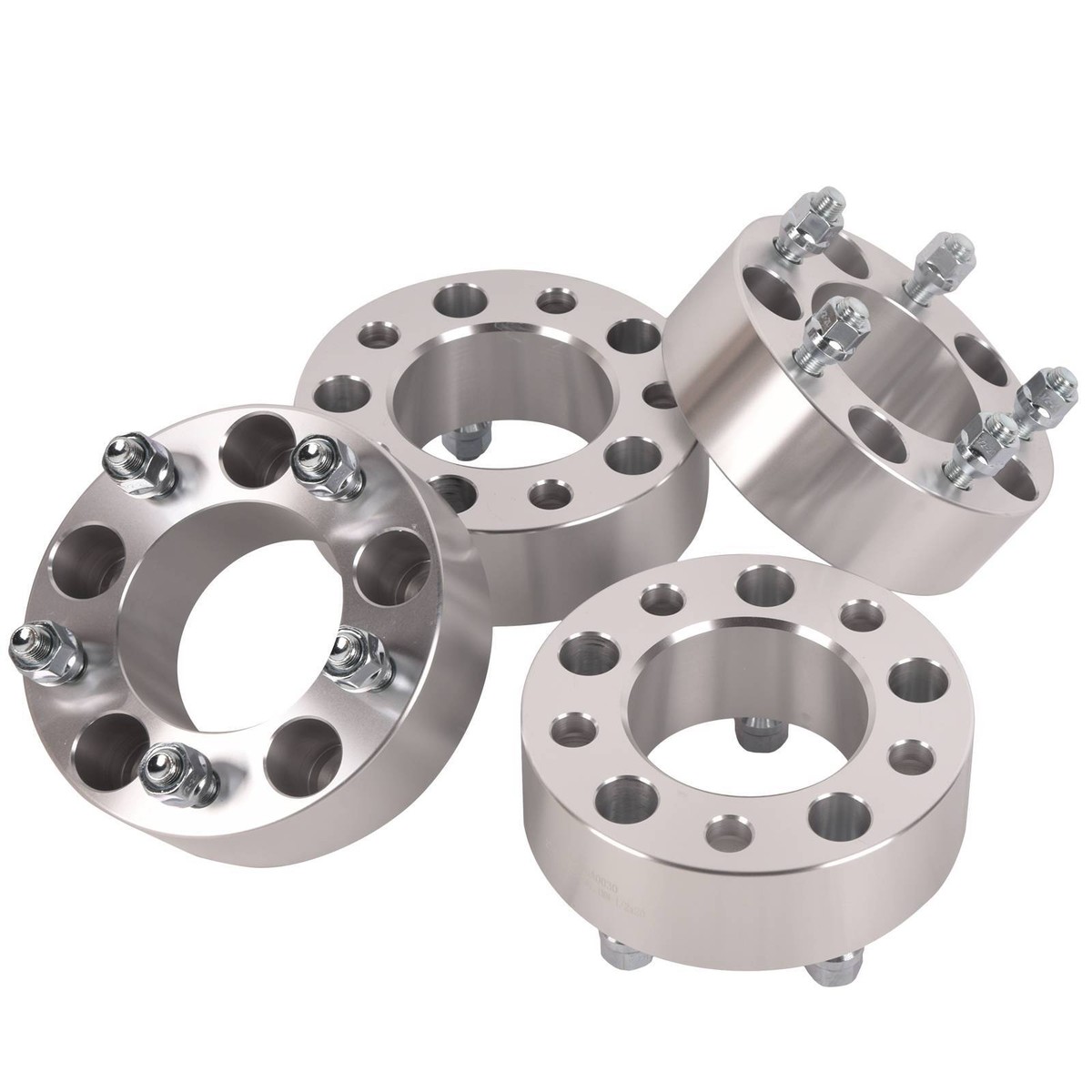
The 2014 Jeep Wrangler features a 5x127 millimeter wheel bolt pattern—widely known in imperial measurements as a 5x5 inch pattern—utilizing a hub-centric design with 1/2-inch-20 wheel studs and a specific center bore measurement of 71.5 millimeters.
Understanding the exact wheel bolt pattern of a vehicle is essential for anyone looking to upgrade their factory rims, install aftermarket off-road wheels, or troubleshoot clearance and vibration issues. For owners of the 2014 Jeep Wrangler—encompassing both the standard two-door JK and the four-door Wrangler Unlimited—getting these technical specifications right ensures safety, proper mechanical fitment, and optimal vehicle performance on both pavement and rugged trails. This comprehensive guide details the wheel bolt pattern, hub measurements, thread pitch, torque specifications, and practical considerations for wheel modifications on the 2014 model year.
Decoding the 2014 Jeep Wrangler Bolt Pattern
The wheel bolt pattern, sometimes referred to as the pitch circle diameter (PCD), dictates how a wheel mounts to a vehicle's hub assembly. For the 2014 Jeep Wrangler (JK generation, spanning model years 2007 through 2018), Chrysler engineered the vehicle with a 5x127 mm bolt pattern. In traditional imperial measurements, this is expressed as 5x5 inches.
This notation breaks down into two distinct numbers that must be measured precisely:
- The first number (5): Indicates the total number of bolt holes or wheel studs positioned on the axle hub assembly.
- The second number (127 mm or 5 inches): Represents the diameter of an imaginary circle drawn through the center of all the bolt holes.
Measuring a five-lug pattern requires a specific technique because the holes do not sit directly across from one another like they do on four- or six-lug setups. Measuring across the center of the hub from the outer edge of one hole to the exact center of the opposite hole provides the correct 5-inch metric or imperial dimension. Attempting to install wheels with a 5x4.5 inch pattern (common on older Jeep Cherokees and Wranglers up to the 2006 TJ generation) or a 5x5.5 inch pattern will result in catastrophic failure, as the holes will not align with the factory hub studs.
Key Technical Specifications for 2014 Jeep Wrangler Wheels
Beyond the core bolt pattern, several interrelated technical specifications govern whether a replacement wheel will clear the brake calipers, suspension components, and fenders of a 2014 Jeep Wrangler. Ignoring these parameters can lead to rubbing, premature wheel bearing wear, or unsafe driving dynamics.
Center Bore and Hub-Centric Design
The center bore is the machined hole in the exact center of the wheel that centers the wheel on the vehicle's axle hub. The 2014 Jeep Wrangler features a hub center bore of 71.5 mm. Factory wheels are "hub-centric," meaning the weight of the vehicle rests primarily on the center hub lip rather than solely on the wheel studs. When purchasing aftermarket wheels, verifying that the center bore matches 71.5 mm is vital. If the aftermarket wheel has a larger center bore (often called lug-centric), hub centric rings should be utilized to center the wheel precisely and eliminate high-speed steering vibrations.
Thread Pitch and Lug Nuts
The threaded studs protruding from the 2014 Wrangler hub use a 1/2-inch-20 thread pitch. When changing wheels, technicians and owners must ensure that the lug nuts match this thread pitch and feature the correct seating style—typically a 60-degree conical seat, which matches the countersunk holes found on the vast majority of factory and aftermarket Jeep wheels. Using flat-seat or ball-seat lug nuts on conical wheel holes prevents proper torque retention and can cause wheels to loosen while driving.
Factory Offsets and Backspacing
Factory 17-inch and 18-inch wheels on the 2014 Wrangler typically feature a positive offset of around +44.45 mm (translating to roughly 6.25 inches of backspacing). This tucks the tires inward for fuel economy and street manners. However, installing wider off-road tires often necessitates aftermarket wheels with less backspacing (typically 4.5 to 4.75 inches) or a lower/negative offset to push the tire away from the inner sway bars, control arms, and frame rails during tight turns.
| Specification Category | Factory Standard Measurement | Aftermarket Consideration |
|---|---|---|
| Bolt Pattern (PCD) | 5 x 127 mm (5 x 5 inches) | Must match exactly; adapter plates required otherwise. |
| Center Bore | 71.5 mm | Match or use hub-centric rings if larger. |
| Thread Pitch | 1/2" - 20 UNF | Match replacement lug nuts to stud thread. |
| Factory Backspacing | ~6.25 inches (+44.45 mm offset) | Lower backspacing (4.5" - 4.75") often needed for wider tires. |
| Torque Specification | 95 to 100 lb-ft | Re-torque after the first 50 to 100 miles of driving. |
Submodel Variations: Sport, Sahara, and Rubicon
While the fundamental wheel bolt pattern remains identical across all trim levels of the 2014 Jeep Wrangler—whether driving a base Sport, a mid-tier Sahara, or an off-road-focused Rubicon—the factory wheel dimensions, tire sizes, and clearance tolerances vary.
- Sport: Typically came equipped with 16-inch steel or alloy wheels wrapped in 225/75R16 tires, or optional 17-inch wheels.
- Sahara: Usually featured 18-inch polished alloy wheels wrapped in 255/70R18 street-oriented tires.
- Rubicon: Came standard with rugged 17-inch alloy wheels fitted with larger 255/75R17 Mud-Terrain tires.
Despite the differences in rim diameter and factory tire width, the underlying axle assemblies (Dana 30 front and Dana 44 rear on most models, or Dana 44 front and rear on the Rubicon X/Hard Rock variants) share the exact same 5x5-inch wheel mounting face. Therefore, factory Rubicon take-off wheels from a 2014 model bolt directly onto a Sport or Sahara model of the same year without requiring modifications or spacers.
Practical Guidance on Wheel Spacers and Adapters
Many Wrangler owners seek to widen their vehicle's stance or clear wider tires without purchasing entirely new wheels. This is achieved through wheel spacers or adapters. However, installing these components on a 2014 Jeep Wrangler requires strict adherence to safety protocols.
- Quality Construction: Only high-grade, hub-centric aluminum wheel spacers (typically forged 6061-T6 aluminum) equipped with grade-8 pre-pressed studs should be considered. Cheap cast spacers can crack under heavy off-road shock loads.
- Thickness Requirements: For standard 2014 Wrangler studs, spacers must generally be at least 1.25 to 1.5 inches thick. Thinner spacers require cutting down the factory wheel studs so they do not protrude past the spacer face and interfere with the back of the wheel.
- Torque Maintenance: Wheel spacers introduce an additional mounting surface that requires careful maintenance. Thread-locking compound (such as medium-strength blue Loctite) should be applied to the inner nuts securing the spacer to the factory hub, and the assembly must be torqued to factory specifications (95-100 lb-ft) and checked periodically.
Common Mistakes and Troubleshooting Wheel Installation
Installing new wheels or tires on a 2014 Jeep Wrangler can present minor challenges. Recognizing common pitfalls prevents damage to components and ensures safe vehicle operation.
- Failure to Remove Rotor Retaining Clips: Factory Wrangler hubs often feature small flat metal push-nuts or clips on the wheel studs left over from factory assembly. While these are technically meant to hold the brake rotors in place during manufacturing, aftermarket wheels often sit flush against them, causing the wheel to wobble. Always remove these clips before mounting new wheels.
- Improper Torque Sequence: Tightening lug nuts in a circular fashion rather than a star pattern can lead to uneven clamping force, warped brake rotors, or loose wheels. Always use a calibrated torque wrench in a star pattern.
- Interference with Brake Calipers or Steering Components: Moving to a smaller rim diameter than factory specification (such as attempting to install a 15-inch wheel on a 2014 Wrangler) will cause the rim to physically strike the brake calipers. Conversely, excessive positive offset can cause wide tires to rub the front sway bar at full steering lock, requiring steering stop adjustments or wheel spacers.
Frequently Asked Questions
Will wheels from a newer Jeep Wrangler (like a JL or Gladiator) fit a 2014 Jeep Wrangler?
Yes. Modern Jeep Wranglers (2018–present JL generation) and Jeep Gladiator trucks (2020–present) utilize the exact same 5x127 mm (5x5 inch) wheel bolt pattern and 71.5 mm center bore. Factory or aftermarket wheels designed for a modern JL Wrangler bolt directly onto a 2014 JK Wrangler. However, note that factory JL lug nuts utilize a metric thread pitch (M14x1.5), whereas the 2014 JK uses imperial 1/2"-20 studs, so matching the correct lug nuts to the studs remains necessary.
Can I install wheels from an older Jeep Wrangler (TJ or YJ) on my 2014 model?
No. Older Jeep Wranglers manufactured between 1987 and 2006 (YJ and TJ generations) utilized a smaller 5x114.3 mm (5x4.5 inch) wheel bolt pattern. The bolt holes will not line up with the 2014 model's hubs unless dangerous and unrecommended lug adapters are used.
What is the correct tightening torque for 2014 Jeep Wrangler lug nuts?
The factory specification for the wheel lug nuts on a 2014 Jeep Wrangler is between 95 and 100 foot-pounds (lb-ft). Using a torque wrench is mandatory; over-tightening can stretch or snap the wheel studs, while under-tightening can cause the wheel to vibrate loose.
Do I need an alignment after changing my wheels and tires?
If you are changing only the wheels while maintaining the exact same overall tire diameter, an alignment is generally unnecessary. However, if the new setup involves significantly larger tires, altered backspacing, or a concurrent suspension lift, a professional wheel alignment is strongly recommended to prevent erratic steering and rapid tire wear.
How do I check if an aftermarket wheel is hub-centric?
Look at the specifications provided by the wheel manufacturer for the "center bore." If the center bore measurement matches the 2014 Wrangler's hub diameter of 71.5 mm, it is hub-centric. If the center bore is larger (for example, 83 mm to fit multiple truck brands), the wheel is lug-centric and requires a plastic or aluminum hub-centric ring to bridge the gap.
Final Recommendation
When modifying or replacing the wheels on a 2014 Jeep Wrangler, always verify that the replacement components match the factory 5x127 mm (5x5") bolt pattern, 71.5 mm center bore, and 1/2"-20 thread pitch. Prioritize hub-centric designs to prevent high-speed vibrations, and always re-check your lug nut torque after driving the first 50 to 100 miles on newly installed wheels.