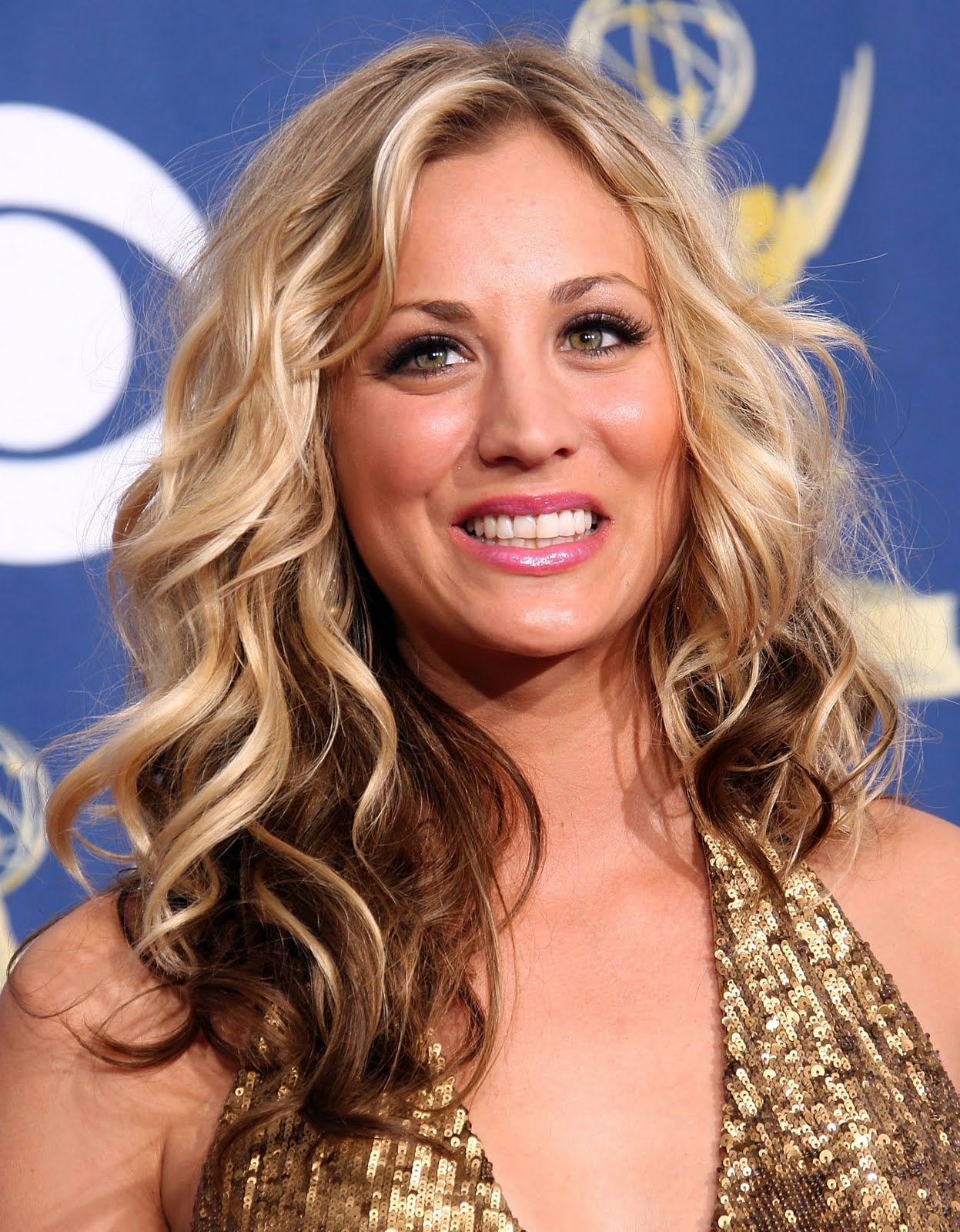
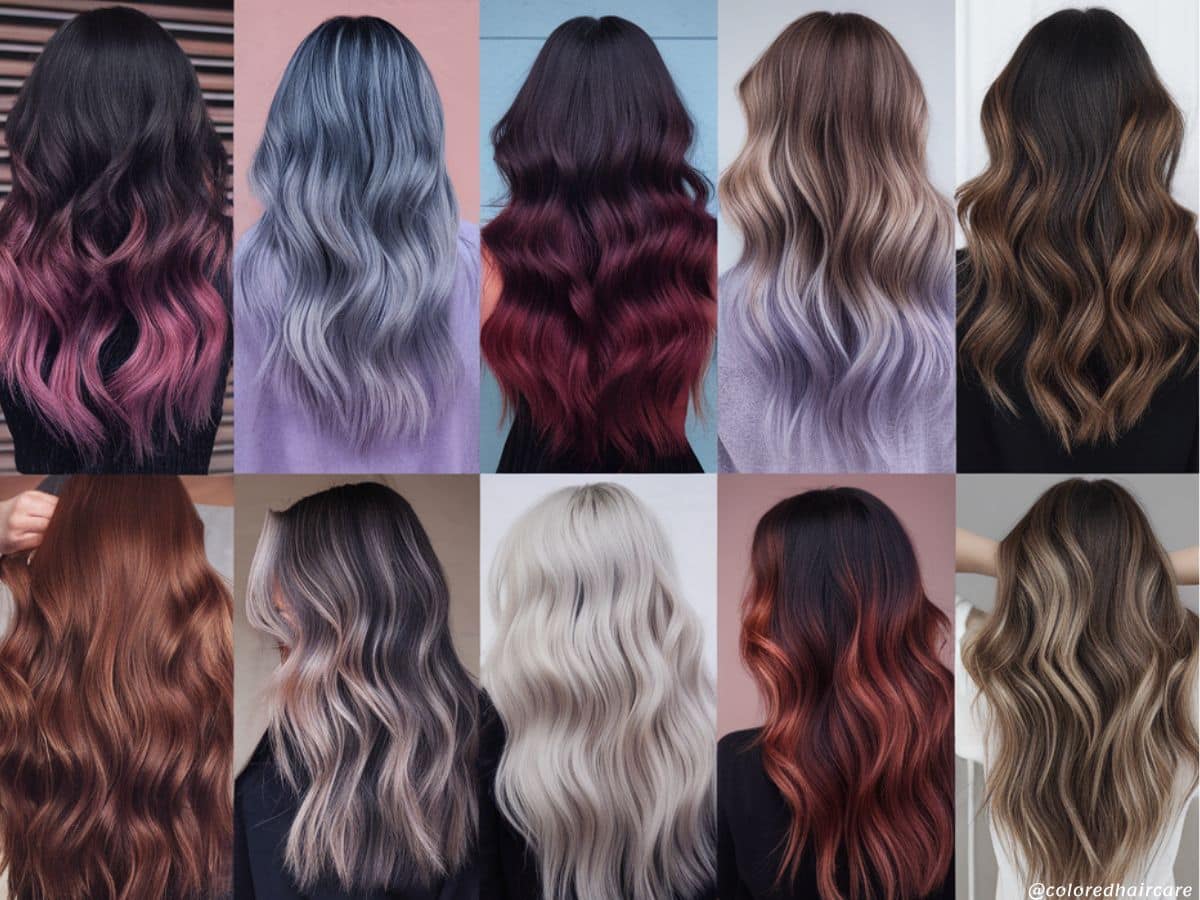
The year 2011 was a definitive turning point for celebrity hair color, moving away from the monochromatic, high-contrast highlights of the mid-2000s toward softer, more intentional gradients and bold stylistic risks. This era championed the rise of the "ombré" technique, the resurgence of high-maintenance platinum, and the solidification of "bronde" as a standard aesthetic, setting professional color precedents that remain relevant in modern salon requests.
The Rise of the Ombré and Sombré Techniques
In 2011, the most significant shift in hair color terminology and execution was the mainstream adoption of ombré. Originally pioneered by celebrity colorists in Los Angeles and New York to mimic the natural regrowth of beach-goers, the look shifted from a controversial "grown-out" aesthetic to a curated, sophisticated gradient.
Celebrities such as Rachel Bilson and Khloé Kardashian became the primary catalysts for this trend. Unlike the harsh, two-toned block coloring seen in previous years, 2011 saw the introduction of "sombré"—a softer, more blended variation. The technical goal was to maintain a deeper, natural-toned root area while transitioning through hand-painted balayage highlights toward a lighter, sun-kissed perimeter. For clients today, this remains the gold standard for low-maintenance hair care, as it requires fewer touch-ups than traditional foil highlights.
The Bronde Phenomenon
While ombré dominated the visual landscape, "bronde" emerged as the ultimate transitional shade for 2011. Bridging the gap between dark blonde and light brown, this color was the antithesis of the flat, single-process hair colors that preceded it. The appeal was centered on versatility; the mixture of ash and golden undertones allowed individuals to keep their natural base while adding enough dimension to brighten the complexion.
Celebrities like Jennifer Aniston and Gisele Bündchen epitomized this look, utilizing fine, low-contrast weaves to break up their color. The technical approach in 2011 relied heavily on "lowlighting," where subtle ribbons of color were woven back into lighter hair to create depth. This technique is essential for those looking to transition away from over-processed blonde without committing to a full dark-brown shade.
High-Fashion Platinum and Ice Tones
Contrasting the natural, beachy trends, 2011 also witnessed a surge in bold, cool-toned platinum hair. Unlike the warm, buttery blondes of the early 2000s, the 2011 platinum aesthetic demanded intense neutralization of yellow pigments to achieve a stark, "icy" finish.
Celebrities such as Michelle Williams and Gwen Stefani leaned into these sharp, bleached looks. Technically, achieving this result in 2011 required significant commitment, often involving aggressive bleaching followed by cool-toned toners to counteract the natural melanin remaining in the hair shaft. Because this process compromises the hair’s structural integrity, it necessitated a new emphasis on post-chemical conditioning treatments, including protein-rich masques and the avoidance of heat styling.
Strategic Red and Copper Infusions
2011 was also the year that red hair shed its "seasonal" reputation, becoming a staple high-fashion color choice. Rather than generic auburn, the trend leaned into specific, vivid copper and ginger tones. This movement was largely driven by celebrities like Emma Stone and Florence Welch, who utilized monochromatic red tones to make a striking statement.
The challenge with these colors, then as it is now, is the rapid rate of oxidation. Red pigments possess the largest molecular size, meaning they wash out faster than cooler tones. To achieve the 2011 aesthetic, colorists frequently recommended the use of sulfate-free shampoos and regular "gloss" treatments to seal the hair cuticle and reflect light, which enhances the vibrancy of the copper.
Comparative Analysis of 2011 Color Techniques
| Technique | Goal | Maintenance Level | Best For |
|---|---|---|---|
| Ombré | Soft gradient from dark to light | Low | Long hair with natural base |
| Bronde | Multidimensional depth | Medium | Brunettes wanting brightness |
| Platinum | Stark, icy monochromatic tone | High | Short to medium bobs/crops |
| Vivid Copper | Warm, high-reflectance red | High | Fair to medium complexions |
Managing Chemical Damage and Color Longevity
The trends of 2011 were labor-intensive, particularly for those transitioning from darker shades to the lighter "bronde" or platinum hues. Professional advice from that period emphasized the "pre-color" condition of the hair. Before any color service, stylists required an assessment of the hair’s porosity.
Common mistakes from 2011 included over-processing hair that was already compromised by previous chemical straightening or heat-tool abuse. To mitigate this, salon professionals began implementing bond-strengthening additives and emphasizing the importance of a 6-to-8-week interval between professional services. For individuals interested in recreating these looks today, the modern evolution of these products—such as bond-builders—makes achieving these colors significantly safer than it was during the original 2011 period.
Troubleshooting Color Fading and Brassiness
Brassiness—the unintentional emergence of red, orange, or yellow tones—was the most frequent post-service complaint in 2011. As color oxidized, exposure to mineral-heavy water and UV rays caused the lighter tones of ombré or bronde hair to turn "warm."
To troubleshoot this, the use of purple-based shampoos and conditioners became a standard post-salon recommendation. These products deposit a violet pigment to neutralize yellow tones. Additionally, for those sporting the vivid red trends of the time, cold water rinsing was the prescribed method to keep the hair cuticle closed and prevent the dye from leaching out during showers.
Selecting the Right Shade for Your Skin Tone
The 2011 celebrity aesthetic was heavily focused on matching color to complexion. The general rule applied was:
- Cool Undertones: Best paired with icy, platinum, or ash-based bronde colors.
- Warm Undertones: Best paired with honey, copper, or golden-brown tones.
- Neutral Undertones: The most versatile category, allowing for the gradient transitions found in ombré.
If your skin has a pink or blue undertone, cool colors are generally recommended to prevent the skin from appearing overly flushed. Conversely, if your skin has golden or olive undertones, warmer colors act as a natural highlighter, preventing a sallow appearance.
Frequently Asked Questions
1. Is the ombré technique from 2011 still considered modern? Yes, though modern versions are often more refined. While 2011 ombré could be quite dramatic, current versions focus on "babylights" and seamless transitions to ensure the color looks natural as it grows out.
2. Why was 2011 such a turning point for celebrity hair? 2011 marked the transition from "high-contrast highlights" (chunky streaks) to "blended dimension." It was the shift from the salon-perfect, uniform look to an effortless, "lived-in" aesthetic that still dominates beauty trends today.
3. What was the most difficult 2011 color to maintain? Platinum blonde was, and remains, the most difficult. It requires constant root touch-ups (every 4–6 weeks) and specialized care to prevent breakage, as the bleaching process removes the hair's natural pigment completely.
4. Can I achieve a 2011-style bronde if I have dark brown hair? Absolutely. Bronde is ideal for dark-haired individuals because it allows for a gradual lightening process that doesn't require bleaching the entire head to a single, high-maintenance blonde shade.
5. How do I keep copper hair vibrant? Red is the most prone to fading. To keep it looking like the 2011 trends, use a color-depositing conditioner, wash your hair in cool water, and avoid direct, prolonged sun exposure, which causes color oxidation.
Final Recommendation
If you are looking to adopt the iconic color trends of 2011, prioritize the "sombré" or "bronde" techniques. These styles are the most timeless and require the least amount of long-term financial and physical commitment. Before booking an appointment, consult with a colorist who specializes in balayage, as this technique is essential for achieving the blended, natural results that defined the 2011 aesthetic. Always perform a strand test if you are transitioning from a dark or box-dyed base to ensure the hair’s integrity is preserved.