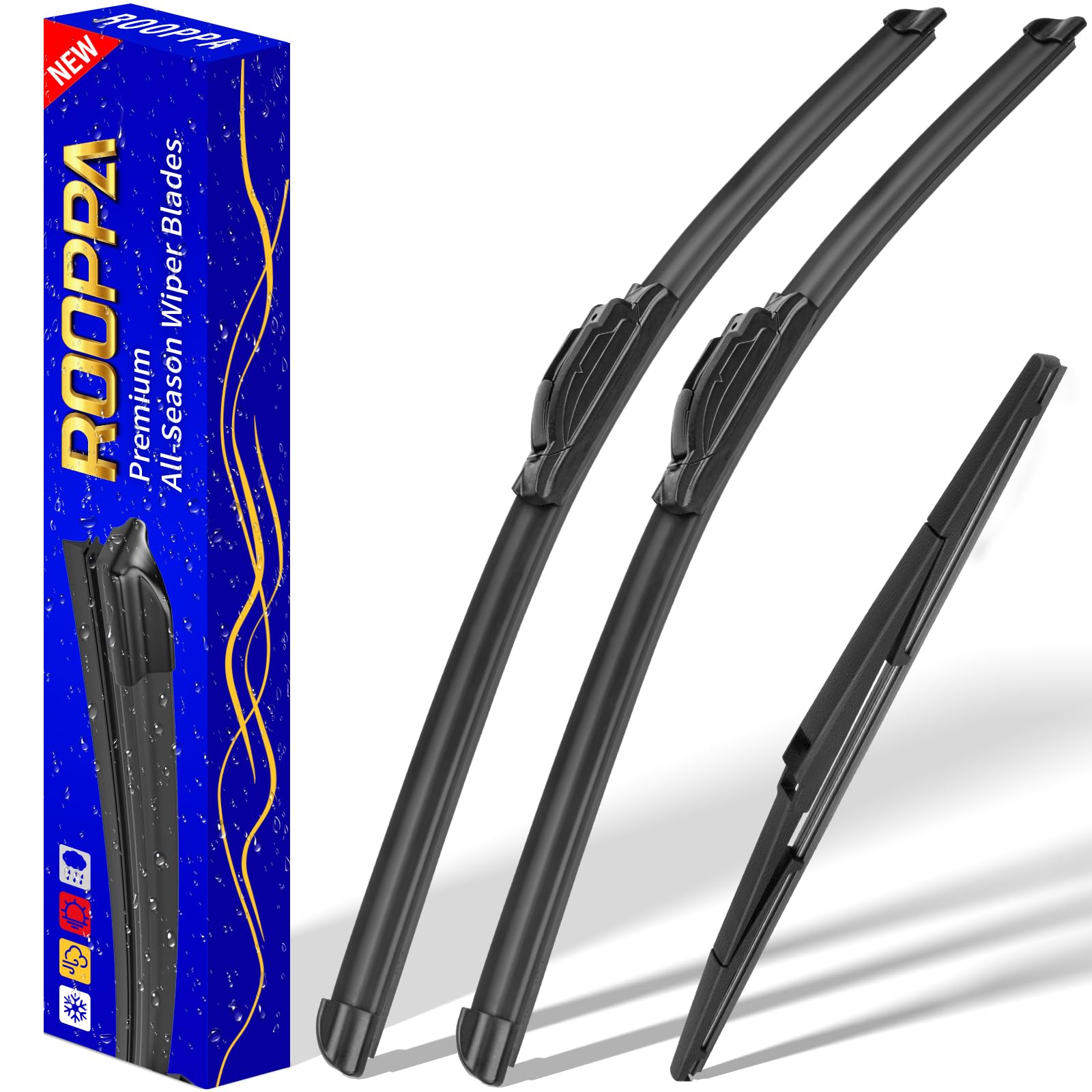
To maintain optimal visibility in your 2010 Toyota Prius, you need a driver-side wiper blade measuring 26 inches, a passenger-side blade measuring 16 inches, and a 16-inch rear wiper blade. Selecting high-quality, vehicle-specific blades ensures proper contact with the windshield curvature, while consistent maintenance prevents streaks, chatter, and potential glass damage during inclement weather.
Understanding Your 2010 Toyota Prius Wiper System
The third-generation Toyota Prius (which includes the 2010 model year) utilizes a specific tandem-style windshield wiper configuration. Unlike older vehicles that might use standardized, universal-fit arms, the 2010 Prius features an aerodynamic, low-profile design that requires blades specifically engineered to maintain consistent pressure across the entire sweep of the glass.
The windshield is relatively large and steeply raked, which puts unique demands on the wiper linkage and blade tension. When the wiper blades begin to fail, you will typically notice chattering—a rhythmic vibrating sound caused by the rubber stiffening—or "ghosting," where a thin film of water remains on the glass despite the wipers running. Understanding the exact dimensions is the first step in ensuring safety during heavy rain or snow.
Technical Specifications and Measurement Requirements
Before purchasing replacement blades, it is essential to understand that Toyota designed the 2010 Prius with a "hook-style" arm connection for the front windshield. This is a common industry standard, but the length is critical.
- Driver Side (Left): 26 inches. This blade covers the majority of the driver's field of vision and is crucial for peripheral monitoring.
- Passenger Side (Right): 16 inches. The shorter length prevents the blades from colliding in the center of the windshield during the wipe cycle.
- Rear Wiper: 16 inches. The rear wiper assembly uses a different connector type than the front windshield, often requiring a specific rear-blade adapter or an exact OEM-style replacement unit to fit the hatch wiper arm correctly.
Comparative Table: Wiper Blade Types
| Feature | Conventional Frame | Beam-Style (Hybrid) | Silicone/Premium |
|---|---|---|---|
| Performance | Basic, functional | High, aerodynamic | Superior, long-lasting |
| Cost | Low | Moderate | High |
| Durability | Lower (spring wear) | High (tension memory) | Exceptional |
| Visibility | Prone to streaks | Consistent pressure | Best in heavy rain |
The Selection Process: What to Look For
When choosing between brands and materials, consider the climate in which you primarily drive. If you live in a region that experiences significant winter weather, beam-style (or "frameless") blades are highly recommended. These blades do not have exposed hinges or brackets where ice and snow can accumulate, which often causes standard blades to lift off the glass during freezing conditions.
Beam-style blades utilize a pre-tensioned steel spring hidden within the rubber housing. This design allows the blade to conform to the curvature of the 2010 Prius windshield more effectively than traditional "bridge" style blades. If you prefer high-end performance, look for silicone-based rubber rather than standard organic rubber. Silicone blades often deposit a microscopic, hydrophobic water-repellent layer on the windshield, which can improve visibility in light rain even without active wiping.
Step-by-Step Replacement Procedure
Replacing the front wipers on a 2010 Prius is a simple, tool-free process that most owners can complete in less than ten minutes.
Preparing for Replacement
- Safety First: Ensure the car is turned off and the wiper control is in the "Off" position. You do not want the wipers to engage while you are working on the arms.
- Protection: Place a folded towel or a heavy piece of cardboard under the wiper arm against the windshield. This prevents the metal arm from cracking the glass if it snaps back down accidentally.
- Access: Lift the wiper arm away from the windshield until it clicks into a stable, upright position.
Removing the Old Blade
- Locate the small locking tab on the underside of the wiper blade connector where it meets the wiper arm hook.
- Depress the tab and pull the old blade downward toward the base of the wiper arm.
- Once the hook is disengaged, slide the old blade off the arm completely.
Installing the New Blade
- Align the new wiper blade’s connector hook with the J-hook on the vehicle's arm.
- Slide the blade upward into the hook until you hear or feel an audible "click." This indicates that the locking tab has secured the blade in place.
- Gently lower the arm back onto the windshield.
- Repeat the process for the second blade.
Note: The rear wiper is slightly different. Most aftermarket rear blades for the 2010 Prius involve a "push-button" or "snap-on" release rather than a J-hook. Consult the specific manufacturer's instruction on the packaging if the rear blade does not slide off easily.
Troubleshooting Common Issues
If you have installed new blades and still experience streaks, the problem may not be the blades themselves. Consider these common factors:
- Windshield Contamination: Road grime, tree sap, and wax residue from automatic car washes can build up on the glass. Use a high-quality glass cleaner and a clay bar treatment to ensure the glass is completely smooth before blaming the new wipers.
- Wiper Arm Tension: Over time, the spring within the wiper arm mechanism can lose tension. If a new, high-quality blade still leaves gaps, the arm may not be pressing the blade down with sufficient force. In such cases, the arm assembly itself may need adjustment or replacement.
- Wiper Fluid Issues: Using low-quality or water-only fluid can cause the rubber to dry out prematurely. Ensure you are using a high-quality washer fluid that contains lubricants to help the blade glide across the surface.
Frequently Asked Questions
How often should I replace my 2010 Prius wiper blades?
Most manufacturers recommend replacing wiper blades every 6 to 12 months. In the 2010 Prius, if you notice skipping, chattering, or streaks across your line of sight, it is time for a replacement. Frequent exposure to extreme heat, such as in summer, often degrades the rubber faster than usage alone.
Can I use a larger blade for better coverage?
No. Using a blade size different from the factory specification (26-inch driver, 16-inch passenger) can result in the blades interfering with each other or hitting the A-pillar (the frame of the car). Always stick to the 26/16-inch configuration to ensure safe operation.
Why does my rear wiper leave a loud squeaking noise?
The rear window of the Prius is smaller and often collects more road spray than the windshield. A squeaking rear wiper is usually due to the rubber drying out. Because the rear wiper sees less usage than the front, it may be overlooked during routine maintenance, allowing it to become brittle over time.
Do I need to buy "Toyota Genuine" parts for my wipers?
While Toyota OEM (Original Equipment Manufacturer) blades are engineered to fit perfectly, many reputable aftermarket brands like Bosch, Trico, or Rain-X produce "direct-fit" blades that meet or exceed factory specifications. You do not need to purchase from a dealership to achieve high performance.
Is it safe to use water-repellent treatments?
Yes, using glass treatments that bead water can supplement your wiper blades, making them more effective at higher speeds. However, do not use these treatments as a replacement for fresh blades. Ensure the glass is clean before application to prevent fogging or glare.
Final Recommendation
For the 2010 Toyota Prius, the best balance of value and performance is found in high-quality beam-style blades. Prioritize purchasing a matched set for the driver and passenger sides to ensure the tension profiles are consistent. Before installation, clean your windshield thoroughly with an automotive-grade glass cleaner to remove environmental contaminants; this simple step extends the life of your new blades significantly and ensures a streak-free experience from the first use.