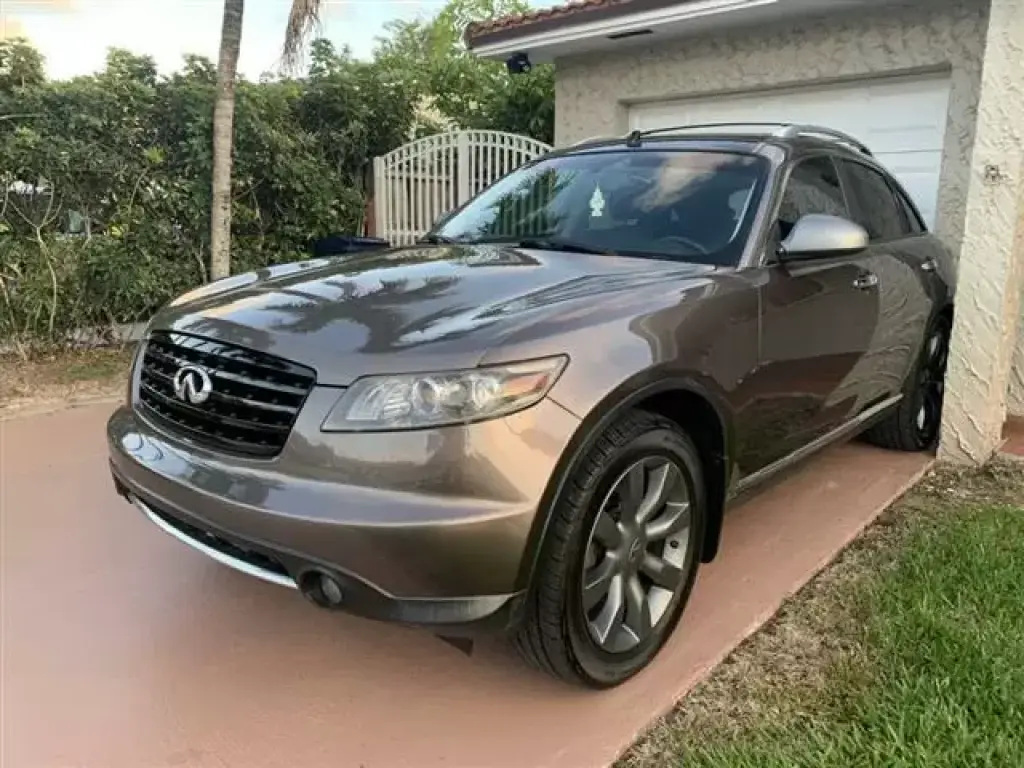
The 2006 Infiniti FX35 is equipped with a 3.5-liter V6 engine (VQ35DE) that produces 280 horsepower at 6,200 rpm and 270 pound-feet of torque at 4,800 rpm. This power output, combined with its distinct crossover design, cemented the FX35 as a performance-oriented vehicle in the mid-2000s luxury market, balancing engine responsiveness with the utility of an all-wheel-drive platform.
The Engineering Behind the 2006 Infiniti FX35 Performance
The 2006 Infiniti FX35 serves as a notable case study in early 2000s automotive engineering. At the heart of the vehicle lies the VQ35DE engine, a powerplant that earned a reputation for reliability and high-revving performance. This 3.5-liter dual overhead cam (DOHC) 24-valve V6 engine was a cornerstone of the Nissan/Infiniti lineup during this era, and its implementation in the FX35 was tuned to provide the sporty character that the brand marketed toward enthusiasts.
With 280 horsepower, the FX35 was designed to compete with performance crossovers that prioritized driving dynamics over sheer off-road capability. The engine utilizes an aluminum block and heads to reduce weight, which aids in the vehicle's handling balance. The power delivery is linear, allowing the SUV to move with a sense of urgency that was uncommon for the segment at the time of its release.
Powertrain Integration and Transmission
The horsepower of the 2006 FX35 is only one piece of the performance puzzle. The engine is mated to a 5-speed automatic transmission featuring a manual shift mode, which allows drivers to hold gears longer—an essential feature for extracting the most from the engine's peak power band. This transmission utilizes an electronically controlled design that incorporates "Downshift Rev Matching," which helps maintain the vehicle's poise during spirited driving by smoothing out transitions when shifting down to access more torque.
The power is sent either to the rear wheels or through an advanced ATTESA E-TS all-wheel-drive system. This system is designed to distribute torque between the front and rear wheels based on road conditions and driver input. It is important to note that while this system enhances traction and performance, it does not rely on a low-range transfer case, reinforcing the FX35's status as a "sport crossover" rather than a traditional SUV.
Performance Comparisons: AWD vs. RWD
When analyzing the 2006 Infiniti FX35, it is helpful to understand how the drivetrain configuration impacts the driving experience. Both the rear-wheel-drive (RWD) and all-wheel-drive (AWD) models feature the same 280-horsepower output. However, the difference in curb weight between the two models influences the effective power-to-weight ratio.
| Feature | RWD Model | AWD Model |
|---|---|---|
| Engine | 3.5L V6 (VQ35DE) | 3.5L V6 (VQ35DE) |
| Horsepower | 280 hp @ 6,200 rpm | 280 hp @ 6,200 rpm |
| Torque | 270 lb-ft @ 4,800 rpm | 270 lb-ft @ 4,800 rpm |
| Transmission | 5-Speed Automatic | 5-Speed Automatic |
| Weight Impact | Lighter; higher power-to-weight | Heavier; increased traction |
The AWD version, while slightly heavier due to the transfer case and front differential components, provides superior acceleration off the line in compromised traction scenarios. The RWD model is often preferred by enthusiasts who prioritize a lighter front end and more traditional steering feel.
Factors Affecting Horsepower Over Time
By 2026, many 2006 Infiniti FX35 units have surpassed two decades of service. If you are assessing the horsepower of an aging vehicle, it is vital to understand that the "factory-rated" 280 horsepower may not reflect the actual output today. Several factors contribute to engine power degradation over high mileage:
- Carbon Buildup: Over thousands of miles, carbon deposits can accumulate on intake valves and fuel injectors, restricting airflow and degrading combustion efficiency.
- Air Intake Efficiency: A dirty mass airflow (MAF) sensor or a clogged air filter can starve the engine of oxygen, preventing it from reaching its theoretical maximum power.
- Ignition Timing and Spark Plugs: Worn spark plugs or ignition coils that are not firing optimally will cause misfires or incomplete combustion, leading to a noticeable drop in power.
- Exhaust Restrictions: Over time, the catalytic converters may become partially obstructed or damaged, which increases backpressure and stifles the engine’s ability to "breathe" at high RPMs.
Maintaining Optimal Power Output
To ensure an aging FX35 operates as close to its original 280-horsepower specification as possible, regular maintenance is required. Owners looking to verify or restore performance should focus on the following service items:
- Fuel System Cleaning: Utilizing high-quality fuel system cleaners or professional cleaning services can help clear injectors and improve the fuel spray pattern.
- Sensor Health: The MAF sensor is critical for the ECU to calculate the correct air-fuel mixture. Cleaning it with specialized spray can often restore responsiveness.
- Vacuum Leaks: As rubber hoses age, they become brittle and crack. Vacuum leaks can cause the engine to run lean, triggering the Check Engine Light and pulling timing, which significantly reduces performance.
- Quality Fuel: Using the premium unleaded fuel recommended by the manufacturer is non-negotiable. The VQ35DE is tuned for higher octane; using lower-grade fuel will cause the ECU to retard ignition timing to prevent engine knock, directly resulting in a loss of horsepower.
The Role of the VQ35DE Legacy
The VQ35DE engine powering the 2006 FX35 is widely regarded as one of the most significant V6 engines produced in the early 2000s. Its widespread use across the Nissan and Infiniti lineup—from the 350Z to the Maxima—means that parts availability and expert knowledge regarding its performance characteristics are exceptionally high in 2026.
When discussing the horsepower of this vehicle, it is important to acknowledge that the "sportiness" felt by the driver is as much about the torque curve as it is about the peak horsepower figure. The engine provides a robust mid-range punch, making the vehicle feel quick in urban driving and capable during highway passing, even if the absolute peak power figure is modest by modern standards.
Common Misconceptions Regarding FX Performance
A common point of confusion for owners is the difference between the FX35 and the FX45. While the FX35 produces 280 horsepower, the 2006 FX45 features a 4.5-liter V8 (VK45DE) that produces 320 horsepower. It is a common mistake to assume that the FX35 can be easily "tuned" to match the power of the V8 model. While performance modifications such as cold air intakes, performance exhausts, or ECU reflashing are available, they typically provide only modest gains in naturally aspirated engines. Achieving significant increases in horsepower for the VQ35DE usually requires forced induction (such as a turbocharger or supercharger kit), which involves significant expense and potential long-term reliability trade-offs.
Professional Advice and Considerations
If you are considering the purchase of a 2006 Infiniti FX35 in 2026 for its performance qualities, perform a thorough pre-purchase inspection. A dynamometer test (dyno) can confirm the engine's current power output, but a more practical test is a compression and leak-down test. These tests identify internal engine health, ensuring that the cylinders are capable of producing the rated power.
Additionally, listen for timing chain rattle, a known issue in some VQ-series engines that can indicate future performance degradation. If the engine is struggling to reach its power potential, do not assume it requires a rebuild; often, a thorough tune-up focusing on air intake, fuel delivery, and ignition components will resolve the issue. Always prioritize original equipment manufacturer (OEM) sensors and parts when replacing performance-critical components to ensure the computer system (ECU) manages the engine parameters exactly as engineered.
Frequently Asked Questions
Does the 2006 Infiniti FX35 require premium fuel? Yes, the 3.5-liter V6 engine is designed to operate best on premium unleaded gasoline (91 octane or higher). Using lower octane fuel can lead to engine "pinging" and will force the engine computer to reduce ignition timing, which lowers the available horsepower.
How does the 2006 FX35 compare to modern crossovers? While modern crossovers often achieve higher horsepower through smaller, turbocharged engines, the 2006 FX35’s naturally aspirated V6 offers a specific throttle response that many drivers prefer. However, in terms of fuel efficiency and advanced transmission gear counts, modern vehicles generally outperform the 2006 model.
Can I increase the horsepower of my 2006 FX35 easily? Modifications like aftermarket intake systems or exhaust upgrades might provide small, incremental improvements in engine sound and throttle response, but they rarely offer a significant "seat-of-the-pants" increase in horsepower. Major power gains would require expensive forced induction systems.
Why does my 2006 FX35 feel sluggish at high mileage? Sluggishness in a vehicle of this age is typically caused by deferred maintenance. Clogged fuel injectors, a dirty MAF sensor, old spark plugs, or vacuum leaks are the most common culprits. Addressing these items often restores much of the original engine performance.
Is the AWD system in the 2006 FX35 a permanent 4WD system? No, it is an intelligent AWD system that primarily drives the rear wheels and sends power to the front wheels only when slippage is detected. This design prioritizes the "sporty" rear-wheel-drive feel while maintaining a safety margin for inclement weather.
Should I use an aftermarket chip to gain horsepower? Be cautious with aftermarket "chips" or "tuners." Many low-cost options simply trick the computer into running rich, which can increase fuel consumption without providing meaningful horsepower gains and may potentially harm your catalytic converters over time.
Next Steps for Owners and Enthusiasts
To maintain the performance of your 2006 Infiniti FX35, focus on a rigorous, proactive maintenance schedule. Ensure your cooling system is in top shape, as heat is the primary enemy of any engine attempting to hit its peak power rating. If you feel that your vehicle is not performing at its 280-horsepower potential, begin by replacing the spark plugs and cleaning the throttle body and mass airflow sensor. These three steps are the most cost-effective ways to restore lost performance. For those planning to keep their FX35 for many years to come, maintaining the integrity of the engine's cooling and ignition systems will ensure that the VQ35DE continues to provide the responsive driving experience for which it was engineered.