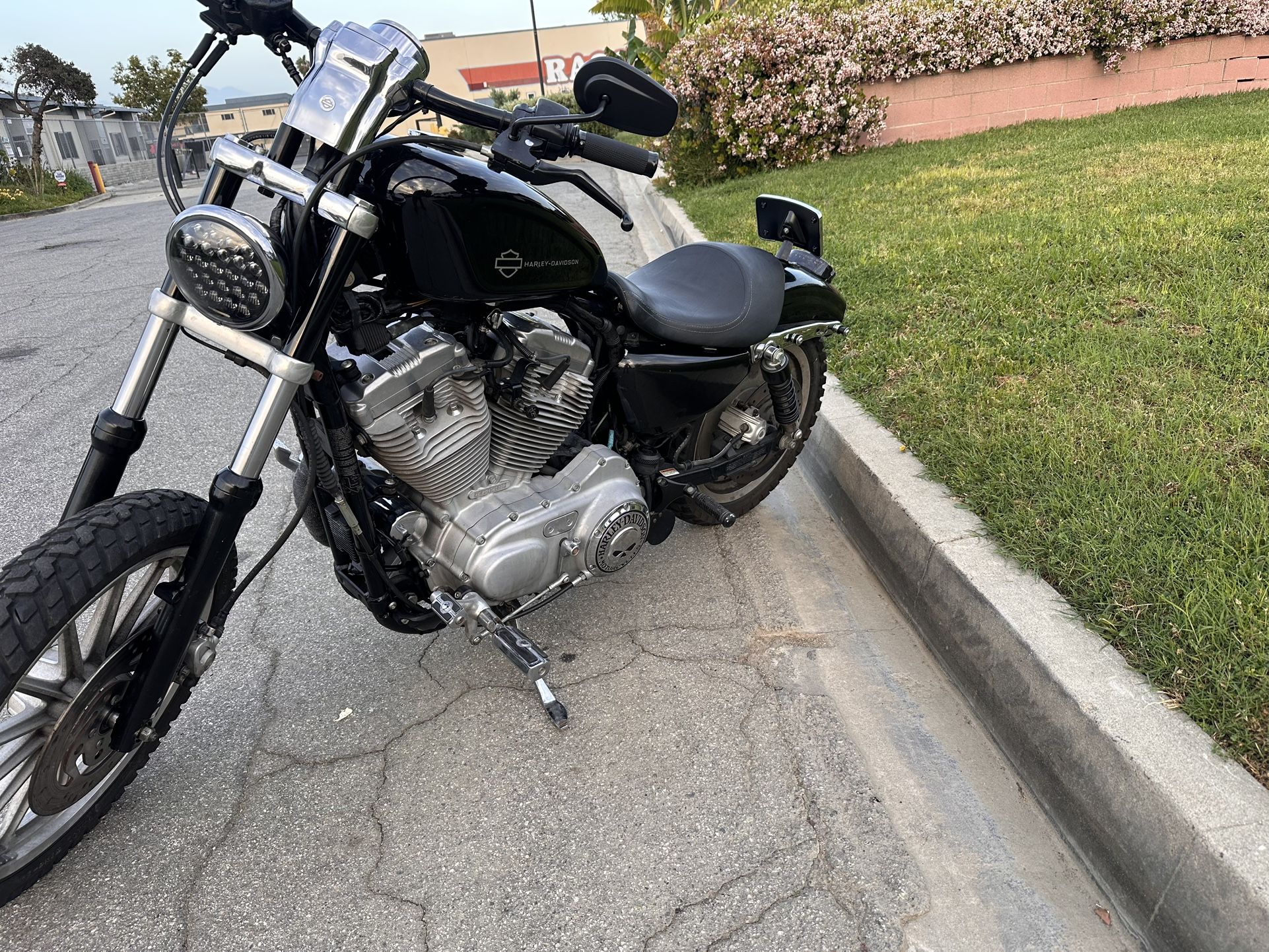
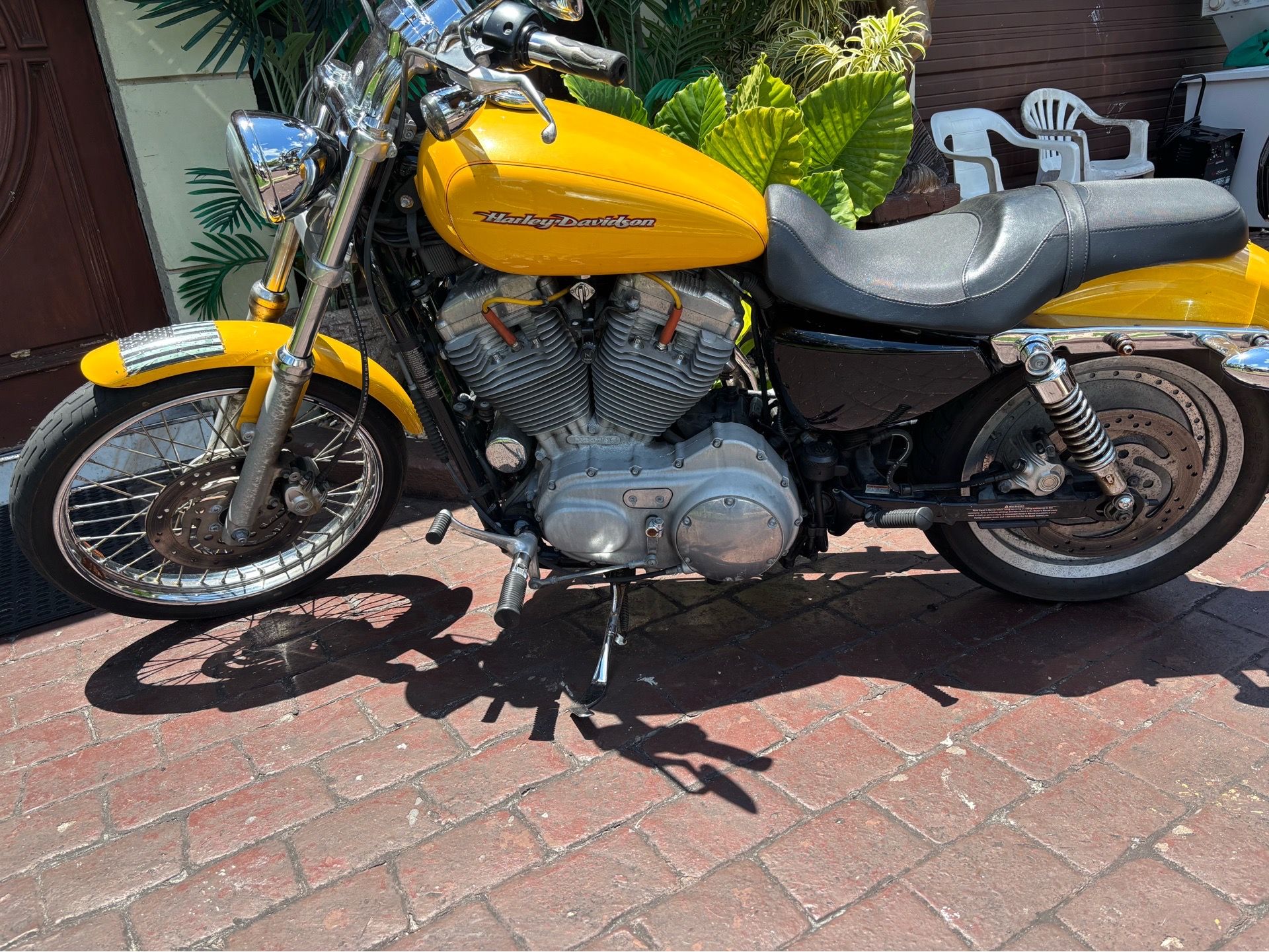
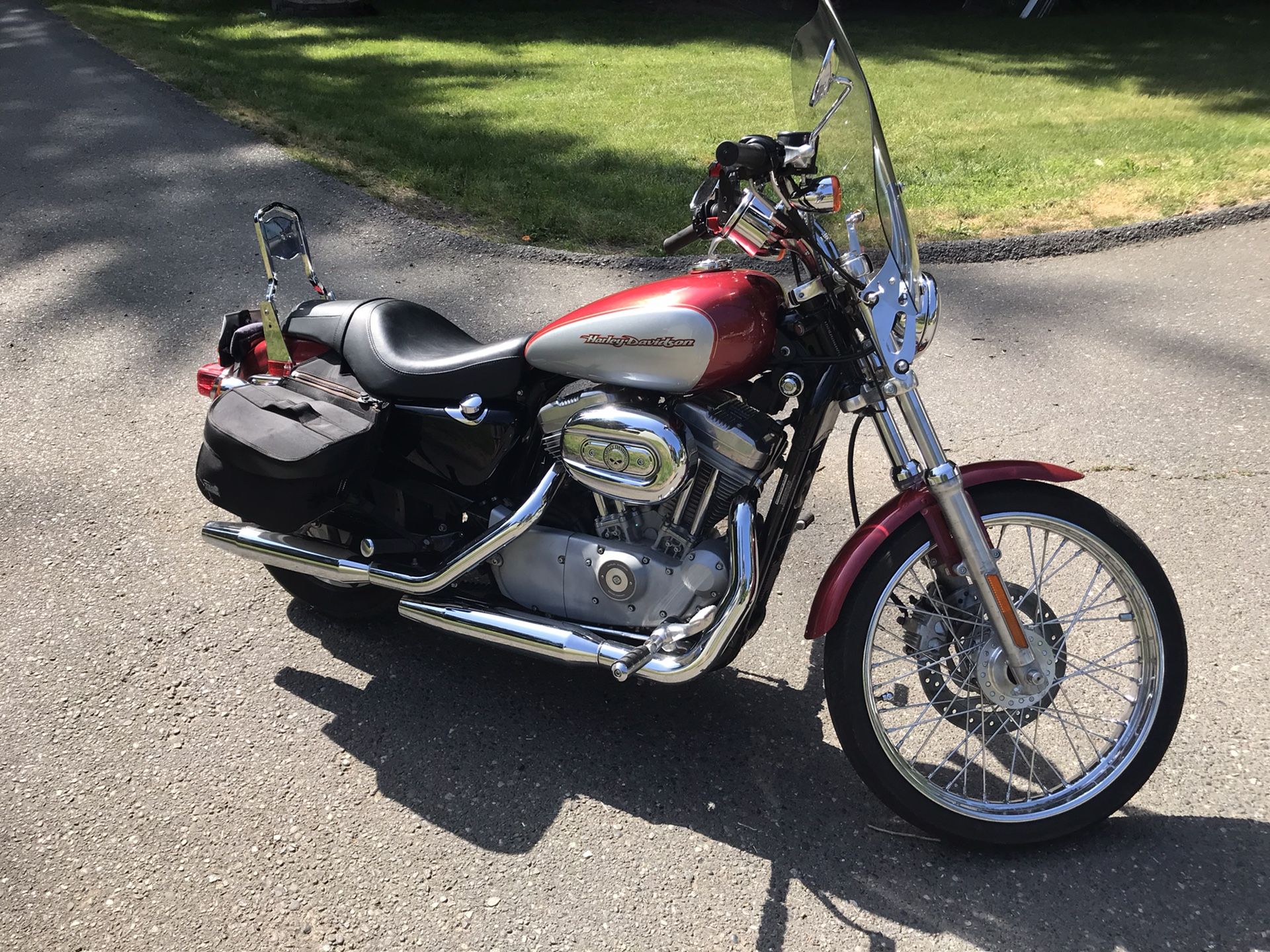
The 2005 Harley-Davidson Sportster 883 represents a pivotal transitional era for Milwaukee’s iconic entry-level cruiser, bridging the gap between vintage, rigid-mounted mechanical simplicity and modern, rubber-isolated comfort. Equipped with an 883cc air-cooled Evolution V-twin engine, this model year marks the second year of a major 2004 frame redesign that overhauled the chassis, added rubber engine mounts to tame vibrations, and widened the rear tire, making it one of the most historically significant and enduring platforms for riders entering the Harley-Davidson ecosystem.
Introduction and Historical Context of the 2005 Model Year
Understanding the 2005 Harley-Davidson Sportster 883 requires examining the engineering evolution of the Sportster family. Introduced in 1957, the Sportster line earned a reputation as a raw, high-performance machine characterized by a direct connection to the road. However, by the early 2000s, riders increasingly demanded better comfort, improved highway manners, and modern chassis stability without sacrificing the unmistakable aesthetic and acoustic character of the Evolution V-twin.
In 2004, Harley-Davidson introduced a completely redesigned frame, a stiffer swingarm, and rubber engine mounting. The 2005 model year inherited these structural upgrades while refining manufacturing tolerances, electrical reliability, and component finish. For prospective buyers, restorers, and enthusiasts navigating the used market in 2026, the 2005 Sportster 883 stands out as an exceptionally balanced machine. It retains the carburetors and mechanical simplicity prized by traditionalists while delivering the reduced vibration and improved handling introduced by the mid-2000s frame overhaul.
Technical Specifications and Engineering Breakdown
The heart of the 2005 Harley-Davidson Sportster 883 is its air-cooled, four-stroke, Evolution V-twin engine. Displacing 53.9 cubic inches (883cc), the engine features a bore of 3.0 inches (76.2 mm) and a stroke of 3.8 inches (96.8 mm). Compression is set at 8.9:1, allowing the engine to run reliably on standard pump gasoline without requiring high-octane fuels.
Unlike later fuel-injected iterations that arrived in the 2007 model year, the 2005 model relies on a single 40mm constant-velocity (CV) carburetor with an enrichment circuit (choke) for cold starts. This fuel delivery system is famously serviceable, making it a favorite for riders who prefer tuning and maintenance without diagnostic computers or electronic control modules.
The powertrain is mated to a 5-speed transmission via a primary chain drive, utilizing a wet multi-plate clutch and a clean, low-maintenance carbon-fiber reinforced belt final drive. Power transfer is direct and linear, engineered to maximize low-end torque rather than peak horsepower. While exact factory horsepower ratings varied slightly by exhaust and tuning specifications, the engine typically produces around 50 horsepower at 6,000 RPM and approximately 51 lb-ft of torque at 4,500 RPM.
Chassis and Suspension Architecture
The 2005 chassis overhaul fundamentally altered how the Sportster handled rough road surfaces. The previous rigid-mounted engine transferred significant high-frequency vibration directly to the rider through the handlebars, footpegs, and saddle. The 2005 rubber-mounted frame isolates the engine from the chassis at multiple strategic points, dramatically smoothing out cruising speeds.
- Frame: Mild steel tubular frame with a stiffer backbone and rectangular swingarm.
- Front Suspension: 39mm non-adjustable telescopic fork with 5.9 inches of wheel travel.
- Rear Suspension: Dual coil-over shocks with adjustable spring preload (utilizing a spanner wrench), offering 2.1 inches of wheel travel.
- Brakes: Single front disc with a dual-piston caliper and a single rear disc with a single-piston caliper, providing predictable, balanced stopping power for a machine weighing roughly 555 pounds wet.
Variants of the 883 Family in 2005
Harley-Davidson offered the 883 platform in multiple configurations to suit different rider heights, riding styles, and aesthetic preferences. The standard XL 883 served as the baseline model, featuring mid-controls, standard suspension height, and a classic solo or dual-capable setup depending on regional specifications.
The XL 883C (Custom) introduced distinct styling cues designed to mimic larger big-twin cruisers. It featured a larger 4.5-gallon fuel tank (compared to the standard 3.3-gallon peanut tank), wire-spoked front wheels paired with a solid aluminum disc rear wheel, forward-mounted foot controls, pull-back handlebars, and a stepped two-up seat. These modifications made the Custom variant popular for riders seeking extended cruising range and a more relaxed, legs-forward riding posture.
Additionally, the XL 883R (Roadster) catered to riders preferring traditional flat-track racing aesthetics. It featured dual front disc brakes, blacked-out engine treatments, tachometer instrumentation, mid-controls, and specialized orange-and-black graphics reminiscent of the legendary Harley-Davidson XR-750 flat-track racer.
Buying Guide: Evaluating a Used 2005 Sportster 883
Because the 2005 model is more than two decades old, purchasing one requires careful inspection. While the Evolution engine is famously robust—often capable of exceeding 100,000 miles with basic maintenance—neglect, poor modifications, and weather exposure can introduce complications.
Key Inspection Points
- Carburetor Health: Check for fuel leaks around the float bowl and accelerator pump diaphragm. Ethanol-blended fuels can degrade rubber components and clog pilot jets if the motorcycle has been sitting for extended periods with stale gas.
- Rubber Mounts: Inspect the rubber engine isolation mounts for cracking, sagging, or dry rot. A sagging front or rear mount will allow the engine to contact the frame, resulting in severe handlebar and chassis vibration.
- Primary Drive and Clutch: Listen for excessive primary chain rattle upon startup. Test the clutch engagement point; a slipping clutch indicates worn friction plates or incorrect cable adjustment.
- Electrical System: Examine the wiring harness, particularly around the steering head where frequent turning can pinch wires. Verify that the voltage regulator and stator are charging the battery properly (charging output should read roughly 13.5 to 14.5 volts at moderate RPM).
- Rust and Fasteners: Inspect the lower frame rails, exhaust headers, and wheel spokes for surface rust, particularly if the machine originated from northern or coastal climates where road salt or humidity accelerates corrosion.
| Feature / Specification | XL 883 (Standard) | XL 883C (Custom) | XL 883R (Roadster) |
|---|---|---|---|
| Fuel Capacity | 3.3 gallons (12.5 L) | 4.5 gallons (17.0 L) | 3.3 gallons (12.5 L) |
| Front Brakes | Single Disc | Single Disc | Dual Disc |
| Foot Controls | Mid-Controls | Forward Controls | Mid-Controls |
| Front Wheel | 19-inch Spoked / Cast | 21-inch Spoked | 19-inch Spoked |
| Instrumentation | Speedometer | Speedometer | Speedometer & Tachometer |
Maintenance, Customization, and Upgrades
One of the greatest advantages of owning a 2005 Harley-Davidson Sportster 883 is the virtually limitless availability of aftermarket parts and the relative ease of home wrenching. Because basic mechanical tools are sufficient for most routine tasks, owners can perform their own oil changes, primary fluid swaps, brake pad replacements, and carburetor cleaning without specialized diagnostic equipment.
Routine Service Intervals
- Engine Oil and Filter: Every 5,000 miles (utilizing a high-grade 20W-50 motorcycle-specific oil).
- Primary/Transmission Fluid: Every 10,000 miles, though many owners change it annually.
- Drive Belt Tension and Alignment: Checked every 5,000 miles; inspected for fraying or missing teeth.
- Valve Train: The Sportster engine uses self-adjusting hydraulic lifters, eliminating the need for manual valve clearance adjustments.
Common Modifications
Many owners eventually choose to modify their 883 to enhance performance or aesthetics. Two of the most frequent upgrades include:
- Stage 1 Performance Upgrade: Combining a high-flow air cleaner, free-flowing slip-on mufflers or a full exhaust system, and re-jetting the carburetor. This unleashes trapped horsepower, sharpens throttle response, and deepens the signature Harley exhaust note.
- Displacement Conversion: Because the 883 and 1200 Evolution engines share identical bottom-end crankcases, many riders eventually install a 1200cc cylinder and piston kit (often referred to as an "883-to-1200 conversion"). This is a cost-effective way to achieve big-twin power while retaining the lower initial purchase price of an 883.
- Suspension Upgrades: While the 2004+ frame was a massive improvement, factory rear shocks remain stiff. Upgrading to aftermarket cartridge fork inserts and nitrogen-charged rear shocks significantly improves ride compliance and cornering clearance.
Common Troubleshooting and Known Issues
While generally reliable, 2005 Sportster 883 owners occasionally encounter specific model-quirks:
- Hard Starting in Cold Weather: Because of strict factory lean-mixture emissions tuning from the factory, these carburetors often require precise choke management and proper warm-up cycles. Installing a slightly larger slow jet (e.g., a #45 pilot jet instead of the stock lean jet) typically resolves cold-start stumbling.
- Base Gasket Weeps: Early rubber-mount Evolution engines occasionally develop minor oil weeping at the cylinder base gaskets. While usually cosmetic rather than catastrophic, monitoring oil levels closely is essential.
- Starter Solenoid Click: If the starter button results in a rapid clicking sound, it generally indicates a weak battery, loose battery terminals, or a failing starter relay rather than a dead starter motor.
Frequently Asked Questions
Is a 2005 Harley-Davidson Sportster 883 a good beginner motorcycle?
Yes. Its relatively low seat height (roughly 27 to 28 inches depending on the model), manageable power delivery, and predictable handling make it a classic choice for novice riders who have completed a motorcycle safety course. However, prospective buyers should respect its dry weight of over 500 pounds during low-speed parking lot maneuvers.
Can a 2005 Sportster 883 comfortably handle highway speeds?
Yes. The 5-speed transmission allows the motorcycle to maintain comfortable cruising speeds of 65 to 75 MPH without straining the engine. However, because it lacks a fairing or windshield on standard models, sustained highway riding exposes the rider to wind blast, which can induce fatigue on long trips.
Is the 2005 model carbureted or fuel-injected?
The 2005 model is carbureted. Harley-Davidson did not introduce electronic fuel injection (EFI) to the Sportster line until the 2007 model year. This makes 2005 an appealing year for purists who prefer working on traditional carburetors.
What kind of fuel economy does the 2005 Sportster 883 get?
Under mixed riding conditions, most riders report achieving between 45 and 55 miles per gallon (MPG). With the standard 3.3-gallon tank, this translates to a practical riding range of roughly 130 to 150 miles before needing reserve or a refill.
How difficult is it to convert an 883 to a 1200?
Mechanically straightforward. Because the engine blocks share the same stroke and crankcase geometry, the conversion requires boring or replacing the cylinders, installing 1200cc pistons, and re-jetting the carburetor to compensate for the increased displacement. Many independent shops and experienced DIYers complete this modification routinely.
Conclusion and Final Recommendation
The 2005 Harley-Davidson Sportster 883 stands as a mechanical sweet spot in modern cruiser history. By pairing the classic analog simplicity of a carbureted Evolution V-twin with the comfort of a rubber-isolated frame, it delivers an authentic motorcycling experience without the punishing vibrations of older rigid-mount models. Whether purchased as a dependable daily commuter, an affordable entry point into cruiser ownership, or a blank canvas for custom chopper and cafe racer builds, a well-maintained 2005 Sportster 883 offers timeless style and enduring mechanical reliability. Always verify service records, inspect the rubber mounts and carburetor health, and ensure proper title documentation before finalizing a purchase on the used market.