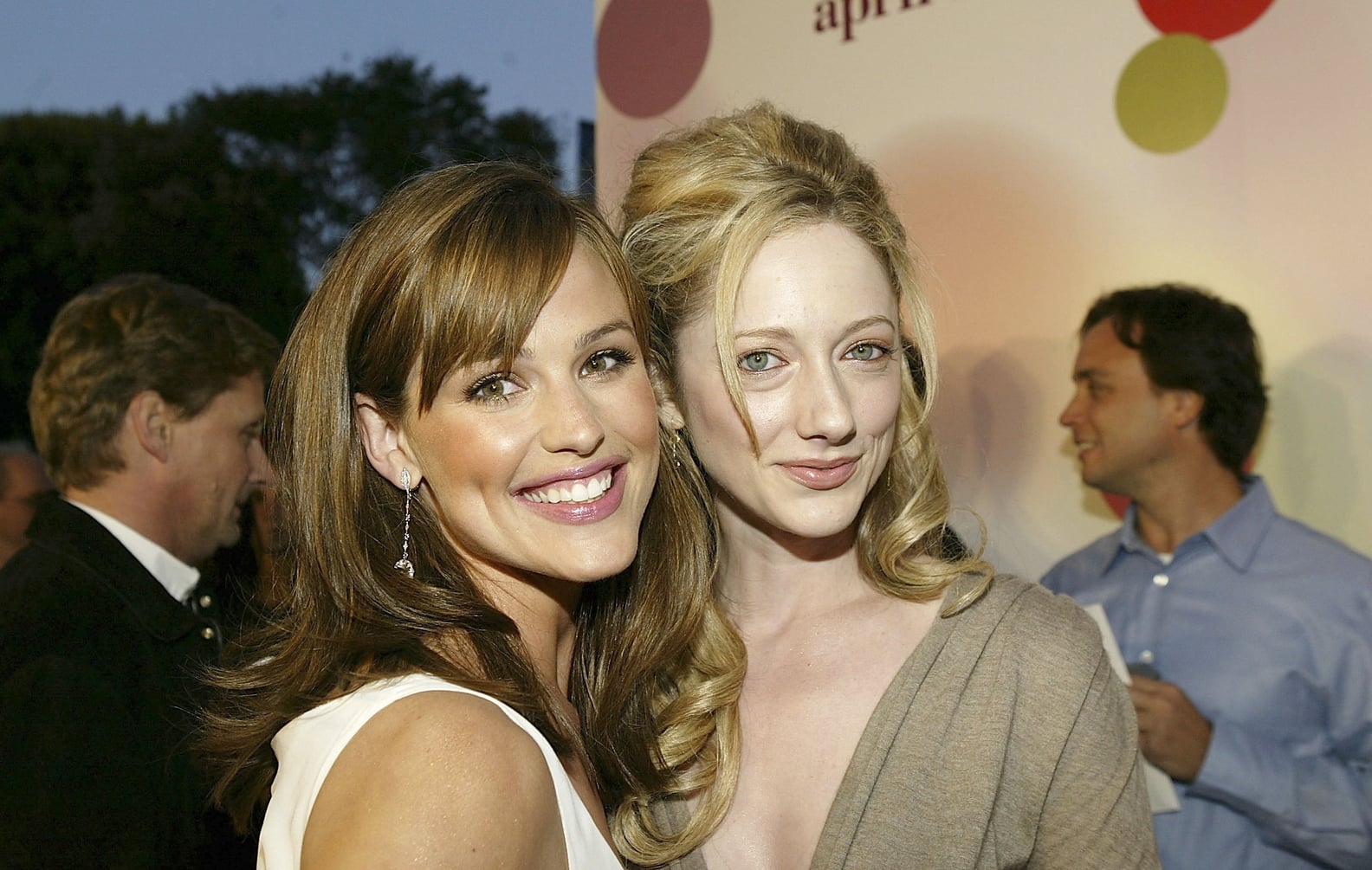
In the 2004 romantic comedy 13 Going on 30, Judy Greer delivers a definitive performance as Lucy "Tom-Tom" Wyman, the sophisticated yet treacherous antagonist to Jennifer Garner’s Jenna Rink. As of 2026, the film remains a cultural touchstone of the early 2000s, largely due to the chemistry between its leads and Greer’s impeccable ability to balance comedic timing with the "mean girl" archetype. Greer’s portrayal of Lucy served as a significant milestone in her career, solidifying her reputation as one of Hollywood’s most versatile and recognizable character actresses.
The Role of Lucy "Tom-Tom" Wyman
To understand Judy Greer’s impact on 13 Going on 30, one must analyze the dual nature of her character, Lucy Wyman. The film’s narrative spans two timelines: 1987 and 2004. In the 1987 prologue, Lucy (played as a teenager by Alexandra Kyle) is the leader of the "Six Chicks," the elite clique that thirteen-year-old Jenna Rink desperately wants to join. Lucy is manipulative from the start, tricking Jenna into doing her homework in exchange for the promise of social status.
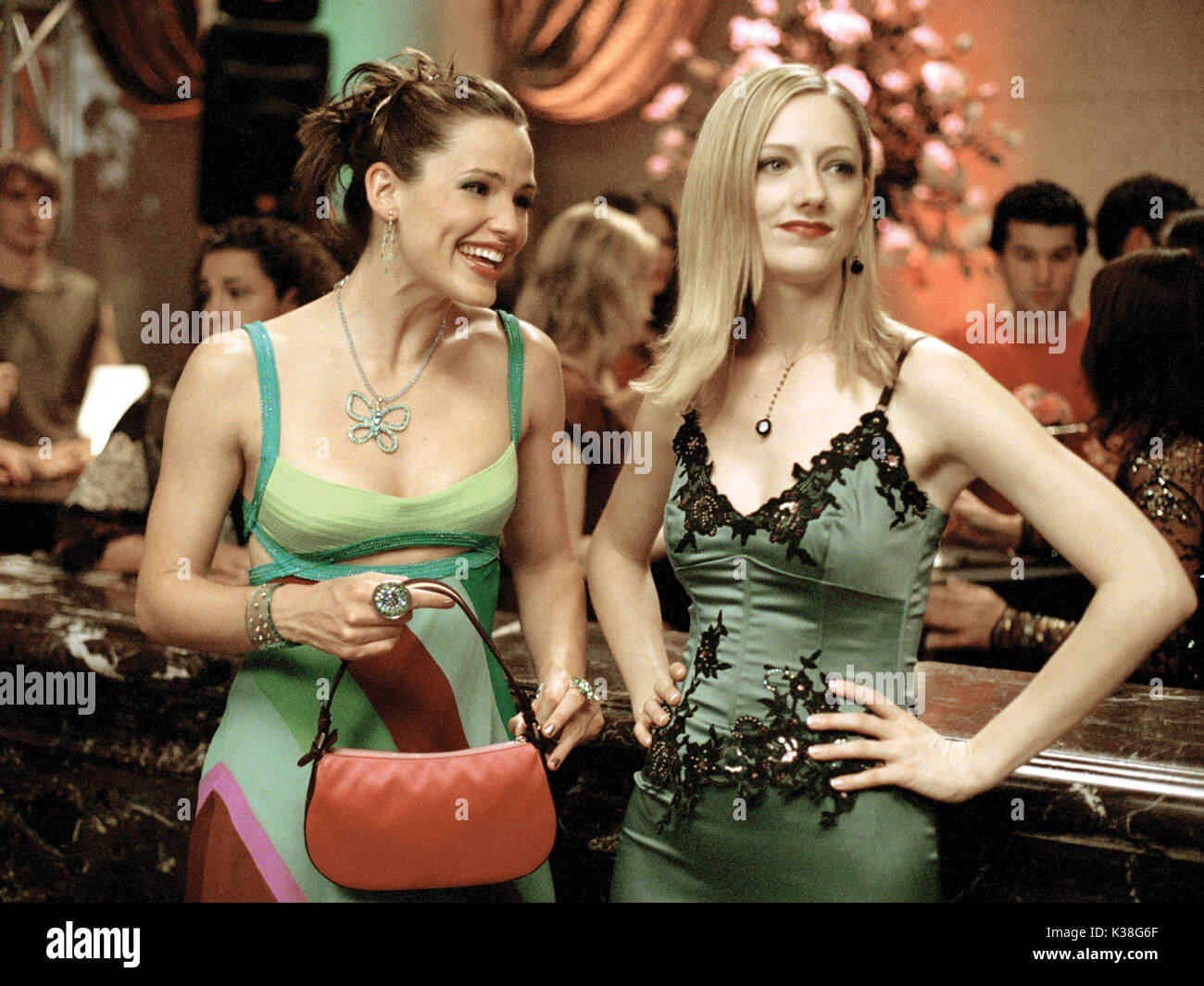
When Jenna wakes up in 2004 as a thirty-year-old woman, she discovers that her childhood tormentor has become her "best friend" and professional colleague. Judy Greer takes over the role for the adult portion of the film. As an adult, Lucy is a high-powered editor at Poise magazine. She is the epitome of the early-2000s corporate "it-girl"—sharply dressed, linguistically biting, and perpetually seeking to climb the social and professional ladder.
Greer’s Lucy is a masterclass in passive-aggression. Unlike the cartoonish villains found in some teen comedies, Lucy Wyman is grounded in a recognizable reality. She is the friend who gives backhanded compliments and the colleague who will steal an idea the moment a back is turned. Greer plays these moments with a subtle glint in her eye, making Lucy’s eventual betrayal feel both inevitable and deeply personal to the audience.
Judy Greer’s Comedic Timing and Acting Style
One of the reasons Judy Greer was so effective in 13 Going on 30 is her unique approach to physical comedy and dialogue delivery. While Jennifer Garner’s Jenna Rink provides the film’s "heart" through wide-eyed innocence, Greer provides the "edge."
The Art of the Reaction Shot
Greer is often cited by directors and fellow actors as a "scene-stealer," and this film is perhaps the best evidence of that. Her reaction shots during Jenna’s more juvenile outbursts—such as Jenna’s excitement over "Razzles" or her impromptu "Thriller" dance—are comedic gold. Greer manages to convey a mixture of horror, judgment, and professional concern without saying a single word. This "straight man" energy is essential for the film’s humor to land; without Lucy’s grounded cynicism, Jenna’s antics might have felt too detached from reality.
Verbal Precision
The script for 13 Going on 30, written by Josh Goldsmith and Cathy Yuspa, gave Greer plenty of sharp dialogue to work with. She delivers lines with a clipped, professional cadence that highlights Lucy’s obsession with her image. Whether she is criticizing a layout for the magazine or dismissing a romantic prospect, Greer’s delivery is consistently polished. This contrast between her outward sophistication and her inner "Six Chick" provides the necessary friction that drives the film's second-act conflict.
The Cultural Impact of the "Mean Girl" Archetype
The early 2000s were a golden era for the "Mean Girl" trope in cinema, with films like Mean Girls, Bring It On, and Jawbreaker defining the archetype. Judy Greer’s Lucy Wyman occupies a specific niche within this trend: the adult mean girl.
While Regina George (Rachel McAdams) represented the high school version of this character, Lucy Wyman showed audiences what happens when those traits are carried into adulthood and a professional environment. In 2026, looking back at the evolution of women in film, Lucy stands out as a precursor to the "girlboss" trope—a character who uses the language of empowerment and friendship to mask ruthless ambition.
Greer’s performance helped humanize this trope. Even as Lucy acts as the antagonist, there is a sense of desperate insecurity beneath her polished exterior. She is constantly afraid of being replaced or becoming irrelevant, which mirrors the very fears that Jenna faces throughout the movie. By making Lucy a three-dimensional person rather than a caricature, Greer elevated the film from a simple fairy tale to a nuanced commentary on female friendship and competition.
Shaping Judy Greer’s Career Trajectory
Before 13 Going on 30, Judy Greer was already a working actress with notable roles in films like Jawbreaker and The Wedding Planner. However, her performance as Lucy Wyman cemented her status as the go-to actress for the "best friend" or "rival" role.
In fact, Greer later titled her 2014 autobiographical essay collection, I Don't Know What You Know Me From: My Life as a Co-Star, a nod to the fact that while audiences recognized her face and her iconic roles like Lucy, they often couldn't place her name.
Transitioning Beyond the Sidekick
While 13 Going on 30 could have pigeonholed her, Greer used the visibility from the film to pivot into a diverse range of projects. Following the film's success, she took on roles in:
- Arrested Development: As Kitty Sanchez, demonstrating her range in surrealist, high-concept comedy.
- Archer: Providing the voice for Cheryl Tunt, a character that arguably dialed Lucy Wyman’s craziness up to eleven.
- The Halloween Trilogy (2018–2022): Showing her capability in the horror genre as Karen Nelson.
- Independent Film: Taking lead roles in smaller dramas that showcased her emotional depth beyond comedy.
Even as she expanded her filmography, the character of Lucy Wyman remained a fan favorite. In retrospectives held in 2024 for the film's 20th anniversary, Greer noted that fans still approach her to quote lines from the "Thriller" dance sequence or to ask if she actually likes Razzles.
Behind the Scenes: The Making of an Antagonist
Director Gary Winick sought a specific energy for the role of Lucy. He needed someone who could stand toe-to-toe with Jennifer Garner’s immense likability. According to production notes and later interviews, the casting of Judy Greer was a turning point for the production.
The "Thriller" Dance Sequence
One of the most famous scenes in romantic comedy history is the "Thriller" dance at the Poise party. While Jenna leads the dance, Lucy’s participation is a crucial narrative moment. Initially, Lucy is horrified by the idea of dancing to a 1980s pop song at a sophisticated corporate event.
Greer’s performance in this sequence is brilliant because she has to look like someone who is trying to look cool while doing something she finds embarrassing, only to eventually give in to the fun of the moment. Choreographer Anne Fletcher worked with the cast to ensure the dance felt spontaneous yet coordinated. Greer has mentioned in interviews that the rehearsals for this scene were some of her favorite memories from the set, as it allowed the cast to bond outside of their character’s antagonistic relationships.
Creating the Visual Identity of Lucy
The costume design for Lucy Wyman, handled by Susie DeSanto, played a major role in Greer’s characterization. In 2004, Lucy’s wardrobe was the height of fashion: sharp blazers, statement jewelry, and perfectly coiffed hair. This visual "armor" helped Greer portray a woman who had spent seventeen years crafting a persona to distance herself from the "Six Chicks" while simultaneously utilizing the same social tactics she learned in middle school.
Comparing the Characters: Lucy vs. Jenna
The dynamic between Judy Greer and Jennifer Garner is the engine that drives the movie’s plot. The film uses a classic "foil" structure, where Lucy’s traits highlight Jenna’s growth and vice-versa.
| Feature | Jenna Rink (Adult) | Lucy Wyman (Adult) |
|---|---|---|
| Core Motivation | Finding true love and authentic friendship. | Maintaining social status and career dominance. |
| View of the Past | Nostalgic and longing for simpler times. | A shameful secret to be manipulated or hidden. |
| Acting Style | Wide-eyed, physical, and emotive. | Controlled, verbal, and cynical. |
| Outcome | Learns that "being 30" is about integrity. | Remains trapped in the cycle of superficiality. |
| Defining Moment | Leading the "Thriller" dance. | Sabotaging the "Big Time" presentation. |
Why 13 Going on 30 and Judy Greer Still Matter in 2026
In 2026, the landscape of romantic comedies has shifted significantly toward streaming platforms, but 13 Going on 30 remains a staple in the rotation of "comfort movies." The film’s exploration of the "inner child" resonates with audiences who are now navigating the complexities of adult life in an increasingly digital and disconnected world.
Judy Greer’s performance is a major part of this longevity. While the "mean girl" is a trope that can easily become dated, Greer’s Lucy feels timeless because she represents a universal experience: the friend who isn't really a friend. In an era where "frenemies" and "toxic productivity" are frequently discussed, Lucy Wyman serves as a cautionary tale wrapped in a chic outfit.
Furthermore, Greer’s career has become a model for longevity in Hollywood. She has avoided the "flash-in-the-pan" stardom that many of her contemporaries experienced, instead building a body of work that is respected by critics and loved by audiences. Her role in 13 Going on 30 was the foundation for this success, proving that a supporting actor can be just as vital to a film’s success as the lead.
Frequently Asked Questions
Did Judy Greer and Jennifer Garner get along during filming?
Yes. Despite their characters being bitter rivals, Greer and Garner formed a lasting friendship on set. In various interviews over the years, including during the film's 20th-anniversary celebrations in 2024, Greer has spoken fondly of Garner’s kindness and leadership on set. They have remained supportive of each other’s careers in the decades since the film's release.
Was Judy Greer really dancing in the Thriller scene?
Yes, Judy Greer performed her own dancing in the iconic "Thriller" sequence. The cast spent several days in rehearsals with choreographer Anne Fletcher to master the moves. Greer has joked in the past that she was nervous about the dance because her character was supposed to be "too cool" for it, but she found it difficult not to have fun while filming.
Why did Lucy betray Jenna in the movie?
Lucy’s betrayal—stealing Jenna’s "Big Time" magazine concept and taking it to the rival publication Sparkle—was driven by professional jealousy and a lifelong habit of manipulation. Lucy realized that Jenna’s authentic, "un-cool" approach was actually more successful than her own calculated strategies. By stealing the idea, Lucy attempted to reclaim her position as the "top girl," proving she hadn't changed since her days as the leader of the Six Chicks.
Is Lucy Wyman based on a real person?
While Lucy is not based on a specific historical figure, she is a composite of the "corporate climbers" and "socialite editors" common in the New York magazine industry during the late 1990s and early 2000s. The character was designed to represent the antithesis of the "30, flirty, and thriving" mantra that Jenna initially aspires to.
What happened to Judy Greer's character at the end of the film?
In the original 2004 timeline, Lucy's betrayal backfires when Jenna realizes she can change the past. In the "corrected" timeline at the end of the movie, where Jenna chooses Matt over the Six Chicks, the audience is left to assume that Lucy (Tom-Tom) remained a peripheral or non-existent figure in Jenna's adult life. The film concludes with Jenna and Matt living a happy, authentic life, free from the influence of people like Lucy.
Final Recommendation for Viewers
For those revisiting 13 Going on 30 in 2026, or for those watching it for the first time, pay close attention to Judy Greer's performance in the background of scenes. While Jennifer Garner provides the magical, whimsical energy of the film, it is Greer who provides the necessary grounding.
If you are a fan of character acting, Greer’s work here is a textbook example of how to make a supporting role indispensable. Beyond the movie, it is highly recommended to explore Judy Greer’s wider filmography, particularly her voice work in Archer and her more recent dramatic turns, to see the full range of an actress who first captured our hearts (and our frustration) as the unforgettable Lucy Wyman.