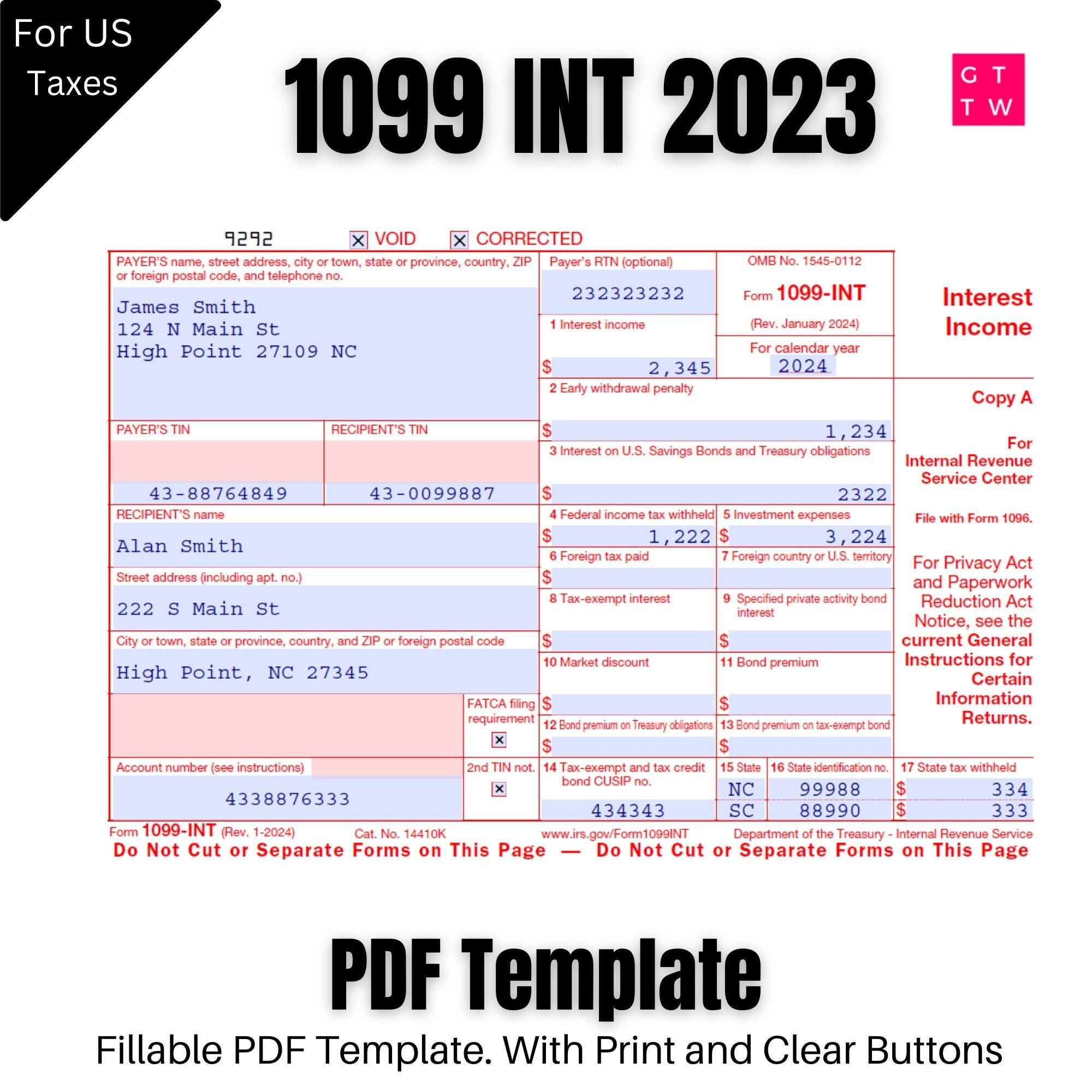
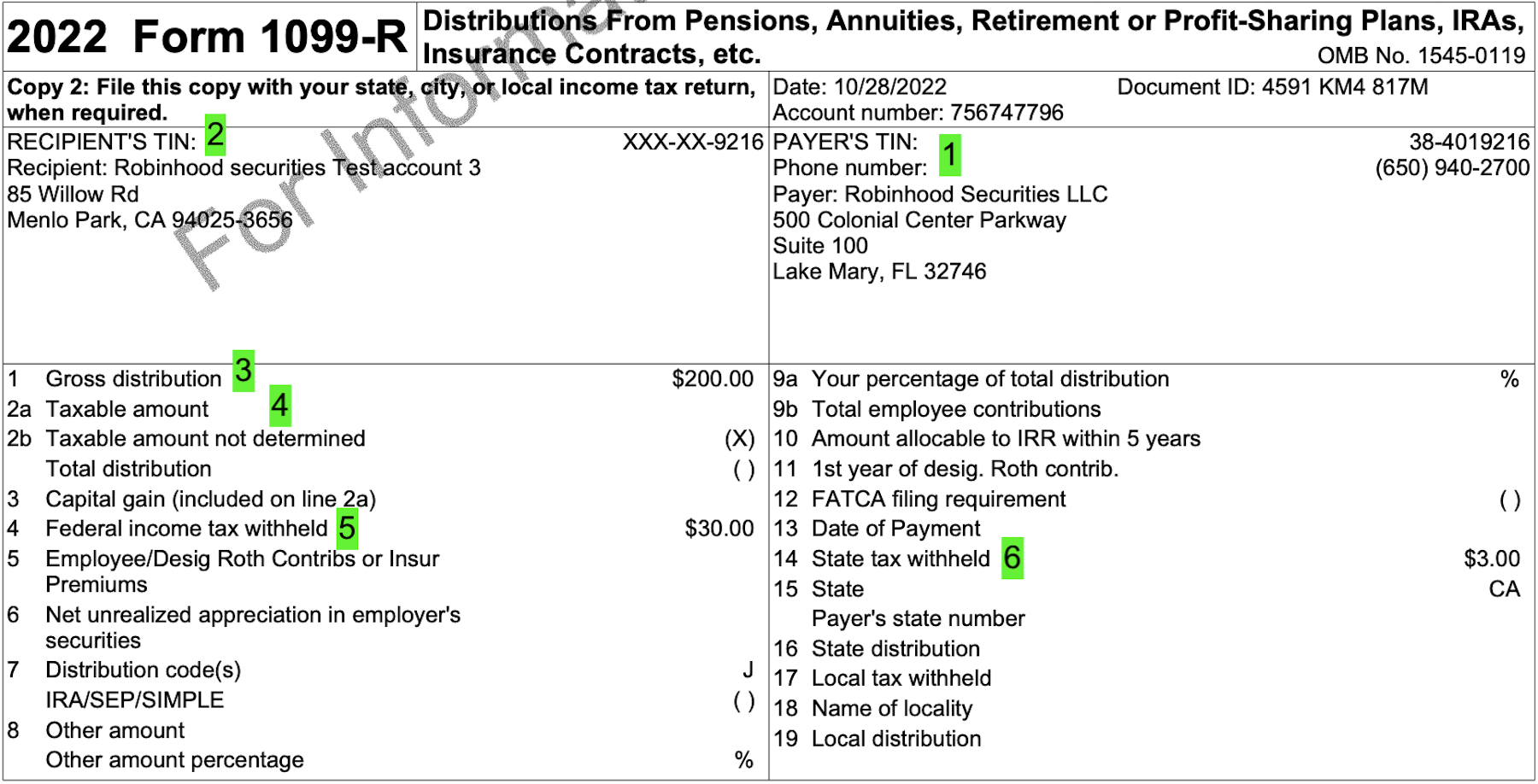
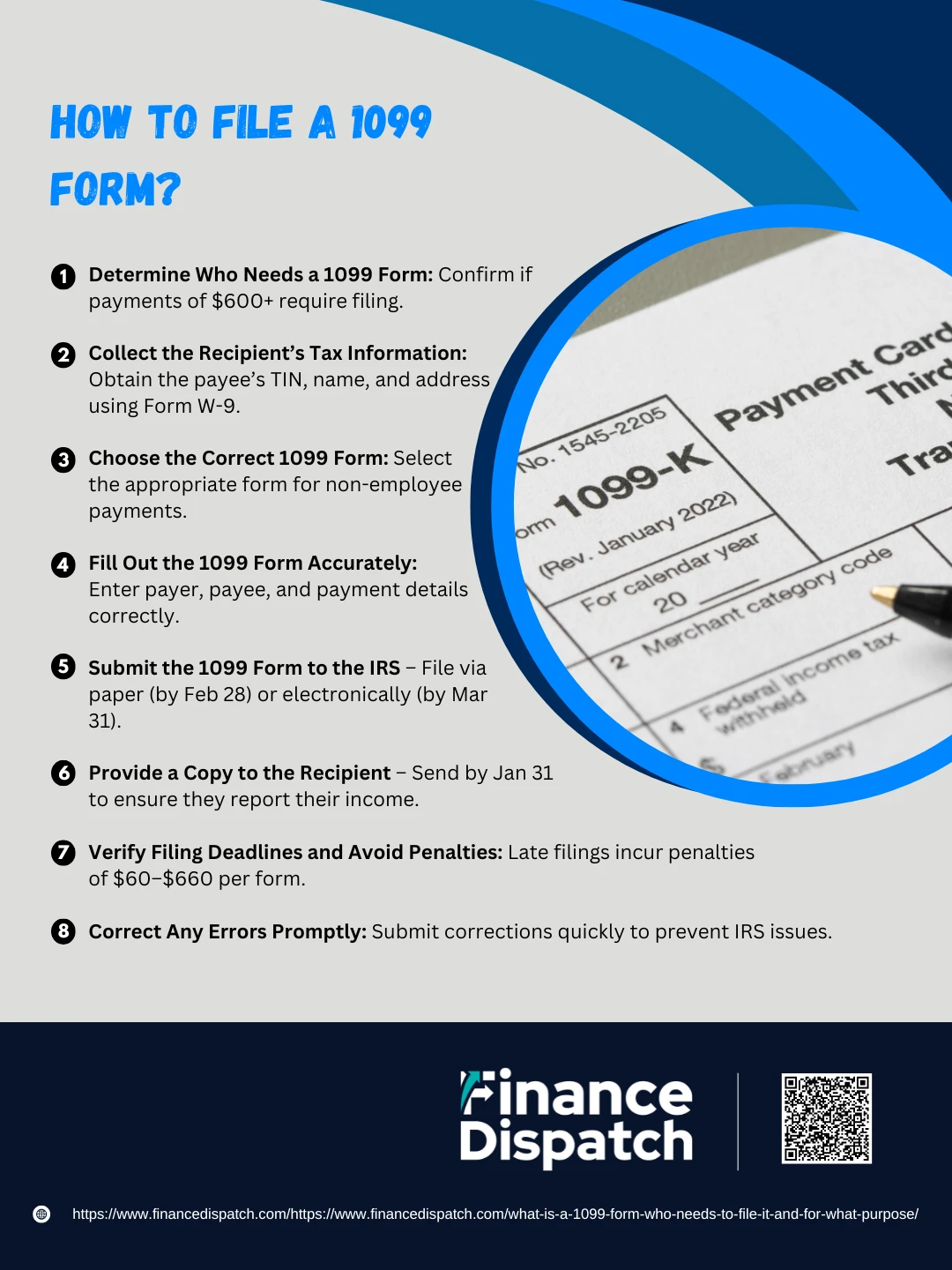
The primary purpose of a 1099 form for independent contractors is to report non-employee compensation to the Internal Revenue Service (IRS) and the taxpayer. It serves as an official income record for individuals who operate as independent businesses, freelancers, or self-employed professionals rather than traditional W-2 employees.
Navigating the tax landscape as an independent contractor requires a clear understanding of tax reporting mechanisms. For anyone operating outside the traditional employer-employee relationship, tax forms take on an entirely different meaning. Chief among these documents is the 1099 series, an administrative tool used by the United States federal government to track business income that is not subject to traditional payroll tax withholding. Understanding the purpose of these forms is essential for maintaining tax compliance, tracking business revenue, and avoiding costly audits or penalties.
What Is a 1099 Form and Who Receives It?
A 1099 form is an information return used to report various types of income other than wages, salaries, and tips (which are reported on a W-2). For independent contractors, freelancers, consultants, and sole proprietors, the specific form encountered most frequently is the Form 1099-NEC (Nonemployee Compensation).
The IRS requires businesses to issue a 1099-NEC to any independent contractor they paid at least $600 to during the tax year, provided certain criteria are met. This form details the total gross earnings paid by that specific client over the course of the calendar year. Unlike W-2 employees, contractors do not have federal income tax, Social Security, or Medicare taxes withheld from their paychecks by their clients. The 1099 form provides a transparent accounting of these gross disbursements, acting as a counterpart to the W-2 for the non-employee workforce.
The Evolution of Form 1099-NEC
For many decades, non-employee compensation was reported on Form 1099-MISC in Box 7. However, starting with the 2020 tax year, the IRS reinstated the dedicated Form 1099-NEC to streamline reporting and clarify deadlines. This separation eliminated confusion between miscellaneous income (such as rent or prizes) and payments made for services rendered by a non-employee. For contractors, recognizing this distinction ensures they look for the correct document at tax time.
The Dual Purpose: Why the IRS and Contractors Need the 1099
The 1099-NEC serves two primary stakeholders: the federal tax authorities and the independent contractor. Each relies on the document for distinct administrative and financial reasons.
1. Verification and Compliance for the IRS
From the perspective of the IRS, the 1099-NEC is a vital tool for enforcing tax compliance. Because independent contractors are responsible for calculating and paying their own taxes through quarterly estimates, the government lacks a real-time withholding mechanism.
When a client files a 1099-NEC with the IRS, the agency creates a matching record. If a contractor reports a lower income figure on their Schedule C than the total of all issued 1099s, automated matching systems flag the discrepancy. This cross-referencing mechanism reduces underreporting and ensures that self-employed individuals pay their fair share of income and self-employment taxes.
2. Income Verification and Financial Tracking for Contractors
For the contractor, the 1099 serves as a definitive statement of gross earnings from a specific client. Keeping track of these forms is essential for accurate bookkeeping. While contractors should track their income independently using accounting software, invoices, and bank statements, 1099 forms act as a failsafe to verify that no income streams were overlooked.
Furthermore, lenders, mortgage brokers, and landlords frequently request 1099 forms as proof of income for self-employed individuals who do not receive traditional pay stubs or W-2s.
Key Thresholds and Rules for 1099 Issuance
Not every business relationship triggers the issuance of a 1099-NEC. Several strict rules govern when a client is legally required to send this form to a contractor.
- The $600 Threshold: A client must issue a 1099-NEC if they paid a contractor cumulative payments totaling $600 or more during the calendar year. If earnings fall below $600, the client is generally not required to file a form, though the contractor is still legally obligated to report all earned income on their tax return.
- Business-to-Business Transactions: The 1099 rule only applies to payments made in the course of a trade or business. Personal payments—such as hiring an independent contractor to remodel a personal kitchen—do not require a 1099.
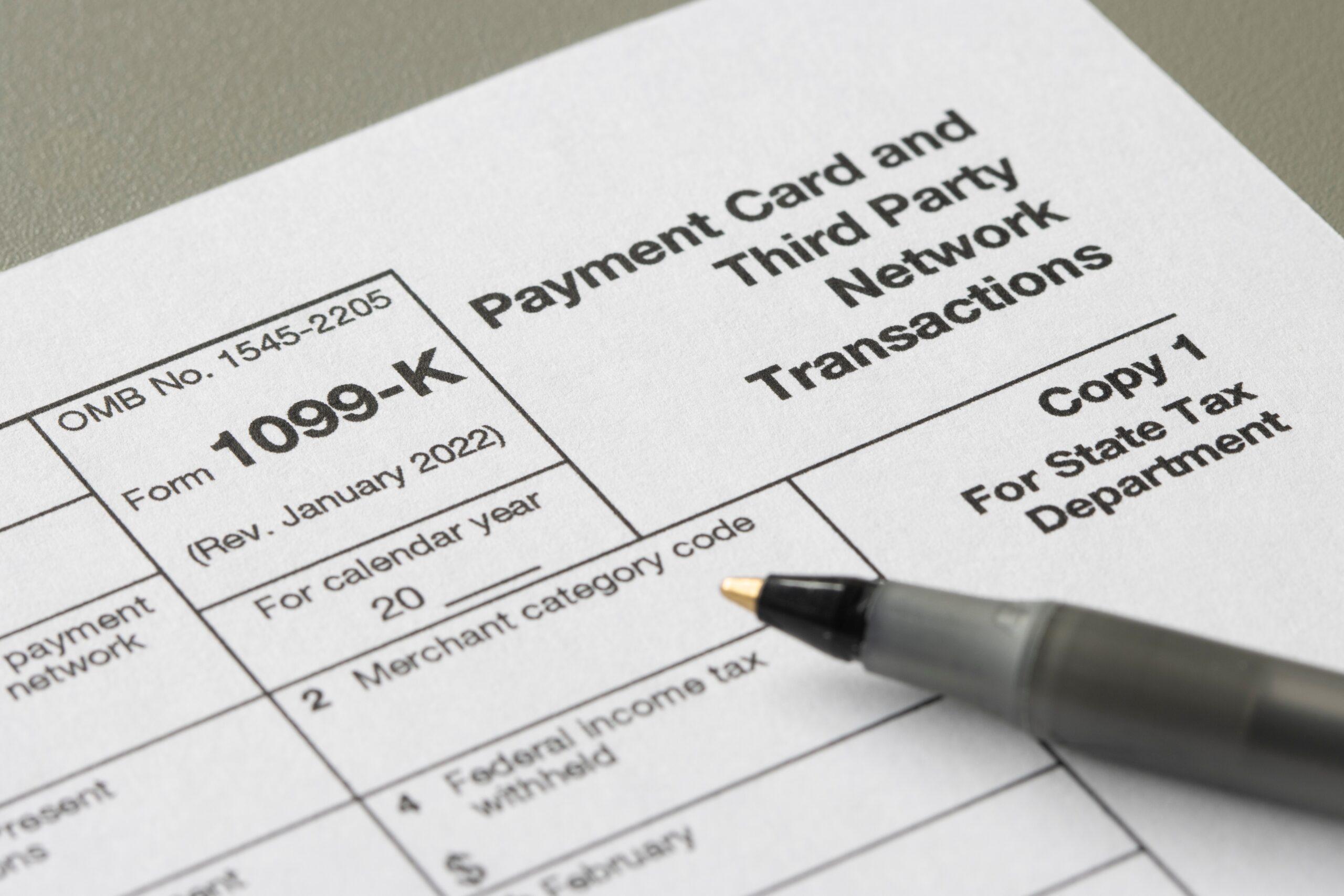
- Payment Method Exemptions: Historically, payments made via credit card, debit card, or third-party payment networks (such as PayPal or Stripe) were excluded from 1099-NEC reporting by the client because these platforms issue their own reporting forms (Form 1099-K) if transaction thresholds are met. Contractors should review updated IRS guidelines regarding third-party settlement organizations to understand how digital payments affect their reporting.
- Entity Type Matters: Generally, 1099s are issued to sole proprietors, single-member LLCs, partnerships, and certain corporations. Payments made to C-corporations or S-corporations are often exempt from 1099-NEC reporting, which is why businesses typically collect a Form W-9 from contractors before issuing any payments.
Comparison: W-2 Employee vs. 1099 Independent Contractor
To fully understand the purpose of a 1099, it helps to contrast the independent contractor arrangement with traditional employment. The table below outlines the core structural differences.
| Feature | W-2 Employee | 1099 Independent Contractor |
|---|---|---|
| Tax Withholding | Employer withholds federal, state, local, and FICA taxes. | No taxes withheld; contractor pays estimated quarterly taxes. |
| Tax Forms Received | Form W-2 (Wage and Tax Statement). | Form 1099-NEC (Nonemployee Compensation). |
| Expense Deductions | Generally cannot deduct unreimbursed employee business expenses. | Can deduct ordinary and necessary business expenses on Schedule C. |
| Benefits & Protections | Eligible for health insurance, 401(k) matches, workers' comp, and unemployment. | Responsible for own benefits, insurance, and retirement planning. |
| Control Over Work | Employer dictates how, when, and where work is performed. | Contractor maintains autonomy over methods and schedule. |
What Contractors Must Do With a 1099 Form
Receiving a 1099 form marks a critical milestone in the tax preparation cycle. Contractors must execute several specific steps upon receipt to ensure compliance and accuracy.
1. Verify the Information
Upon receiving a 1099-NEC (typically delivered by January 31 of the year following the tax year), review it immediately. Check that your legal name, Taxpayer Identification Number (TIN) or Social Security Number (SSN), and the reported earnings amount match your own financial records. If an error exists—such as an inflated payment amount—contact the client immediately to request a corrected 1099.
2. Reconcile With Bookkeeping Records
Compare the figures on the 1099 against your internal profit and loss statements, bank deposits, and accounting ledgers. Remember that your gross income for tax purposes includes all earnings, even from clients who paid you less than $600 and therefore did not issue a 1099.
3. File on Schedule C (Form 1040)
Independent contractors report their business income and expenses on Schedule C (Profit or Loss From Business), which is attached to their individual federal income tax return (Form 1040). The total gross receipts reported across all 1099 forms and un-form-reported sources will make up the top line of your Schedule C. From there, you deduct allowable business expenses to arrive at your net business income, which is then subject to income tax and self-employment tax (calculated via Schedule SE).
Common Misconceptions About 1099 Forms
Several persistent myths surround the 1099 process, often leading to financial penalties or missed deductions.
- "If I don’t get a 1099, I don’t have to report the income." This is false. The legal obligation to report all earned income exists independently of whether a client issues a 1099. Failing to report income because a form was missing constitutes tax evasion.
- "A 1099 classifies me as an independent contractor." Receiving a 1099 does not automatically mean you are legally an independent contractor. Worker classification is determined by the behavioral and financial control an entity exerts over you, as outlined by the IRS and Department of Labor. Misclassification by an employer can have serious legal consequences.
- "My expenses are automatically covered by the 1099." A 1099 only displays gross income. It contains no information regarding your business expenses. Contractors must actively track and deduct their business expenses to reduce their taxable net income.
Frequently Asked Questions
What should I do if a client fails to send me a 1099?
If you earned $600 or more from a client and have not received a 1099-NEC by early February, contact the client’s payroll or accounting department to request it. However, do not wait indefinitely for the form. You are legally required to report all income on your tax return whether you receive a 1099 or not, using your own financial records to calculate the correct amount.
How do I handle a 1099 with incorrect earnings listed?
Contact the payer immediately and request a corrected 1099 form. Payers can issue a corrected form by checking the "CORRECTED" box at the top of the form and filing it with the IRS. If the payer refuses or is unresponsive by the time you must file your taxes, report the accurate amount based on your records and keep detailed documentation explaining the discrepancy.
Do I pay self-employment tax on the amount shown on my 1099?
You pay self-employment tax on your net business earnings, not the gross amount shown on the 1099. Net earnings are calculated on Schedule C by subtracting your ordinary and necessary business expenses from your total gross receipts. The self-employment tax covers your contributions to Social Security and Medicare.
Are state taxes withheld on a 1099?
Generally, federal and state income taxes are not withheld from 1099 payments. While some states have specific reporting requirements or state-level 1099 matching programs, the contractor remains responsible for making estimated state tax payments throughout the year alongside federal payments.
Can I deduct business expenses if I don't receive any 1099s?
Yes. Your ability to deduct legitimate business expenses on Schedule C is entirely separate from whether clients issue 1099s. As long as the expenses are ordinary and necessary for operating your contracting business, you can and should deduct them to lower your tax liability.
Practical Next Actions for Contractors
To master your tax obligations and streamline your financial life as an independent contractor, implement these steps immediately:
- Separate Finances: Maintain a dedicated business bank account and credit card to keep personal and professional transactions distinct, simplifying income tracking for 1099 reconciliation.
- Collect W-9s: Request a completed Form W-9 from every new client before starting work to ensure you have their correct legal details for your records.
- Automate Tracking: Utilize reliable accounting software to log invoices, payments, and expenses in real-time, eliminating end-of-year scrambling when matching 1099 forms.
- Consult a Professional: Because self-employment tax rules, quarterly payment deadlines, and deductible expenses can vary based on your business structure and location, consult a certified public accountant (CPA) or tax professional for personalized guidance.