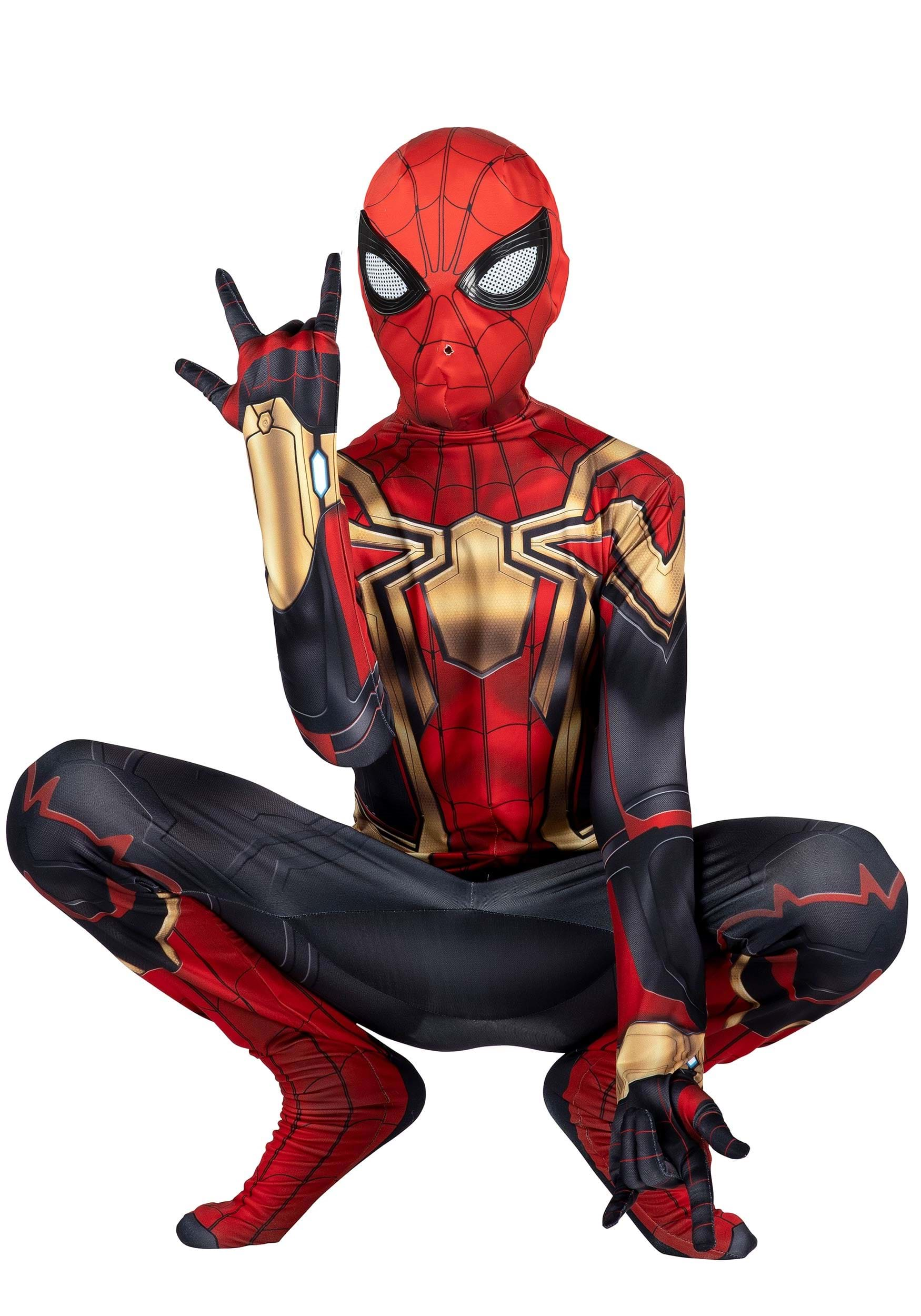
Choosing a costume for a Halloween party, theatrical production, or themed event can often feel overwhelming, but relying on time-tested concepts guarantees an outfit that is instantly recognizable and universally appreciated. Classic costumes bypass fleeting pop culture trends, relying instead on historical archetypes, iconic literature, and cinematic history that resonate across generations. Whether working with a limited budget, assembling an outfit from thrifted everyday items, or investing in high-end specialty pieces, opting for a traditional look removes the guesswork of modern trends while offering immense room for personal customization and creative styling.
1. The Vampire: Timeless Gothic Elegance
The vampire stands as one of the most enduring figures in horror and folklore, tracing its roots from Eastern European myth into Victorian literature and modern cinema. This option provides incredible versatility because it can range from a sophisticated, aristocratic look inspired by classic literature to a more traditional, cinematic monster aesthetic.
To build a classic vampire look, focus on layering rich textures. A crisp white or black collared shirt serves as the foundation, paired with tailored trousers or a flowing maxi skirt. Add a dramatic, floor-length cape featuring a stiffened collar, typically rendered in deep crimson or midnight black satin. Makeup can be kept understated with pale foundation and dark, dramatic eye shadow, or enhanced with theatrical fake blood and custom-molded fangs. Footwear should consist of polished leather boots or dress shoes to complete the aristocratic silhouette.
2. The Witch: From Folklore to High Fashion
Witchcraft lore has provided rich visual inspiration for centuries, evolving from horned figures of medieval superstition to the iconic pointed-hat archetype cemented by early cinema. The primary advantage of a witch costume is its modular nature; nearly every component can be sourced from a standard wardrobe or thrift store.
The core of this outfit is a long, dark dress or a combination of a black skirt and blouse. The silhouette is traditionally elevated by adding a conical or wide-brimmed pointed hat, often accented with faux spiderwebs, ribbon, or dried foliage. Accessories play a critical role: layer vintage costume jewelry, carry a rustic broomstick, or tie a leather pouch filled with faux herbs to your belt. Footwear should be comfortable yet thematic, such as buckled ankle boots or sturdy walking shoes.
3. The Ghost: Minimalist, Effective, and Iconic
Few concepts are as universally understood as the traditional ghost. While pop culture often associates this with a simple white sheet with eyeholes cut out, elevating the concept transforms it into a striking, ethereal ensemble suitable for any formal or casual costume event.
Creating a refined ghost costume involves wearing layers of tattered, pale fabrics—such as white gauze, chiffon, or linen—draped over a matching white under-layer. Face paint should focus on a chalky, pale complexion with hollow, shadowed eyes created using grey or dark purple cosmetics. Adding theatrical touches like artificial cobwebs tangled in teased hair or glowing LED tea lights safely secured within a prop lantern can dramatically enhance the atmospheric quality of the outfit without compromising mobility.
4. The Pirate: Swashbuckling Adventure on the High Seas
Pirate imagery draws heavily from centuries of maritime history, romanticized naval fiction, and classic adventure cinema. This choice allows for a high degree of personalization, accommodating everything from a ragged castaway look to a regal captain aesthetic.
A successful pirate costume relies on a ruffled, loose-fitting linen shirt paired with striped or solid-colored trousers tucked into tall leather boots, or a velvet skirt. Layering is essential: add a brocade vest or a heavy captain's coat, and cinch the waist with a wide leather belt featuring an ornate buckle. Essential accessories include a tricorn hat or a patterned headscarf, an eye patch, a prop cutlass tucked into a scabbard, and gold-hoop earrings.
5. The Skeleton: Anatomy Meets Spooky Artistry
Skeleton costumes merge biological accuracy with classic holiday imagery, making them a perennial favorite for both adults and children. While full-body spandex zentais offer a quick solution, hand-painting or applying fabric appliques to black clothing yields a much more striking and durable result.
The outfit begins with a tight-fitting black long-sleeve shirt and matching black leggings or pants. The ribcage and limb bones can be replicated using white fabric paint, iron-on vinyl cutouts, or strategically cut felt pieces glued to the fabric. Facial makeup is the focal point: apply a stark white base across the face, use black face paint to hollow out the eyes and nose, and paint skeletal teeth extending across the lips to complete the transformation.
6. The Mummy: Wrapped in Ancient Mystery
Inspired by archaeological discoveries of the early 20th century and classic monster movies, the mummy is a textural, highly tactile costume that requires minimal specialized equipment to assemble effectively.
The construction process involves wearing a base layer of beige or off-white clothing, such as thermal underwear or a simple long-sleeve shirt and pants. Wrap the exterior using strips of torn cotton fabric, cheesecloth, or medical gauze. To achieve an authentic, weathered appearance, stain the fabric strips beforehand using a weak solution of black tea or coffee, allowing them to dry before wrapping. Secure the layers with safety pins or fabric glue in discreet areas, and apply dusty, grey makeup to exposed skin areas like the face and hands.
7. The Zombie: The Undead Staple of Modern Horror
As one of the most flexible concepts in horror, the zombie allows wearers to repurpose everyday clothing while showcasing creative makeup skills. Because zombies can originate from any walk of life, the outfit can represent a distressed business professional, a tattered doctor, or an ordinary civilian caught in an apocalypse.
The primary requirement for this look is clothing that can be intentionally damaged. Tear sleeves, scuff pant legs, and use a mixture of acrylic paint and fake blood to simulate dirt, grime, and decay. Makeup execution is critical: use pale or greenish foundation, bruised purples and blues around the eyes, and specialized stage wax or liquid latex to create realistic faux wounds, lacerations, and bite marks.
8. The Detective: Solving the Mystery in Noir Style
The classic private investigator or film noir detective provides a sophisticated alternative to traditional monsters and folklore figures. This look is comfortable, warm, and exceptionally easy to assemble using items commonly found in a standard autumn wardrobe.
A proper detective ensemble centers around a trench coat—preferably in tan, beige, or charcoal gray—worn over a suit jacket or a knitted sweater. Pair the coat with dress trousers and leather oxford shoes. Essential props include a fedora or trilby hat tilted slightly, a vintage notebook with a pen, and a prop magnifying glass. For a humorous or dramatic twist, carry a faux pipe or a retro cardboard camera.
9. The Superhero: Classic Comic Book Iconography
Golden Age and Silver Age comic book superheroes represent an enduring aesthetic characterized by bold primary colors, dynamic capes, and recognizable symbols. Choosing a traditional superhero archetype avoids the complexities of modern cinematic universe designs while maintaining a high-impact visual presence.
Building a classic superhero outfit involves selecting a cohesive color palette for a bodysuit, leggings, or long-sleeve athletic wear. Create a custom emblem representing your hero using felt or craft foam, and adhere it to the chest. Tie a matching fabric cape around your shoulders, and add a utility belt fashioned from a painted strip of leather or cardboard. Finish the look with a simple eye mask cut from felt or molded plastic.
10. The Clowns and Jesters: Vintage Circus Heritage
The traditional circus clown and medieval court jester offer colorful, high-energy alternatives to spooky or historical themes. Rather than modern, terrifying interpretations, classic iterations focus on exaggerated proportions, geometric patterns, and theatrical performance.
This costume typically features a patterned tunic or onesie decorated with oversized buttons, ruffled collars, and bright pom-poms. A cone-shaped jester hat with dangling bells or a classic rounded clown wig provides the necessary headwear. Makeup can range from simple white face paint with painted-on teardrops to traditional multi-colored geometric designs around the eyes and mouth, paired with oversized footwear to complete the caricature effect.
Comparing Classic Costumes at a Glance
| Costume Idea | Primary Aesthetic | Preparation Difficulty | Key Accessories Required |
|---|---|---|---|
| Vampire | Gothic / Elegant | Low | Cape, fake fangs, medallion |
| Witch | Folklore / Mystical | Low | Pointed hat, broomstick, amulet |
| Ghost | Ethereal / Minimalist | Very Low | Tattered white sheets, face powder |
| Pirate | Nautical / Adventure | Medium | Tricorn hat, eye patch, prop sword |
| Skeleton | Anatomical / Spooky | Medium | Face paint, bone-print apparel |
| Mummy | Ancient / Textural | Medium | Teas-stained gauze, wrapping strips |
| Zombie | Undead / Horror | Medium | Fake blood, torn clothing, latex makeup |
| Detective | Noir / Professional | Low | Trench coat, fedora, magnifying glass |
| Superhero | Bold / Comic Book | Medium | Cape, emblem chest piece, eye mask |
| Jester / Clown | Playful / Theatrical | Medium | Ruffled collar, jester hat, bells |
Frequently Asked Questions
What makes a costume truly "classic"?
A classic costume is defined by its deep cultural roots, enduring popularity across multiple generations, and immediate recognition without needing context from current media. These concepts draw from mythology, traditional folklore, established literature, and foundational cinema history rather than fleeting viral trends or newly released films.
Can I assemble these costumes on a budget?
Yes, the vast majority of classic costumes can be assembled affordably by utilizing thrift stores, standard household items, and basic craft supplies. For instance, a ghost requires only a clean white textile, and a detective requires garments commonly found in standard professional or cold-weather wardrobes.
How do I make a basic costume look more professional?
Focus on textural layering, weathering details, and consistent color coordination. Adding accessories such as specialized hats, belts, vintage jewelry, or theatrical makeup elevates a simple base outfit from a casual clothing combination into a polished, deliberate character presentation.
Are classic costumes appropriate for all age groups and events?
Traditional costume concepts are universally accepted at schools, family-friendly community gatherings, and professional workplaces because they avoid overly graphic, controversial, or niche pop-culture references. They can easily be adjusted for modesty or adapted for younger audiences.
How long does it take to prepare a traditional Halloween costume?
Preparation time varies depending on the chosen concept. Minimalist outfits like a ghost or a detective can be assembled in under an hour, while detailed looks requiring custom makeup applications, hand-painted skeletal details, or intricate fabric wrapping may require several hours of advance preparation.
Conclusion and Next Actions
Selecting a classic costume ensures a reliable, recognizable, and stress-free preparation process for any themed event. To begin, audit your current wardrobe to identify usable foundational items, such as trench coats, black trousers, or plain shirts. Next, visit local thrift stores or online retailers to acquire missing structural pieces and specialized accessories like hats, capes, or prop weapons. Finally, test any theatrical makeup or face paint combinations a few days prior to the event to ensure skin compatibility and achieve your desired visual result.