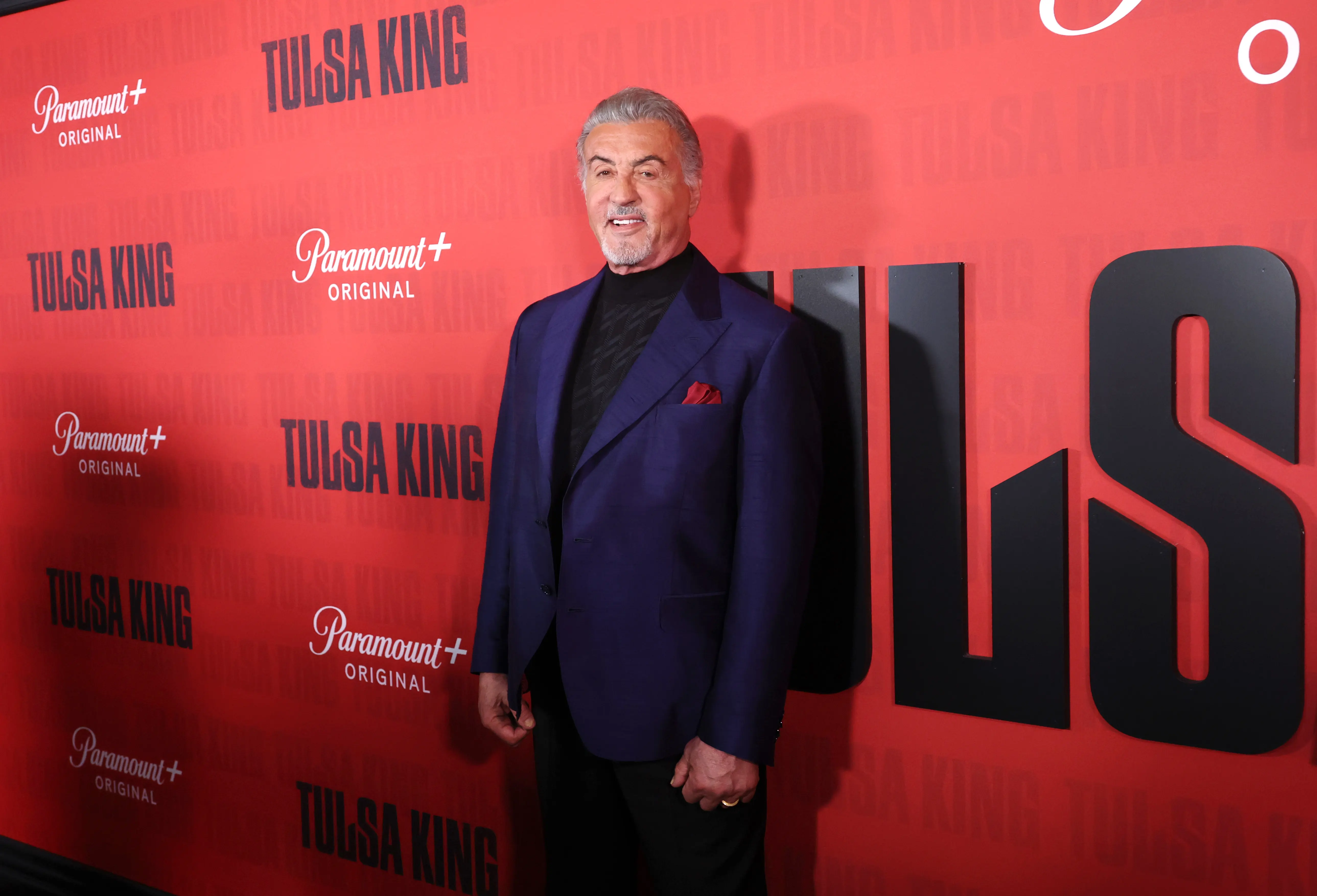
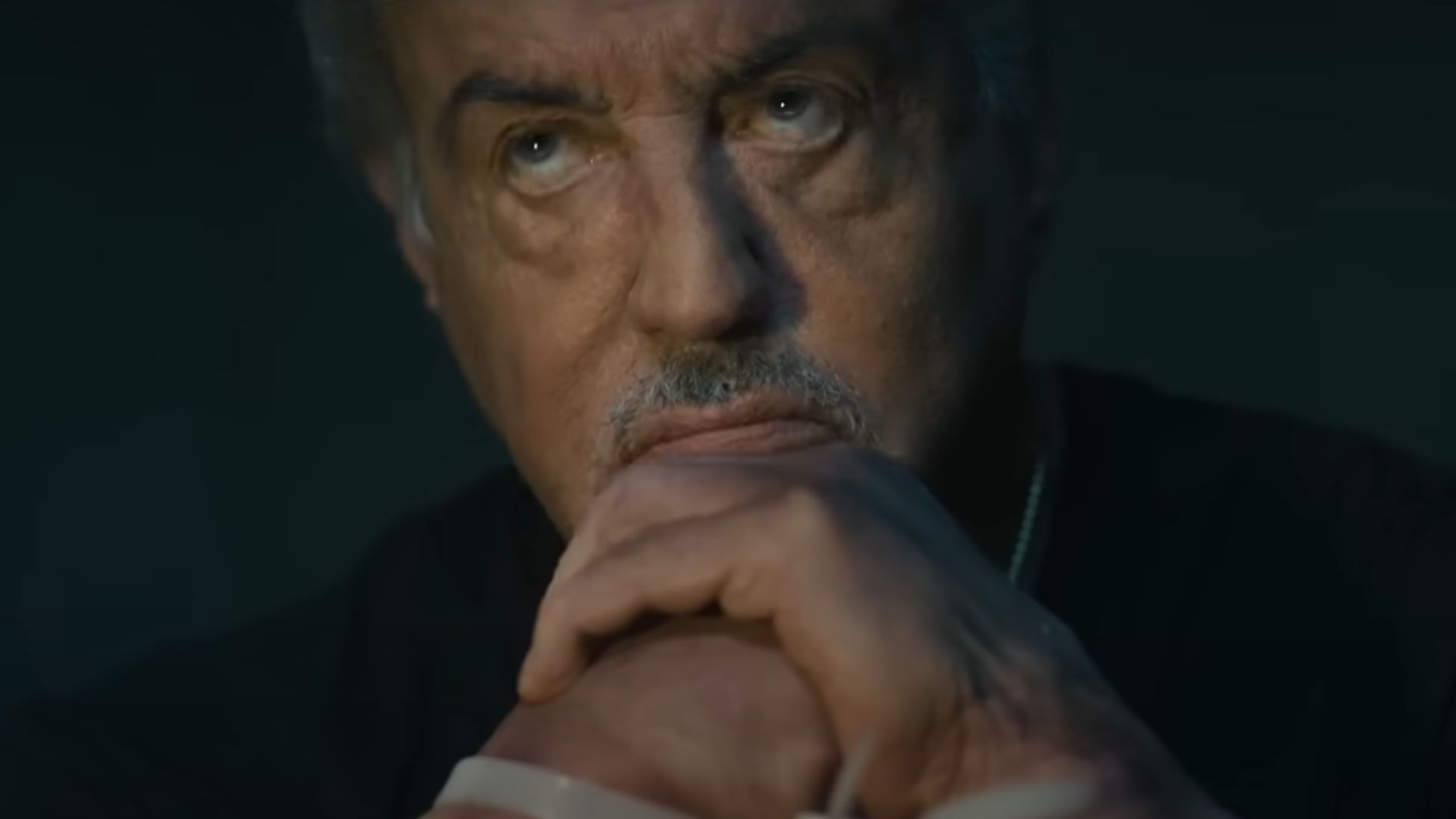
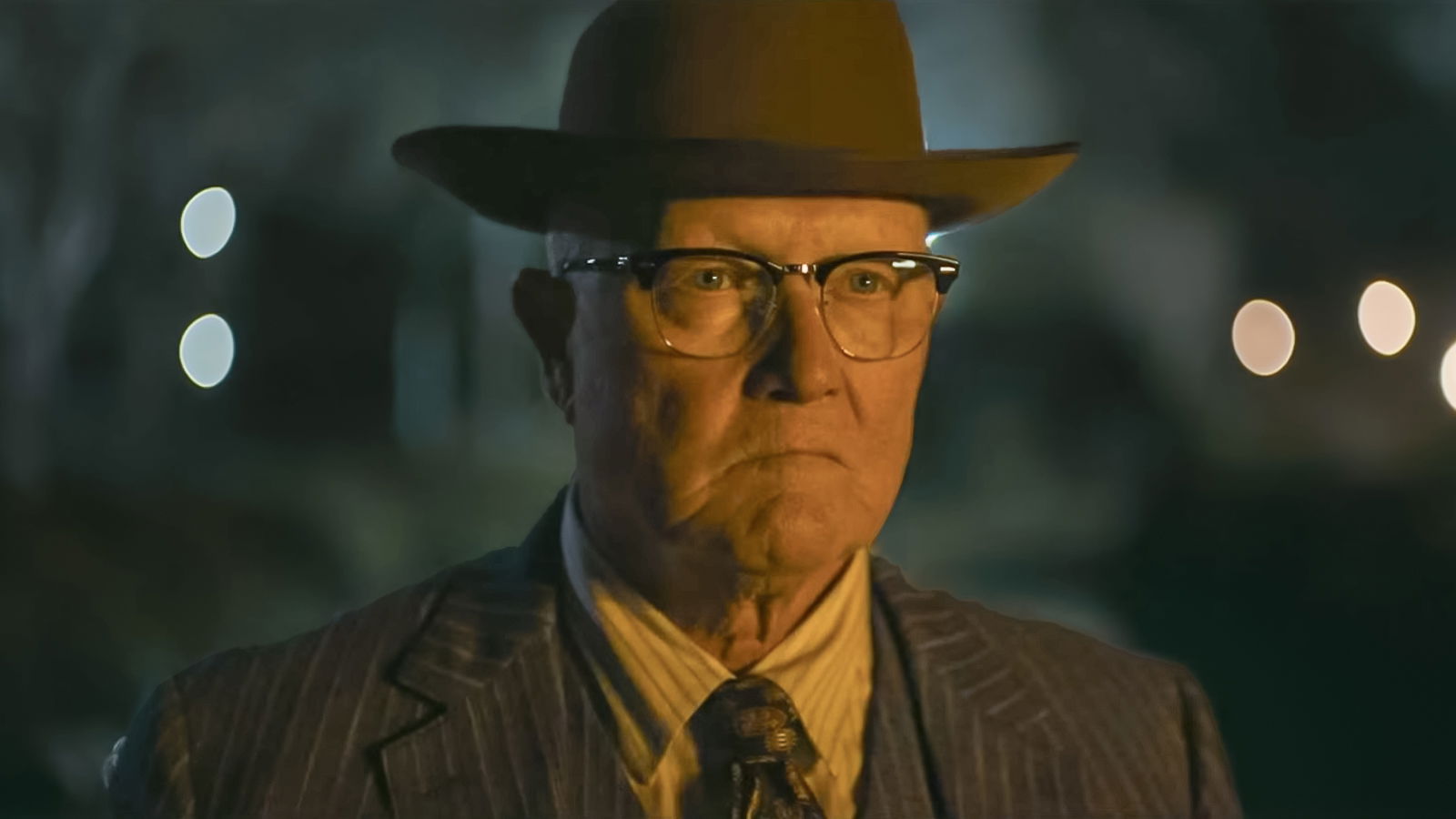
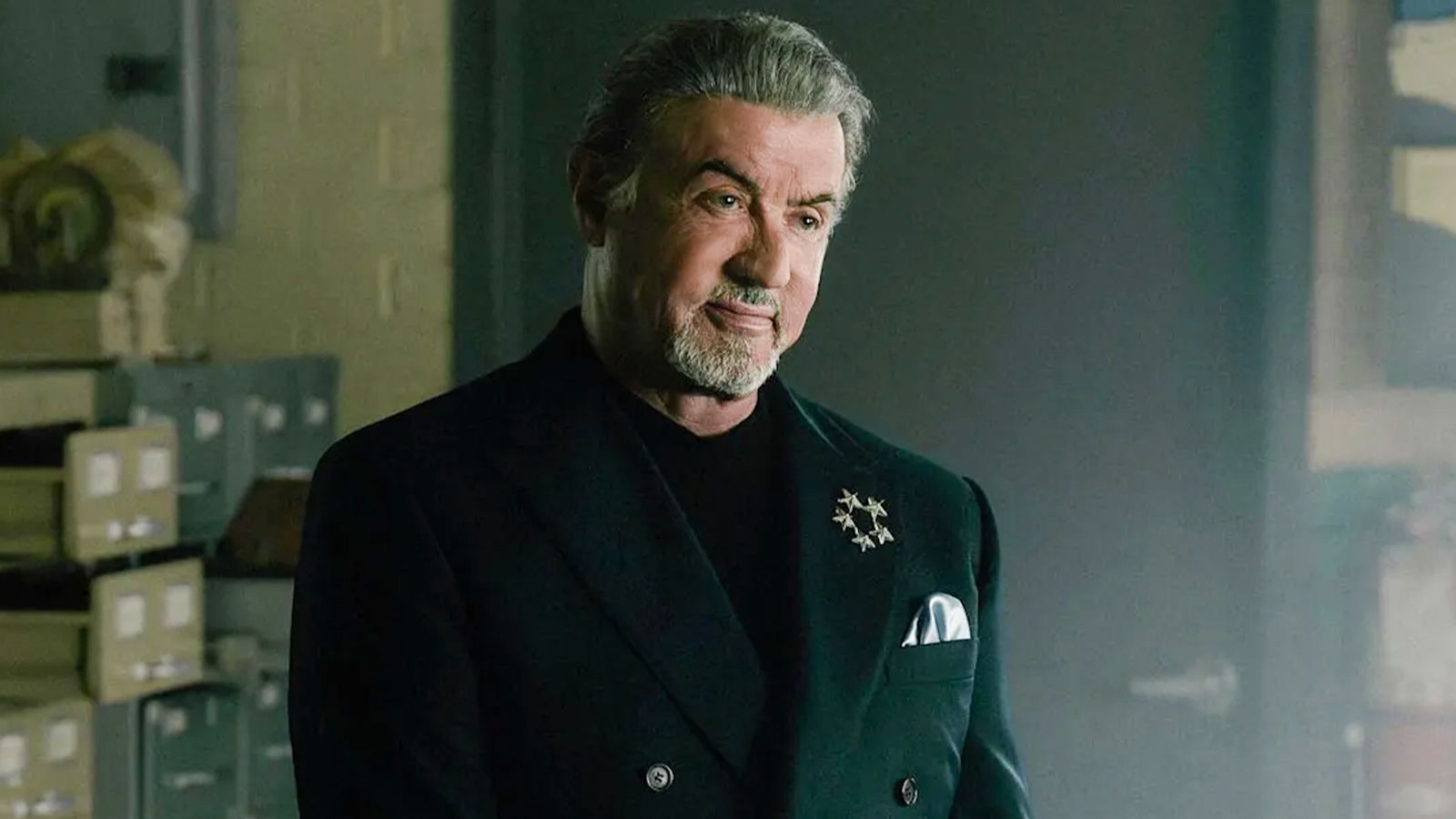
When analyzing the trajectory of Taylor Sheridan and Terence Winter’s hit crime drama, one surprising detail about the next episode of Tulsa King Season 3 centers on how the narrative pivots away from localized turf wars in Oklahoma toward an expansive international web that forces Dwight Manfredi to confront the architecture of his past life in New York.
As Tulsa King continues to captivate audiences with its distinct blend of mob drama and fish-out-of-water Western elements, anticipation for Season 3 reaches fever pitch. Fans tracking the series are eager to understand how the power dynamics will shift following the explosive conclusions of previous arcs. Beyond the high-octane shootouts and witty dialogue delivered by Sylvester Stallone’s Dwight "The General" Manfredi, the underlying writing choices for the upcoming season reveal surprising creative directions, production shifts, and character evolutions that redefine what it means to build a criminal empire in the American heartland.
The Evolution of Dwight Manfredi's Empire in Tulsa
When Dwight Manfredi stepped off the bus in Tulsa, Oklahoma, after serving a quarter-century in federal prison, viewers witnessed a classic narrative setup: an aging mafioso stripped of his former glory, forced to carve out a new kingdom from scratch. However, the progression moving into Season 3 demonstrates a structural shift in how Dwight manages his crew, his legitimate business fronts, and his relationships with local authorities.
Initially, Dwight relied on sheer intimidation, old-school mafia intuition, and a hastily assembled crew of misfit locals and loyal associates. As the narrative expanded, the stakes escalated from local dispensary operations and oil interests to high-stakes corporate corruption and federal scrutiny.
Key Shifts in Empire Building
- Decentralization of Power: Dwight is no longer running every operation out of a single storefront; he is delegating authority to trusted lieutenants who understand both the old-school code and modern operational security.
- Legitimate Integration: The friction between running criminal enterprises and establishing transparent corporate entities becomes a central bottleneck, forcing the crew to adapt to modern financial tracking.
- Jurisdictional Friction: The interplay between local Oklahoma law enforcement, federal agencies, and tribal jurisdictions creates a complex web of alliances and threats that cannot be solved with a simple shakedown.
Behind the Scenes: Creative Direction and Production Shifts
Understanding the trajectory of Tulsa King requires examining the creative forces shaping the series. Taylor Sheridan, known for his gritty realism and complex character studies in universes like Yellowstone, brings a distinct sensibility to the Oklahoma setting. Meanwhile, the television veteran presence helps anchor the mob mechanics in authentic procedural detail.
Production choices for Season 3 have leaned heavily into practical locations across Oklahoma and parts of Atlanta, maintaining the gritty visual aesthetic that defines the series. The surprising detail regarding the upcoming narrative arc involves a deliberate choice by the writers' room to slow down the pacing of physical violence in favor of psychological chess matches. While action sequences remain a staple, the core conflict hinges on asset seizure, financial infiltration, and betrayals within the inner circle rather than straightforward gang warfare.
| Season Phase | Primary Setting | Core Conflict | Narrative Focus |
|---|---|---|---|
| Season 1 | Tulsa, OK | Establishing turf & local monopolies | Fish-out-of-water adaptation & crew assembly |
| Season 2 | Tulsa & Surrounding Counties | Corporate expansion & external threats | Protecting assets from rival syndicates and federal pressure |
| Season 3 | Oklahoma, New York, & Regional Hubs | International reach & internal loyalty tests | Geopolitical fallout, legacy, and structural survival |
Examining the Surprising Details of the Next Episode
When looking closely at what makes the upcoming episodes of Season 3 stand out, industry reporting and promotional materials point to a specific structural surprise: the integration of a character from Dwight’s distant pre-prison past who possesses definitive leverage over his current operation. Unlike previous antagonists who arrived seeking vengeance or turf, this new figure forces Dwight to re-evaluate choices he made during his rise through the Invernizzi crime family in New York during the late 20th century.
This narrative choice deepens the psychological complexity of the series. Instead of leaning solely on Stallone’s physical presence, the script forces Dwight into a corner where his physical intimidation tactics are rendered ineffective. He must rely on negotiation, emotional intelligence, and historical alliances that may no longer hold weight in the modern criminal landscape.
Narrative Implications of the Plot Twist
- Revisiting Historical Continuity: Viewers receive expanded context regarding Dwight’s decades behind bars, clarifying why certain historical choices continue to haunt his modern enterprise.
- Strained Crew Dynamics: As external pressure mounts from this ghost from the past, members of Dwight’s crew begin to question his judgment, creating internal fissures that rival syndicates are quick to exploit.
- The Cost of Loyalty: The thematic core shifts from "building an empire" to "what remains when the empire is tested from within," challenging the romanticized code of omertà in a modern setting.
Character Arcs and Supporting Dynamics
While Sylvester Stallone commands the screen as Dwight Manfredi, the strength of Tulsa King relies heavily on its supporting cast. Characters like Bodhi (Martin Starr), Tyson Crespo (Jay Will), and Mitch Keller (Garrett Hedlund) have evolved from minor assistants and business partners into integral pillars of the Tulsa enterprise.
Moving into Season 3, these characters face distinct professional and personal dilemmas. Tyson must balance his loyalty to Dwight with the safety of his family and his own legal exposure. Mitch finds himself navigating the dangerous intersection of legal business ownership—specifically his horse farm and bar operations—and the illicit cash flows that sustain them. Meanwhile, Bodhi’s technical expertise becomes both an asset and a liability as federal investigators sharpen their digital surveillance tactics.
Navigating the Legal and Criminal Crossroads
- The Federal Threat: Unlike local thugs, federal investigators operate with patience and sophisticated surveillance, making traditional mob tactics obsolete.
- Family and Succession: Dwight’s relationship with his estranged daughter Tina and her family provides emotional grounding, serving as a constant reminder of what he stands to lose if his empire collapses.
- The Tulsa Local Factor: The reaction of native Oklahomans to East Coast criminals taking over local infrastructure remains a simmering pressure point that the writers continue to exploit for dramatic tension.
Common Misconceptions Regarding the Show's Production and Schedule
Navigating news about serialized television often leads to confusion regarding release dates, episode counts, and platform availability. With production schedules shifting across the industry due to various logistical factors, viewers frequently encounter unverified rumors online.
It is important to rely on verified network announcements regarding episode orders and streaming availability on platforms like Paramount+. Speculation regarding sudden cancellations or abrupt structural reboots is common in online fan forums, but official production updates consistently emphasize a stable, long-term vision mapped out by the creative team.
Frequently Asked Questions
Where can I watch Tulsa King Season 3?
Tulsa King streams exclusively on Paramount+. New episodes become available on the platform according to the network's scheduled release calendar, typically following a weekly rollout model.
Is Sylvester Stallone returning as Dwight Manfredi for Season 3?
Yes, Sylvester Stallone reprises his starring role as Dwight "The General" Manfredi, serving as both the lead actor and an executive producer on the series.
Will Season 3 resolve the conflict with the New York mob families?
While Season 3 addresses residual tensions from Dwight’s New York past, the narrative broadens to include new antagonists and regional power struggles, ensuring the conflict extends beyond simple revenge plots.
How many episodes are typically in a season of Tulsa King?
Seasons of Tulsa King generally consist of 10 episodes, allowing for tightly paced storytelling without excessive filler, though exact episode counts can vary by season order.
Do I need to watch previous seasons to understand Season 3?
Yes, viewing Seasons 1 and 2 is essential for understanding the character relationships, shifting alliances, and the foundational history of Dwight’s Tulsa enterprise.
Strategic Next Steps for Fans
To fully appreciate the nuances of the upcoming episodes, viewers should revisit the final episodes of Season 2, paying close attention to unresolved plot threads involving federal investigations and regional business partnerships. Keeping track of official announcements from Paramount+ ensures accurate information regarding release dates and promotional trailers, separating verified plot details from fan speculation.