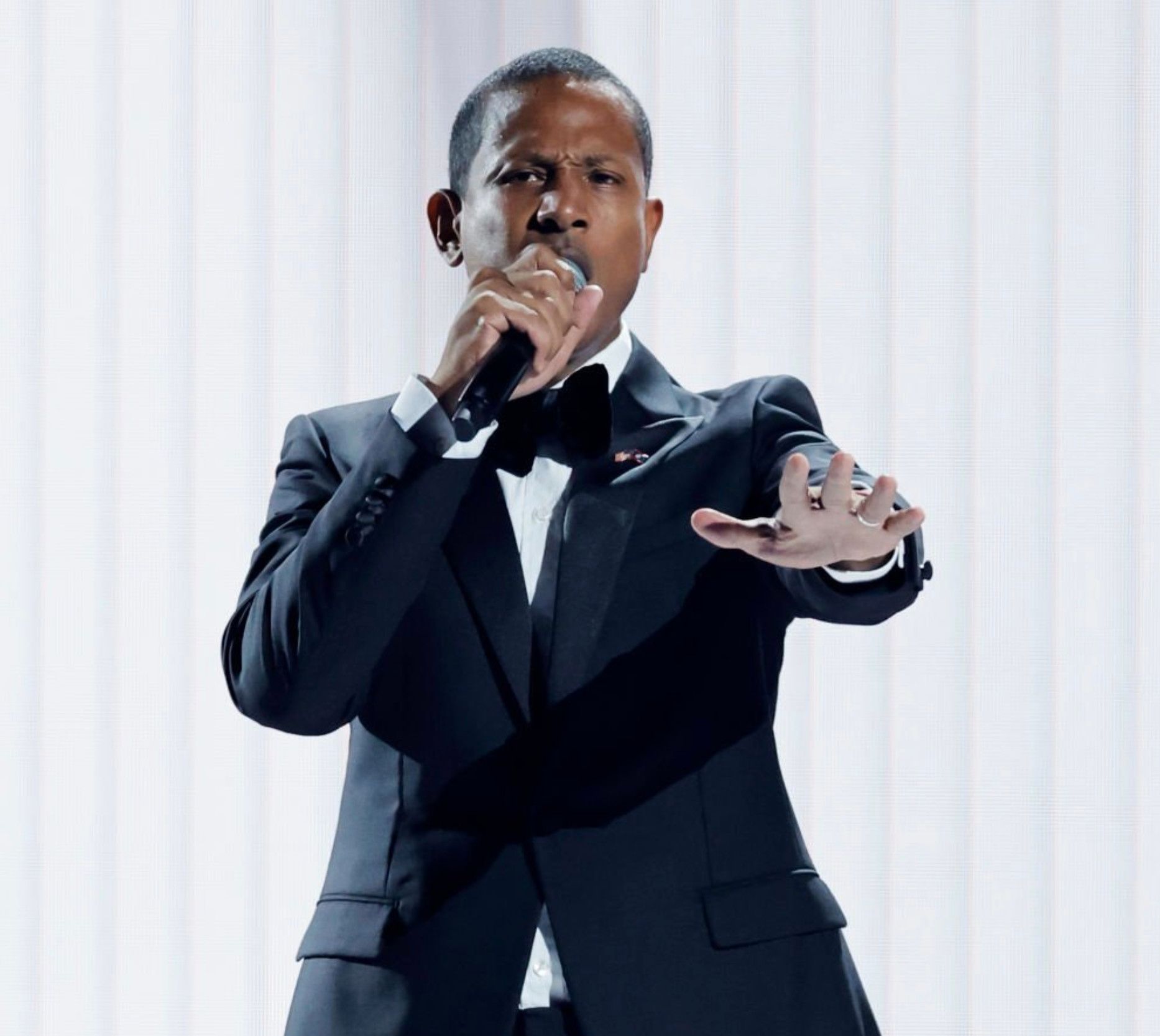
Shyne, born Jamal Michael Barrow, emerged as one of the most polarizing and compelling figures in late 1990s hip-hop. Known for his distinctive, gravelly flow often compared to The Notorious B.I.G., he secured his place in music history through his high-profile signing with Sean "Puffy" Combs’ Bad Boy Records, his chart-topping self-titled debut, and a brief but intense reign that defined the sound of New York rap at the dawn of the millennium.
The Origins and Discovery of Shyne
To understand Shyne’s trajectory, one must look at the landscape of New York hip-hop in the late 1990s. Following the tragic loss of The Notorious B.I.G. in 1997, Bad Boy Records faced the challenge of sustaining its dominance in the industry. It was during this period of transition that Sean Combs encountered Shyne, a young artist from Brooklyn whose vocal cadence bore a striking, almost haunting, resemblance to the late Biggie Smalls.
Shyne’s early presence in the industry was characterized by an aura of mystery. He did not follow the traditional route of building a massive underground mixtape following; instead, he was catapulted into the spotlight by the machinery of a major label. His signing was treated as a massive event, positioning him as the next heir to the Bad Boy throne. This narrative generated immediate buzz but also invited intense scrutiny from critics who questioned whether his style was an original artistic choice or a calculated attempt to fill a void left by a legend.
The 1999 Breakout and Signature Sound
The year 1999 served as the foundational moment for Shyne’s career. His feature on Mase’s "(Self-Titled) 1999" and his own breakout single, "Bad Boyz," showcased his ability to command a beat with a menacing, authoritative delivery. His voice, strained and raspy, stood in stark contrast to the polished, radio-friendly pop-rap that dominated the airwaves at the time.
His production choices often leaned toward the dark, cinematic, and street-oriented aesthetic that defined the Bad Boy sound at the end of the century. By collaborating with producers who understood the urgency of his flow, Shyne managed to capture the tension of Brooklyn street life. During this period, he became a fixture in the New York scene, navigating the demands of fame while maintaining an image that was firmly rooted in his origins.
Analyzing the Debut: Shyne (2000)
While his initial buzz began in the late 90s, his self-titled debut album, released in September 2000, serves as the definitive retrospective of his work from that era. The album stands as a time capsule of the transition between the golden age of 90s boom-bap and the more commercialized era that followed.
The project demonstrated both his strengths and the limitations of his sudden rise. Tracks like "Bonnie & Shyne" highlighted his ability to weave complex narratives, while the album’s overall production reflected the high-budget expectations placed upon a Bad Boy signee. Despite the weight of expectations, the album was a commercial success, cementing his status as one of the most recognizable rappers of that specific moment in time.
Shyne and the Bad Boy Context
The relationship between Shyne and Bad Boy Records is central to any historical overview of his work. In the late 1990s, the label was more than just a music company; it was a cultural juggernaut that dictated fashion, club culture, and sound. Being the "next" star on the roster brought unparalleled visibility but also put Shyne at the center of the industry’s most intense power dynamics.
Comparison of Key Factors in the Late 90s Hip-Hop Scene
| Feature | The Bad Boy Era (Late 90s) | Shyne’s Artistic Style |
|---|---|---|
| Primary Sound | High-budget, sample-heavy | Gritty, lo-fi, menacing |
| Thematic Focus | Luxury, celebration, and street life | Existentialism, urban struggle |
| Vocal Delivery | Polished, melodic | Gravelly, intense, rhythmic |
| Market Position | Mainstream dominance | Underground-turned-mainstream |
The Challenges of Authenticity
One of the most persistent discussions surrounding Shyne in the 90s and early 2000s involved the concept of authenticity. In hip-hop culture, the "ghost of Biggie" narrative served as a double-edged sword. While it gained him immediate access to the ears of millions, it also created a hurdle for his artistic evolution. Critics frequently debated how much of his sound was influenced by his environment and how much was molded by the label’s desire to recreate a specific, successful brand.
This tension is essential to understanding his legacy. He was an artist caught between the desire for individual creative expression and the pressures of an industry that prioritized recognizable formulas. When analyzing his work today, it is clear that his lyrical content often transcended the "copycat" labels, revealing a unique perspective on the paranoia and pressures of sudden fame.
Impact on 90s New York Rap
Shyne’s contribution to the late 90s rap lexicon is often underestimated by those who focus solely on his vocal similarities to other artists. He helped maintain the relevance of the "hardcore" rap aesthetic at a time when the genre was beginning to skew toward cleaner, more pop-accessible sounds. His presence ensured that the grittier side of Brooklyn rap remained in the mainstream dialogue.
Furthermore, his influence can be found in the way artists manage image and identity within the music industry. His rise and subsequent career shift demonstrate the volatility of fame in the late 90s, where an artist could go from anonymity to the top of the charts in a matter of months. This cycle of rapid growth, defined by specific labels and, eventually, a sudden interruption of his career, remains a cautionary tale and a hallmark of the era’s industry mechanics.
Frequently Asked Questions
Was Shyne the only artist compared to The Notorious B.I.G. in the 90s?
No, several artists in the late 90s were compared to Biggie due to the vacuum left by his passing. However, Shyne’s comparison was the most intense and sustained because of his direct association with the same label, Bad Boy Records, which fueled media-driven narratives and industry speculation.
Why was Shyne’s vocal style so raspy?
Shyne’s signature gravelly voice was a natural result of his physical delivery and an artistic choice to project intensity. While critics often attributed it to a desire to sound like Biggie, it functioned as an instrument of urgency, helping his lyrics cut through the dense production typical of 90s East Coast hip-hop.
How did the 90s industry culture affect Shyne’s debut?
The late 90s music industry was heavily focused on star-making vehicles and major label support. Shyne’s debut was subject to significant A&R intervention to ensure it fit the "Bad Boy" sound, which prioritized high-fidelity production and club-ready hits, sometimes at the expense of an artist's experimental growth.
Is Shyne’s music from the 90s considered "classic" hip-hop?
"Classic" is subjective, but Shyne’s late 90s and early 2000s work is widely considered a defining piece of the New York sound of that era. His music is often cited by enthusiasts of the "street-rap" subgenre as a high-water mark for the aggressive, introspective style that persisted even as pop-rap ascended.
What should listeners focus on when revisiting his 90s catalog?
Listeners should focus on his intricate rhyme schemes and the tension in his delivery. Beyond the comparisons, his lyrics often touched on themes of loyalty, betrayal, and the harsh realities of Brooklyn life, which provide a realistic, albeit dark, snapshot of the city’s environment during the final years of the 20th century.
Recommendations for Further Exploration
For those seeking to understand the historical context of Shyne’s career, the best approach is to examine his 1999-2000 discography in its entirety rather than listening to individual tracks in isolation. Start with his guest verses on Bad Boy compilation projects from that time to hear how his flow evolved alongside other label mates. Additionally, reading interviews from the 2000 period provides insight into how he viewed his own artistry amidst the pressure to fill a void in the hip-hop landscape.
By grounding your research in the primary recordings of the era, you gain a clearer picture of his role as a bridge between the classic 90s New York sound and the changing tides of the music industry at the turn of the millennium.