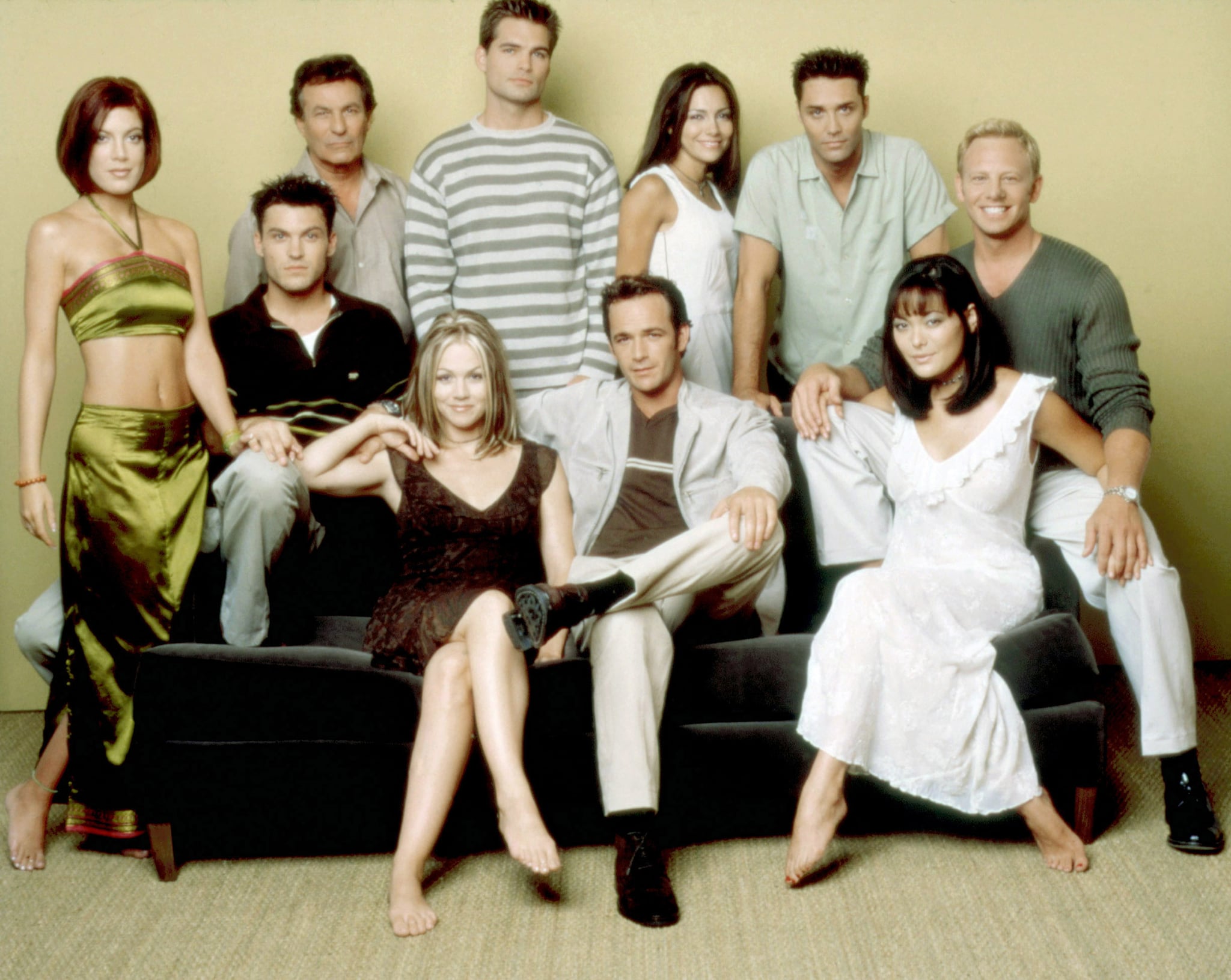
Jamie Walters made an indelible mark on television history during the mid-1990s through his multi-episode arc on the cultural phenomenon Beverly Hills, 90210, anchoring his legacy as both a quintessential teen-idol actor and a Billboard-charting recording artist.
Introduction to Jamie Walters and the 90s Television Landscape
The cultural footprint of Beverly Hills, 90210 during its prime years on the Fox network cannot be overstated. Created by Darren Star and produced by Aaron Spelling, the series captured the zeitgeist of American youth culture by tackling complex social issues alongside high school and college drama. Within this ensemble, guest stars and recurring cast members often left outsized impressions on the audience.
Jamie Walters entered this ecosystem during a pivotal transition phase for the series. His arrival introduced a gritty, musically inclined dynamic that contrasted sharply with the affluent, sun-drenched predictability of West Beverly Hills High. Examining Walters’ profile requires looking beyond his character’s narrative arc to understand the intersection of television casting, the manufacturing of 1990s teen idols, and the rapid crossover potential between prime-time television and the contemporary pop charts.
Early Career and Path to Beverly Hills, 90210
Before securing his defining role on Beverly Hills, 90210, Jamie Walters was carving out a multi-faceted career in the entertainment industry that combined modeling, acting, and music. Born James Leland Walters Jr. in Boston, Massachusetts, he relocated to New York City to pursue creative endeavors, attending the Tisch School of the Arts at New York University, where he studied film and television production.
This behind-the-camera education gave Walters a unique perspective on performance, though his striking visual profile quickly pushed him in front of the lens. Early modeling gigs for prominent brands and appearances in commercial spots paved the way for television casting directors to take notice. His breakout acting role came in the short-lived Fox adventure series The Heights (1992), which was notable not only for launching his acting career but also for establishing his musical viability.
On The Heights, Walters performed the lead vocals for the show's theme song, "How Do You Talk to an Angel." The track became a massive commercial success, climbing to the number-one spot on the Billboard Hot 100 chart in November 1992. This rare feat—achieving a chart-topping single via a television platform—served as the primary catalyst for his recruitment into the Spelling Television stable, directly setting the stage for his integration into the Beverly Hills, 90210 universe.
Character Analysis: Ray Pruit on Beverly Hills, 90210
Jamie Walters joined Beverly Hills, 90210 at the start of the show's fifth season in 1994, taking on the role of Ray Pruit. Ray was introduced as a brooding, working-class musician who worked at the famous campus hotspot the Peach Pit After Dark while trying to make it big in the music industry.
Narrative Integration and Socioeconomic Contrast
The introduction of Ray Pruit served a distinct narrative purpose for the writers. For four seasons, the core group of characters—Brandon, Brenda, Kelly, Dylan, and Donna—navigated upper-crust Los Angeles society with varying degrees of angst. Ray brought a raw, blue-collar element to the series. He did not come from wealth; he drove a beat-up truck, played dive bars, and struggled to pay his rent.
This socioeconomic disparity formed the backbone of his primary storyline: his tumultuous romance with Donna Martin, played by Tori Spelling. Donna, the quintessential rich girl of the series, found herself drawn to Ray’s artistic intensity and outsider status. However, this pairing immediately generated friction with Donna’s conservative, protective parents, setting up classic melodramatic conflict that kept viewers engaged.
The Evolution of the Character and Darker Themes
As Season 5 progressed, Ray Pruit’s character arc underwent a significant and controversial transformation. Initially presented as a misunderstood romantic lead, the writers gradually exposed darker, more toxic aspects of his personality. Ray struggled with deep-seated insecurities regarding Donna’s wealth, high-society friends, and independent lifestyle.
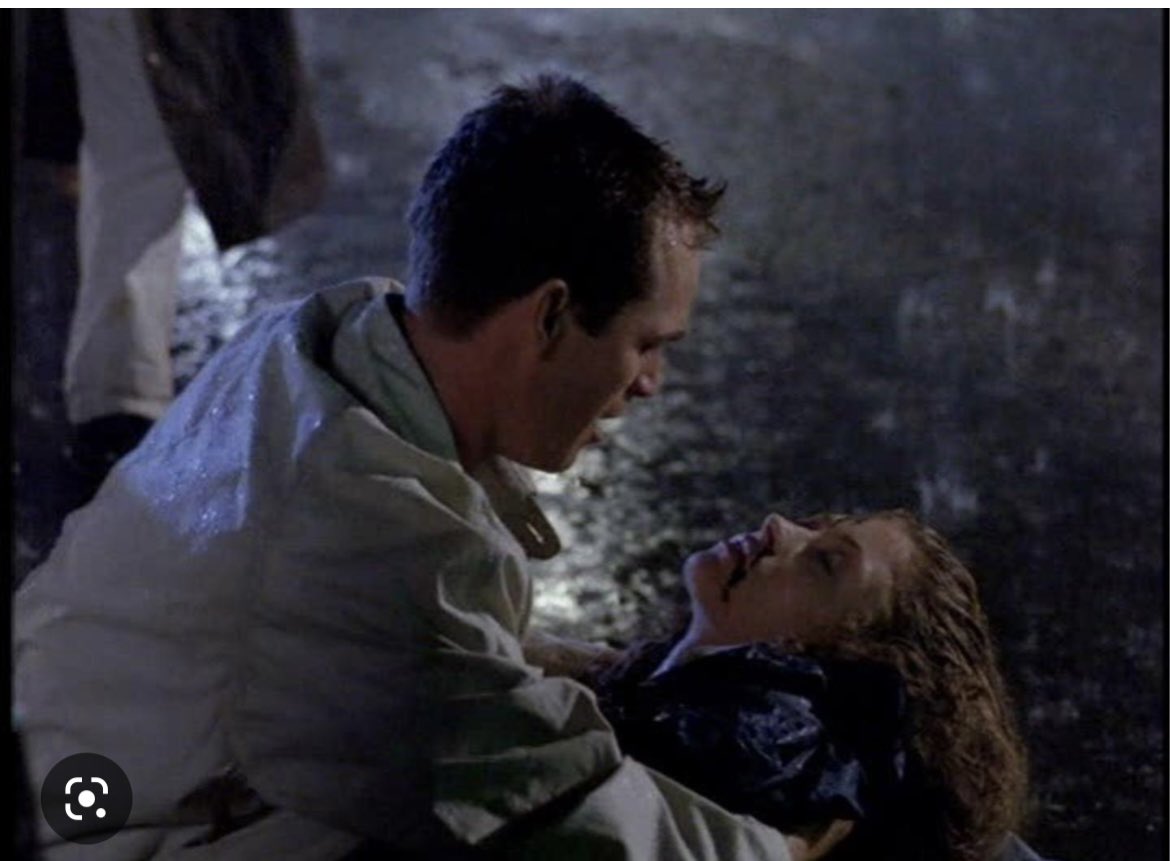
These insecurities manifested in controlling behavior, verbal abuse, and ultimately, a shocking physical altercation where Ray shoved Donna down a flight of stairs during a post-prom getaway in Palm Springs. This storyline was a watershed moment for the character and the series. It aligned with the show's history of addressing real-world social issues—in this case, domestic violence and abuse in teen dating.
While the storyline alienated fans who had initially rooted for the "Ray and Donna" romance, it showcased Walters' dramatic range as he transitioned from a standard teen-idol heartthrob into a deeply flawed antagonist. Walters remained a series regular through the end of Season 5, making subsequent guest appearances in later seasons to resolve lingering plotlines involving Donna and her attempts to move past the trauma.
The Musical Dimension: "Hold On" and Pop Stardom
It is impossible to separate Jamie Walters' television profile from his musical career, as the two entities operated in a symbiotic feedback loop throughout the mid-1990s. Capitalizing on the immense exposure provided by Beverly Hills, 90210, Atlantic Records signed Walters to a solo recording contract, releasing his self-titled debut album in 1994.
| Album / Single Release | Year | Peak Chart Position (Billboard) | Primary Association / Context |
|---|---|---|---|
| "How Do You Talk to an Angel" | 1992 | No. 1 (Hot 100) | The Heights television series theme song |
| Jamie Walters (Album) | 1994 | No. 53 (Billboard 200) | Debut solo record released during 90210 Season 5 |
| "Hold On" (Single) | 1994 | No. 16 (Hot 100) | Lead single from solo album; heavily promoted on 90210 |
| Ride (Album) | 1997 | Uncharted | Independent sophomore release following major label departure |
The lead single from his solo album, "Hold On," became a major radio hit, peaking at number 16 on the Billboard Hot 100. The song's music video received heavy rotation on MTV and VH1, and its lyrics and emotional delivery heavily mirrored the sensitive-artist persona he portrayed as Ray Pruit. Furthermore, the producers of Beverly Hills, 90210 frequently integrated Walters' real-life music into the show. Ray Pruit would routinely perform original tracks on stage at the Peach Pit After Dark, effectively turning episodes of the drama series into promotional vehicles for Atlantic Records.
This cross-promotion created a hyper-visible public profile. Walters found himself featured on the covers of countless teen-oriented magazines such as Bop, Tiger Beat, and Teen alongside his co-stars Luke Perry, Jason Priestley, and Ian Ziering. However, this intense level of pop-idol saturation also presented career challenges, as it pigeonholed him in the minds of casting directors and serious music critics who struggled to separate the man from the manufactured teen-magazine image.
Cultural Impact and Teen Idol Phenomenon
The mid-1990s pop culture ecosystem relied heavily on the "teen idol" archetype, and Jamie Walters occupied a very specific niche within that framework. Unlike the rebellious, leather-jacket-wearing archetype embodied by Luke Perry’s Dylan McKay, Walters represented the sensitive, tortured artist who expressed his emotions through acoustic guitars and soaring pop-rock melodies.
The Pressures of Instant Stardom
The transition from a relatively unknown acting student to an international face on bedroom walls carried significant psychological and professional consequences. In retrospective interviews, Walters has candidly discussed the surreal nature of sudden fame, noting that the screaming crowds, security details, and constant media scrutiny made it difficult to navigate long-term artistic choices.
The hyper-focus on his physical appearance and romantic availability often overshadowed his actual performances on screen. When his character on Beverly Hills, 90210 turned abusive toward Donna Martin, fan backlash was immediate and intense. Viewers struggled to separate the actor from the fictional character, leading to public confrontations and demonstrating the unique parasocial relationships that 1990s television audiences formed with prime-time stars.
Legacy Within the 90210 Universe
Decades after his departure from the show, Walters remains a fan-favorite subject in retrospectives, pop-culture podcasts, and nostalgic fan conventions dedicated to the Aaron Spelling era. His run on the show represents the peak of the network’s strategy of blending musical artists directly into dramatic storytelling—a formula that later networks would replicate with shows like Glee and Empire.
Transition Away from Hollywood and Post-Acting Career
As the 1990s drew to a close, the entertainment industry underwent a rapid transformation, shifting away from glossy teen soap operas toward reality television and gritty cable dramas. Concurrently, Jamie Walters made a deliberate, conscious decision to step back from the relentless spotlight of Hollywood and the pop music grind.
Education and Public Service
Rather than chasing diminishing returns in commercial acting, Walters pivoted toward a completely different field that emphasized stability and public service. He enrolled in the Los Angeles County Fire Department training program, ultimately earning his certification as a paramedic and firefighter.
This career shift allowed him to trade the unpredictable environment of television sets and touring schedules for a structured, high-stakes public safety role. For over two decades, Walters served as a full-time firefighter and paramedic in Southern California, successfully transitioning out of the entertainment industry into a conventional, community-focused profession far removed from his days as a Billboard-charting pop star.
Occasional Returns to Entertainment
While his primary career became emergency medicine, Walters has occasionally re-engaged with his past life in entertainment. He has participated in nostalgic television specials, documentary features covering the cultural impact of 1990s television, and select fan conventions where he interacts with devotees of Beverly Hills, 90210 and The Heights. These appearances demonstrate a healthy, balanced perspective on his past fame, allowing him to honor his legacy as Ray Pruit while maintaining his primary identity as a dedicated public servant.
Frequently Asked Questions
What role did Jamie Walters play on Beverly Hills, 90210?
Jamie Walters played Ray Pruit, a working-class musician who worked at the Peach Pit After Dark and became the boyfriend of Donna Martin. His character arc spanned the fifth season of the show and included notable dramatic storylines involving socioeconomic conflict and domestic tension.
Did Jamie Walters really sing his own songs on the show?
Yes, Jamie Walters performed his own vocals both on Beverly Hills, 90210 and in his earlier television series, The Heights. His musical background preceded his major acting roles, and his real-life single "Hold On" achieved significant chart success on the Billboard Hot 100 in 1994.
Why did Jamie Walters leave acting?
Walters did not experience a sudden expulsion from the industry; rather, he chose to step away from Hollywood as the teen-idol era faded in the late 1990s. He sought a more stable, grounded career path and ultimately trained to become a full-time firefighter and paramedic in Southern California.
Is Jamie Walters related to any other celebrities?
No, Jamie Walters is not directly related to other prominent figures in the entertainment industry bearing the same surname. His entry into show business came through his own pursuits in modeling, acting school at NYU, and independent musical endeavors.
Does Jamie Walters still perform music or make public appearances?
While music and acting are no longer his primary professions, Walters occasionally participates in nostalgic fan conventions, media interviews, and retrospectives celebrating Beverly Hills, 90210 and the pop culture landscape of the 1990s.
Conclusion and Next Actions
Jamie Walters remains a defining figure of 1990s television and pop music history, perfectly encapsulating the era's cross-media marketing strategy and teen-idol phenomenon. From topping the Billboard charts with The Heights to navigating the dark dramatic waters of Beverly Hills, 90210 as Ray Pruit, his professional trajectory offers a fascinating case study in rapid stardom followed by a successful, grounded transition into public service. For enthusiasts exploring the history of 90s television, revisiting Season 5 of Beverly Hills, 90210 provides the most accurate and complete showcase of his acting range and cultural footprint.