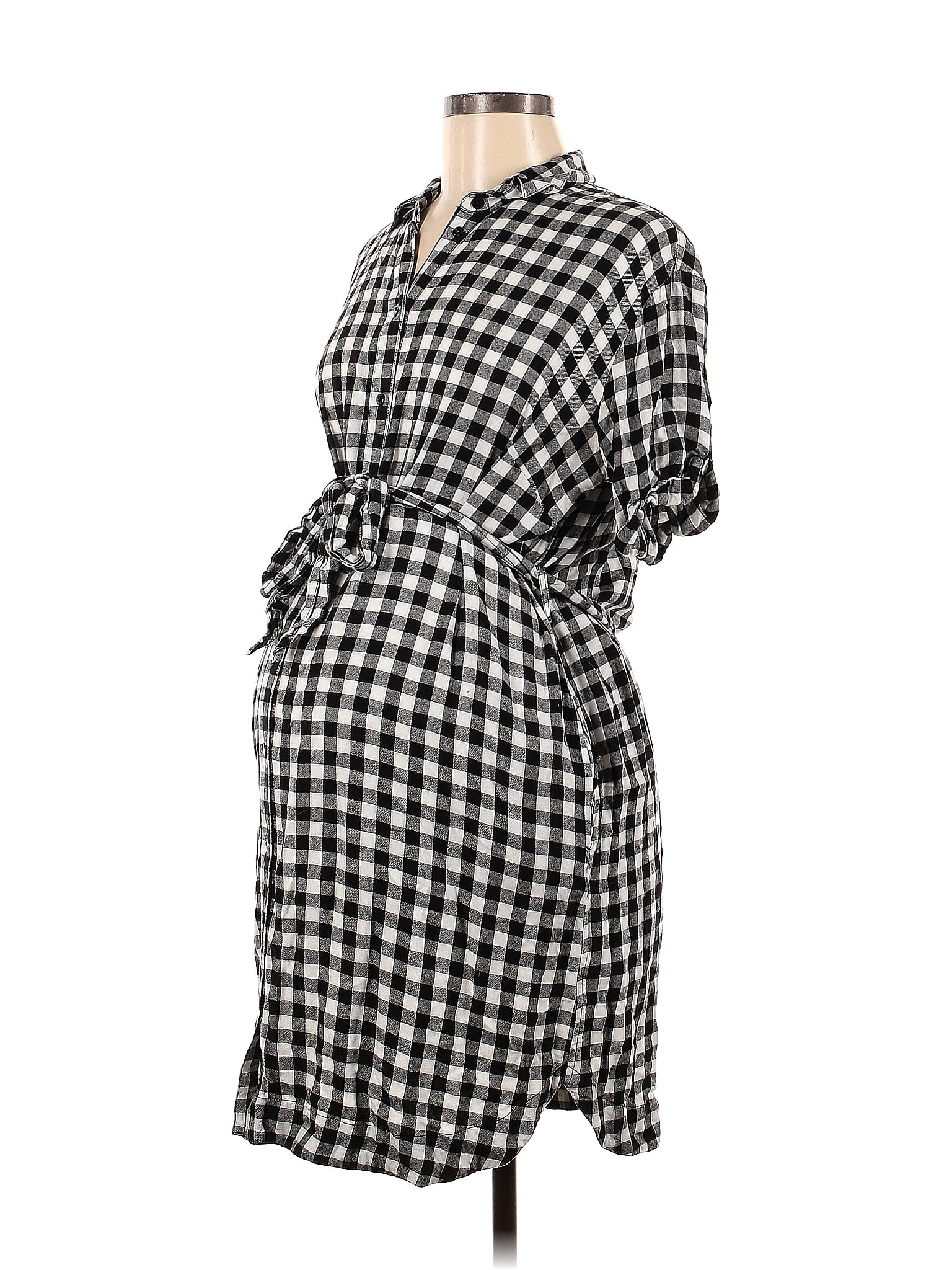
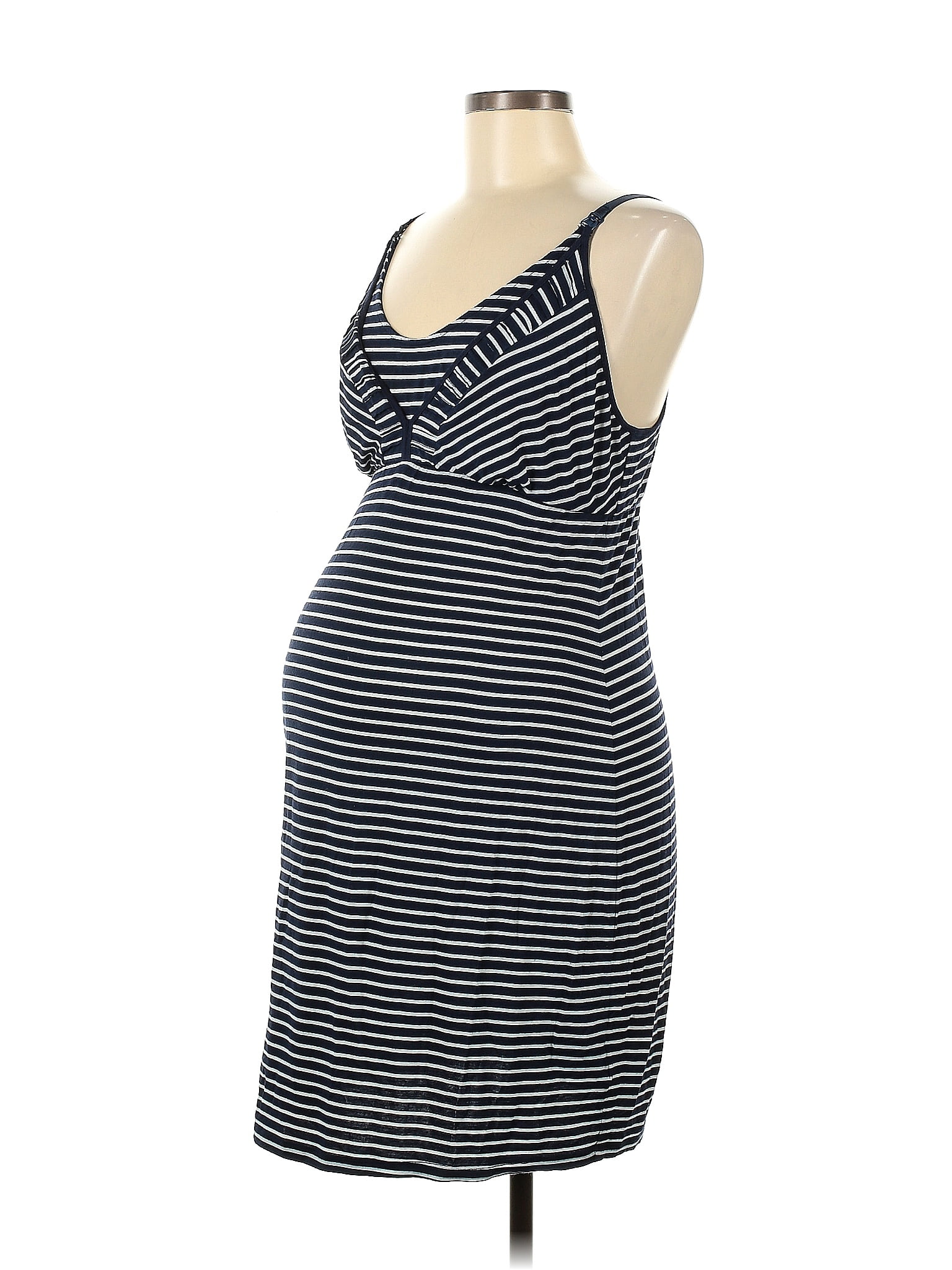
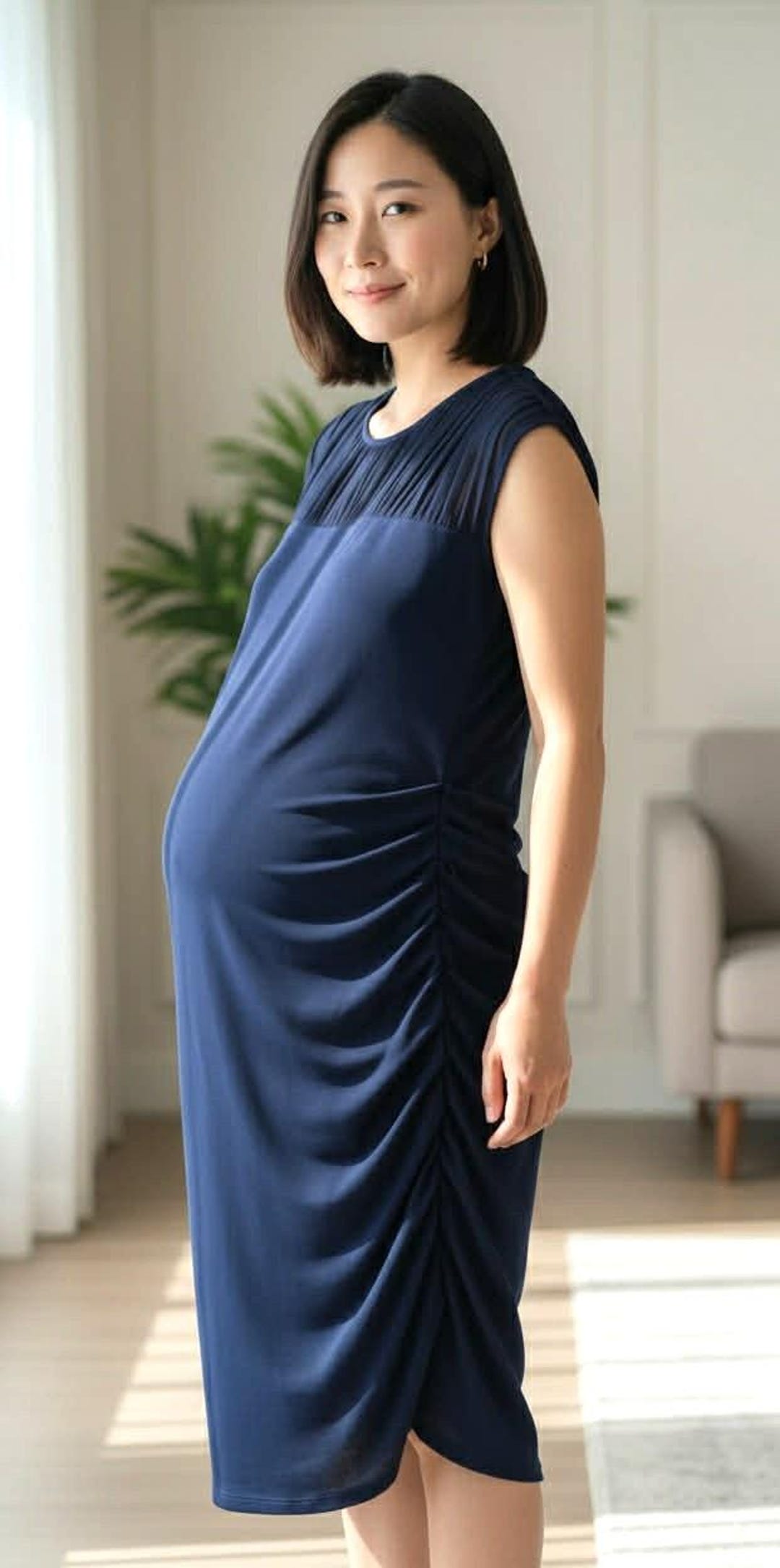
The retail shift for A Pea in the Pod marks a transition from a traditional, high-overhead physical store model to a sophisticated, digital-first hybrid strategy. Following its acquisition by Marquee Brands, the company pivoted to prioritize e-commerce while maintaining a curated selection of high-touch physical boutiques in key luxury markets to serve the modern, upscale maternity consumer.
The Catalyst for Change: From Destination Maternity to Marquee Brands
To understand the current retail landscape of A Pea in the Pod in 2026, one must look back at the structural transformation that began in late 2019. Previously part of the Destination Maternity Corporation—which also owned Motherhood Maternity—A Pea in the Pod was once anchored in a massive brick-and-mortar ecosystem. At its peak, the parent company operated over 1,100 retail locations across North America, including standalone stores and "shop-in-shop" concepts within department stores like Macy’s and Boscov’s.
The 2019 Chapter 11 bankruptcy filing of Destination Maternity served as the primary catalyst for the "retail shift." The subsequent acquisition by Marquee Brands for approximately $50 million decoupled the brand from its debt-heavy physical footprint. Marquee Brands, a global brand owner and marketing platform, recognized that the high-end maternity market was moving away from mall-based shopping toward a more personalized, digitally integrated experience. This realization led to the immediate closure of hundreds of underperforming locations and a complete reimagining of how the brand interacts with its target audience.
The Digital-First Pillar: Rebuilding the Core
In the years following the acquisition, A Pea in the Pod underwent a rigorous digital transformation. By 2026, the brand’s online platform has become its primary engine for growth. This was not merely a website update; it was a fundamental shift in how maternity clothing is marketed and sold.
Omnichannel Integration and Data Analytics
The shift involved investing heavily in data-driven marketing. By leveraging customer data, the brand can now predict a shopper's needs based on their trimester. In 2026, the platform utilizes advanced AI-driven sizing tools to mitigate the high return rates typically associated with maternity wear. These tools allow customers to input their pre-pregnancy measurements and current stage of pregnancy to receive highly accurate "size-right" recommendations across various categories, from denim to evening wear.
The Rise of Social Commerce
A significant portion of the retail shift focused on "meeting the customer where they are." For the modern millennial and Gen Z mother, that location is social media. A Pea in the Pod shifted its marketing budget away from traditional print and mall signage toward influencer partnerships and integrated shopping on platforms like Instagram and TikTok. This strategy allows the brand to maintain its "luxury" status while remaining accessible to a younger demographic that values authenticity and peer recommendations over corporate advertising.
The New Physical Footprint: Quality Over Quantity
Contrary to some early predictions that the brand would become "online-only," A Pea in the Pod strategically re-entered the physical retail space. However, the 2026 model bears little resemblance to the sprawling mall stores of the early 2000s.
The Concept Boutique Model
The current physical strategy centers on "boutique flagship" locations in high-income urban hubs. For example, the brand has focused on key markets such as Chicago’s Gold Coast and New York City. These locations serve as showrooms rather than traditional warehouses for inventory. They are designed to provide a high-end "concierge" experience where expectant mothers can feel the fabrics, test the fit of designer denim (like AG Jeans or 7 For All Mankind), and receive personalized styling advice.
Partnerships and Pop-ups
Another facet of the retail shift is the use of "Lease on Retail" and flexible pop-up concepts. These allow the brand to test new markets—such as Austin, Miami, or Los Angeles—without committing to a ten-year commercial lease. This agility is a hallmark of the Marquee Brands era, ensuring that the physical presence remains profitable and responsive to shifting demographic trends.
Comparing the Traditional and Modern Retail Models
The following table outlines the fundamental differences between the legacy retail approach and the current 2026 strategic model for A Pea in the Pod.
| Feature | Legacy Model (Pre-2019) | Modern Hybrid Model (2026) |
|---|---|---|
| Primary Sales Channel | Brick-and-Mortar (Malls) | E-commerce / Mobile App |
| Store Footprint | 1,000+ locations (with Motherhood) | Selective Urban Flagships & Pop-ups |
| Inventory Strategy | High on-site stock levels | Showrooming / Ship-to-home from DC |
| Marketing Focus | Mall traffic & catalogs | Social commerce & Influencer marketing |
| Customer Sizing | Manual fitting room experience | AI-powered sizing & virtual consultations |
| Brand Identity | Generalist maternity retailer | Curated luxury/designer maternity boutique |
Product Curation and the "Luxury" Pivot
A critical component of the retail shift has been the refinement of the product catalog. Under the old model, the brand often overlapped with its sister company, Motherhood Maternity, leading to brand confusion. Today, A Pea in the Pod has strictly carved out the "premium" segment of the market.
Exclusive Designer Collaborations
To justify its higher price points and maintain its status in the retail hierarchy, the brand has leaned into exclusive partnerships. By offering maternity-specific cuts of high-end brands like Paige, Joe's Jeans, and Splendid, A Pea in the Pod provides a product that generalist retailers cannot easily replicate. This curation is essential for the "retail shift" because it builds brand loyalty that transcends the specific channel through which the customer purchases.
Expanding the Lifecycle: Postpartum and Beyond
Recognizing that the "maternity" window is relatively short (roughly 6 to 9 months of active shopping), the brand has shifted its inventory to include "Fourth Trimester" and postpartum wear. This includes high-end nursing apparel, recovery gear, and "investment pieces" that are designed to be worn both during and after pregnancy. This expansion increases the Lifetime Value (LTV) of each customer, making the digital-first model more sustainable.
Logistics and the Supply Chain Evolution
The shift in retail strategy necessitated a complete overhaul of the back-end logistics. In the legacy model, inventory was fragmented across hundreds of stores, leading to inefficiencies and frequent markdowns.
In 2026, A Pea in the Pod utilizes a centralized distribution model. By consolidating inventory into a few high-efficiency distribution centers, the brand has significantly reduced overhead costs. Furthermore, the shift includes a focus on "Drop Shipping" partnerships with third-party designer brands. This allows A Pea in the Pod to offer a wider variety of styles on its website without the financial risk of holding the physical inventory.
For the customer, this means a more reliable "in-stock" experience online, even if the local boutique only carries a curated sample. The integration of "Buy Online, Return In-Store" (BORIS) at the flagship locations further bridges the gap between the digital and physical worlds, providing the convenience shoppers now demand.
Challenges and Considerations in the Shift
While the shift has stabilized the brand's finances, it is not without challenges. The luxury maternity market is increasingly crowded, with digital-native competitors like Hatch Collection and Seraphine vying for the same affluent demographic.
- Customer Acquisition Costs (CAC): As digital advertising becomes more expensive, the brand must continuously innovate to keep acquisition costs low.
- The "Fit" Hurdle: Despite AI tools, many women still find maternity sizing frustrating. The limited number of physical stores means many customers cannot try on clothes before buying, making a seamless, free return policy a financial necessity.
- Brand Perception: Maintaining a "luxury" feel in a digital environment requires high-quality photography, premium packaging, and exceptional customer service—elements that are harder to control at scale than in a small boutique.
Frequently Asked Questions
Where can I find A Pea in the Pod stores in 2026?
While the brand has significantly reduced its total number of stores, it maintains flagship boutiques in major cities such as New York and Chicago. Additionally, select high-end department stores and "Lease on Retail" pop-ups in trendy urban neighborhoods provide physical touchpoints. It is recommended to use the "Store Locator" on their official website for the most current list of locations.
How has sizing changed with the shift to online shopping?
A Pea in the Pod has introduced advanced digital fit technology. Customers can use a "Fit Finder" tool that cross-references their pre-pregnancy size with their current week of pregnancy. The brand generally recommends sticking to your pre-pregnancy size, as the garments are engineered with extra room for the bump and changing proportions.
Is A Pea in the Pod still associated with Motherhood Maternity?
Both brands are owned by Marquee Brands, but they have been strategically separated to serve different market segments. A Pea in the Pod focuses on the luxury and designer market, while Motherhood Maternity targets a more budget-conscious, everyday-wear demographic. This separation is a key part of the retail shift to avoid internal competition.
Can I return online orders at physical store locations?
Yes, most A Pea in the Pod flagship locations accept returns for items purchased through the official website, provided they meet the return policy criteria (e.g., tags attached, within the return window). This is part of their omnichannel strategy to make the shopping process as convenient as possible.
Does the brand still carry designer labels?
Absolutely. A major part of the brand's retail shift has been reinforcing its position as a curator of designer maternity wear. They continue to carry exclusive maternity lines from brands like AG Jeans, 7 For All Mankind, and Articles of Society, alongside their own premium house labels.
Practical Recommendations for Shoppers
For those navigating the current A Pea in the Pod retail landscape, the best approach is a hybrid shopping strategy.
- Utilize the Digital Tools First: Before purchasing, use the AI sizing tools available on the website. These have been refined over several years to be highly accurate.
- Invest in "Foundation" Pieces: While the brand offers trendy items, their "shift" toward luxury means their basics—like leggings and maternity denim—are high-quality investment pieces designed to last through multiple pregnancies.
- Visit Flagships for Occasion Wear: If you are shopping for a formal event or a baby shower, visiting one of the physical flagship boutiques is highly recommended. The tactile experience and styling advice available in-person are invaluable for high-stakes outfits.
- Monitor for Pop-ups: Follow the brand on social media to stay informed about temporary pop-up shops in your city, which often offer exclusive in-person discounts or early access to new collections.
The retail shift of A Pea in the Pod reflects the broader evolution of the fashion industry: a move away from the "quantity" of the mall era toward a "quality" focused, digitally empowered future. For the consumer, this results in a more curated, sophisticated, and efficient shopping experience that respects the unique needs of the maternity journey.