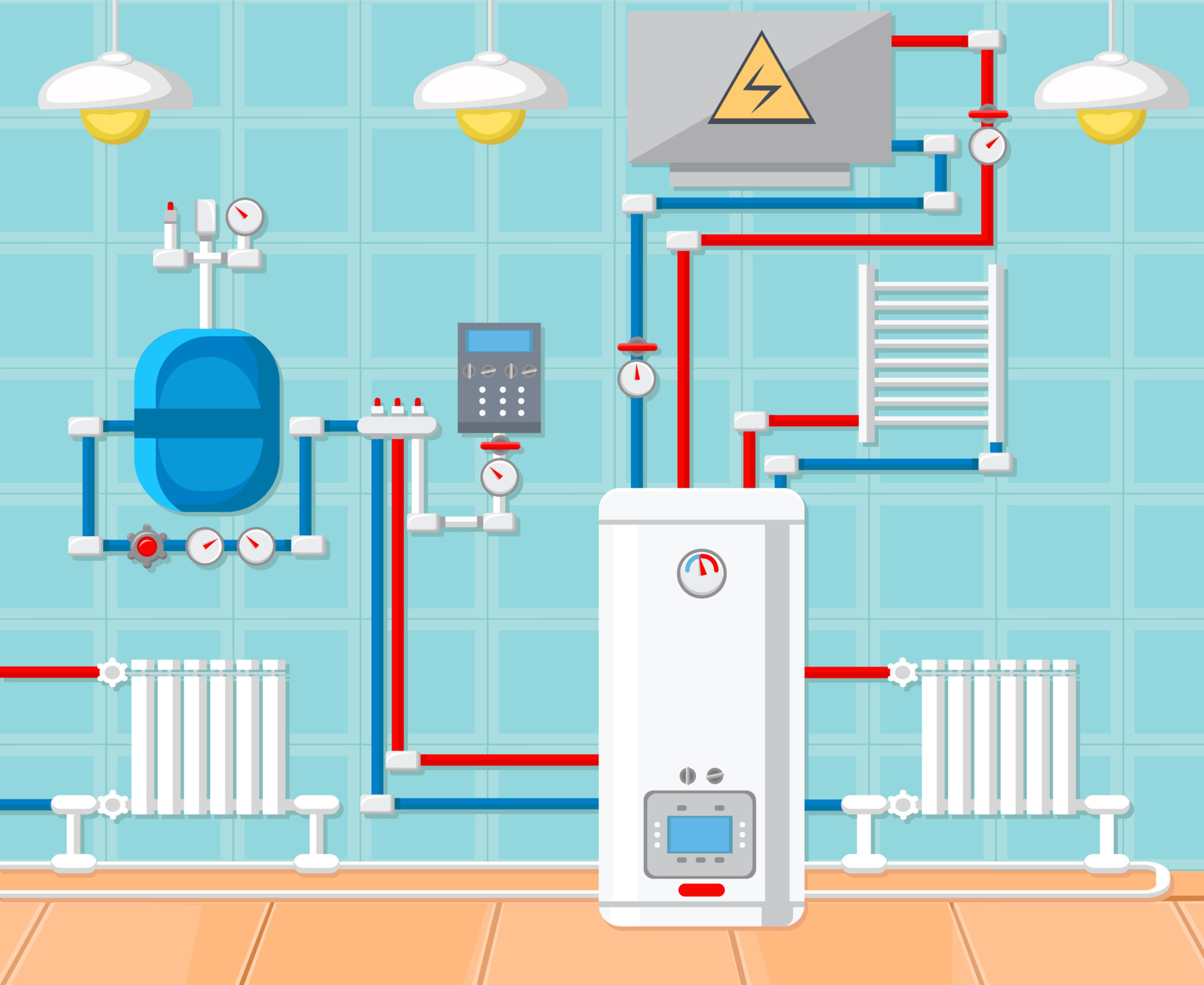
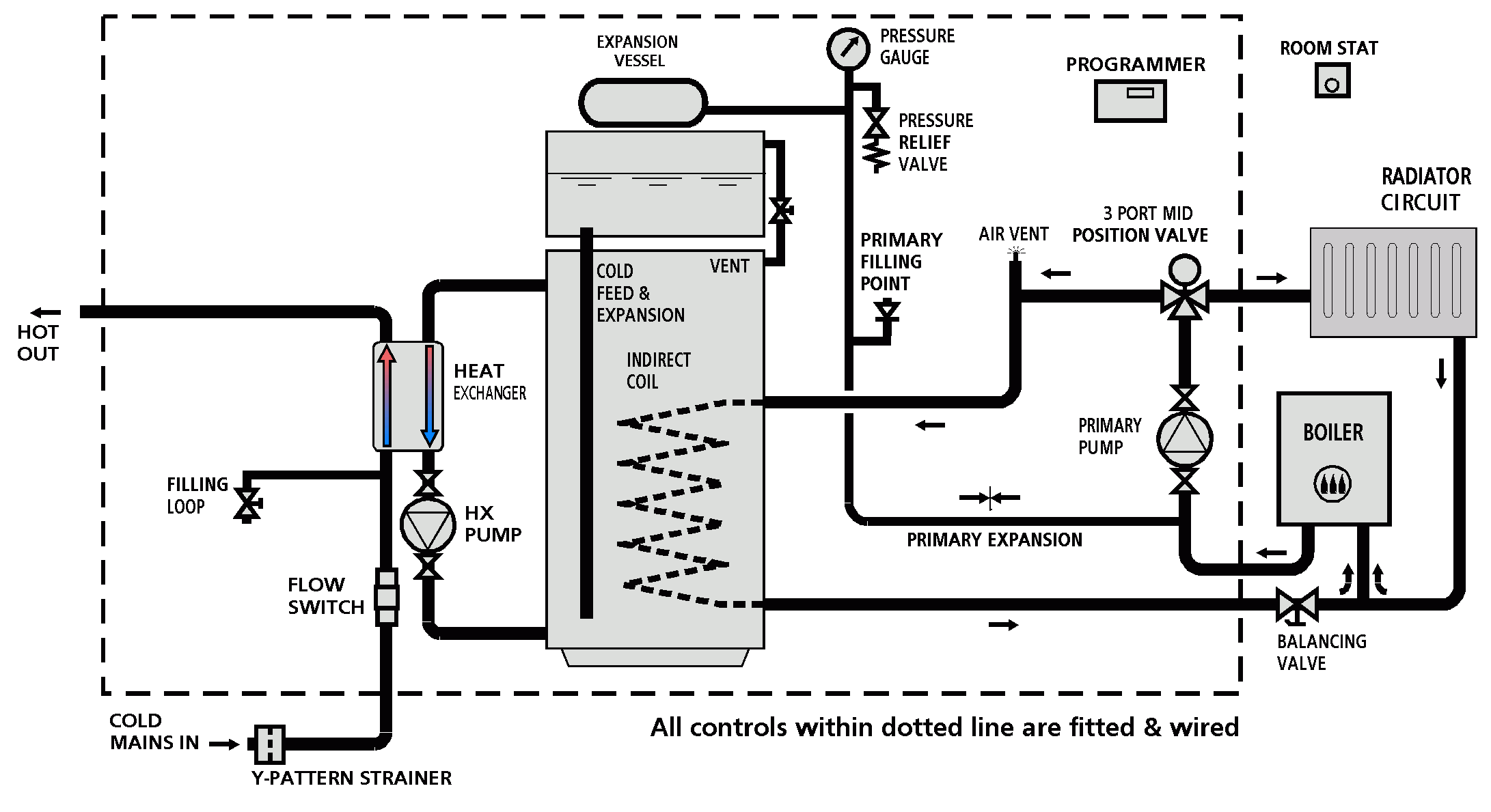
Hot water boiler heating is a hydronic heating system that circulates heated water through a network of pipes to radiators, baseboard heaters, or radiant floor systems to provide consistent indoor warmth. Unlike forced-air furnaces that heat air directly, these systems rely on the thermal mass of water to distribute heat evenly, offering a stable and quiet climate control solution for residential and commercial structures.
Understanding the Hydronic Process
At its core, a hot water boiler—often referred to as a hydronic heating unit—functions by transferring heat from a fuel source (such as natural gas, propane, oil, or electricity) into water stored within a pressure-resistant vessel. Once the water reaches the thermostat-designated temperature, a circulator pump pushes the heated liquid through a closed-loop piping system.
The water moves to heat emitters, which are the components that release the thermal energy into the living space. Once the water cools, it returns to the boiler to be reheated. This cyclical process ensures a continuous supply of heat. Because water holds heat significantly longer than air, boilers are often praised for providing a more comfortable, "even" warmth that does not dry out the indoor air or distribute dust and allergens in the way that forced-air systems can.
Types of Boilers and Fuel Sources
Selecting the right boiler requires an understanding of both the combustion method and the distribution system. As of 2026, homeowners and contractors primarily choose between the following fuel and system configurations:
Fuel Types
- Natural Gas and Propane: These are the most common fuel sources in North America. Modern high-efficiency gas boilers utilize condensing technology to capture heat from exhaust gases, significantly boosting energy efficiency.
- Heating Oil: Frequently found in older homes or regions where natural gas infrastructure is unavailable. Oil boilers typically require larger storage tanks on the property and more frequent professional maintenance due to soot buildup.
- Electric: These units are generally easier to install and maintain because they do not require venting or fuel lines. However, they can be more expensive to operate depending on local electricity rates.
System Configuration
- Cast Iron Boilers: Known for their durability and longevity. They are heavy, hold heat well, and are often found in older radiator-based systems.
- Modulating-Condensing Boilers: These are the modern standard for high efficiency. They adjust their heat output based on the precise load required, rather than simply cycling on and off at full power. They also recover latent heat from the flue gases.
Heat Distribution Methods
The boiler is merely the engine; the heat emitters define the character of the warmth in your home. Understanding the delivery method is essential for troubleshooting and efficiency.
- Cast Iron Radiators: Common in older homes, these provide slow, steady radiant heat. They remain warm long after the boiler shuts off, which helps maintain steady temperatures.
- Baseboard Convectors: These systems use copper piping with aluminum fins concealed behind metal covers. They are highly responsive and compact, though they rely on air circulation (convection) to move heat into the room.
- Radiant Floor Heating: This is widely considered the pinnacle of hydronic comfort. PEX tubing is installed under flooring, turning the floor itself into a large heat emitter. It provides consistent heat at floor level, where occupants actually spend their time.
Comparison of Heating System Characteristics
| Feature | Radiators | Baseboard Convectors | Radiant Floor |
|---|---|---|---|
| Heat Type | Mostly Radiant | Convection | Radiant |
| Response Time | Slow | Moderate | Very Slow |
| Space Usage | High (Visual/Physical) | Low | None (Hidden) |
| Efficiency | Moderate | Moderate | High |
| Installation Cost | High (Retrofit) | Low | Very High |
Routine Maintenance and Troubleshooting
To ensure a boiler system reaches its expected lifespan—which often exceeds 20 to 30 years for high-quality units—regular maintenance is non-negotiable. Many of these tasks require professional intervention to comply with safety codes and insurance requirements.
Annual Professional Check-up
Every year, usually in late summer or early fall before the heating season begins, a licensed technician should perform the following:
- Venting Inspection: Ensuring that carbon monoxide and exhaust gases are venting correctly to the exterior.
- Pressure Check: Boilers are pressurized systems. If the pressure drops, the system cannot pump water effectively; if it rises too high, relief valves may trigger.
- Sediment Flushing: Over time, minerals and sediment can accumulate in the boiler vessel, reducing heat transfer efficiency and potentially causing noise or damage.
Common User-Performed Tasks
- Bleeding Radiators: If your radiators have cold spots at the top, air may be trapped inside. Using a radiator key to open the bleed valve allows air to escape, replaced by water. This should be done carefully to avoid hot water burns.
- Monitoring Pressure Gauges: Most modern boilers have a pressure gauge. Refer to your owner’s manual for the "normal" range—typically between 12 and 20 PSI for residential systems.
- Circulator Pump Checks: If the system is not heating, ensure the circulator pump is running. A silent, cold pump usually indicates a power or mechanical failure.
Troubleshooting Common Issues
When the heat is inconsistent, systematic troubleshooting can save you a service call.
1. The Boiler Won't Start Verify that the thermostat is set to "Heat" and that the temperature is set higher than the current room temperature. Check the emergency power switch (often a red wall switch near the unit) to ensure it hasn't been turned off.
2. Uneven Heating If only some rooms are warm, you likely have an airlock in the pipes or a failing zone valve. Zone valves control the flow of water to specific areas of the house. If a valve is stuck shut, that zone will remain cold regardless of the boiler’s status.
3. Leaking Water Small drips from the relief valve may indicate high pressure or a failing expansion tank. Expansion tanks absorb the extra volume of water as it heats and expands. If the tank’s internal diaphragm fails, the system pressure will spike, and the relief valve will discharge water to prevent the pipe from bursting. This requires a professional replacement of the expansion tank.
Safety and Environmental Considerations
Hydronic heating is fundamentally safer than many alternatives, as there are no open flames within the living space and no risk of combustible dust being blown through ducts. However, because these systems utilize pressurized water and often combustion, safety is paramount.
Always ensure that carbon monoxide detectors are installed and tested regularly, particularly near the boiler room. If you smell gas or notice heavy sooting around the burner assembly, shut off the fuel supply if safe to do so and contact a professional immediately.
Regarding environmental impact, switching to a high-efficiency condensing boiler can significantly reduce a home’s carbon footprint. By capturing energy that would otherwise be lost through the chimney, these units extract more heat for every unit of fuel consumed. When paired with smart thermostat technology, homeowners can further optimize their usage by lowering temperatures in unoccupied rooms or during sleeping hours.
Frequently Asked Questions
How often should I bleed my radiators? You should bleed your radiators whenever you notice them failing to heat up at the top or if you hear persistent gurgling noises. In a healthy system, this might only be necessary once per year at the start of the heating season. If you find yourself bleeding them weekly, you likely have a leak or a failing auto-air vent that needs repair.
Is it normal for a boiler to make noise? A quiet "clicking" or "thumping" as pipes expand and contract is normal. However, loud banging or "kettling" (sounds like a boiling kettle) is often a sign of scale buildup inside the heat exchanger. This acts as an insulator, causing the water to overheat and turn to steam pockets. This requires professional descaling.
What is the ideal pressure for a residential boiler? Most residential hot water boilers operate between 12 and 20 PSI when the water is hot. If the pressure is constantly dropping, you have a leak in the system. If it is constantly rising, the expansion tank likely needs to be recharged or replaced.
Can I convert my baseboard system to radiant floors? Yes, but it is a major renovation. It requires removing existing flooring and installing PEX tubing, then re-flooring. However, you can often use the existing boiler to feed the new radiant system by adding a "mixing valve" to lower the water temperature to a safe level for subfloor tubing.
How does an expansion tank work? Water expands when it is heated. In a closed loop, that extra volume needs a place to go. The expansion tank contains a rubber bladder with compressed air on one side and the heating system water on the other. As the water expands, it compresses the air in the tank, maintaining stable pressure throughout the system.
Next Steps for Homeowners
If you are planning to install or upgrade a hot water boiler system, start by conducting an energy audit of your home. A professional can determine the "heat load" of your property—the amount of heat required to keep the home comfortable on the coldest days of the year. Avoid the common mistake of "oversizing" the boiler; a unit that is too large will cycle on and off too frequently (short-cycling), which reduces efficiency and shortens the lifespan of the equipment. Consult with a certified HVAC technician to discuss high-efficiency options available in your specific jurisdiction for 2026.