A budget deficit occurs when a government's total expenditures exceed its total revenue, excluding borrowings, within a specific fiscal year. To bridge this gap, the government must borrow funds, which adds to the national debt. While deficits can stimulate growth during recessions, persistent shortfalls can lead to higher interest rates and reduced fiscal flexibility.
The Fundamental Mechanics of a Budget Deficit
At its most basic level, a budget deficit is a shortfall in a government's income compared to its spending. For a sovereign nation, revenue is primarily generated through taxation—including personal income taxes, corporate taxes, social insurance taxes, and excise duties. Expenditures, on the other hand, encompass everything from infrastructure and national defense to social safety nets like Social Security and healthcare.
When the legislative and executive branches of a government finalize a budget for the year 2026, they project how much money will come in and how much will go out. If the projected spending is higher than the projected revenue, the result is a deficit. To pay for the programs that the revenue does not cover, the government issues debt instruments, such as Treasury bonds, notes, and bills. These are essentially IOUs sold to investors, including individuals, corporations, and foreign governments, with the promise of repayment plus interest.
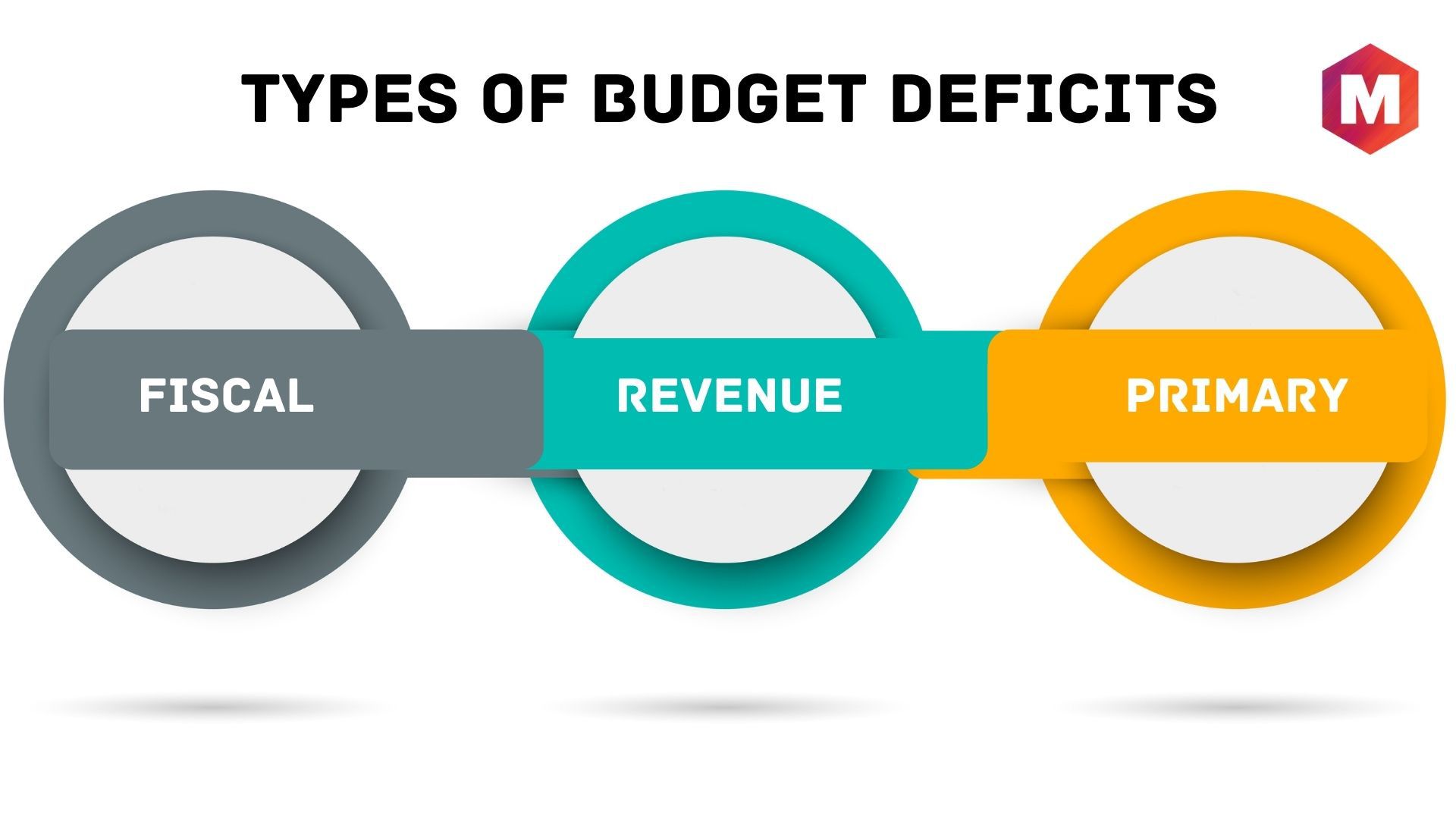
It is important to distinguish between the primary deficit and the total deficit. The primary deficit is the difference between current government spending on goods and services and total current revenue from all types of taxes. The total deficit includes the primary deficit plus the interest payments made on the existing national debt. In eras of high interest rates, the total deficit can grow significantly even if the government is relatively disciplined with its current spending.
Budget Deficit vs. National Debt: The Flow and the Stock
A common point of confusion in public discourse is the difference between "the deficit" and "the debt." Economists often use the analogy of a sink to explain the relationship. The deficit is the flow of water coming out of the faucet; it represents the amount added to the basin during a specific period (usually one fiscal year). The national debt is the pool of water sitting in the basin; it represents the cumulative total of all past deficits minus any surpluses.
If a government runs a deficit of $1 trillion in 2026, the national debt will increase by $1 trillion. Conversely, if the government runs a budget surplus—where revenue exceeds spending—it can use those extra funds to pay down the existing debt, effectively lowering the water level in the basin. Because most modern economies operate with a deficit most years, the national debt tends to grow over time.
The sustainability of this debt is often measured by the Debt-to-GDP ratio. This metric compares what a country owes to what it produces. A high ratio suggests that a country may have difficulty paying back its debt, whereas a lower ratio indicates a more manageable fiscal position. As of 2026, monitoring this ratio is a primary focus for credit rating agencies and international financial institutions like the International Monetary Fund (IMF).
The Primary Causes of Budget Deficits
Budget deficits rarely have a single cause. Instead, they are the result of a complex interplay between economic conditions, demographic shifts, and policy decisions. Understanding these drivers is essential for evaluating whether a deficit is a temporary necessity or a chronic structural problem.
1. Economic Cycles and Automatic Stabilizers
During economic downturns or recessions, budget deficits naturally tend to increase. This happens through "automatic stabilizers." When the economy slows down, businesses earn less profit and individuals earn less income, leading to a decrease in tax revenue. Simultaneously, government spending on social safety nets, such as unemployment insurance and food assistance, automatically increases. This "cyclical deficit" is often viewed as beneficial because it puts money back into the hands of consumers when the private sector is struggling.
2. Discretionary Fiscal Policy
Governments often intentionally create deficits through fiscal policy to achieve specific goals. This might involve significant tax cuts intended to stimulate private investment or massive spending programs for infrastructure and technology. In 2026, many nations continue to use discretionary spending to transition toward green energy or to bolster national security. While these investments may pay off in the long run, they require immediate borrowing.
3. Structural Imbalances and Demographics
A structural deficit exists regardless of where the economy is in the business cycle. This is often driven by long-term commitments that outpace revenue growth. In many developed nations, aging populations are a primary driver. As a larger percentage of the population enters retirement, spending on pensions and healthcare rises sharply, while the proportion of the population that is working and paying income taxes shrinks.
Why the Budget Deficit Matters: Impact on the Economy
The debate over budget deficits is not just about accounting; it is about the real-world impact on the cost of living, investment, and future prosperity. While a deficit can be a tool for economic management, it also carries significant risks.
The "Crowding Out" Effect
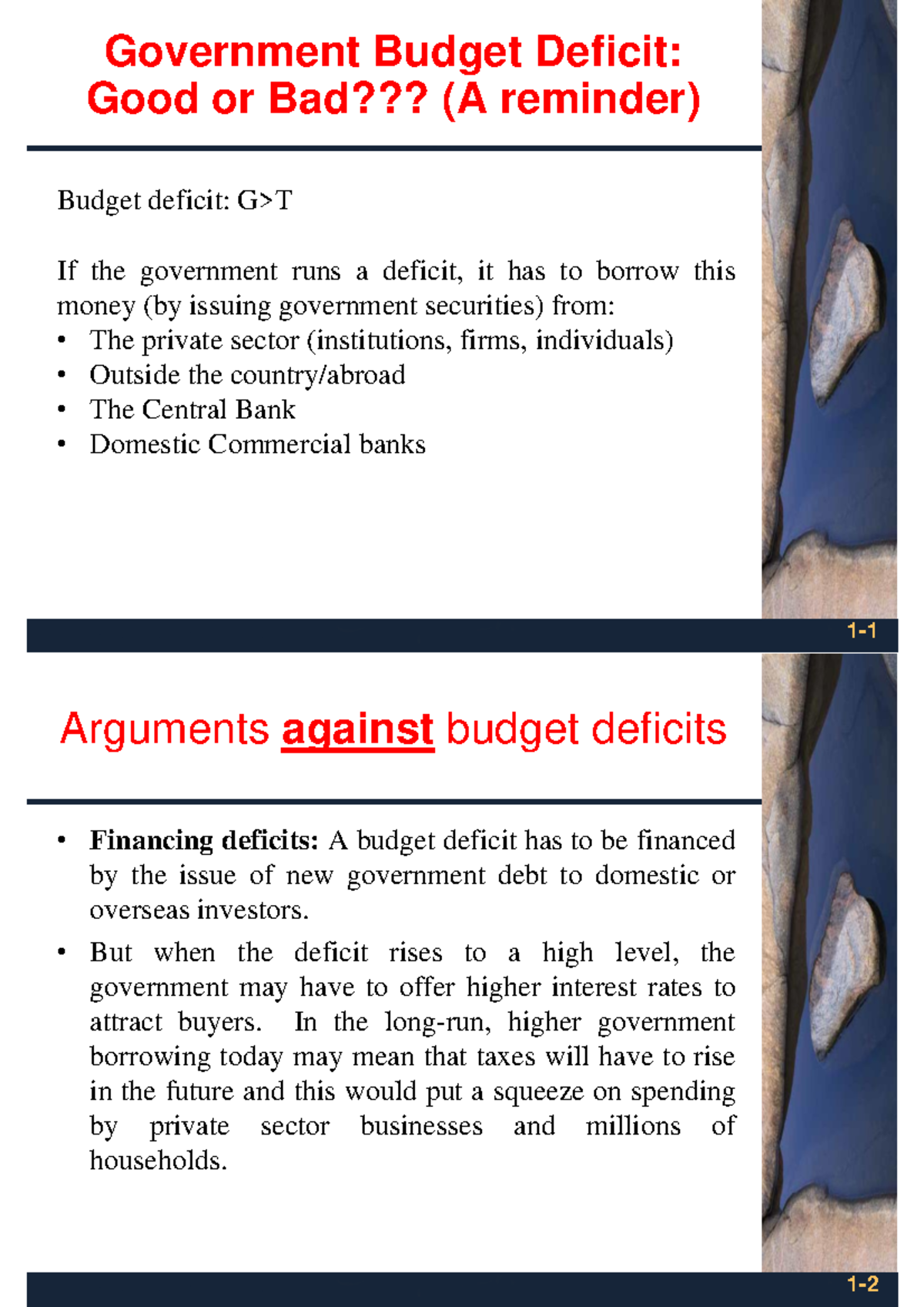
When a government borrows extensively, it competes with the private sector for available capital. If the demand for loans from the government is high, it can drive up interest rates for everyone else. This is known as the crowding out effect. Higher interest rates make it more expensive for businesses to expand and for individuals to take out mortgages or car loans. In a high-deficit environment, private investment may slow down because the cost of capital becomes prohibitive.
Inflationary Pressures
If a government finances its deficit by printing more money (or if the central bank buys up the debt through quantitative easing), the supply of money in the economy increases. If the supply of goods and services does not grow at the same pace, this can lead to inflation. While moderate inflation is often a target for central banks, rapid or unpredictable inflation erodes the purchasing power of citizens and can destabilize the economy.
Fiscal Flexibility and Future Taxes
Large deficits today create obligations for tomorrow. Every dollar borrowed must be paid back with interest. As the interest payments on the national debt consume a larger portion of the annual budget, the government has less "fiscal space" to respond to future emergencies, such as a pandemic, a natural disaster, or a war. Furthermore, to pay down the debt or keep up with interest payments, future governments may be forced to either cut essential services or raise taxes on the next generation of workers.
Comparing Types of Deficits
Not all deficits are created equal. Economists categorize them based on their origin and their likely duration.
| Type of Deficit | Primary Cause | Economic Context | Potential Solution |
|---|---|---|---|
| Cyclical Deficit | Economic recession or slowdown. | Short-term; occurs during the "trough" of a business cycle. | Economic recovery; wait for the cycle to turn. |
| Structural Deficit | Fundamental mismatch between tax rates and spending levels. | Long-term; persists even when the economy is at full employment. | Reform of entitlement programs or permanent tax increases. |
| Primary Deficit | Spending on programs exceeds revenue, excluding interest. | Reflects current policy choices. | Cutting current program spending or increasing current revenue. |
| Total Deficit | Includes all spending and interest payments on past debt. | Reflects both current policy and historical debt burden. | Combination of fiscal discipline and interest rate management. |
The Role of Sovereign Credit Ratings
Just as an individual has a credit score, a nation has a sovereign credit rating. Agencies such as Standard & Poor’s, Moody’s, and Fitch evaluate a government’s ability to repay its debt. A high budget deficit, especially if perceived as unmanaged, can lead to a credit rating downgrade.
A lower credit rating means that the government is seen as a riskier borrower, which forces it to pay even higher interest rates to attract investors. This creates a dangerous feedback loop: higher deficits lead to lower ratings, which lead to higher interest costs, which in turn increase the deficit further. Maintaining investor confidence is a cornerstone of modern fiscal management in 2026.
Strategies for Managing a Deficit
Addressing a budget deficit typically involves a combination of three main strategies: austerity, revenue enhancement, and economic growth.
- Austerity: This involves significant cuts to government spending. While effective at reducing the deficit, austerity can be politically unpopular and may slow down the economy if cuts are made too deeply or too quickly during a recession.
- Revenue Enhancement: This involves increasing taxes or closing tax loopholes. The challenge is to raise revenue without stifling the economic activity that generates taxes in the first place.
- Economic Growth: This is the most desirable way to reduce a deficit. If the economy grows faster than the debt, the Debt-to-GDP ratio improves. A larger economy generates more tax revenue naturally, even without raising tax rates. This is why many governments prioritize investments in education and infrastructure that are expected to boost long-term productivity.
Common Mistakes and Misconceptions
One of the most frequent mistakes is treating a national budget exactly like a household budget. While both must eventually balance income and expenses, governments have tools that households do not—such as the ability to tax, the ability to issue currency, and an infinite lifespan. A government can safely carry debt for centuries, provided the economy grows and the interest remains manageable.
Another misconception is that all deficits are "bad." In reality, a deficit can be a vital investment. If a government borrows at 3% interest to build a high-tech transportation network that increases national productivity by 5%, the deficit has actually made the country wealthier in the long run. The quality of the spending is just as important as the quantity of the borrowing.
Frequently Asked Questions
Does a budget deficit always cause inflation?
Not necessarily. A budget deficit causes inflation only when the total demand for goods and services exceeds the economy's ability to produce them, or when the deficit is financed by an excessive increase in the money supply. If there is plenty of spare capacity in the economy (such as high unemployment), a deficit might actually help move the economy toward its potential without triggering significant price increases.
Who does the government owe the money to?
The "lenders" are a diverse group. They include domestic citizens who buy savings bonds, pension funds that hold Treasury securities for safety, private banks, and foreign governments. In many large economies, a significant portion of the debt is actually held by other branches of the government or by the country's own central bank.
How does a deficit affect my daily life?
The most direct impact is through interest rates. If the government’s borrowing needs drive up market interest rates, you will pay more for a mortgage or a credit card balance. Indirectly, a persistent deficit can lead to higher taxes in the future or a reduction in the quality of government services like roads, schools, and public safety.
Can a country stay in deficit forever?
In theory, yes, as long as the economy continues to grow. If the rate of economic growth is higher than the rate at which the debt is growing, the debt becomes a smaller and smaller portion of the national income. However, if the debt grows faster than the economy for a prolonged period, it eventually becomes unsustainable, leading to a financial crisis or a forced restructuring of the debt.
What is a "balanced budget" amendment?
A balanced budget amendment is a constitutional rule that would require a government to ensure that its projected expenditures do not exceed its projected revenues. While supporters argue this forces fiscal discipline, critics point out that it could prevent the government from responding effectively to emergencies or economic recessions, potentially making downturns much worse.
Practical Recommendation for 2026
When evaluating the health of a nation's finances in 2026, do not look at the budget deficit in isolation. Instead, analyze the Debt-to-GDP ratio and the Interest-to-Revenue ratio. If a country is spending more than 15-20% of its total tax revenue just on interest payments, it is a sign that the deficit is becoming a structural burden that may limit future prosperity. For individuals, these macro trends suggest that diversifying investments and maintaining a hedge against potential inflation or rising interest rates remains a prudent financial strategy.