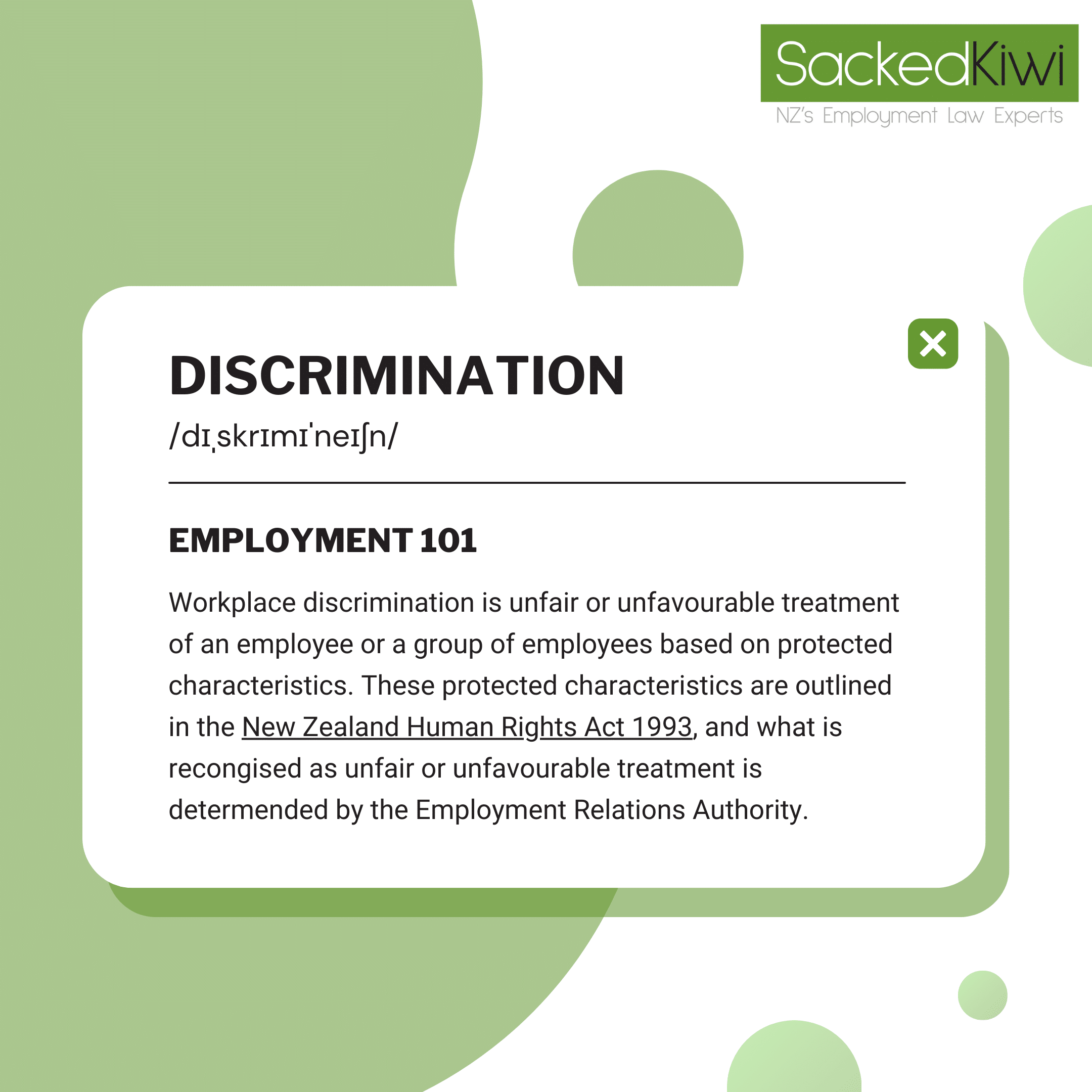
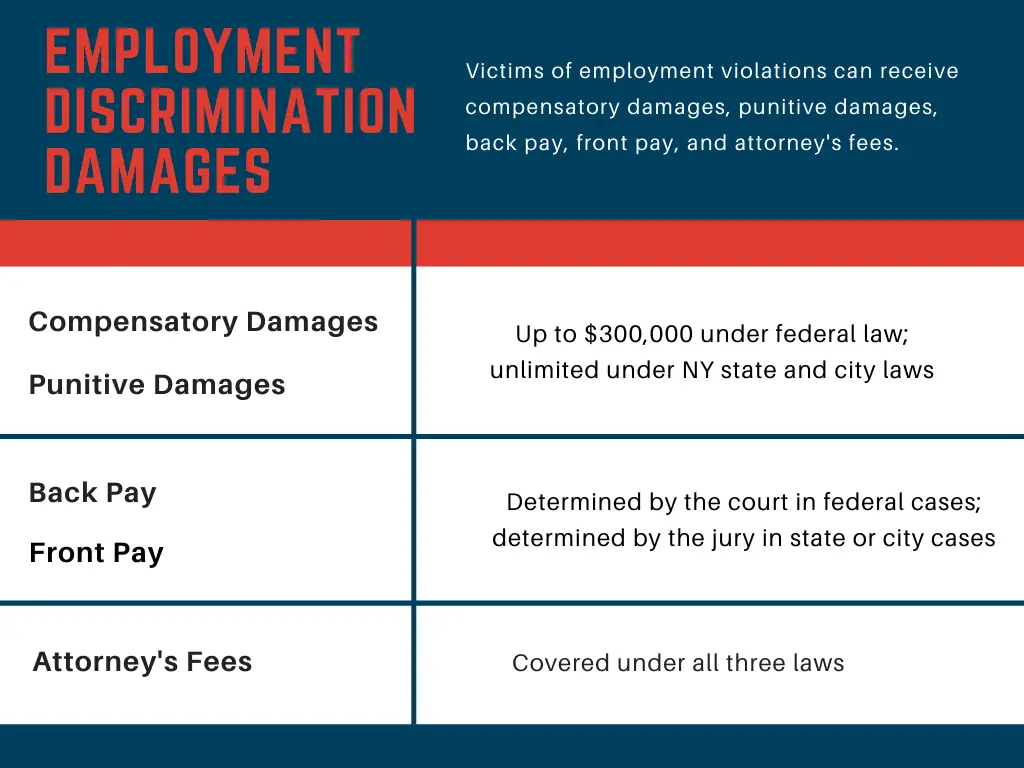
Attorney work discrimination occurs when a legal professional is subjected to adverse employment actions, hostile environments, or unequal treatment due to protected characteristics such as race, gender, age, disability, religion, or national origin. Navigating this issue requires a precise understanding of employment statutes, the unique structure of law firms as partnerships or corporate entities, and the formal procedures mandated by government agencies and internal firm policies to protect one’s career and rights.
The Legal Framework of Employment Discrimination
In the United States, protections against workplace discrimination are primarily governed by federal statutes enforced by the Equal Employment Opportunity Commission (EEOC). The most significant of these is Title VII of the Civil Rights Act of 1964, which prohibits employment discrimination based on race, color, religion, sex, and national origin. These protections apply to law firms with 15 or more employees.
For attorneys, the complexity often lies in the nature of their employment status. While traditional associates are clearly employees, partners in a law firm occupy a different legal standing. Courts often apply the "economic realities" test to determine if an individual is an "employee" protected by federal law or a "bona fide partner" who may not be covered under Title VII. Determining this status is a threshold question that often requires a review of the individual’s role in firm management, their ability to participate in profits and losses, and the extent of their control over firm operations.
Beyond federal law, many states and municipalities have enacted stricter anti-discrimination laws. For instance, the New York City Human Rights Law (NYCHRL) and similar statutes in California (FEHA) frequently provide broader protections than federal law, covering smaller firms and providing a lower threshold for proving a hostile work environment. Understanding the specific jurisdiction in which the law firm operates is the essential first step for any attorney facing discriminatory practices.
Identifying Actionable Discrimination in a Law Firm
Discrimination manifests in various forms, some of which are overt, while others are systemic and subtle. Identifying these actions is critical for documenting a potential claim or seeking an internal remedy.
- Hiring and Promotion Disparities: This involves persistent patterns where certain demographics are passed over for associate positions, mentorship opportunities, or the "partnership track" despite equal or superior performance metrics compared to peers.
- Compensation Inequality: Disparities in salary, bonuses, or origination credit that cannot be explained by billable hours, client development success, or seniority are often strong indicators of discriminatory practices.
- Hostile Work Environment: This occurs when an attorney is subjected to unwelcome conduct—such as discriminatory slurs, stereotypes, or derogatory comments—that is severe or pervasive enough to create an intimidating or abusive work environment.
- Retaliation: Perhaps the most common issue in legal environments is retaliation. If an attorney complains about discrimination and subsequently suffers from reduced work assignments, negative performance reviews, or termination, this constitutes a separate and often easier-to-prove cause of action under EEOC guidelines.
Distinguishing Performance Management from Discrimination
A common challenge in the legal industry is distinguishing between legitimate performance management and discriminatory bias. Law firms rely heavily on billable hour requirements, client feedback, and technical proficiency.
Performance management becomes discriminatory when the standards applied to the attorney are not applied consistently to their peers. For example, if a firm’s policy requires a specific number of billable hours for partnership consideration, yet that requirement is waived for some attorneys while strictly enforced against others based on protected characteristics, this evidence supports a claim of disparate treatment.
| Evidence Type | Purpose | Key Considerations |
|---|---|---|
| Performance Reviews | Documenting standard of work | Look for inconsistencies in feedback between similar peers. |
| Time Records | Comparing billable output | Verify if requirements are applied uniformly to all associates. |
| Compensation Statements | Evaluating financial equity | Compare bonuses and pay structures across departments. |
| Internal Emails/Memos | Identifying biased intent | Preserve all communications that indicate disparate treatment. |
Steps to Take When Discrimination Occurs
If you are an attorney experiencing discrimination, your path forward involves both strategic career management and legal protection.
1. Internal Documentation
Start a contemporaneous log of all incidents. Note the date, time, individuals involved, any witnesses, and the specific nature of the conduct. Keep copies of relevant documents—such as performance reviews, emails, and compensation letters—in a location outside of the firm’s server, provided that doing so does not violate attorney-client privilege or firm confidentiality agreements.
2. Reviewing Internal Policy
Consult your firm’s employee handbook or partnership agreement. Most firms have internal grievance procedures or designated HR representatives. While reporting internally is often the first step, evaluate the potential for retaliation and consult with an external employment attorney to weigh the risks of using internal channels versus filing an external complaint.
3. Seeking Legal Counsel
It is advisable to consult with an employment lawyer who specializes in high-stakes professional representation. An attorney experienced in this niche can help you determine if your status allows for a federal or state claim and can guide you through the process of preserving evidence without breaching your professional ethical obligations.
4. Filing an EEOC Charge
If you decide to pursue a formal claim, you must generally file a Charge of Discrimination with the EEOC or a corresponding state agency before you can initiate a private lawsuit. There are strict filing deadlines—typically 180 or 300 days depending on the state—so acting promptly is mandatory.
Common Legal Questions
Is it discrimination if I am fired for not meeting billable hour targets? Not necessarily. If the billable hour target is a legitimate, uniformly applied business policy, termination for failing to meet it is generally not considered discriminatory. However, if that requirement is used as a pretext to fire an attorney while others who also missed the target were retained, it may constitute disparate treatment.
Do I have a case if I am a partner in the firm? Your status as a partner significantly complicates a discrimination claim. Under the Supreme Court’s decision in Clackamas Gastroenterology Associates, P.C. v. Wells, the focus is on whether the individual has the status of an employer. If you have a seat at the table in management, you may not be protected by federal anti-discrimination laws.
What is the "burden of proof" in these cases? In employment discrimination cases, the plaintiff usually carries the initial burden of establishing a prima facie case. The employer then provides a non-discriminatory reason for the adverse action. Finally, the plaintiff must demonstrate that the employer’s stated reason is a "pretext" for actual discrimination.
Can I remain anonymous while filing an EEOC charge? Generally, no. When you file a charge, the EEOC is required to notify the employer of the identity of the person filing the charge. While the EEOC works to protect complainants from retaliation, your identity will become known to the firm as part of the investigation process.
How does my ethical duty as an attorney affect my case? You remain bound by professional conduct rules, such as client confidentiality and attorney-client privilege. You cannot disclose confidential client information to support your personal discrimination claim. You must work with your counsel to carefully curate the evidence you use to ensure you do not violate these ethical duties.
Next Actions for Affected Professionals
If you suspect you are the target of workplace discrimination, prioritize the protection of your career and your reputation. Begin by securing your records of performance, compensation, and interactions with supervisors. Avoid resigning abruptly, as this can negatively impact your legal standing and your ability to pursue a constructive discharge claim. Instead, seek a confidential consultation with an employment attorney who has experience representing professionals in the legal sector. They can provide an objective assessment of your situation, advise on whether to initiate an internal complaint, and help you navigate the delicate balance between asserting your rights and maintaining your professional standing in the legal community.