The Atlantic Foundation Stabilizor R is a specialized, high-capacity structural support system designed to remediate foundation settlement in residential and commercial buildings. By utilizing heavy-duty steel piers driven to load-bearing strata and a proprietary bracket assembly, the system provides a permanent solution for lifting and stabilizing sinking footings with surgical precision.
Foundation failure is one of the most significant threats to property value and structural integrity. Whether caused by expansive clay soils, poor compaction, or fluctuating water tables, a settling foundation can lead to cracked masonry, misaligned doors, and catastrophic structural collapse if left unaddressed. In the landscape of 2026, the Atlantic Foundation Stabilizor R stands as a benchmark for innovation, moving beyond traditional concrete "fixes" to provide an engineered, lifetime solution.
The Engineering Behind the Stabilizor R Innovation
The "Innovation" in the Stabilizor R system lies in its ability to address the "eccentric loading" problem that plagues many traditional foundation repair methods. Most standard push piers place the load of the house slightly off-center from the pier itself, which can create torque and potentially damage the concrete footing during the lifting process.
The Proprietary Bracket Assembly
The Stabilizor R utilizes a unique, low-profile bracket made of high-yield strength steel. This bracket is designed to "hug" the footing more effectively than generic alternatives. By distributing the lifting force over a larger surface area of the concrete, it minimizes the risk of the footing breaking or shearing during the hydraulic lift. In 2026, these brackets are often finished with advanced hot-dipped galvanization, ensuring they remain corrosion-resistant even in the high-moisture environments of the Southeastern United States and Mid-Atlantic coastal regions.
High-Torque and High-Capacity Piering
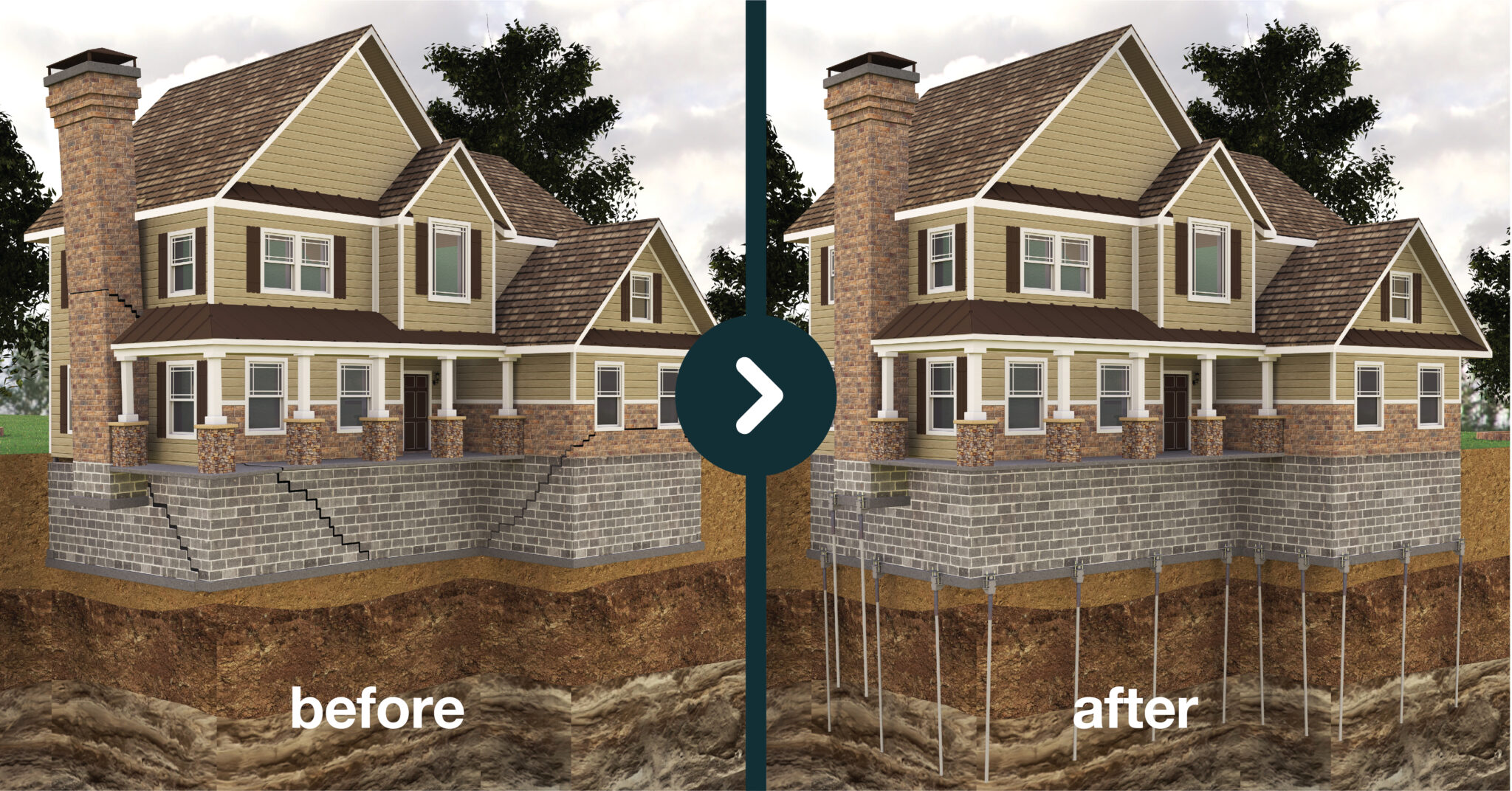
The system typically employs heavy-wall steel tubing. Depending on the specific structural requirements, these piers are either "push" piers (driven by the weight of the structure) or "helical" piers (screwed into the ground using hydraulic torque). The Stabilizor R system is specifically optimized for deep-driven applications, often reaching depths of 20 to 50 feet to find the "refusal" point—the layer of soil or rock capable of supporting the building's weight for decades.
Why the Stabilizor R Outperforms Traditional Methods
To understand why the Atlantic Foundation Stabilizor R is considered an innovation, one must compare it to the "old ways" of foundation repair, such as concrete pressing or simple mudjacking.
- Elimination of Soil Reliance: Traditional concrete cylinders rely on the same shallow soil that failed in the first place. The Stabilizor R bypasses these unstable upper layers entirely, transferring the load to deep, competent strata.
- Verifiable Capacity: During installation, the pressure required to drive each pier is monitored using hydraulic gauges. This allows engineers to calculate exactly how much weight each pier can hold, providing a factor of safety that "guessed" methods cannot match.
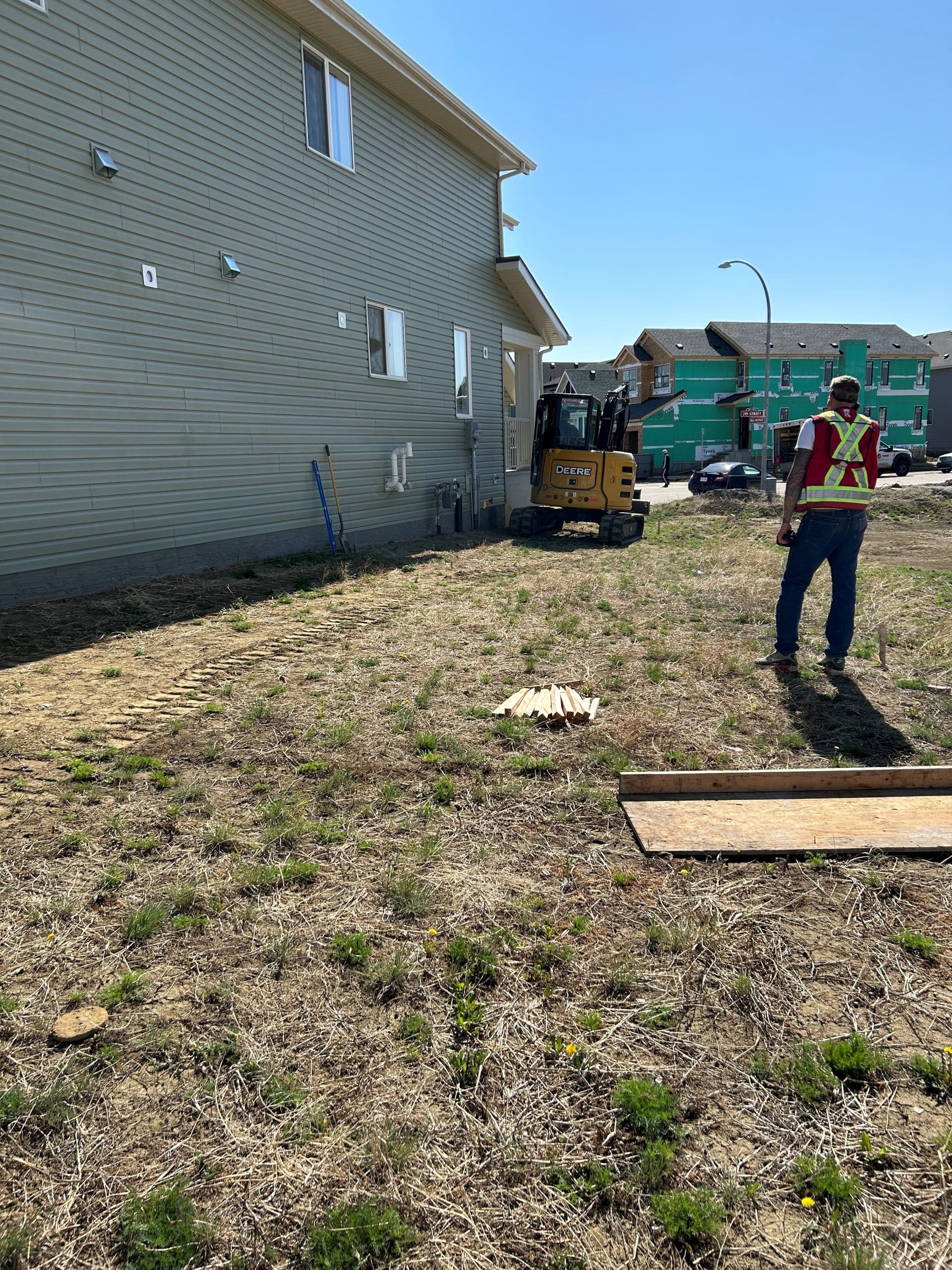
- Minimal Yard Disruption: Unlike traditional methods that require massive excavation and heavy machinery, the Stabilizor R can often be installed with hand-held equipment or small hydraulic units. This preserves landscaping and allows for repairs in tight spaces, such as crawlspaces or narrow alleys between urban townhomes.
- Immediate Results: Once the piers are set and the brackets are locked, the stabilization is immediate. There is no "curing time" required, as there would be with poured concrete piers.
Technical Specifications and Performance Data
For engineers and technically-minded homeowners, the performance metrics of the Stabilizor R are the primary selling point. As of 2026, the system is rated for various load capacities depending on the pier diameter and wall thickness.
| Feature | Specification / Detail | Benefit |
|---|---|---|
| Material | High-Yield Carbon Steel | Prevents bending or buckling under load. |
| Coating | ASTM A123 Hot-Dipped Galvanized | 50+ year protection against underground rust. |
| Ultimate Capacity | Up to 75,000 lbs per pier | Supports everything from light frames to masonry. |
| Installation Method | Hydraulic Synchronized Lift | Ensures even lifting across the entire foundation. |
| Bracket Design | Low-Profile Eccentric/Concentric | Minimizes excavation depth and maximizes lift. |
| Verification | Torque/Pressure Monitoring | Guaranteed load-bearing capacity for every pier. |
The Installation Process: A Step-by-Step Guide
The implementation of the Atlantic Foundation Stabilizor R is a controlled engineering event, not a simple construction task. It requires a sequence of steps that ensure the structural integrity of the home is maintained throughout the process.
Phase 1: Site Evaluation and Engineering
Before a single shovel hits the dirt, a structural evaluation is performed. This often involves floor elevation mapping using high-precision altimeters to determine exactly where the settlement has occurred and by how much. In 2026, many of these evaluations also incorporate ground-penetrating radar (GPR) to identify voids under the slab.
Phase 2: Excavation and Footing Preparation
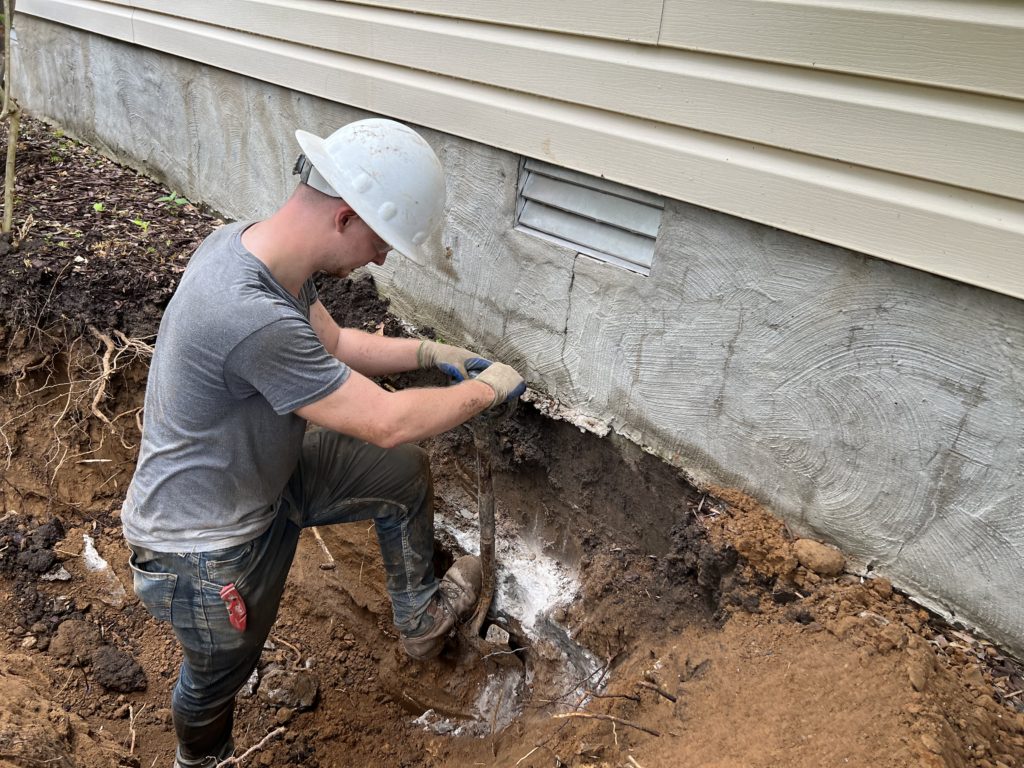
Small "access holes" (typically 3x3 feet) are excavated at each pier location. The foundation footing is then cleaned and "notched" if necessary to ensure the Stabilizor R bracket can sit flush against the concrete. This flush fit is critical for the direct transfer of weight.
Phase 3: Pier Driving
The steel pier sections are driven into the ground using a hydraulic ram. As each section is driven, another is sleeve-fitted or welded on top until the pier hits a layer of soil that can no longer be penetrated (refusal) or reaches a predetermined torque. This ensures the pier is "seated" in a layer of the earth that will not move.
Phase 4: The Synchronized Lift
This is where the Stabilizor R truly shines. Multiple hydraulic jacks are connected to a central manifold. This allows the installation team to lift the entire sunken section of the house simultaneously. Lifting one pier at a time could cause the house to twist and crack; synchronized lifting ensures the structure rises as a single, rigid unit.
Phase 5: Locking and Backfilling
Once the house has been restored to its original elevation (or as close as the structure's integrity allows), the brackets are permanently bolted or welded to the piers. The load is transferred from the hydraulic jacks to the steel pier system. The holes are then backfilled and compacted, and the site is restored.
Cost Considerations and Investment Value
Repairing a foundation is rarely "cheap," but it is an investment in the asset's longevity. In 2026, the cost of installing the Atlantic Foundation Stabilizor R system typically ranges from $1,800 to $3,200 per pier, depending on the depth of the stable soil and the complexity of the access.
Factors influencing the total cost include:
- Depth to Bedrock/Load-Bearing Soil: If piers must go 60 feet deep instead of 20, material costs increase.
- Obstructions: Utility lines, large tree roots, or interior walls can complicate the installation.
- Permitting and Engineering: Most jurisdictions require a third-party engineer to sign off on the repair plan and the final installation.
While the upfront cost is higher than "DIY" fixes or surface-level repairs, the Stabilizor R system usually comes with a transferable lifetime warranty. For homeowners looking to sell, this warranty is a crucial document that removes the "foundation red flag" during the inspection process, often recouping 100% or more of its cost in preserved home value.
Comparing Stabilizor R to Helical and Push Piers
While the Stabilizor R can be configured as either a push or helical system, it is important to understand when each is used within the "innovation" framework.
- Push Piers (Resistance Piers): These use the weight of the building as a counter-force to drive the pier. They are ideal for heavy masonry homes or multi-story buildings where there is plenty of "weight" to push against. The Stabilizor R push system is noted for its high-strength collars that prevent the pier from "kicking out" during the drive.
- Helical Piers: These function like a screw. They are better suited for lighter structures (like porches or chimneys) or for areas where the soil is very soft and doesn't provide enough resistance for a push pier. The Stabilizor R helical design features patented "True-Pitch" flights that ensure the pier pulls itself into the ground without churning the soil, which maintains the soil's natural load-bearing capacity.
Common Signs Your Foundation Needs the Stabilizor R System
Homeowners should monitor their property for specific indicators of foundation settlement. Early intervention can often reduce the number of piers required, significantly lowering the total cost of repair.
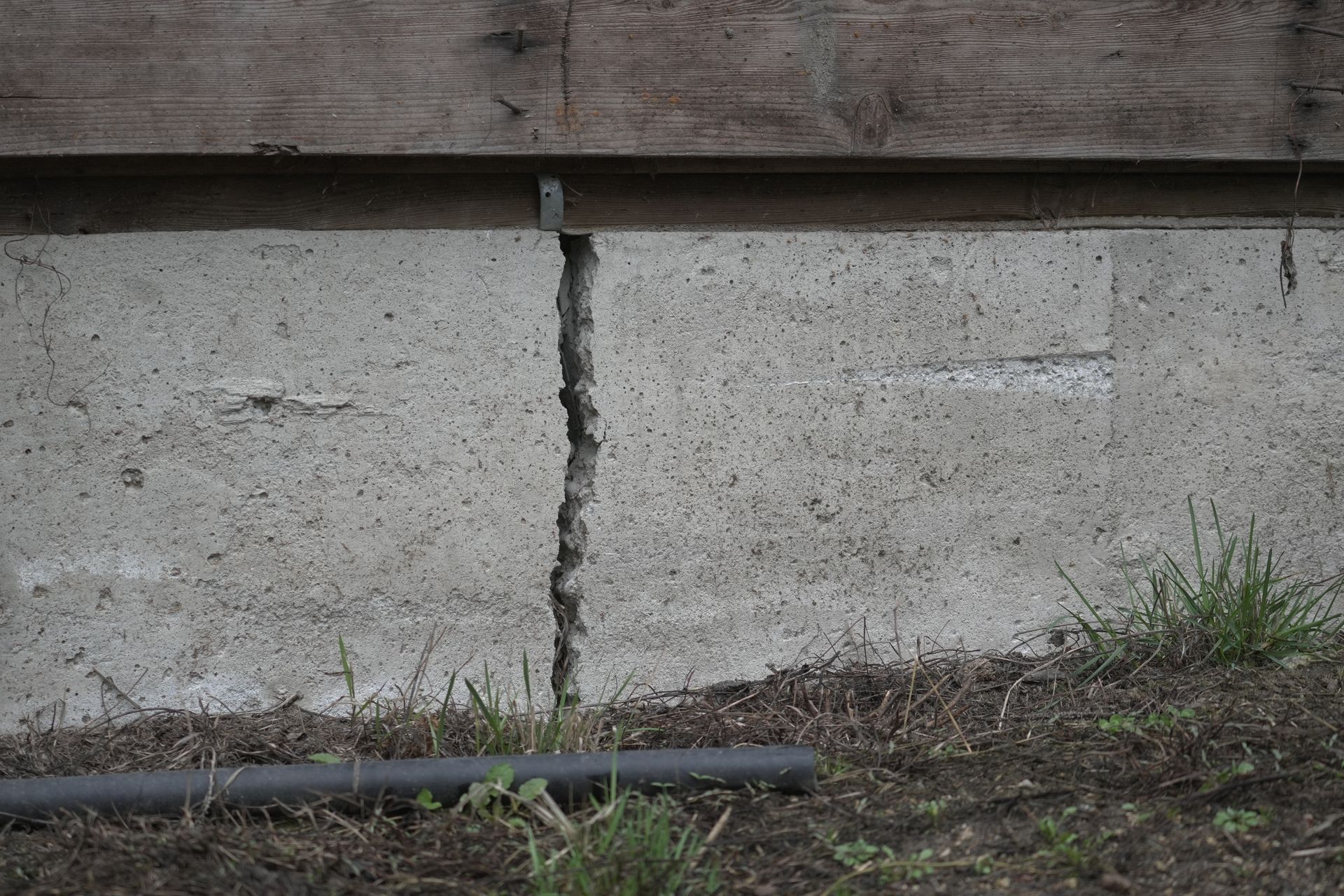
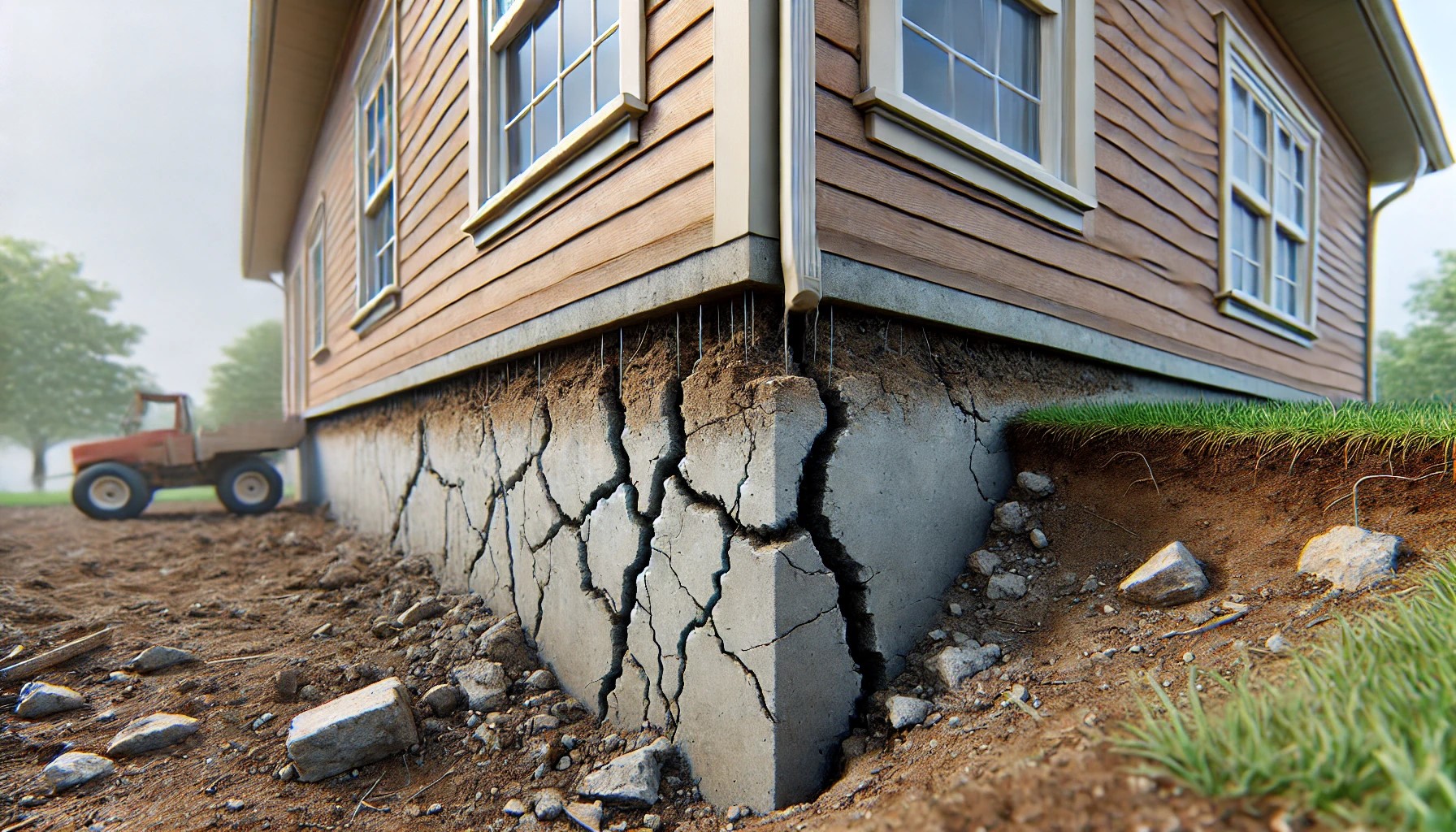
- Stair-Step Cracks: Often found in brick or cinder block walls, these cracks follow the mortar lines and indicate that one side of the wall is sinking faster than the other.
- Doors and Windows that Bind: If a door suddenly sticks at the top or a window becomes impossible to open, the frame has likely moved out of "square" due to foundation movement.
- Gaps Between Walls and Ceilings: Visible gaps where the wall meets the ceiling or the floor can indicate that the exterior footing is rotating outward or sinking.
- Chimney Separation: Because chimneys are often the heaviest part of a house and sit on a separate footing, they are frequently the first part of a structure to show settlement.
Maintenance and Longevity in 2026
The Atlantic Foundation Stabilizor R is designed to be a "install and forget" system. Because it is made of galvanized steel and seated in deep strata, it is unaffected by surface-level droughts or floods that cause the upper soil to shrink and swell.
However, foundation health is also tied to water management. To protect the investment, homeowners should:
- Maintain Gutters: Ensure downspouts discharge water at least 5 to 10 feet away from the foundation.
- Grade the Soil: Ensure the ground slopes away from the house to prevent "ponding" near the piers.
- Monitor Large Trees: Root systems can draw massive amounts of moisture out of the soil, causing localized shrinkage.
Frequently Asked Questions
How long does the installation of the Stabilizor R take?
For a typical residential project requiring 8 to 12 piers, the installation is usually completed in 3 to 5 business days. This includes excavation, pier driving, lifting, and site restoration. Larger commercial projects or those requiring interior piers may take longer.
Will the Stabilizor R fix the cracks in my drywall?
The system is designed to stabilize and, in many cases, lift the foundation back toward its original position. While this often closes or narrows existing cracks, it is not a guarantee that every crack will disappear. Some cosmetic repair (patching and painting) is almost always required after the structural stabilization is complete.
Is the Stabilizor R system better than "mudjacking"?
Yes, for structural settlement. Mudjacking (injecting slurry under a slab) is designed to fill voids or level sidewalk slabs. It does not provide deep structural support and can actually add weight to the failing soil, making the problem worse over time. The Stabilizor R provides a mechanical connection to deep, stable earth.
Does the system work in sandy coastal soils?
The Stabilizor R is particularly effective in coastal areas. In these environments, helical piers are often used because they can be screwed deep into the sand to reach more compact layers or even the water table's stable bottom, providing a much firmer "anchor" than a standard concrete footing.
Can the Stabilizor R be installed from the interior?
Yes. If an interior slab or load-bearing wall is settling, the system can be installed by cutting small access ports in the floor. This allows the piers to be driven inside the home, though it does require more extensive protection of the living space from dust and debris.
Final Recommendation
For property owners facing structural settlement in 2026, the Atlantic Foundation Stabilizor R represents a high-tier engineering solution that prioritizes long-term stability over short-term savings. Its innovative bracket design and high-capacity steel piers address the fundamental causes of foundation failure. If you observe stair-step cracks, sticking doors, or a leaning chimney, the first step should be a professional structural evaluation to determine if a deep-piering system like the Stabilizor R is required to protect your home's future.