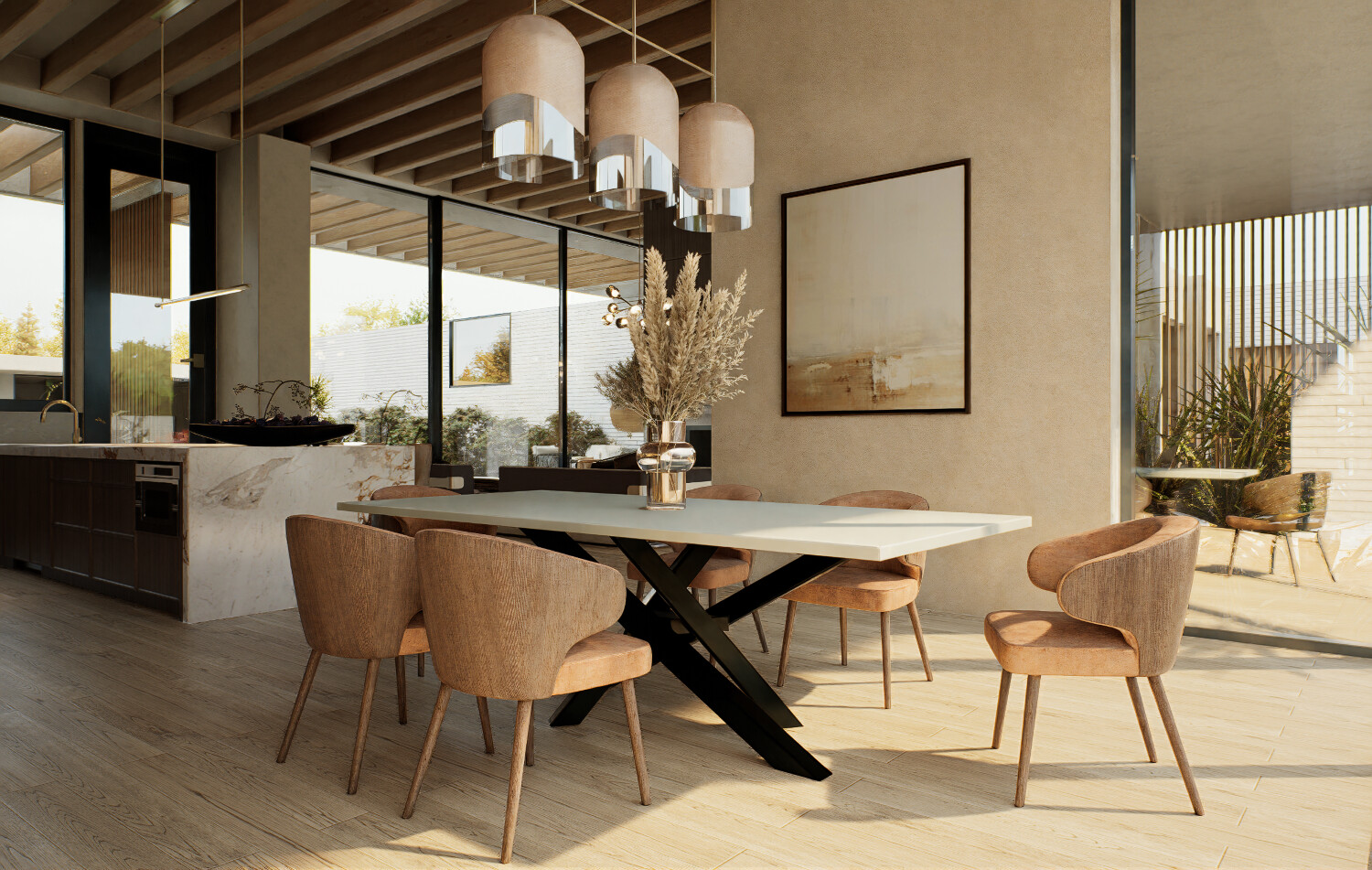
Artisan concrete and surfaceworks represent the specialized intersection of structural engineering and high-end interior design, utilizing advanced mix designs like GFRC and reactive stains to create bespoke architectural elements. These services focus on transforming raw minerals into functional art for residential and commercial floors, countertops, and vertical wall assemblies.
Defining Artisan Concrete and Surfaceworks in 2026
The term artisan concrete refers to a specialized branch of the concrete industry that prioritizes aesthetics, texture, and customization over mere structural utility. While standard concrete is often viewed as a gray, utilitarian building material for sidewalks or foundations, artisan concrete is treated as a premium finish material comparable to marble, granite, or high-end hardwood.
Surfaceworks encompass the various techniques used to refine, coat, or overlay these concrete elements. This includes everything from mechanical diamond polishing and acid-based staining to the application of micro-toppings—ultra-thin layers of polymer-modified cement that can be applied over existing substrates like wood or tile to provide a seamless concrete appearance.
In 2026, the industry has moved toward high-performance materials that offer greater flexibility and durability than traditional "wet-cast" concrete. Modern artisan surfaceworks rely heavily on Glass Fiber Reinforced Concrete (GFRC), which allows for thinner, lighter, and stronger pieces that can be cast into complex 3D shapes without the need for heavy steel reinforcement.
The Core Components of Artisan Concrete Systems
To understand why artisan concrete carries a premium value, one must look at the specific material science involved. Unlike the "bag mix" found at local hardware stores, artisan concrete is a precision-engineered product.
High-Performance Mix Designs
Artisan concrete usually begins with a base of white or gray Portland cement, but the addition of pozzolans (like silica fume or metakaolin) is what creates the "high-performance" aspect. These additives react with the byproducts of cement hydration to create a denser, less porous matrix. This density is crucial for kitchen countertops or bathroom vanities where moisture and stain resistance are paramount.
Admixtures and Polymers
Modern surfaceworks utilize acrylic polymers to increase the flexural strength of the concrete. This allows artisan makers to create long, seamless spans—such as a 12-foot kitchen island—without the high risk of structural cracking associated with standard concrete. Plasticizers are also added to reduce the water-to-cement ratio, resulting in a finished product that is significantly harder and more durable than typical house-foundation concrete.
Decorative Aggregates
The "look" of artisan concrete often comes from what is inside it. By using specialized aggregates—such as recycled glass, mother-of-pearl, or local river stones—and then grinding the surface down, craftsmen reveal a unique "terrazzo" style finish. In 2026, there is a significant trend toward using locally sourced, recycled aggregates to meet sustainability and LEED certification goals in high-end construction.
Primary Applications of Artisan Surfaceworks
Artisan concrete is versatile enough to be used throughout a structure, but it excels in areas where a "monolithic" or seamless look is desired.
Architectural Countertops and Vanities
This is perhaps the most well-known application of artisan concrete. Because concrete is cast in a liquid state, it can include integral sinks, drainboards, and custom edges that are impossible to achieve with natural stone. The ability to color-match concrete to any paint swatch makes it a favorite for interior designers seeking a specific palette.
Seamless Flooring and Micro-toppings
For clients who want the "industrial chic" look without the weight of a full 4-inch slab, artisan surfaceworks offer micro-toppings. These are applied at a thickness of 1/8th to 3/16th of an inch. They provide a continuous, joint-free surface that is easy to clean and highly resistant to foot traffic. In commercial settings like high-end retail stores or galleries, polished concrete flooring remains the gold standard for 2026.
Vertical Wall Panels and Fireplace Surrounds
Artisan concrete panels are increasingly used as a lightweight alternative to heavy masonry. Using GFRC techniques, craftsmen can create large-format panels that look like massive concrete blocks but are only an inch thick. These are mechanically fastened to wall studs, providing a fire-resistant and modern aesthetic for fireplace surrounds and feature walls.
Technical Comparison of Surfacing Options
When choosing between different types of artisan concrete and surfaceworks, it is important to understand the technical trade-offs regarding weight, thickness, and application method.
| Surface Type | Typical Thickness | Primary Benefit | Best Use Case |
|---|---|---|---|
| Traditional Wet-Cast | 1.5" - 3.0" | High thermal mass, classic look | Heavy furniture, outdoor kitchens |
| GFRC (Glass Fiber) | 0.75" - 1.0" | High strength, lower weight | Large countertops, wall panels |
| Micro-Topping | 0.06" - 0.125" | Applies over existing floors | Renovations, weight-sensitive areas |
| Polished Concrete | Full slab depth | Extreme durability, low maintenance | Commercial floors, modern lofts |
| Self-Leveling Overlay | 0.25" - 0.5" | Perfectly flat, fast install | Uneven subfloors, retail spaces |
The Artisan Process: From Design to Sealing
The creation of an artisan concrete surface is a multi-stage process that requires both technical precision and artistic intuition.
1. Templating and Formwork
For cast-in-place or pre-cast pieces, the process begins with precise templating. Forms are typically built from melamine-coated particle board or high-density plastic. Every seam in the form must be sealed with silicone, as concrete will reproduce even the smallest imperfection in the mold—including the texture of a fingerprint or a grain of sand.
2. Casting and Consolidation
During the pour, the concrete must be consolidated to remove trapped air. In artisan work, this is done via vibration tables or specialized "hand-packing" techniques. Hand-packing creates a "pressed" look with small voids known as "bugholes," which are often filled later with a contrasting slurry color to add visual depth.
3. Curing
Curing is the chemical process where the concrete gains strength. Artisan concrete is often wet-cured under plastic for several days to ensure the cement hydrates slowly. Rapid drying leads to curling and cracking, which are unacceptable in high-end surfaceworks.
4. Grinding and Polishing
Once cured, the surface is processed using diamond-impregnated pads. The "grit" of these pads ranges from 30 (very coarse) to 3000 (mirror-like shine). This stage determines the level of aggregate exposure—from a "cream finish" (no aggregate) to a "full-salt and pepper" look.
5. Sealing: The Critical Final Step
The most common question regarding artisan concrete involves staining and scratching. In 2026, high-performance topical sealers (polyurethanes and polyaspartics) provide nearly bulletproof protection against oils, acids (like lemon juice), and red wine. Alternatively, penetrating densifiers are used for a more natural, tactile feel, though they require more careful maintenance.
Cost Considerations and Budgeting for 2026
Artisan concrete is a labor-intensive craft, and its pricing reflects the level of expertise required. It is generally not a "budget" alternative to granite; rather, it is a custom luxury product.
- Countertops: Expect to pay between $120 and $250 per square foot for custom GFRC work. Prices increase for integral sinks, complex edges, or custom color blending.
- Flooring (Micro-toppings): Professional installation typically ranges from $12 to $22 per square foot, depending on the condition of the subfloor and the complexity of the color patterns.
- Polished Concrete: For a new slab, mechanical polishing usually costs $6 to $15 per square foot.
- Wall Panels: Due to the complexity of vertical installation and crating for transport, panels often range from $40 to $100 per square foot.
The primary drivers of cost in 2026 remain labor and the specialized chemistry of the sealers. While the raw materials (sand and cement) are inexpensive, the proprietary polymers and the hours of hand-polishing constitute the bulk of the invoice.
Maintenance and Long-Term Care
To ensure the longevity of artisan surfaceworks, owners must follow specific maintenance protocols. While the concrete itself is permanent, the sealer is a wear surface.
For polished floors, daily dust mopping is essential to prevent "micro-scratching" from grit and sand. Periodic cleaning with a pH-neutral cleaner is recommended to avoid dulling the finish.
For kitchen countertops, users should avoid cutting directly on the surface. While the concrete is heat-resistant, high heat can scorch the topical sealer, leading to a cloudy appearance. In 2026, most artisan installers provide a "refresher" service every 5–7 years to buff out surface scratches and re-apply a fresh topcoat of sealer, effectively making the surface look brand new again.
Environmental Impact and Sustainability
Artisan concrete is increasingly viewed as a sustainable choice in the 2026 construction market. Because concrete elements are often manufactured locally, the carbon footprint associated with shipping heavy stone slabs from overseas is eliminated.
Furthermore, the industry has embraced Supplementary Cementitious Materials (SCMs). Many artisan shops now use recycled fly ash or slag to replace a portion of the Portland cement, which significantly reduces the embodied carbon of the project. Because concrete is exceptionally durable, the lifecycle cost and environmental impact are lower than materials that require replacement every decade.
Frequently Asked Questions
Does artisan concrete crack?
Small hairline cracks, often called "crazing," can occur and are generally considered part of the material's aesthetic character. However, structural cracks are rare in professional artisan surfaceworks due to the use of GFRC and fiber reinforcement. If a crack does occur, it can usually be repaired with a color-matched epoxy or slurry.
Is concrete better than granite or quartz?
"Better" depends on the goal. Concrete offers a level of customization—color, shape, and texture—that natural stone cannot match. It is a "living" material that develops a patina over time. Quartz is more uniform and chemically inert, but it lacks the hand-crafted, organic feel of artisan concrete.
How long does the installation take?
For a standard kitchen countertop, the timeline from templating to installation is typically 3 to 4 weeks. Most of this time is spent in the shop for casting, curing, and polishing. On-site installation usually takes only one day. Flooring projects can take 5 to 7 days depending on the number of coats and drying times.
Can I do artisan surfaceworks myself?
While basic concrete work is accessible to DIYers, "artisan" results require specialized equipment (high-shear mixers, diamond polishers) and a deep understanding of mix chemistry. Achieving a stain-proof, mirror-smooth finish is difficult without professional-grade sealers and experience.
Is artisan concrete suitable for outdoor use?
Yes, it is excellent for outdoor kitchens and fire pits. However, it must be sealed with a UV-stable sealer to prevent yellowing or degradation from sunlight. In cold climates, the mix design must be engineered with air-entrainment to handle freeze-thaw cycles.
Practical Recommendation for Homeowners and Designers
If you are considering artisan concrete and surfaceworks for a 2026 project, the most important step is to verify the sealer technology your contractor uses. The beauty of the concrete is irrelevant if the sealer fails within the first year of use. Request samples that have been treated with the actual sealer intended for your project and perform a "stain test" with common household items like mustard or vinegar.
For flooring, prioritize a mechanical polish over a "grind and seal" if the budget allows. Mechanical polishing (where the concrete itself is honed) is far more durable than a topical film that can peel or flake over time. When selecting a professional, ask for a portfolio of projects that are at least three years old to see how their work patinas and holds up to real-world use.