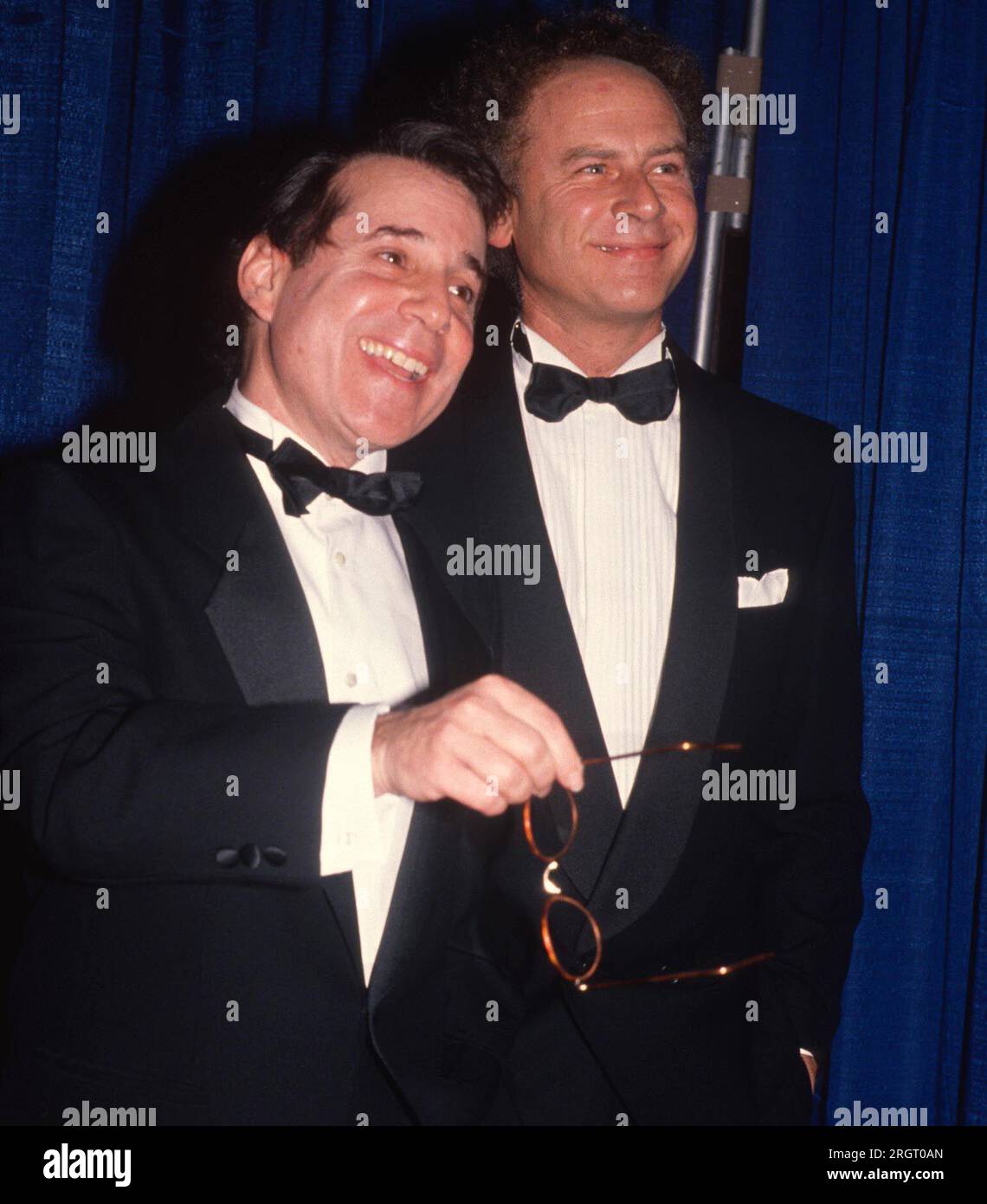
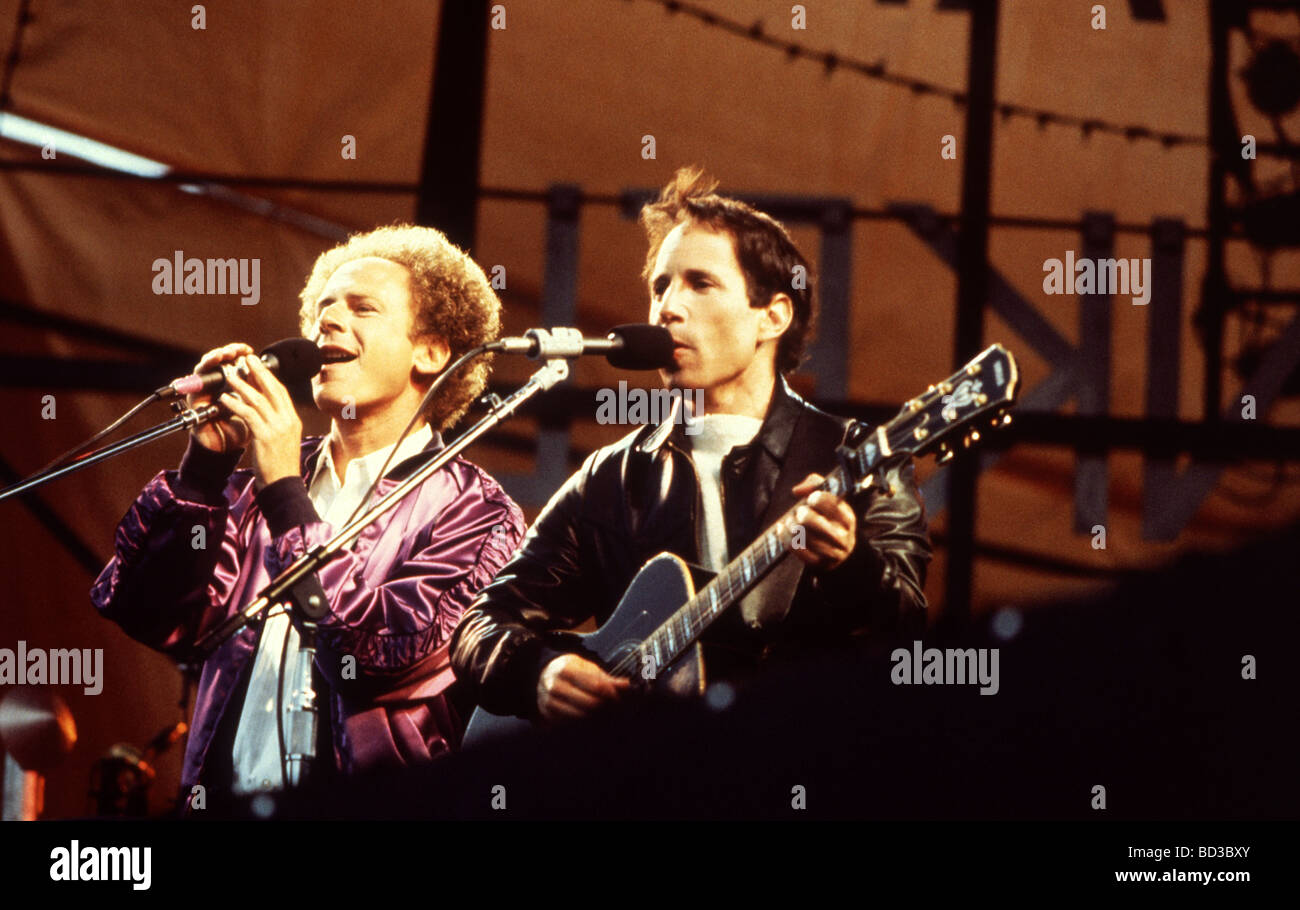
The financial standing of Art Garfunkel and Paul Simon is primarily defined by their historic tenure as one of the most successful folk-rock duos in music history, supplemented by their respective solo careers. As of 2026, Paul Simon’s net worth is estimated to be significantly higher than Art Garfunkel’s, largely due to Simon’s prolific songwriting, extensive publishing rights, and sustained commercial success as a solo artist.
The Foundation of Shared Wealth: Simon & Garfunkel
To understand the financial disparity between the two, one must first recognize the structure of their original creative partnership. Simon & Garfunkel were one of the most commercially successful acts of the 1960s and early 1970s. Their catalog includes seminal tracks such as "The Sound of Silence," "Bridge Over Troubled Water," and "Mrs. Robinson."
The fundamental difference in their long-term earning potential stems from the distribution of royalties. Paul Simon wrote the vast majority of the duo’s material. In the music industry, the songwriter—the entity that holds the publishing rights—reaps significantly more revenue than the performing artist through mechanical royalties, synchronization licenses (the use of music in films, television, and advertisements), and public performance royalties. While Art Garfunkel’s vocal contributions were essential to the sound and success of the group, his financial share was traditionally tied to performance royalties rather than the underlying composition ownership.
Paul Simon’s Financial Trajectory
Paul Simon’s net worth is estimated to be in the range of $200 million to $250 million. His financial stability is anchored by three primary pillars:
- Publishing Rights and Catalog Sales: Throughout his career, Simon maintained ownership of his intellectual property. The value of his catalog is immense, not just for the Simon & Garfunkel years, but for his solo work, which includes the critically acclaimed and commercially successful Graceland and The Rhythm of the Saints. In 2021, Simon sold his entire song catalog to Sony Music Publishing, a massive transaction that significantly bolstered his net liquid assets.
- Solo Career Longevity: Unlike many artists who struggle after breaking up a group, Simon transitioned into a highly successful solo career. His ability to evolve musically and remain relevant for decades allowed him to continue generating substantial income through album sales, streaming, and global touring.
- Touring and Licensing: Even into the mid-2020s, Simon’s music continues to generate revenue through sophisticated licensing deals. While he has moved away from traditional large-scale touring, the perpetual nature of his publishing royalties provides a consistent, high-volume income stream that requires little active participation.
Art Garfunkel’s Financial Context
Art Garfunkel’s net worth is estimated to be approximately $10 million to $15 million. While this figure represents considerable wealth, it is markedly different from the scale of Simon’s assets.
Garfunkel’s career path was distinct. Following the dissolution of the duo, he pursued a career as a singer and an actor, appearing in films such as Catch-22 and Carnal Knowledge. His income has been driven by performance fees, royalties from his recorded vocal contributions, and personal appearances. However, he did not hold the same portfolio of songwriting publishing rights that formed the bedrock of Simon’s wealth. Garfunkel has remained active as a performer and author, but his financial model lacks the massive recurring "passive" revenue generated by the ownership of a foundational songbook.
Comparative Factors in Wealth Accumulation
Several variables influence why these two legendary musicians occupy different financial brackets.
| Factor | Paul Simon | Art Garfunkel |
|---|---|---|
| Primary Revenue Source | Songwriting & Publishing Rights | Performance & Royalties |
| Catalog Ownership | Major (Sold to Sony) | Limited/Artist Royalties |
| Solo Career Scope | High (Global Commercial Success) | Moderate (Selective) |
| Diversification | High (Songwriting, Production) | Moderate (Acting, Literature, Music) |
Understanding Music Royalties and Intellectual Property
The gap between the two demonstrates the classic divide in the music industry between the "creator" (songwriter) and the "interpreter" (performer). When a song is played, the songwriter receives a publisher’s share and a writer’s share of the performance royalty. The performer receives a royalty based on their individual contract with the label.
Because Paul Simon wrote the music, he occupied both the role of the creator and the publisher of his own work. This dual-revenue stream is the most common reason for extreme wealth inequality between partners in songwriting duos. While Art Garfunkel’s voice is, for many, the defining characteristic of the Simon & Garfunkel sound, the financial "copyright" belongs to the pen, not the voice.
The Impact of Legacy and Marketability
In 2026, the value of the Simon & Garfunkel brand remains high. Their music is frequently used in cinema and media, which serves to keep the catalog fresh and profitable for the rights holders.
For the average reader looking to understand these figures, it is helpful to note that celebrity net worth estimates are often compiled by analysts who look at property holdings, disclosed financial settlements, and public data regarding catalog sales. These estimates do not account for private investments, tax liabilities, or living expenses. Therefore, while these figures provide a snapshot of their respective financial scales, they are approximate valuations rather than audited financial statements.
Managing Financial Assets in the Music Industry
The trajectory of Paul Simon and Art Garfunkel offers a case study for aspiring musicians and those interested in intellectual property management.
- Ownership is Key: The ability to retain publishing rights is the single most important factor in long-term wealth for musicians. Artists who sign away their rights early in their careers often struggle to generate the wealth that someone like Paul Simon has built.
- Diversification of Skills: Both men branched out into other fields. Whether through film, writing, or education, having multiple streams of income protects artists against the volatility of the music industry.
- Longevity and Stewardship: Proper management of an artistic legacy—such as how and where songs are licensed—can ensure that an artist continues to earn well into their retirement years.
Frequently Asked Questions
Why is Paul Simon so much wealthier than Art Garfunkel? Paul Simon wrote the vast majority of the music and lyrics for Simon & Garfunkel. As the songwriter, he owns the publishing rights to the catalog. These rights generate royalties every time the music is played, covered, or licensed for film and television, whereas performance royalties (which Garfunkel receives) are generally lower.
Did Art Garfunkel sell his music rights? There is no public record of Art Garfunkel engaging in a catalog sale comparable to the massive deal Paul Simon made with Sony. Garfunkel’s financial earnings are primarily tied to his performance royalties and his personal business endeavors outside of the songwriting publishing ecosystem.
Does touring affect net worth significantly? Yes, but it is not the only factor. While both artists have generated millions through touring over the decades, touring is "active" income. Once the tour ends, the income stops. Royalties and publishing rights, by contrast, are "passive" income that continues to flow regardless of whether the artist is currently performing.
Are these net worth figures official? No. Net worth figures published online are estimates based on public records and market analysis. They do not represent an exact bank account balance and do not account for private spending, legal fees, or hidden assets.
How does intellectual property work for duos? Typically, if one person writes the song, they own the copyright to the composition. The other partner may be a part of the "master recording" royalty, but they do not receive a share of the songwriting royalty unless they were a co-writer on the track. This is why the person who writes the songs almost always accumulates more wealth in the long run.
Final Recommendation for Further Research
For those interested in the financial structures of the music industry, studying the history of song publishing—specifically the transition from traditional mechanical royalties to the high-value catalog sales seen in the 2020s—will provide the most accurate context. Understanding the distinction between the "writer" and the "performer" is essential for interpreting the financial status of any musical act. If you are researching investment opportunities in intellectual property, consult with an entertainment attorney or a financial advisor specializing in music rights and asset valuation to understand the complexities of royalty distributions.