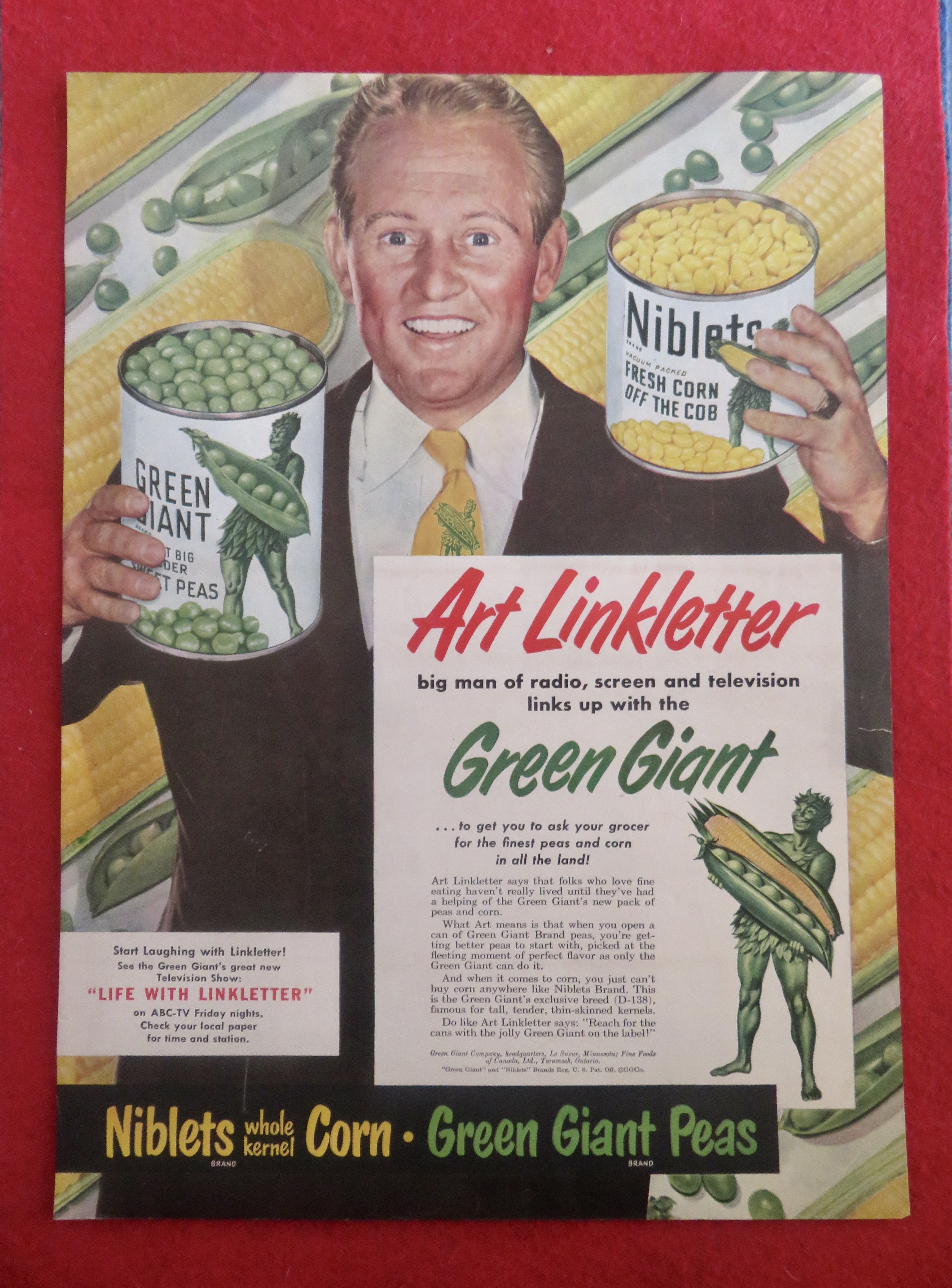
At the time of his passing on May 26, 2010, Art Linkletter’s estimated net worth was approximately $10 million. This figure represented the culmination of a prolific seven-decade career in broadcasting, astute real estate investments, and a diverse portfolio of business ventures that spanned the entertainment, manufacturing, and insurance sectors.
Art Linkletter remains one of the most recognizable figures in the history of American broadcasting, particularly remembered for his uncanny ability to blend humor with genuine human interest. While his public persona was defined by the microphone and the television camera, his private financial life was marked by a disciplined approach to wealth preservation and diversification. Understanding his net worth requires moving beyond the surface of his celebrity status and examining the structural components of his professional life.
The Foundations of a Broadcasting Empire
Linkletter’s wealth was primarily built upon the foundational success of his long-running programs, House Party and People Are Funny. In the mid-20th century, these shows were not merely entertainment products; they were lucrative franchises. Unlike many performers of his era who relied solely on a talent fee, Linkletter secured significant ownership stakes in the production of his shows.
During the 1940s and 1950s, when the radio-to-television transition was occurring, Linkletter’s negotiation tactics were ahead of their time. By retaining rights to his intellectual property, he benefited from syndication, which provided a continuous stream of residual income long after the original episodes had ceased production. This ownership model, common among industry titans but rare for talent, allowed his capital to accumulate significantly faster than that of his peers who remained strictly employees of major networks like CBS or NBC.
Real Estate as a Wealth Multiplier
Beyond the studio, Linkletter was a sophisticated investor in real estate, particularly in California. He recognized early on that the explosive growth of the American West, specifically the development of suburban Southern California, offered unique opportunities for capital appreciation.
Linkletter focused on both residential and commercial properties. His strategy was centered on long-term holding, a practice that allowed him to benefit from the massive escalation in land values throughout the latter half of the 20th century. By diversifying his liquid assets into tangible property, he mitigated the risks associated with the notoriously volatile entertainment industry. His portfolio included significant tracts of land and commercial developments, which acted as a hedge against inflation and provided stable cash flow through lease agreements.
Diversification: Beyond Entertainment and Real Estate
Linkletter was famously averse to keeping all his assets in a single basket. Throughout his career, he ventured into various business sectors, often serving as a spokesperson or board member for companies like Milton Bradley, and engaging in direct investments in manufacturing and technology firms.
One of his most notable business activities involved his role with various companies focused on health and insurance products. His public image—that of a trustworthy, grandfatherly figure—made him an ideal partner for firms looking to enter the mass market. His business acumen was not just limited to lending his name; he was an active participant in board-level decisions for several corporations. This active management style ensured that his investments were aligned with broader economic trends, contributing to the stability of his estate.
Financial Volatility and the Reality of Net Worth
It is important to address the nature of net worth reporting for high-profile figures. Estimates at the time of death are often snapshots, subject to the valuation of illiquid assets. For Linkletter, who held significant real estate holdings, the fluctuations in market value during the 2008 financial crisis undoubtedly impacted the total valuation of his estate.
However, Linkletter’s financial philosophy was characterized by conservatism. He often spoke in interviews about the necessity of avoiding debt and the importance of steady, compound growth. Unlike many celebrities who fell victim to lifestyle inflation, Linkletter’s professional behavior suggests that his net worth was largely preserved through the avoidance of leveraged risks. While $10 million is the most frequently cited figure by historical financial trackers, this estimate focuses primarily on documented assets and business holdings, often failing to capture the full scope of private trusts, pension arrangements, and real estate tax-deferred vehicles common to individuals of his wealth bracket.
Table: Key Revenue Streams in Linkletter’s Portfolio
| Revenue Source | Strategic Benefit | Risk Profile |
|---|---|---|
| Broadcasting Royalties | High-margin passive income from syndication | Medium (Dependent on content relevance) |
| California Real Estate | Long-term capital appreciation | Low (Stable asset class) |
| Corporate Partnerships | Brand leverage and dividend income | Medium (Subject to corporate performance) |
| Intellectual Property | Ownership of show concepts and formats | Low (Perpetual asset) |
The Impact of Tragedy on Estate Management
A critical, often overlooked aspect of Linkletter’s financial and personal life was the loss of his daughter, Diane, in 1969. This event significantly altered his trajectory, shifting his focus toward philanthropy and public advocacy regarding drug abuse prevention. While this shift did not strip him of his wealth, it redefined his priorities for how those assets were utilized.
Philanthropic commitments, particularly in the later years of his life, involved substantial donations and the endowment of programs aimed at youth education and safety. When assessing the net worth of an individual at death, these philanthropic outlays represent a reduction in the "total estate," yet they represent the primary way in which his assets were distributed outside of family inheritance. His estate planning ensured that his legacy was tied not only to the wealth he accumulated but also to the social causes he supported.
Common Misconceptions Regarding Celebrity Wealth
Many observers assume that all figures from the "Golden Age" of television retired with massive liquid reserves. However, the reality of the era was that production costs and taxes were significantly higher, and the financial structures for managing wealth were less sophisticated than today. Linkletter’s ability to maintain a $10 million estate was as much about his ability to retain his earnings as it was about his ability to generate them.
One common myth is that celebrity net worth is strictly a function of fame. In the case of Art Linkletter, his net worth was a function of his dual identity: the entertainer who drew the audiences and the businessman who understood the value of equity. He utilized his fame as a marketing tool for his investments, creating a virtuous cycle where his public popularity increased the success of his private ventures.
Frequently Asked Questions
1. Was Art Linkletter’s net worth primarily derived from salary? No. While his salary from programs like House Party was substantial, his wealth was primarily sustained by the ownership rights he maintained over his productions and his disciplined, long-term investments in real estate and corporate interests.
2. How did the 2008 financial crisis affect his net worth? The 2008 crisis caused a global contraction in real estate and equity markets. As a major holder of real estate, Linkletter’s portfolio faced downward pressure, but his reliance on diversified, conservative investments likely cushioned the impact, preserving his status as a multi-millionaire at the time of his death in 2010.
3. Did Art Linkletter leave a large portion of his wealth to charity? Throughout his later years, Linkletter was a significant benefactor to various foundations. While the specific distribution of his final estate remained a private matter for his family, his lifelong commitment to public service suggests a significant portion of his legacy was directed toward philanthropic efforts.
4. Can his financial success be replicated by modern entertainers? The principles he utilized—retaining intellectual property rights and diversifying into real estate—remain the gold standard for long-term wealth building in the entertainment industry. However, the methods of monetization have shifted toward digital platforms and global streaming rights.
5. Is the $10 million figure inclusive of his home and personal property? The $10 million valuation is generally an estimate of liquid assets, business stakes, and real estate holdings. Personal property, such as art collections or personal residences, may or may not be fully reflected depending on the appraisal methodology used by reporting sources at the time.
Final Guidance on Wealth Evaluation
When evaluating the net worth of a historical figure such as Art Linkletter, it is essential to look at the intersection of professional output and asset management. His success was not a product of luck, but a consistent application of business principles: ownership of production, investment in appreciating land, and a calculated avoidance of high-debt leverage. For those interested in studying his financial legacy, the primary lesson is that sustainable wealth is built in the background, away from the glare of the television studio lights. To further research the specifics of estate distributions, one would need to consult public probate records, which serve as the only definitive, legal record of assets at the time of death.