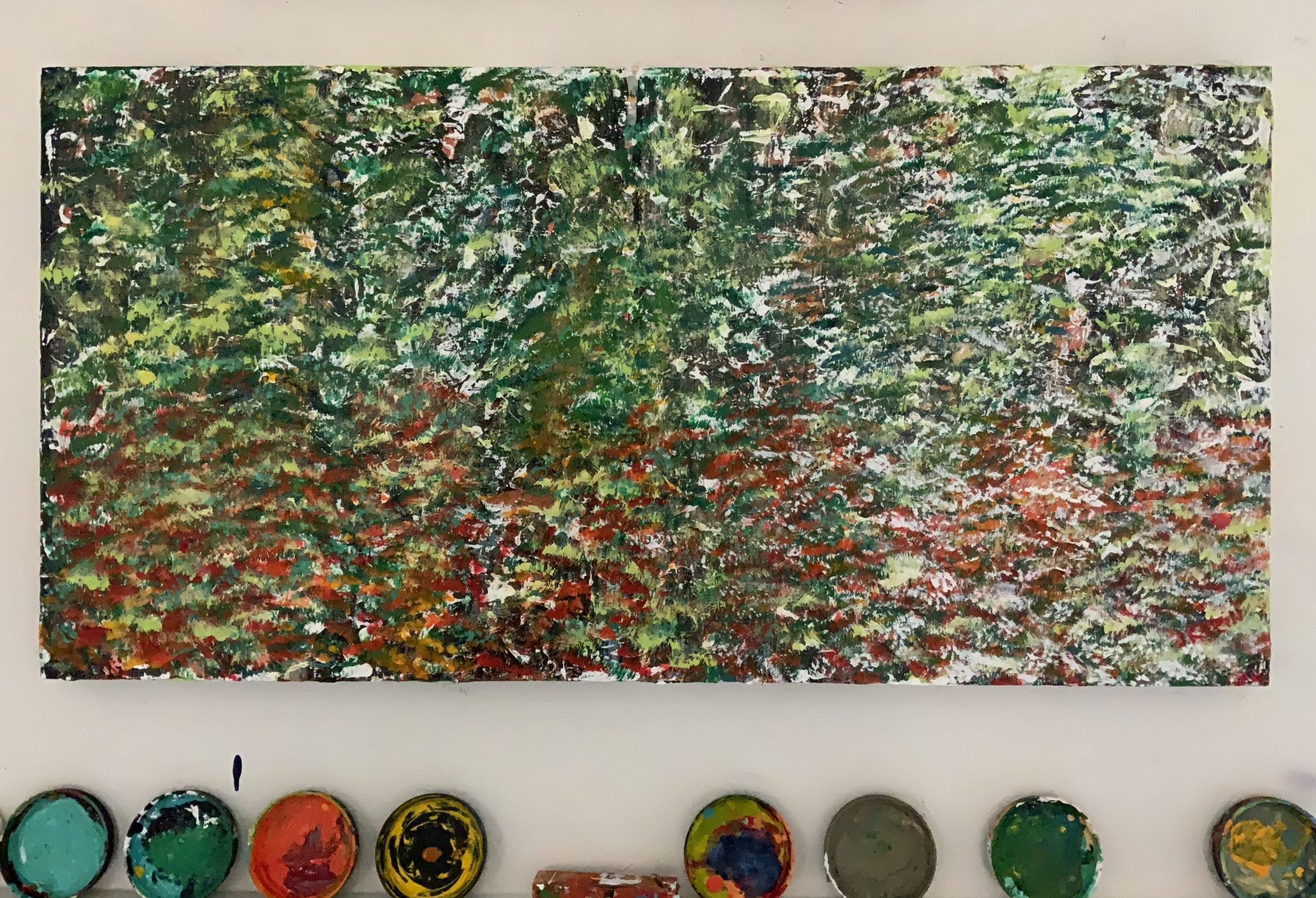
"Art Diesel" represents a specialized intersection where industrial power sources—specifically high-torque, fuel-efficient diesel engines—meet the demanding, high-energy requirements of large-scale creative installations and mobile art logistics. The "power behind the canvas" refers to the literal and figurative energy required to transport, power, and sustain massive artistic projects that exist beyond the confines of traditional gallery walls, relying on the reliability of diesel technology to bridge the gap between heavy industry and creative manifestation.
The Role of Industrial Power in Modern Artistic Expression
Modern large-scale art installations often defy standard electrical grid accessibility. Whether it is an immersive light installation in a remote desert landscape, a motorized kinetic sculpture at a multi-day festival, or a massive, traveling gallery housed in retrofitted heavy transport, the reliance on high-output power is absolute. Diesel generators remain the industry standard for these applications due to their longevity, fuel efficiency under heavy loads, and superior torque capabilities compared to gasoline-powered alternatives.
When artists and logistics teams speak of the "power behind the canvas," they are acknowledging the technical infrastructure required to bring a vision to life. A canvas, in this context, is not merely a piece of fabric; it is the entire environment—the structural steel, the lighting arrays, the digital projection mapping systems, and the climate control units that preserve sensitive materials. Without the stable, consistent amperage provided by diesel-driven power systems, the technical complexity of contemporary art would simply fail to materialize in remote or non-traditional spaces.
Technical Requirements for Art-Grade Power Solutions
Not all power solutions are equal when it comes to supporting art. Art installations, particularly those involving sensitive electronics or precise motor controls, require "clean" power that avoids the voltage fluctuations common in lower-grade generators.
1. Voltage Stability and Total Harmonic Distortion (THD)
Sensitive electronics—such as projectors, DMX-controlled lighting, and microcontrollers—are prone to failure when exposed to "dirty" electricity. High-quality diesel generators utilized in the arts are typically equipped with Automatic Voltage Regulators (AVRs). These components monitor and adjust output to keep voltage within a tight tolerance (usually ±1–2%). Maintaining low THD (under 5%) is essential to prevent ghosting in digital art, flicker in lighting, and potential permanent damage to motherboard circuitry.
2. Load Factors and Variable Demand
Artistic installations rarely draw power at a linear rate. A sculpture might be dormant for hours and then spike with massive, simultaneous movement of hydraulic actuators and audio bursts. Diesel engines are specifically engineered for these types of load swings. Their high compression ratios allow them to handle sudden torque demands without stalling or experiencing significant "voltage dip," a common failure point for lighter-duty gasoline engines.
Logistical Infrastructure: The Diesel-Powered Traveling Gallery
The "Art Diesel" phenomenon is perhaps best illustrated by the logistics of traveling art. Moving priceless works across continents requires climate-controlled transit vehicles. In this sector, the diesel engine acts as the heartbeat of the logistics chain.
- Climate Consistency: Museums require strict temperature (typically 68°F–72°F) and humidity (around 50% RH) controls. Diesel-powered transport refrigeration units (TRUs) provide the sustained power necessary to run these systems over thousands of miles without the need for frequent refueling stops.
- Weight Capacity: Large-scale sculpture or multi-ton installation components are heavy. The hauling power of diesel-powered semi-trucks is the only viable way to transport these works safely. The structural integrity of the "canvas" depends entirely on the robust chassis and drivetrain of the transport vehicle.
Comparative Analysis: Power Source Selection for Large Installations
Choosing the right power source is a fundamental prerequisite for any installation. The following table summarizes why diesel remains the dominant choice for high-demand creative projects compared to other mobile alternatives.
| Feature | Diesel Generator | Gasoline Generator | Battery/Inverter Array |
|---|---|---|---|
| Run-time | Excellent (Long-haul) | Moderate | Short (Capacity limited) |
| Torque/Load Handling | High (Handles spikes) | Low/Moderate | Very High (Instant) |
| Fuel Availability | Ubiquitous (Remote) | Moderate | Site-dependent |
| Maintenance | Lower frequency | Higher frequency | Minimal |
| Primary Use | Heavy infrastructure | Small electronics | Backup/Silent needs |
Challenges and Operational Limitations
While diesel is powerful, it is not without its operational challenges in an artistic context. For artists operating in urban environments or quiet, meditative spaces, noise pollution is a significant factor. Even with modern sound-attenuated "whisper" enclosures, diesel generators produce low-frequency vibrations that can travel through ground structures.
Furthermore, environmental regulations have become more stringent. In many jurisdictions during 2026, mobile power units must meet specific Tier 4 Final emission standards. Artists must account for these compliance costs, which often involve the use of Diesel Exhaust Fluid (DEF) and advanced catalytic reduction systems. Failure to properly maintain these emission-control systems can lead to "limp modes" or automatic shutdowns, which could prove catastrophic during a live exhibition.
Essential Best Practices for Installation Reliability
To ensure that the "power behind the canvas" remains reliable, producers and artists should adhere to the following checklist during the planning phase of an installation:
- Auditing Amperage: Conduct a thorough load calculation. Include both the steady-state draw and the peak surge draw (the "inrush current") of every motor, pump, and light fixture.
- Fuel Quality Management: Diesel fuel degrades over time. For long-term installations, implement a fuel-polishing schedule to remove water and biological growth (algae) that can clog injectors.
- Redundancy Planning: In critical installations (such as those involving public safety or expensive, unique equipment), maintain a secondary "N+1" power solution—a standby generator that kicks in automatically via an Automatic Transfer Switch (ATS).
- Environmental Shielding: Ensure that the power source is placed on level, stable ground, away from the intake vents of the exhibition space to avoid fumes entering the viewing area.
Troubleshooting Common Power Issues
Even the most robust systems encounter problems. The most common issues in field-based art installations are rarely mechanical failures of the engine itself, but rather failures of the peripheral electrical systems.
- Voltage Sag: If motors are slowing down during peak operation, check the distribution cabling. Often, undersized extension cables (voltage drop) are the culprit, not the generator's output.
- Faulty Grounding: Electronic noise in art installations is frequently caused by "ground loops." Always verify that the generator is properly earth-grounded according to local electrical codes to provide a clean reference path for sensitive electronics.
- Cold Weather Starts: If the installation is occurring in cold climates, ensure the generator is equipped with a block heater. Diesel fuel can "gel" in freezing temperatures, rendering a machine inoperable regardless of its power potential.
Frequently Asked Questions
What is the main advantage of using diesel for large art installations? The primary advantage is reliability and load-handling capacity. Diesel engines offer a higher power-to-weight ratio and can operate for extended periods under heavy, variable electrical loads without the mechanical fatigue that would affect a gasoline engine.
Do I need a professional electrician for art-related power setups? Yes. Any setup involving high-output generators, distribution panels, and complex load balancing should be managed by a qualified technician. Improperly balanced loads can lead to phase imbalances, causing damage to both the generator and the equipment it powers.
How do I manage the noise of a diesel generator in an art space? Use a professional "sound-attenuated" generator enclosure. These units are lined with acoustic foam and baffle systems to reduce operational noise to levels comparable to normal human conversation, allowing the equipment to be placed closer to the exhibition without disrupting the audience experience.
What is the impact of environmental laws on mobile power for art? In 2026, most jurisdictions require portable power units to adhere to strict emission standards. You must ensure that the rental equipment or internal generators are compliant with local air quality regulations, which may involve using modern Tier 4 engines and specific fuel additives.
Can battery systems replace diesel power in the arts? Battery storage is becoming more common as a supplement, not a full replacement. Hybrid systems—where a diesel generator charges a large-capacity battery bank—allow the generator to run in its most efficient power band, while the batteries handle sudden surges and provide silent operation during specific, quiet parts of an installation.
Final Recommendation for Art Producers
When designing an installation that requires external power, treat your power source as an integral component of the artwork rather than a secondary utility. Budget for high-quality, sound-attenuated diesel equipment, prioritize proper grounding, and always include a margin of at least 25% above your calculated peak load. By treating the "power behind the canvas" with the same professional rigor as the artistic content itself, you ensure that the vision is realized without technical failure. Consult with a specialized rental provider early in the development phase to ensure your hardware choices align with both your creative requirements and local regulatory compliance.