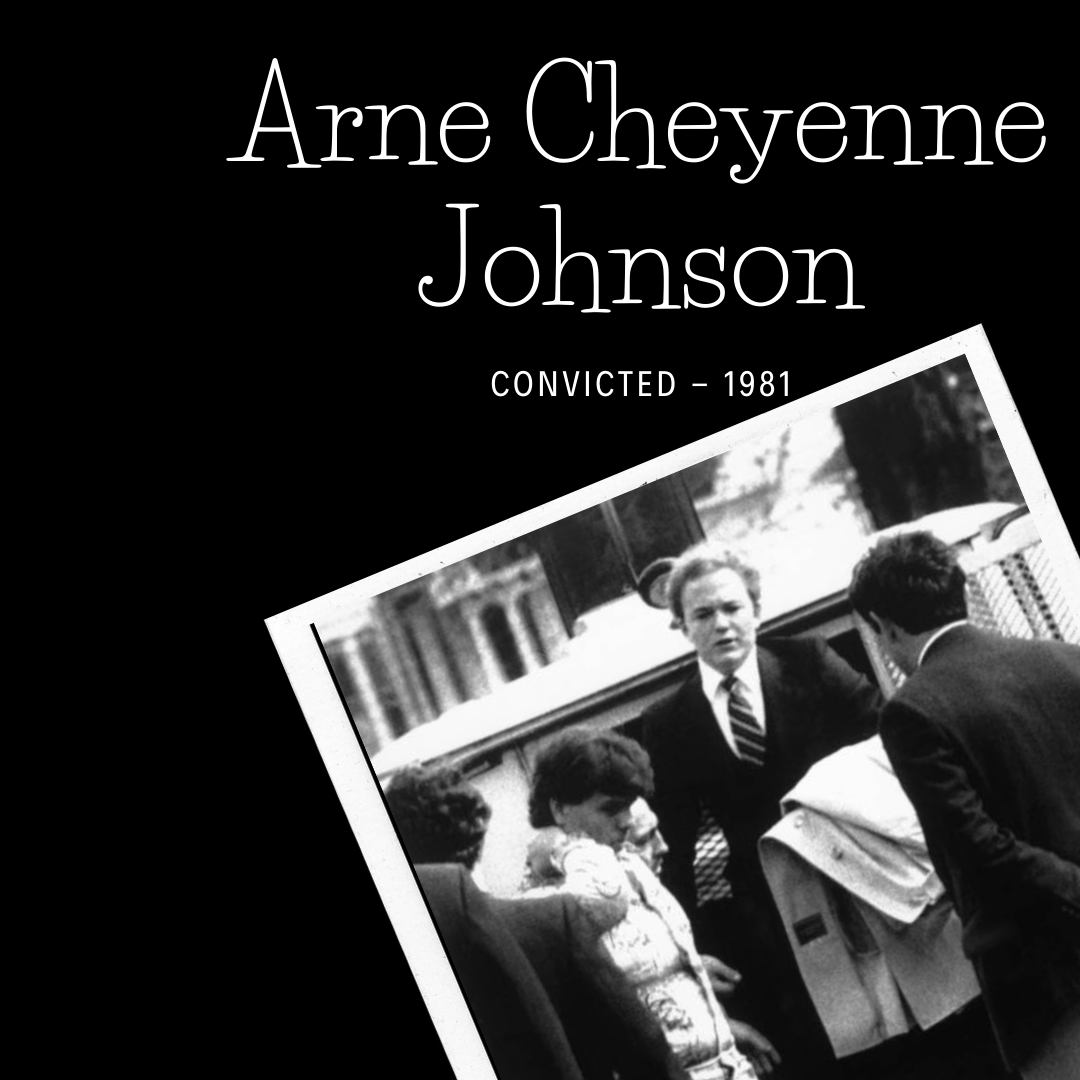
In the 1981 trial of Arne Cheyenne Johnson, the defense attempted the first recorded U.S. legal argument of "not guilty by reason of demonic possession." Judge Robert Callahan rejected this plea, ruling that supernatural evidence was irrelvant and unprovable in a court of law. Johnson was ultimately convicted of first-degree manslaughter.
The legal proceedings of State of Connecticut v. Arne Cheyenne Johnson remain a landmark in American jurisprudence, not because the court accepted the supernatural, but because it explicitly defined the boundaries of admissible evidence. Known colloquially as the "Devil Made Me Do It" case, the trial tested the limits of the judicial system's ability to handle claims that fall outside the realm of scientific verification. As we look back from 2026, the case continues to serve as a primary example of how courts manage "diminished capacity" arguments and the rigorous standards required for expert testimony.
The Path to the Courtroom: The Brookfield Stabbing
The events leading to the courtroom drama began on February 16, 1981, in Brookfield, Connecticut. Arne Cheyenne Johnson, then 19 years old, was involved in a violent altercation with his landlord, Alan Bono. The dispute occurred at a kennel where Johnson’s fiancée, Debbie Glatzel, worked. Witnesses, including Johnson’s sisters and Debbie’s cousins, described a tense atmosphere that escalated into a physical struggle.
During the confrontation, Johnson drew a pocketknife and stabbed Bono several times in the chest and stomach. Bono died later that day at Danbury Hospital. Johnson was apprehended roughly two miles from the scene. While the act of stabbing was not in dispute, the motivation and mental state of the defendant became the focal point of a media storm that would follow the case into the courtroom.
The defense's unique angle originated months prior to the stabbing. The Glatzel family claimed that Debbie’s younger brother, David, had been possessed by a demonic entity. Ed and Lorraine Warren, self-described demonologists, had been called in to assist the family. During an alleged exorcism of David, Johnson reportedly challenged the entity to leave the boy and enter him instead. The defense argued that from that moment forward, Johnson was no longer in control of his actions.
The Defense Strategy: Challenging the Nature of Reality
When the case reached the Superior Court in Danbury, defense attorney Martin Minnella faced a significant challenge. He intended to plead "not guilty by reason of demonic possession." Minnella argued that if the law recognized the "existence of God," it must logically recognize the "existence of the Devil." He sought to bring the Warrens and various clergy members to the stand to testify about the supernatural events they witnessed involving Johnson and the Glatzel family.
Minnella’s strategy was unprecedented. By attempting to introduce demonic possession as a legal defense, he was essentially trying to expand the definition of "insanity" or "diminished capacity" to include spiritual influence. The defense claimed that Johnson was in a trance-like state during the killing and that the "entity" that had moved from David Glatzel to Johnson was the true perpetrator of the crime.
The media frenzy surrounding this strategy was immense. The Warrens, already famous for their involvement in the Amityville Horror case, frequently spoke to the press, framing the trial as a battle between good and evil. This external pressure placed a significant burden on the court to maintain a strictly legal focus amidst a circus-like atmosphere.
The Judicial Ruling: Judge Robert Callahan’s Decision
The pivotal moment of the Arne Johnson case occurred before the jury ever heard the details of the alleged possession. Judge Robert J. Callahan was tasked with deciding the admissibility of the "demonic possession" defense. On legal grounds, this was a question of whether such testimony met the standards of evidence.
Judge Callahan ruled firmly against the defense. He stated that allowing testimony regarding demonic possession would be "irrelevant and immaterial." The judge’s reasoning was grounded in the fundamental principles of the American legal system:
- Verifiability: Evidence presented in a courtroom must be capable of being tested or verified through objective means. Demonic possession, being a matter of faith and spiritual interpretation, lacked any scientific or psychological consensus that the court could rely upon.
- Precedent: There was no existing case law in Connecticut or federal courts that recognized supernatural influence as a valid defense for a criminal act.
- The Frye Standard: At the time, many jurisdictions followed the Frye Standard, which required that expert testimony be based on principles that have gained "general acceptance" in the particular field in which it belongs. Demonology was not an accepted scientific or psychological field.
By barring the "Devil Made Me Do It" defense, Judge Callahan forced the trial back into the realm of traditional criminal law. This decision effectively silenced the Warrens within the courtroom, as they were not allowed to testify about the supernatural aspects of the case.
Inside the Trial: Witness Testimony and Evidence
Following the judge's ruling, Martin Minnella was forced to pivot. The defense then argued that Johnson had acted in self-defense or that his actions were the result of a "brief reactive psychosis" brought on by the stress of the situation. Despite the ban on mentioning "demons," the defense still attempted to portray Johnson as being "not himself" during the incident.
The Prosecution’s Case
The prosecution, led by State’s Attorney Walter D. Flanagan, focused on the physical evidence and witness accounts of the struggle. They argued that the killing was a straightforward case of first-degree murder resulting from a heated argument. They pointed to the number of stab wounds and the fact that Johnson had a weapon readily available as evidence of intent or at least extreme recklessness.
Key Testimonies
- Debbie Glatzel: Johnson’s fiancée testified about the events of the day, though her testimony was constrained by the judge's evidentiary rulings. She remained supportive of Johnson throughout the trial, maintaining that he was a peaceful person who had changed following the encounters with the alleged entity.
- Medical Examiners: Forensic experts testified about the nature of Alan Bono’s wounds, establishing the cause of death and the force required to inflict such injuries.
- Eyewitnesses: The individuals present at the kennel described the escalation of the argument, providing the jury with a timeline of the physical confrontation.
| Legal Element | Defense Argument (Initial) | Court Ruling/Outcome |
|---|---|---|
| Plea | Not Guilty by Demonic Possession | Rejected; changed to Not Guilty |
| Evidence Type | Supernatural/Spiritual | Ruled Inadmissible |
| Expert Witnesses | Ed and Lorraine Warren | Barred from testifying on possession |
| Alternative Defense | Diminished Capacity/Self-Defense | Allowed for jury consideration |
| Primary Charge | First-Degree Murder | Convicted of First-Degree Manslaughter |
The Verdict and Sentencing
The trial lasted approximately three weeks. After the closing arguments, the jury deliberated for three days. The options before them ranged from first-degree murder to acquittal based on self-defense.
On November 24, 1981, the jury returned a verdict of guilty of first-degree manslaughter. This verdict indicated that while the jury believed Johnson had killed Bono, they did not find the level of premeditation or intent required for a murder conviction. Instead, they recognized a degree of "extreme emotional disturbance" or provocation, which is a common threshold for lowering a murder charge to manslaughter.
Judge Callahan sentenced Arne Johnson to 10 to 20 years in prison. In the context of 1981 sentencing guidelines, this was a significant sentence for manslaughter, reflecting the violent nature of the crime. However, Johnson served only five years of his sentence and was released in 1986 for good behavior. During his time in prison, he was described as an exemplary inmate and even earned his high school diploma.
Legal Precedent and Lasting Impact
The Arne Johnson case is frequently cited in legal textbooks regarding the Admissibility of Evidence and the Insanity Defense. It serves as a boundary marker for what a court will and will not consider as a viable explanation for criminal behavior.
The Role of Expert Testimony
The case reinforced the requirement that expert testimony must be grounded in a recognized field of study. Because "demonology" is not a branch of psychology, medicine, or forensic science, it cannot be used to explain a defendant's state of mind in a way that carries legal weight. This distinction is vital for maintaining the integrity of the judicial process, ensuring that verdicts are based on facts that can be cross-examined and scrutinized.
Public Perception vs. Legal Reality
The discrepancy between the media coverage of the "Devil Made Me Do It" case and the actual courtroom proceedings was vast. While the public was captivated by tales of exorcisms and ancient entities, the trial itself was a relatively standard criminal proceeding once the initial motions were settled. This case highlights how external narratives can often overshadow the procedural reality of the law.
Impact on the Warrens' Legacy
For Ed and Lorraine Warren, the case was a significant boost to their fame, leading to books and eventually the 2021 film The Conjuring: The Devil Made Me Do It. However, within the legal community, their role was often viewed with skepticism. Critics pointed out that the promotion of the "demonic" narrative may have been an attempt to capitalize on a tragedy, a sentiment echoed by some members of the Glatzel family in later years.
Frequently Asked Questions
Was the demonic possession defense ever actually used in the trial?
No. While the defense attorney attempted to use it as the primary strategy, Judge Robert Callahan ruled it inadmissible before the trial officially began. The jury was never legally allowed to consider demonic possession as a reason for acquittal.
What happened to Arne Johnson after his release?
After serving five years of his sentence, Arne Johnson was released in 1986. He married Debbie Glatzel while still involved in the legal process or shortly thereafter (sources vary on the exact date). He lived a relatively quiet life post-incarceration, though he remained a consultant on various media projects related to his story.
Why was he convicted of manslaughter instead of murder?
The jury likely found that there was no premeditated intent to kill Alan Bono. The stabbing occurred during a heated, alcohol-fueled physical altercation. Under Connecticut law, "extreme emotional disturbance" can reduce a murder charge to first-degree manslaughter.
Did the Catholic Church weigh in on the courtroom proceedings?
The Church generally maintains a very cautious stance on claims of possession. While some individual priests were involved in the earlier "exorcisms" of David Glatzel, the Church did not officially support the use of "demonic possession" as a legal defense in a secular court.
How does this case influence modern trials in 2026?
In 2026, the case remains a standard reference point for judges when dealing with fringe "diminished capacity" defenses. It established that the court is a secular institution where evidence must meet the "General Acceptance" or "Daubert" standards, effectively preventing supernatural or unscientific claims from influencing criminal verdicts.
Practical Recommendation for Further Study
For those interested in the intersection of law and the supernatural, the Arne Johnson case provides a fascinating study in procedural law. If you are researching this topic for legal or academic purposes, focus on the Pre-Trial Motions and Judge Callahan’s specific rulings on the Admissibility of Evidence. These documents, available through Connecticut judicial archives, offer a clear view of how the American legal system maintains its focus on rational, verifiable facts even when faced with extraordinary claims.
For a broader perspective, compare this case to State v. Terrence, where "cultural defenses" were similarly tested, to understand how courts handle beliefs that fall outside the mainstream scientific or social consensus.