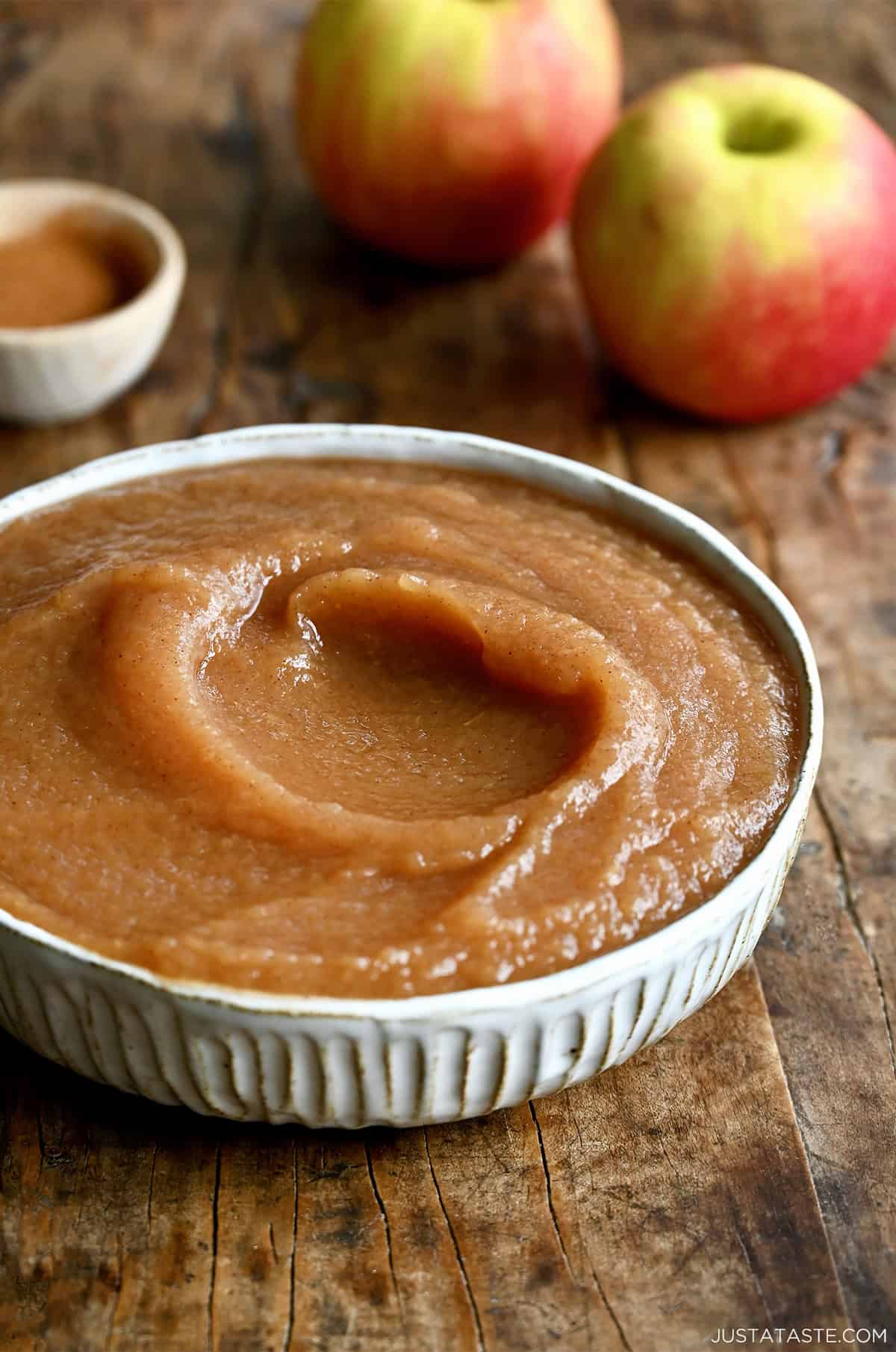
Making applesauce in a slow cooker involves simmering peeled and sliced apples with a small amount of liquid and spices for 4 to 6 hours on high or 8 to 10 hours on low. This method naturally caramelizes the sugars, resulting in a deeper flavor and smoother texture than stovetop versions.
The slow cooker is arguably the most efficient tool for transforming a bushel of orchard-fresh apples into a velvety, aromatic sauce. Unlike the stovetop method, which requires frequent stirring to prevent scorching, the gentle, indirect heat of a slow cooker allows the fruit to break down slowly in its own juices. This process, often referred to as "low and slow" cooking, encourages the development of complex flavor profiles that are often missing from commercially produced, high-heat processed alternatives. In 2026, as home preservation and "slow food" movements continue to dominate culinary trends, mastering this technique provides both a nutritional advantage and a cost-effective way to manage seasonal harvests.
Choosing the Best Apple Varieties for Applesauce
The success of your slow cooker applesauce depends primarily on the chemistry of the apples you select. Not all apples are created equal when subjected to prolonged heat. Some varieties are engineered to hold their shape—ideal for pies—while others possess a cellular structure that collapses easily, which is exactly what you want for a smooth sauce.
The Science of Breakdown: Soft vs. Firm Apples
Apples contain varying levels of pectin, the natural fiber that holds the fruit's cell walls together. For applesauce, you generally want varieties with lower pectin stability or those that are known for a "saucy" texture. McIntosh and Cortland are gold standards for this purpose; they virtually dissolve after a few hours of heat. On the other hand, a Granny Smith or Honeycrisp provides a pleasant tartness but will require more mechanical mashing or blending if you prefer a perfectly smooth consistency.
Balancing Flavor Profiles
Professional sauce makers often use a blend of at least three different apple types to achieve a multi-dimensional flavor.
- Sweet Foundation: Varieties like Fuji, Gala, and Golden Delicious provide the bulk of the natural sugar, often eliminating the need for added sweeteners.
- Tart Contrast: Granny Smith, Braeburn, or Jonathan apples add acidity, which brightens the overall flavor and prevents the sauce from tasting flat.
- Aromatic Depth: Pink Lady or Empire apples contribute floral notes that become more pronounced during the long slow-cooking process.
Necessary Equipment and Preparation
Before beginning, ensure your equipment is clean and calibrated. A standard 6-quart slow cooker is the ideal size for a batch of 10 to 12 large apples, which will yield approximately 2 to 3 quarts of finished sauce.
The Importance of Uniform Slicing
Consistency in how you cut the fruit determines how evenly it will cook. While the slow cooker is forgiving, large chunks mixed with tiny slivers will result in an uneven texture. Many home cooks in 2026 utilize an apple peeler-corer-slicer stand tool. This device not only speeds up the process significantly but ensures every slice is the same thickness, leading to a more predictable cooking timeframe.
To Peel or Not to Peel?
The decision to peel your apples is a matter of both nutrition and desired texture.
- Peeled Apples: This is the traditional route for a silky, store-quality sauce. Removing the skins ensures there are no tough bits remaining, even if you skip the blending stage.
- Unpeeled Apples: Keeping the skins on increases the fiber content and adds a rustic, pinkish hue to the sauce (especially if using red-skinned varieties like Rome or Stayman). However, if you leave the skins on, you must use a high-powered immersion blender or a food mill after cooking to incorporate the skins into a smooth purée.
The Slow Cooking Process: Step-by-Step
Once your apples are prepped, the process is largely hands-off. However, the order of ingredients and the choice of liquid can impact the final result.
1. Layering the Ingredients
Place your sliced apples into the ceramic crock of the slow cooker. Avoid filling the crock more than three-quarters full to allow for proper heat circulation. Add your chosen liquid—usually about 1/2 cup for a full 6-quart crock. Options include:
- Filtered Water: Best for preserving the pure apple flavor.
- Apple Cider: Enhances the "apple-ness" and adds natural sweetness.
- Lemon Juice: Essential for preventing excessive oxidation (browning) and adding a necessary acidic "pop."
2. Setting the Temperature
While most slow cookers offer "Low" and "High" settings, the "Low" setting is preferred for applesauce. Simmering the fruit gently for 8 to 10 hours allows the natural sugars to caramelize slightly, giving the sauce a rich, golden-brown color and a deep, cooked-down flavor. If you are short on time, the "High" setting for 4 hours will suffice, but the flavor may be more "bright" and less "mellow."
3. Monitoring Moisture
Apples are roughly 86% water. As they heat up, they release a significant amount of liquid. If you notice after 3 hours that the apples are swimming in juice, you can prop the lid open slightly with a wooden spoon for the final hour of cooking. This allows steam to escape and thickens the sauce through evaporation.
| Apple Variety | Flavor Profile | Texture After 6 Hours | Best Use Case |
|---|---|---|---|
| McIntosh | Sweet-Tart | Very Soft/Smooth | Standalone Sauce |
| Golden Delicious | Mild/Honeyed | Soft/Breaks Down | Natural Sweetener Base |
| Granny Smith | Sharp/Acidic | Holds Shape Slightly | Blended with Sweet Apples |
| Fuji | Very Sweet | Soft | No-Sugar-Added Batches |
| Honeycrisp | Balanced/Sweet | Firm/Chunky | Rustic/Chunky Applesauce |
Flavor Customization and Enhancements
Standard applesauce is delicious, but the slow cooker provides an excellent environment for infusing additional flavors. Because the vessel is sealed, volatile aromatic compounds from spices are trapped and forced back into the fruit.
Classic Spices
Cinnamon is the traditional pairing, but the timing of its addition matters. Adding ground cinnamon at the beginning of the cook time can sometimes result in a slightly bitter undertone if the spice is not high quality. Many experts recommend adding whole cinnamon sticks during the cooking process and stirring in ground cinnamon or freshly grated nutmeg only during the final 30 minutes.
Beyond the Basics
For a modern twist, consider adding a vanilla bean (split lengthwise) or a teaspoon of high-quality vanilla paste. For a savory-sweet profile that pairs well with pork chops, add a small amount of fresh ginger or a pinch of ground cloves.
Sweetening Agents
If your apple blend is particularly tart, you may want to add a sweetener. However, wait until the cooking is nearly finished to taste the sauce. Heat changes the perception of sweetness.
- Maple Syrup: Adds a woody, autumnal depth.
- Brown Sugar: Contributes a molasses note that complements the caramelization.
- Honey: Best added after cooking to preserve its delicate enzymes and floral notes.
Achieving the Perfect Consistency
Once the cook time is complete, the apples will be translucent and very soft. The method you use to finish the sauce will determine its final character.
The Chunky Method
If you prefer a "country-style" sauce, use a sturdy potato masher directly in the crock. This allows you to control the size of the pieces. This style is excellent as a topping for oatmeal or yogurt.
The Silky Method
For a smooth, commercial-style texture, an immersion blender (stick blender) is the most efficient tool. You can blend the sauce directly in the slow cooker, but be careful not to scratch the ceramic coating of the crock. Alternatively, you can transfer the mixture to a standard blender, though you must be cautious of the steam pressure; never fill a blender more than halfway with hot liquids.
The Food Mill
For the ultimate gourmet texture, pass the cooked apples through a food mill. This is particularly useful if you cooked the apples with the skins or seeds still attached, as the mill will strain out the solids while yielding a remarkably consistent purée.
Storage and Preservation Guidelines
Since homemade applesauce does not contain the preservatives found in store-bought jars, proper storage is critical for food safety.
Refrigeration
Store finished applesauce in airtight glass jars or BPA-free plastic containers. It will remain fresh in the refrigerator for 7 to 10 days. Always use a clean spoon when serving to prevent the introduction of bacteria.
Freezing
Applesauce freezes exceptionally well. For best results, use freezer-safe bags and squeeze out as much air as possible to prevent freezer burn. Frozen applesauce maintains peak quality for 6 to 9 months. When ready to use, thaw it overnight in the refrigerator.
Canning
If you intend to store your slow cooker applesauce at room temperature, it must be processed in a boiling water bath canner. According to the National Center for Home Food Preservation, applesauce must be packed hot into sterilized jars and processed for a specific amount of time based on your altitude. Note that the addition of thickeners like cornstarch or flour is not safe for home canning.
Common Mistakes and Troubleshooting
- Watery Applesauce: This usually happens when too much liquid was added at the start or the apples were particularly juicy. Fix this by simmering the sauce with the lid off for an extra hour or stirring in a small amount of chia seeds, which will absorb excess moisture without altering the flavor.
- Bland Flavor: This is often a result of using a single variety of apple. To fix it, add a squeeze of fresh lemon juice or a pinch of salt. Salt acts as a flavor enhancer that makes the natural sugars in the apple more perceptible.
- Scorching: While rare in a slow cooker, scorching can occur on the "High" setting if there isn't enough liquid. Always ensure there is at least a thin layer of moisture at the bottom of the crock before starting.
Nutritional Benefits of Homemade Sauce
Preparing applesauce in a slow cooker allows for complete control over the nutritional profile. Commercial applesauce often contains high-fructose corn syrup and excessive sodium. By making it at home, you maximize the fiber (especially if skins are included) and vitamin C content. Furthermore, the slow-cooking process preserves many of the phytonutrients found in apples, such as quercetin, which has been studied for its anti-inflammatory properties.
Frequently Asked Questions
Can I make applesauce without any added water?
Yes, it is possible, but it carries a small risk of the apples sticking to the bottom before they release their own juices. If you choose not to add water, use a very low heat setting and ensure the apples are chopped finely to encourage rapid juice release.
How do I prevent the applesauce from turning brown?
Oxidation occurs when the flesh of the apple is exposed to air. To keep the sauce bright, toss the sliced apples in a tablespoon of lemon juice or a solution of water and Vitamin C (ascorbic acid) before putting them into the slow cooker. Keeping the lid closed throughout the process also limits oxygen exposure.
Can I add other fruits to the slow cooker?
Absolutely. Pears, cranberries, and strawberries are excellent additions. Pears add a buttery texture, while cranberries provide a tart flavor and a brilliant red color. Keep in mind that softer fruits like strawberries will break down much faster than the apples.
Is it safe to leave the slow cooker on overnight?
Modern slow cookers are designed for unattended use. As long as the unit is on a flat, heat-resistant surface and there is sufficient moisture inside the crock, it is safe to cook your applesauce overnight on the "Low" setting.
Why is my applesauce grainy?
Graininess is usually a characteristic of the apple variety. Varieties like Red Delicious can sometimes have a mealy texture that persists even after cooking. To avoid this, stick to crisp, firm varieties like Gala, Fuji, or Granny Smith.
Final Recommendation
For the best results in 2026, focus on the blend of apples rather than the additions. A 50/50 mix of Fuji and McIntosh apples, cooked on low for 9 hours with a single cinnamon stick and a splash of unfiltered apple cider, produces a superior sauce that requires no added sugar. This method yields a versatile product that serves as a healthy snack, a baking substitute for oil, or a sophisticated accompaniment to savory dishes.