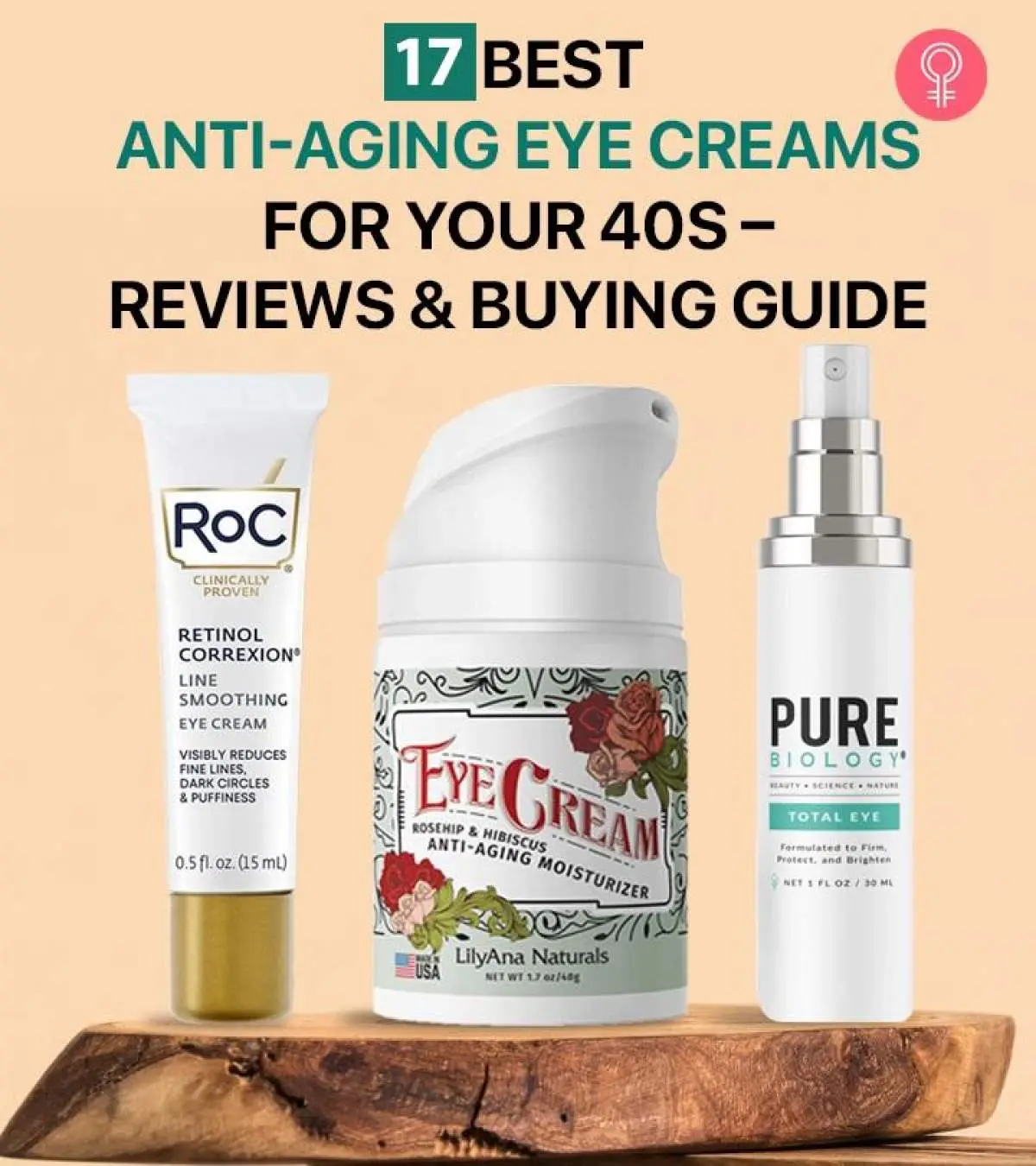
To find an anti-ageing cream that works, look for clinically proven ingredients such as retinoids, stabilized vitamin C, and peptides. These compounds actively stimulate collagen production, neutralize oxidative stress, and accelerate cellular turnover. True efficacy requires a consistent routine paired with broad-spectrum SPF to protect the skin's structural integrity.
The search for effective anti-ageing skincare is often clouded by marketing hyperbole and complex ingredient lists. However, by 2026, the intersection of dermatological science and cosmetic formulation has made it easier to distinguish between products that offer superficial hydration and those that create structural change in the dermis. An "anti-ageing cream that works" is defined by its ability to address the biological markers of aging: fine lines, wrinkles, hyperpigmentation, and loss of elasticity.
Understanding the Biological Mechanisms of Skin Aging
Before selecting a product, it is essential to understand why skin ages. Skin aging is categorized into two processes: intrinsic and extrinsic. Intrinsic aging is the natural, genetically determined process that occurs over time, leading to a gradual decrease in collagen and elastin. Extrinsic aging, often called photoaging, is caused by external factors such as ultraviolet (UV) radiation, pollution, and lifestyle choices.
UV radiation accounts for up to 80% of visible skin aging. It triggers the production of matrix metalloproteinases (MMPs), enzymes that break down the collagen framework. Effective anti-ageing creams work by either inhibiting these destructive enzymes, stimulating new protein synthesis, or protecting the skin from the environmental triggers that start the cascade of damage.
In 2026, the focus has shifted toward "longevity science," where creams are formulated not just to mask wrinkles, but to optimize the health of skin cells at a mitochondrial level. This involves maintaining the skin barrier and ensuring that the cellular environment is conducive to repair.
The Gold Standard: Retinoids and Their Derivatives
If any single ingredient can be said to "work" for anti-ageing, it is the family of Vitamin A derivatives known as retinoids. Retinoids are among the most researched compounds in dermatology, with decades of clinical data supporting their efficacy.
How Retinoids Function
Retinoids work by binding to specific nuclear receptors in the skin cells. This binding triggers a change in gene expression that increases epidermal cell turnover. Older, damaged cells are shed more quickly, replaced by healthier cells. Furthermore, retinoids stimulate fibroblasts to produce more collagen and inhibit the synthesis of collagenase, the enzyme responsible for collagen breakdown.
Choosing the Right Potency
By 2026, the delivery systems for retinoids have evolved to minimize the traditional side effects of redness and peeling.
- Tretinoin (Retinoic Acid): This is the prescription-strength version. It is biologically active and does not require conversion by the skin, making it the most potent but also the most irritating.
- Retinaldehyde (Retinal): This requires only one conversion step to become retinoic acid. It is significantly more potent than standard retinol and has become a favorite in over-the-counter high-end formulations for its balance of efficacy and tolerance.
- Retinol: The most common form, requiring two conversion steps. It is effective but takes longer to show results (typically 12 to 24 weeks).
- Granactive Retinoid: A newer ester that binds directly to receptors without the same irritation profile as traditional retinol.
Antioxidants: The Defensive Shield
While retinoids focus on repair, antioxidants focus on protection and prevention. An anti-ageing cream that works must address the "Free Radical Theory of Aging," which posits that unstable molecules (free radicals) caused by UV and pollution damage DNA and cellular structures.
Vitamin C (L-Ascorbic Acid)
Vitamin C is a potent antioxidant that neutralizes free radicals. It also plays a critical role in the collagen synthesis pathway; without Vitamin C, the body cannot cross-link collagen fibers to provide structural support. In 2026, look for formulations that use stabilized Vitamin C. L-ascorbic acid is the most effective form but is notoriously unstable. Newer derivatives like Tetrahexyldecyl Ascorbate are lipid-soluble and can penetrate deeper into the dermis while remaining stable for longer periods.
Niacinamide (Vitamin B3)
Niacinamide has gained prominence for its multi-functional benefits. It improves the skin's barrier function by increasing ceramide production, which prevents the "crepey" look associated with dehydration. It also helps regulate oil production and reduces the appearance of enlarged pores, contributing to a smoother, more youthful complexion.
Peptides and Growth Factors: Signaling for Repair
Peptides are short chains of amino acids that act as messengers in the skin. When collagen breaks down, it forms specific peptides that signal the skin to produce more. By applying synthetic peptides topically, we can "trick" the skin into thinking it needs to generate more collagen.
Signal Peptides
Copper peptides and palmitoyl pentapeptides are common signal peptides found in effective creams. They are particularly useful for improving skin firmness and reducing the depth of fine lines.
Neurotransmitter-Inhibiting Peptides
Often referred to as "Botox in a bottle" (though they do not reach the muscle), peptides like Argireline (Acetyl Hexapeptide-8) work by subtly interfering with the signals that cause facial muscles to contract. While they cannot replace clinical injectables, they provide a noticeable softening effect on dynamic wrinkles, such as crow's feet and forehead lines.
Critical Ingredients for Barrier Support and Hydration
An anti-ageing cream cannot work effectively if the skin's moisture barrier is compromised. Chronic inflammation (often called "inflammaging") accelerates the breakdown of structural proteins.
- Hyaluronic Acid: A humectant that can hold 1,000 times its weight in water. While it doesn't "fix" wrinkles permanently, it plumps the skin instantly, making fine lines less visible. 2026 formulations often use multi-molecular weight hyaluronic acid to hydrate both the surface and deeper layers.
- Ceramides: These are lipids that make up the "mortar" between skin cells. As we age, ceramide levels drop, leading to dry, sensitive skin. Creams containing a 1:3:1 ratio of ceramides, cholesterol, and fatty acids are scientifically proven to restore the barrier.
Comparison of Proven Anti-Ageing Ingredients
| Ingredient | Primary Action | Ideal For | Typical Results Timeline |
|---|---|---|---|
| Retinoids | Cellular turnover & collagen synthesis | Wrinkles, texture, acne | 3–6 Months |
| Vitamin C | Antioxidant protection & brightening | Sun damage, dullness | 2–4 Months |
| Peptides | Structural signaling & firming | Loss of elasticity, fine lines | 1–3 Months |
| Niacinamide | Barrier repair & pore refinement | Redness, uneven tone | 4–8 Weeks |
| Bakuchiol | Plant-based retinol alternative | Sensitive skin, mild aging | 3–4 Months |
How to Construct an Effective Anti-Ageing Routine
Using the right ingredients is only half the battle; how and when you apply them determines their efficacy. A common mistake is using too many active ingredients at once, which leads to irritation and a compromised barrier.
The Morning Protocol: Protection
- Cleanser: A gentle, pH-balanced cleanser.
- Antioxidant Serum: Vitamin C is best used in the morning to provide a secondary layer of protection against UV rays that bypass your sunscreen.
- Moisturizer: Look for a formula containing ceramides or niacinamide.
- Sunscreen (Non-negotiable): Use a broad-spectrum SPF 30 or higher. According to the Skin Cancer Foundation, daily sunscreen use can reduce skin aging caused by the sun by 24%.
The Evening Protocol: Repair
- Double Cleanse: Use an oil-based cleanser followed by a water-based one to ensure all sunscreen and pollutants are removed.
- Retinoid: Apply to dry skin to reduce irritation. If you are a beginner, use the "sandwich method": a thin layer of moisturizer, then the retinoid, then another layer of moisturizer.
- Night Cream/Peptides: Use a richer cream in the evening to support the skin's natural repair cycle, which peaks during sleep.
Common Mistakes That Sabotage Results
Many consumers conclude that a cream "doesn't work" when the failure is actually due to usage errors.
- Inconsistency: Anti-ageing is a marathon, not a sprint. It takes at least 30 days for the skin to complete one turnover cycle. Most clinical improvements in wrinkle depth require at least 12 weeks of daily use.
- Mixing Incompatibles: Using Vitamin C (which requires a low pH) at the same time as Retinol can sometimes neutralize both or cause extreme irritation. It is better to separate them (C in the morning, Retinol at night).
- Neglecting the Neck and Décolletage: The skin on the neck is thinner and has fewer oil glands than the face, making it one of the first places to show age. Always extend your anti-ageing cream and SPF downward.
- Over-exfoliation: In an attempt to see results faster, many use harsh acids (AHAs/BHAs) alongside retinoids. This strips the barrier, causing inflammation that actually speeds up the aging process.
Frequently Asked Questions
Can a cream really get rid of deep wrinkles?
No topical cream can completely "erase" deep, static wrinkles that are present when the face is at rest. These are typically the result of significant collagen loss and subcutaneous fat depletion. However, creams containing high-strength retinoids can soften their appearance by thickening the epidermis and improving the texture of the surrounding skin. For deep wrinkles, creams are best used as maintenance alongside professional treatments like lasers or fillers.
What age should I start using anti-ageing creams?
Prevention is more effective than correction. Dermatologists generally recommend starting a preventative routine in your mid-20s. This is when natural collagen production begins to slow by about 1% each year. At this stage, the focus should be on antioxidants and sunscreen, with a mild retinoid introduced in the late 20s or early 30s.
Is Bakuchiol as effective as Retinol?
Bakuchiol is often marketed as a natural alternative to retinol. Research published in the British Journal of Dermatology indicates that bakuchiol is comparable to retinol in its ability to improve photoaging and is better tolerated by those with sensitive skin. However, for those who can tolerate it, traditional retinoids generally have a more robust body of evidence for long-term structural changes.
Do expensive creams work better than drugstore options?
Price does not always correlate with efficacy. The most important factor is the concentration and stability of the active ingredients. Many drugstore brands are owned by large parent companies (like L’Oréal or Johnson & Johnson) that have massive R&D budgets and produce highly effective, stabilized formulas. Luxury creams often include "experiential" benefits like fragrance, texture, and prestige packaging, which do not necessarily contribute to skin health.
How do I know if my anti-ageing cream is working?
The first signs of efficacy are usually improved hydration and a smoother skin texture, often visible within 2–4 weeks. Changes in hyperpigmentation and fine lines typically take 8–12 weeks. If you notice a "glow" or more even skin tone, the ingredients are likely working. For more objective tracking, take photos in consistent lighting every month.
Practical Recommendation
To select an anti-ageing cream that truly works in 2026, bypass the marketing claims and look at the ingredient deck. Prioritize a retinoid (Retinal or Retinol) for nighttime repair and a stabilized Vitamin C (L-Ascorbic Acid or THD Ascorbate) for daytime protection. If your skin is sensitive, start with a lower concentration and use a cream fortified with ceramides to protect your barrier. Most importantly, no anti-ageing product will work if you do not apply a broad-spectrum SPF 30+ daily, as UV damage will continue to degrade the collagen you are trying to build.