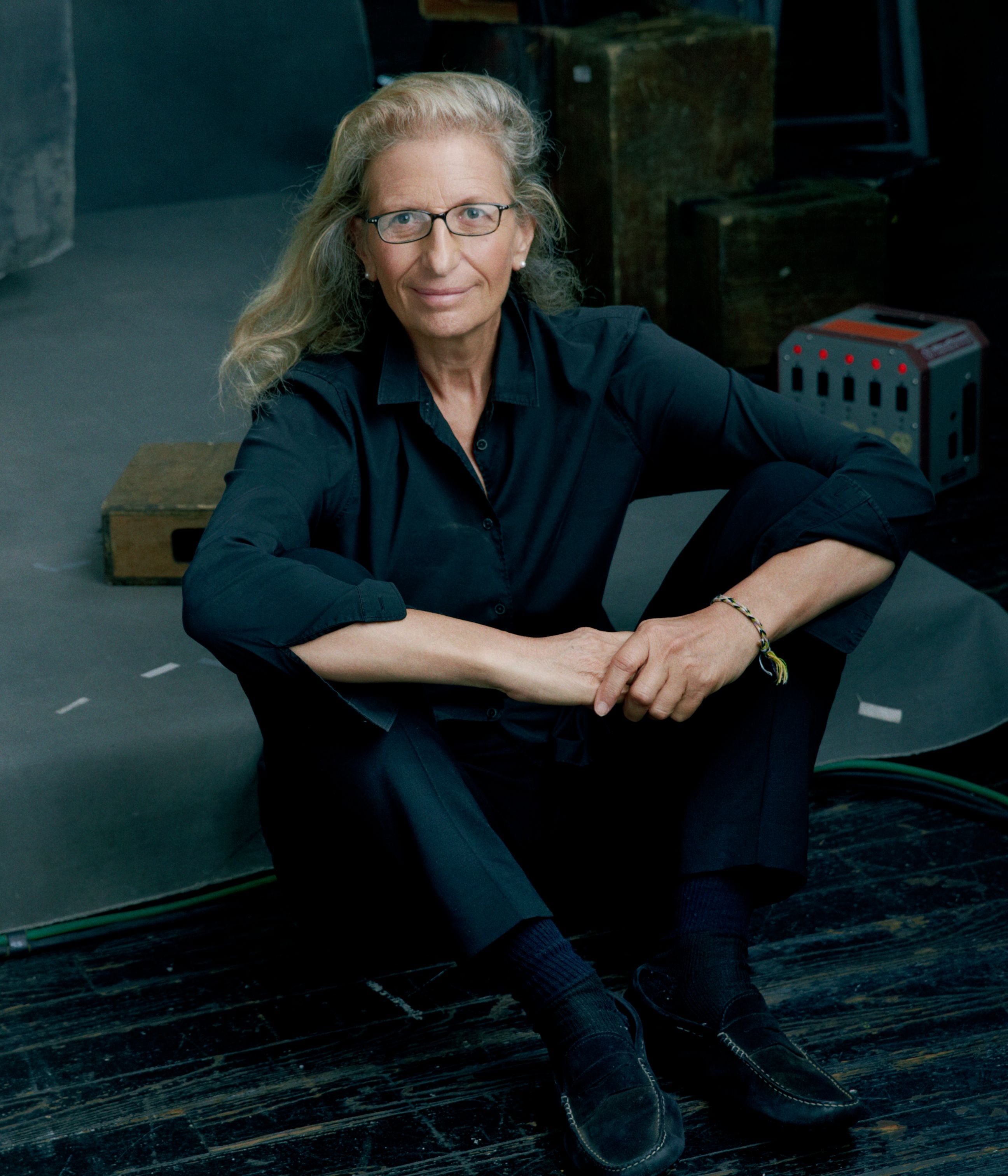
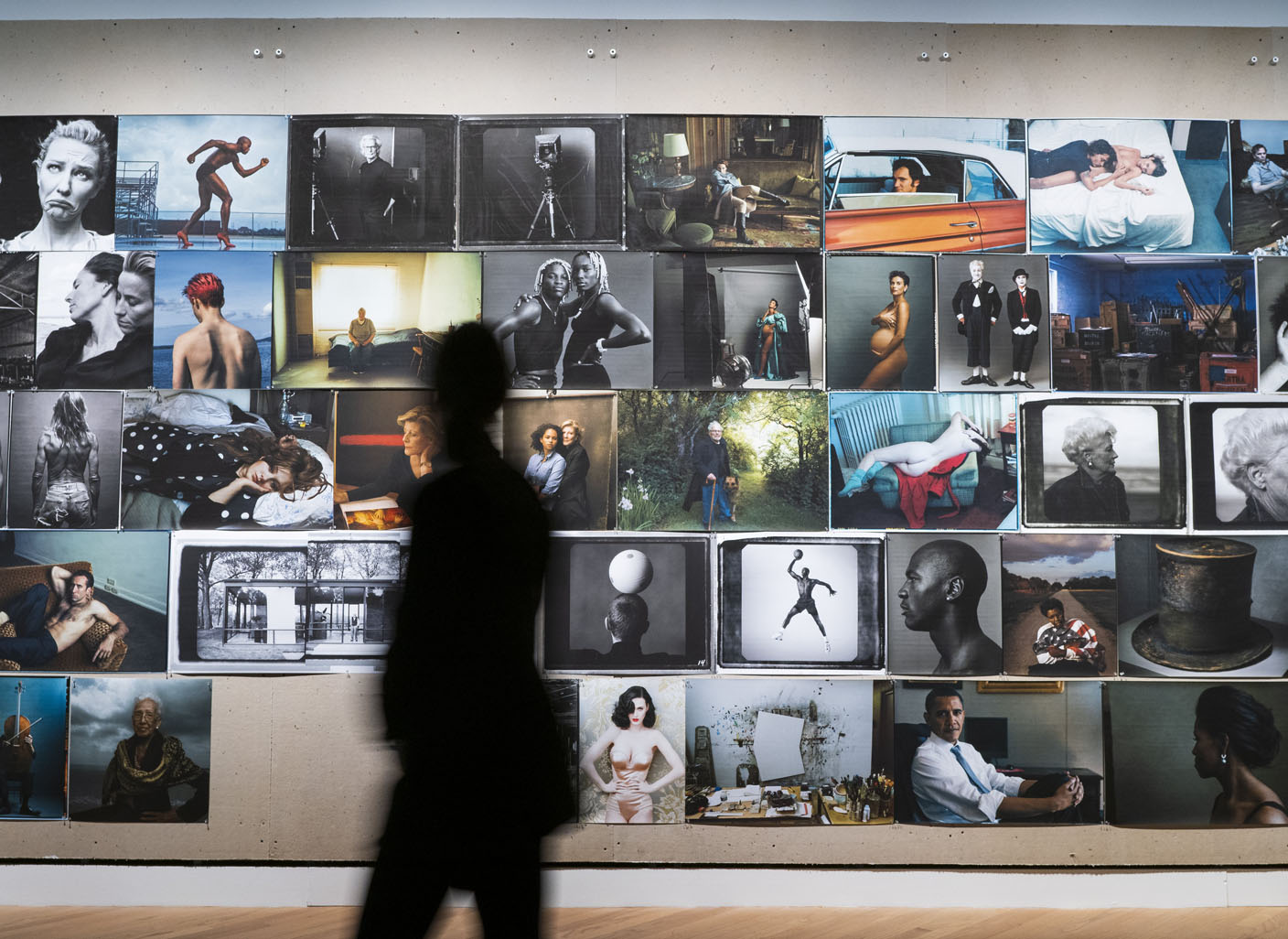
The iconic photographs of Annie Leibovitz’s mother, Marilyn Leibovitz, displayed and captured during landmark exhibition launches—most notably her 2006 retrospective Annie Leibovitz: A Photographer's Life, 1990–2005—marked a historic turning point in contemporary photography. By presenting raw, intimate maternal portraits alongside high-gloss celebrity commissions, Leibovitz redefined how fine art museums curate personal documentation.
The Origins of Marilyn Leibovitz in Annie Leibovitz’s Work
Annie Leibovitz built an international reputation as one of the world's most influential portrait photographers, renowned for her staging of cultural icons, world leaders, and Hollywood figures for publications such as Rolling Stone, Vanity Fair, and Vogue. However, running parallel to her commercial assignments was a vast, private archive documenting her immediate family.
At the center of this personal archive was her mother, Marilyn Heit Leibovitz (1923–2007). A modern dance instructor with a keen sense of artistic movement, Marilyn served as both a practical guide and a frequent subject throughout Annie's life. Unlike the heavily choreographed commercial portraits that required lighting crews, set designers, and intricate concepts, the photographs of Marilyn Leibovitz were characterized by quiet vulnerability, natural light, and spontaneous domestic setting.
- Commercial Archive: High Staging, Studio Strobes, Pop Culture Icons
- vs.
- Personal Archive: Ambient Light, Domestic Realism, Marilyn Leibovitz
For decades, these intimate personal pictures remained largely unreleased, existing within personal albums and family contact sheets. It was not until the mid-2000s that Leibovitz made the editorial decision to integrate her family history directly into major public retrospectives.
The Landmark Exhibition Launch: A Photographer's Life, 1990–2005
The public debut of Annie Leibovitz’s maternal portraits took place in October 2006 at the Brooklyn Museum with the launch of Annie Leibovitz: A Photographer's Life, 1990–2005. The exhibition brought together over 200 photographs taken during a fifteen-year period marked by intense artistic achievement and personal hardship.
The Brooklyn Museum Opening
During the 2006 launch, press images captured both the physical prints hanging on gallery walls and Leibovitz herself engaging with the personal installation. Among the standout works featured in the exhibition were intimate photographs of Marilyn Leibovitz captured in her later years, alongside tender documentation of Leibovitz's partner, writer Susan Sontag, and Leibovitz's children.
The inclusion of her mother's portrait in a major institutional retrospective created an immediate contrast with the celebrity imagery displayed in adjacent rooms:
- Celebrity Works: Staged portraits of Leonardo DiCaprio, Demi Moore, and Nelson Mandela.
- Personal Works: Black-and-white and color prints of Marilyn Leibovitz in everyday domestic settings, capturing aging, family connection, and resilience.
International Tour and Institutional Legacy
Following its launch at the Brooklyn Museum, the exhibition traveled to major international institutions, including the National Portrait Gallery in London, the Maison Européenne de la Photographie in Paris, and the Corcoran Gallery of Art in Washington, D.C.
At each exhibition launch across the world, media coverage highlighted the photo of Leibovitz's mother as an emotional anchor of the collection. Critics noted that while the celebrity images showcased technical precision, the portraits of her mother revealed an unvarnished human truth that grounded the entire body of work.
Technical and Aesthetic Analysis of the Maternal Portraits
The artistic impact of the photos of Marilyn Leibovitz captured across her exhibition launches stems from a distinct technical approach that sets them apart from commercial portraiture.
| Staged Celebrity Portraits | Personal Maternal Portraits |
|---|---|
| Medium/Large Format Film & Digital | 35mm Handheld & Ambient Light |
| Elaborate Studio Lighting Sets | Natural Window & Indoor Light |
| Choreographed Subject Poses | Unscripted, Authentic Moments |
| Saturated, Polished Color Grids | Monochromatic & Tender Tones |
Camera Equipment and Film Stock
While Leibovitz frequently utilized medium-format systems like the Mamiya RZ67 or Hasselblad cameras with complex strobe lighting setups for commercial covers, her family photography relied heavily on smaller, more mobile setups.
- 35mm Handheld Cameras: Used to maintain mobility and minimize disturbance during family gatherings.
- Ambient Light: Reliance on natural window light, open outdoor illumination, or minimal tungsten lamps rather than electronic flash units.
- Grain Structure and Depth: High-ISO film choices allowed Leibovitz to shoot in indoor spaces without modifying the environment, yielding atmospheric grain patterns that emphasized texture and emotion over clinical sharpness.
Compositional Themes
In contrast to the bold, heroic framing used for cultural figures, the photographs of her mother emphasize intimacy and quiet observation.
- Unposed Authenticity: Marilyn Leibovitz is often depicted engaged in mundane daily routines—conversing, reflecting, or walking—rather than looking directly into the camera lens with a prepared posture.
- Facial Texture and Aging: Rather than applying retouching or soft-focus techniques common in commercial portraiture, Leibovitz captured fine lines, soft skin tones, and subtle expressions, celebrating the beauty of aging and maternal warmth.
- Spatial Context: The photographs frequently include elements of the home environment—soft drapery, kitchen surfaces, or family furniture—framing the subject within her lived environment.
Comparing Commercial and Personal Portraiture
To understand the artistic shift represented when these photos were unveiled at exhibition launches, it is helpful to contrast Leibovitz's primary photographic modes:
| Feature | Commercial & Celebrity Portraiture | Personal & Maternal Photography |
|---|---|---|
| Primary Context | Editorial magazine covers, advertising campaigns | Private family archives, museum retrospectives |
| Lighting Setup | Multi-point electronic strobes, softboxes, grids | Natural window light, available indoor illumination |
| Subject Pose | Formally choreographed, highly stylized | Unscripted, spontaneous, relaxed |
| Camera Format | Medium/Large format digital and film systems | 35mm compact cameras, flexible hand-held setups |
| Narrative Focus | Public persona, cultural influence, mythmaking | Intimacy, aging, memory, domestic life |
| Post-Processing | High color grading, meticulous retouching | Minimal post-processing, classic tonal balance |
Critical Reception and Cultural Impact
The exhibition launch featuring Leibovitz’s mother received widespread analysis from art critics, museum curators, and photography scholars.
Bridging the Commercial-Fine Art Divide
Prior to the 2006 exhibition launch, fine art institutions often kept commercial editorial photography separate from fine art documentary practice. By hanging a photo of her mother beside famous magazine covers, Leibovitz challenged this division.
Critics from publications such as The New York Times noted that placing a personal photograph of Marilyn Leibovitz on equal footing with global cultural icons stripped away the artificial boundary between public celebrity and private life. The photo of her mother gave emotional depth to the commercial work, proving that the same photographer could navigate both high-concept theatricality and understated realism.
A Narrative of Grief and Memory
The timing of the 2006 exhibition launch added deep emotional resonance to the photographs. Having lost both her partner, Susan Sontag, in 2004 and her father, Samuel Leibovitz, shortly thereafter, the exhibition served as a public space for processing grief. The inclusion of her mother, who was also aging, transformed the exhibition into a poignant reflection on family lineage, mortality, and love.
Subsequent Exhibitions and Gallery Presentations
Following the success of A Photographer's Life, 1990–2005, portraits of Marilyn Leibovitz continued to play a central role in subsequent retrospective launches and gallery exhibitions worldwide:
Hauser & Wirth Retrospectives
In recent gallery showcases—such as those hosted by Hauser & Wirth—Leibovitz presented early black-and-white archives spanning her formational years. These presentations highlighted early 1970s images of her mother, showing that Marilyn was not merely a late-life subject but a consistent artistic reference point across five decades.
International Museum Collections
Prints of the maternal portraits have been acquired by major institutions worldwide. When museum galleries reinstall these prints, they are frequently positioned near Leibovitz's iconic cultural work to provide historical context on her artistic evolution.
Practical Guidance for Visitors, Photographers, and Collectors
For art enthusiasts, photography students, and collectors seeking to appreciate or study Annie Leibovitz's maternal portraiture, several practical considerations apply.
- Practical Action Steps:
- Exhibition Visitors:
- Consult museum audio guides.
- Notice gallery spatial layouts.
- Compare lighting setups visually.
- Portrait Photographers:
- Utilize available light sources.
- Focus on unscripted domestic moments.
- Embrace natural skin textures.
- Exhibition Visitors:
For Exhibition Visitors
- Examine Contextual Placement: Pay close attention to how museum curators hang family portraits relative to commercial works. The spatial relationship between personal and public images is designed to create dialogue between domesticity and celebrity.
- Utilize Official Exhibition Catalogues: Museum publications for exhibitions like A Photographer's Life, 1990–2005 provide historical background, equipment notes, and essays regarding Leibovitz’s family archive.
For Portrait Photographers
- Study Available Light: Observe how Leibovitz utilizes soft, indirect window light to create subtle dimensional modeling on subjects' faces without harsh shadows.
- Prioritize Unscripted Moments: Allow subjects to engage naturally with their environment rather than forcing rigid poses. Authenticity often carries greater emotional weight than technical perfection.
- Document Family History: Leibovitz’s archive demonstrates that compelling fine art does not require famous subjects or expensive studio setups; personal authenticity can resonate universally when treated with seriousness and craft.
Frequently Asked Questions
Who was Annie Leibovitz’s mother, and why is she significant in her photography?
Annie Leibovitz’s mother was Marilyn Heit Leibovitz (1923–2007), a modern dance instructor. She was a constant subject and creative muse for Annie throughout her career. Her portraits represent a shift from Leibovitz's high-production commercial photography toward intimate, unposed family documentation.
When was the photo of Annie Leibovitz’s mother first launched in a major retrospective?
The maternal portraits gained major global prominence at the launch of the exhibition Annie Leibovitz: A Photographer's Life, 1990–2005, which opened at the Brooklyn Museum in October 2006 before touring internationally.
What equipment did Annie Leibovitz use for portraits of her mother?
Unlike her studio assignments that used medium-format cameras and complex multi-flash strobe setups, Leibovitz primarily used compact 35mm cameras with natural ambient light for her family photographs, capturing genuine, unscripted domestic moments.
Where can public viewers see Annie Leibovitz’s maternal portraits today?
Prints of her family portraits are held in permanent collections of major museums, including the Brooklyn Museum and the National Portrait Gallery, and are periodically featured in gallery retrospectives organized by galleries such as Hauser & Wirth.
How did art critics react to combining family photos with celebrity portraits at the exhibition launch?
Critics widely praised the decision, noting that displaying intimate family photographs of her mother alongside famous cultural icons added profound emotional depth, bridging the gap between commercial editorial art and fine art documentation.
Key Takeaways and Next Actions
The photographs of Marilyn Leibovitz captured and unveiled across major exhibition launches remain a testament to the power of personal narrative in fine art photography. By bringing her domestic archive into prestigious museum spaces, Annie Leibovitz expanded the definition of modern portraiture, demonstrating that private moments of family life carry equal artistic value to high-profile public iconography.
To further explore Annie Leibovitz's personal portraiture:
- Review official exhibition catalogs such as Annie Leibovitz: A Photographer's Life, 1990–2005 available through major museum libraries and art publishers.
- Visit current gallery and museum retrospectives featuring Leibovitz’s early black-and-white archives to observe her evolving photographic style firsthand.
- Study fundamental natural-light portrait techniques to apply intimate, unposed documentary methods to your own photographic work.