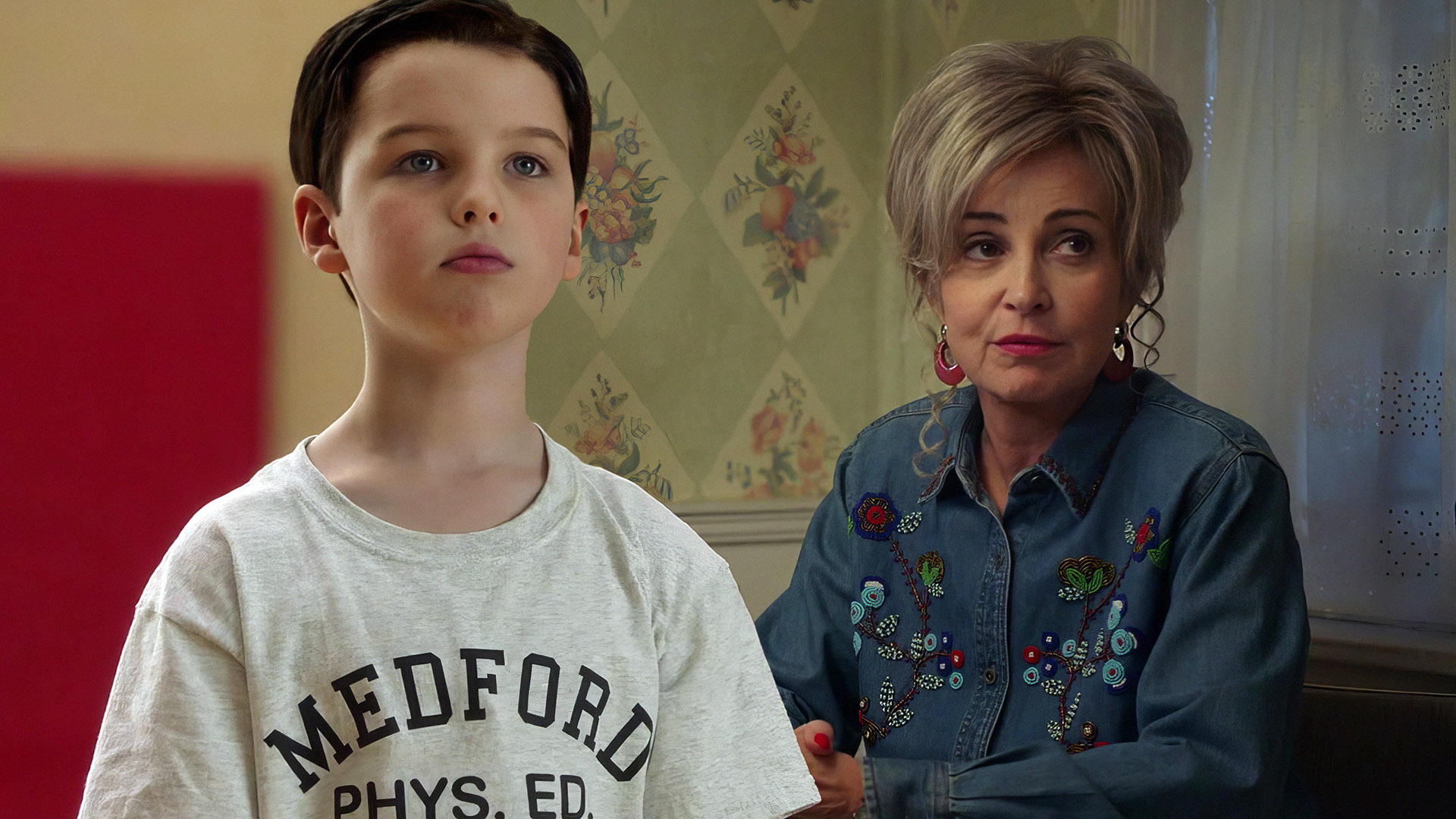
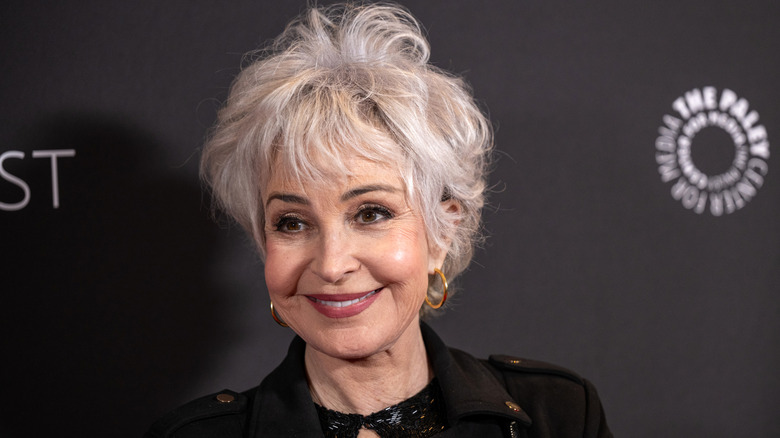
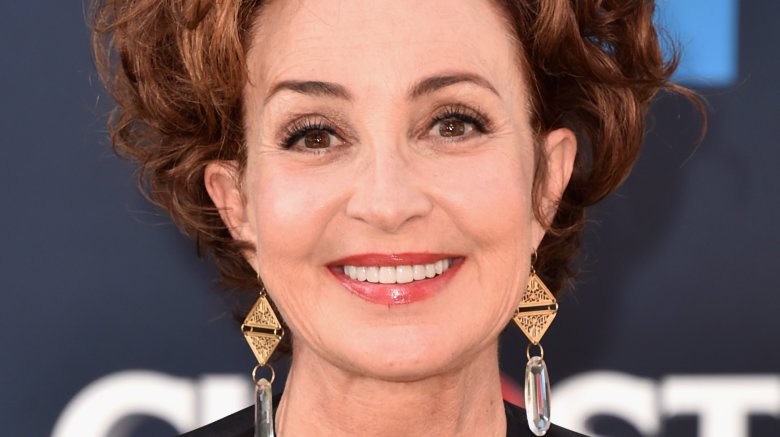
Annie Potts portrays Constance "Connie" Tucker, affectionately known as Meemaw, in the hit television series Young Sheldon. As the maternal grandmother to the titular character, Sheldon Cooper, and his siblings, Missy and Georgie, her character serves as a vital emotional anchor and a comedic foil to the more rigid members of the Cooper household. Throughout the series, Meemaw acts as the primary supporter of Sheldon’s intellectual gifts while simultaneously fostering independence, mischief, and a grounded perspective that balances the high-pressure environment of the Cooper family life in Medford, Texas.
The Character Archetype: More Than Just a Grandmother
To understand Annie Potts’ role on Young Sheldon, one must look at the specific function Meemaw plays within the narrative structure. While characters like Mary Cooper (Zoe Perry) represent the anxieties of motherhood and faith, and George Cooper Sr. (Lance Barber) represents the struggle of balancing expectations with professional reality, Meemaw occupies a unique space. She is an independent, often rebellious, and highly perceptive matriarch who views life through a lens shaped by experience rather than dogma.
Annie Potts brings a specific energy to this role that separates her from traditional sitcom grandparents. She is not the stereotypical "cookie-baking" grandmother; rather, she is a woman who enjoys gambling, maintains an active social life, and possesses a sharp, dry wit that often cuts through the tension in the Cooper household. This characterization provides a necessary contrast to the child-prodigy atmosphere of the show, grounding Sheldon in the realities of human fallibility and social nuance.
The Relationship Between Meemaw and Sheldon Cooper
The dynamic between Meemaw and her grandson is perhaps the most critical component of Annie Potts' character arc. Sheldon, being a child who struggles with traditional social cues and emotional processing, finds in his grandmother someone who accepts him without reservation. Unlike his father or his teachers, who often find Sheldon’s logic taxing, Meemaw treats him with a mix of indulgence and gentle correction.
Their relationship is built on mutual respect. Meemaw recognizes that Sheldon’s intelligence is a rare and precious trait, and she often acts as his advocate when the rest of the family—or the community—fails to understand him. In many episodes, this manifests as Meemaw teaching Sheldon lessons that he cannot learn in a classroom, such as how to play poker, how to handle disappointment, or how to navigate the complexities of interpersonal relationships. Annie Potts portrays this with a subtle tenderness, ensuring that while the humor remains, the emotional connection stays the focus of their scenes.
The Cultural Impact of the Medford Matriarch
Annie Potts’ performance has been widely cited as a bridge between the prequel and its predecessor, The Big Bang Theory. While The Big Bang Theory only provided glimpses of the character (originally played by June Squibb), Potts’ version of Meemaw provides the backstory for why the adult Sheldon holds his grandmother in such high regard. By establishing a history of wisdom, independence, and unconditional love, Potts has turned a secondary character into a cornerstone of the Young Sheldon universe.
Her role also serves to expand the world of the show. Through Meemaw’s subplots—ranging from her interactions with Dr. John Sturgis to her ventures into local business—the audience is given a window into the life of a woman navigating the complexities of aging, romance, and autonomy in late 20th-century Texas. This allows the show to transcend the "child genius" premise and explore themes of legacy and personal fulfillment.
Key Character Milestones and Narrative Contributions
Throughout the duration of the series, Meemaw’s role underwent significant evolution. From the early seasons, where she was primarily a source of advice and support for the children, to later seasons, where she became a central figure in the adult drama of the Cooper family, her narrative footprint has been extensive.
Major Character Developments
- The Mentor Figure: Early in the series, she establishes herself as the only person who can communicate with Sheldon on his own intellectual level without condescension.
- Romantic Complexity: Her relationship with Dr. John Sturgis introduced a level of intellectual compatibility that mirrored the bond she shared with Sheldon, adding depth to her personal history.
- Entrepreneurship: Her business ventures, including the illegal gambling room in the back of her laundromat, showcased a risk-taking side of her personality that defied the "dull suburban grandmother" trope.
- The Family Stabilizer: As the marriage of George and Mary faced increasing strain, Meemaw became the surrogate parent and emotional buffer, keeping the household afloat during moments of crisis.
Comparing Meemaw Across the Franchise
A common area of interest for fans is the consistency of the character across the two Big Bang series. While the Meemaw seen in The Big Bang Theory is older and more physically fragile, Annie Potts’ portrayal captures the spirit of the woman that Sheldon remembers.
| Feature | Meemaw (Young Sheldon) | Meemaw (The Big Bang Theory) |
|---|---|---|
| Actor | Annie Potts | June Squibb |
| Primary Trait | Independent/Rebellious | Protective/Devoted |
| Relationship to Sheldon | Hands-on mentor | Distant but supportive |
| Social Role | Community pillar/Business owner | Retired matriarch |
| Tone | Assertive and active | Gentle and traditional |
This distinction is important because it highlights the growth and shifts in the Cooper family narrative. Annie Potts has had the space to build a multifaceted woman, whereas the earlier appearance was a cameo designed to serve Sheldon’s existing personality.
Frequently Asked Questions
Why does Sheldon Cooper refer to his grandmother as "Meemaw"? "Meemaw" is a common Southern term of endearment for a grandmother. In the context of the show, it reinforces the Texas setting and highlights the deep, informal, and affectionate bond between the two characters, contrasting sharply with Sheldon's formal way of addressing others.
Did Annie Potts bring her own personal flair to the character? Yes. In various interviews throughout the production, Potts has emphasized that she wanted to avoid the tropes of the "frail grandmother." She insisted on playing Meemaw as a woman who still has a vibrant internal life, an active dating life, and a strong sense of self, which was a departure from early drafts of the character.
How does Meemaw influence Sheldon’s character development in the adult series? Meemaw’s influence is seen in Sheldon’s occasional moments of social intuition. Because she taught him that human beings are "flawed but lovable," he is able to tolerate his friends in The Big Bang Theory despite his general discomfort with social conventions.
What is the significance of Meemaw’s gambling room? Beyond the comedy of an elderly woman running a secret gambling operation, it represents her autonomy. It showed viewers that she was not beholden to the conservative, quiet life expected of someone her age in rural Texas, making her a much more dynamic and unpredictable character.
Will the character of Meemaw continue to be relevant in future spin-offs? While Young Sheldon concluded its run, the legacy of the characters remains central. The character of Meemaw remains the archetype for the "found family" dynamic that is so essential to the Sheldon Cooper mythology, and her influence on the audience's understanding of Sheldon’s upbringing cannot be overstated.
Final Perspective on Annie Potts' Contribution
The role of Meemaw stands as one of the most successful character reinventions in modern television. Annie Potts did not simply play a role; she defined an archetype that anchored a major sitcom franchise. Her ability to pivot between sharp-tongued humor and genuine, heartfelt emotional labor allowed the show to maintain its balance between the spectacle of Sheldon’s genius and the humanity of his family.
For viewers seeking to understand the success of Young Sheldon, look no further than the living room in East Texas. The story is not just about the boy who becomes a theoretical physicist; it is about the woman who taught him that there is more to life than equations. If you are revisiting the series, pay close attention to the scenes where Sheldon and Meemaw are alone; that is where the true heart of the show resides.
To gain a deeper appreciation for the character, consider watching the episodes that focus on her history in Medford, particularly those involving her business ventures or her interactions with the Cooper parents, as these reveal the complexity that Annie Potts brought to the performance.